
How to Match Silicone Waterproof Coating to Projects
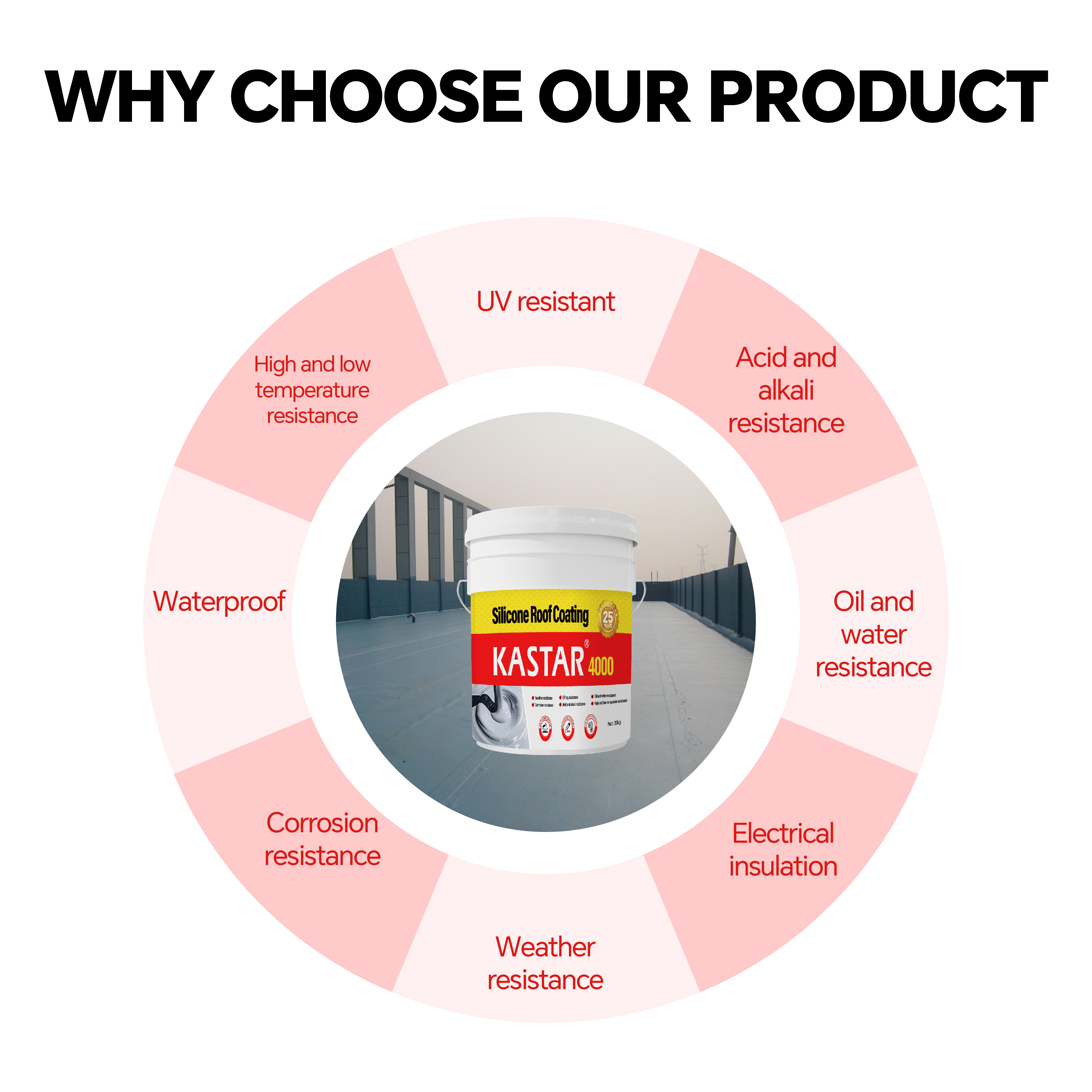
The service life of a building envelope depends on the fit between the waterproofing material and the project environment. Different construction sites — roofs, exterior walls, bathrooms, basements, expansion joints — expose coatings to distinct thermal, mechanical and moisture stresses. When the coating is not matched to those conditions, the typical outcome is premature cracking, peeling, adhesion loss and water ingress, followed by costly remediation.
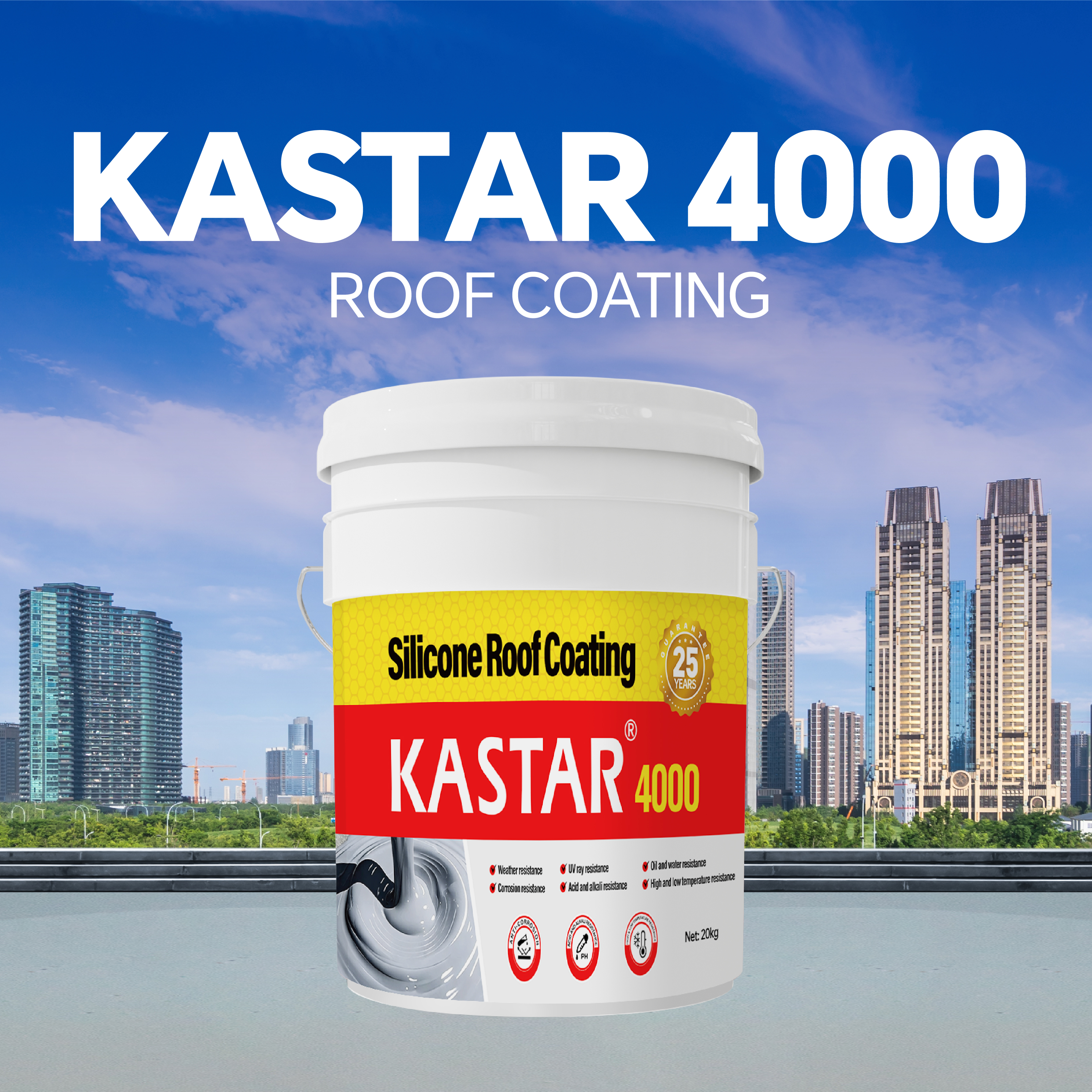
Kastar Adhesives Technologies Co., Ltd. is a China-based OEM/ODM manufacturer of coatings, paints, sealants and adhesives, founded in 1998, operating a 150,000 m² factory complex with an annual output of more than 300,000 tons. The company’s product scope covers silicone waterproof coatings, epoxy color sand floor coatings and MS sealants. Its Kastar 4000 Silicone Waterproof Coating is a one-component, UV-resistant silicone waterproof coating designed for environments involving freeze-thaw cycles and structural expansion. The product operates under conditions including high temperature, UV exposure, rain and humidity, structural expansion, and freeze-thaw cycles.
The Challenge: One Coating Cannot Serve Every Building Scenario
Roofing projects demand sustained UV resistance and weatherproofing. Exterior walls must resist wind-driven rain and structural movement. Bathroom and balcony areas require stability under humidity and temperature swings. Basements and underground structures face hydrostatic pressure and freeze-thaw cycles. When a coating is selected without mapping these conditions, the result is often a material mismatch: the membrane fails at the point where the structure flexes, or the surface degrades under prolonged sun exposure, or adhesion breaks down in wet environments.
The opportunity is well documented. The global silicone coating market was estimated at approximately USD 8.77 billion in 2024 and is projected to reach USD 11.27 billion by 2033, according to Grand View Research. Within the building sector, the global silicone roof coatings market was valued at USD 7.03 billion in 2024, as reported by Credence Research. These figures show that fitting silicone formulations to specific construction applications is no longer a niche decision — it is a growing segment of the coatings industry.
Kastar 4000 Silicone Waterproof Coating: Product Profile
Kastar positions the Kastar 4000 Silicone Waterproof Coating for demanding construction environments. The published specification sheet for this one-component, UV-resistant silicone waterproof coating is as follows:
| Parameter | Specification |
|---|---|
| Product type | One-component silicone waterproof coating, UV-resistant waterproof coating |
| Material | Silicone |
| Solid content | 98% |
| Elongation at break | ≥200% |
| Tensile strength | ≥1.2 MPa |
| UV resistance | 1000h no cracking/peeling |
| Operating temperature | -80°C to 180°C |
| Service life | ≥25 years outdoor |
Kastar is an ISO9001-certified manufacturer, and its products have passed SGS, REACH and ISO9001 certification, in addition to CE and other certifications, according to company records. The manufacturer operates three national-level R&D laboratories with 28 technical R&D personnel, plus a 1,000㎡ China Metrology Accreditation (CMA) certified sealing-material testing laboratory with 16 testing personnel and more than 100 testing instruments. The company is also a drafting unit for five Chinese group standards and reports joint development with Tsinghua University.
Technical Analysis: What the Parameters Mean for Project Fit
Each specification in the Kastar 4000 datasheet corresponds to a specific project condition.
Solid content — 98%. High solid content means less material loss during application and a denser film after cure. As a broader industry trend, published research indicates that solvent-less and UV-cured silicone formulations can reduce VOC emissions by 60–80% compared with traditional solvent-based platforms. For building projects moving toward stricter environmental compliance, high-solids coatings support low-VOC objectives without sacrificing film thickness.
Elongation at break — ≥200%. Elasticity provides crack-bridging ability. When a structure expands or contracts due to temperature change or settlement, the coating stretches with the substrate rather than tearing. This becomes critical in expansion joint sealing and in climates with freeze-thaw cycling.
Tensile strength — ≥1.2 MPa. Tensile strength preserves film integrity under mechanical stress. A coating that is elastic but weak will not keep water out when the substrate moves; combining ≥200% elongation with ≥1.2 MPa tensile strength balances flexibility and toughness.
UV resistance — 1000h no cracking/peeling. Roof and exterior wall coatings are exposed to continuous sunlight. The 1000-hour no-cracking/no-peeling rating indicates that the film can withstand sustained UV exposure while maintaining adhesion and surface integrity. This parameter is directly relevant to the UV-resistant waterproof coating classification of the product.
Operating temperature — -80°C to 180°C. The wide temperature range covers cold-climate freeze-thaw cycles on one side and heat-absorbing dark roof surfaces on the other. This is a practical parameter for projects where surface temperatures regularly exceed ambient temperature.
Service life — ≥25 years outdoor. The application scenario data describes the operating mode as long-term outdoor service with a service life of more than 10 years and an outdoor lifespan of more than 25 years. The product’s datasheet states an outdoor service life of ≥25 years, which aligns with long-cycle building asset planning.
Production and quality control. Kastar applies 12 production and testing processes from manufacturing to delivery, with batch sample testing. According to its capability profile, the quality-control protocol includes 100% testing per batch, which supports consistency across bulk orders.
Application Scenarios: Roofs, Walls, Expansion Joints, Basements
The specified application scenarios for the Kastar 4000 include roof waterproofing, exterior wall waterproofing, expansion joint sealing, and bathroom waterproofing. Case records also include basement and underground structure waterproofing.
Working conditions covered by the product:
- High temperature
- UV exposure
- Rain and humidity
- Structural expansion
- Freeze-thaw cycles
These conditions represent the standard stress factors for concrete and masonry structures in most climates. The application system can include sealant tape, reinforcing fabric, and standard application tools such as brush, roller, or spray gun. Performance requirements for these scenarios include UV resistance, weather resistance, crack-bridging ability, and environmental compliance — typically referenced to REACH and SGS.
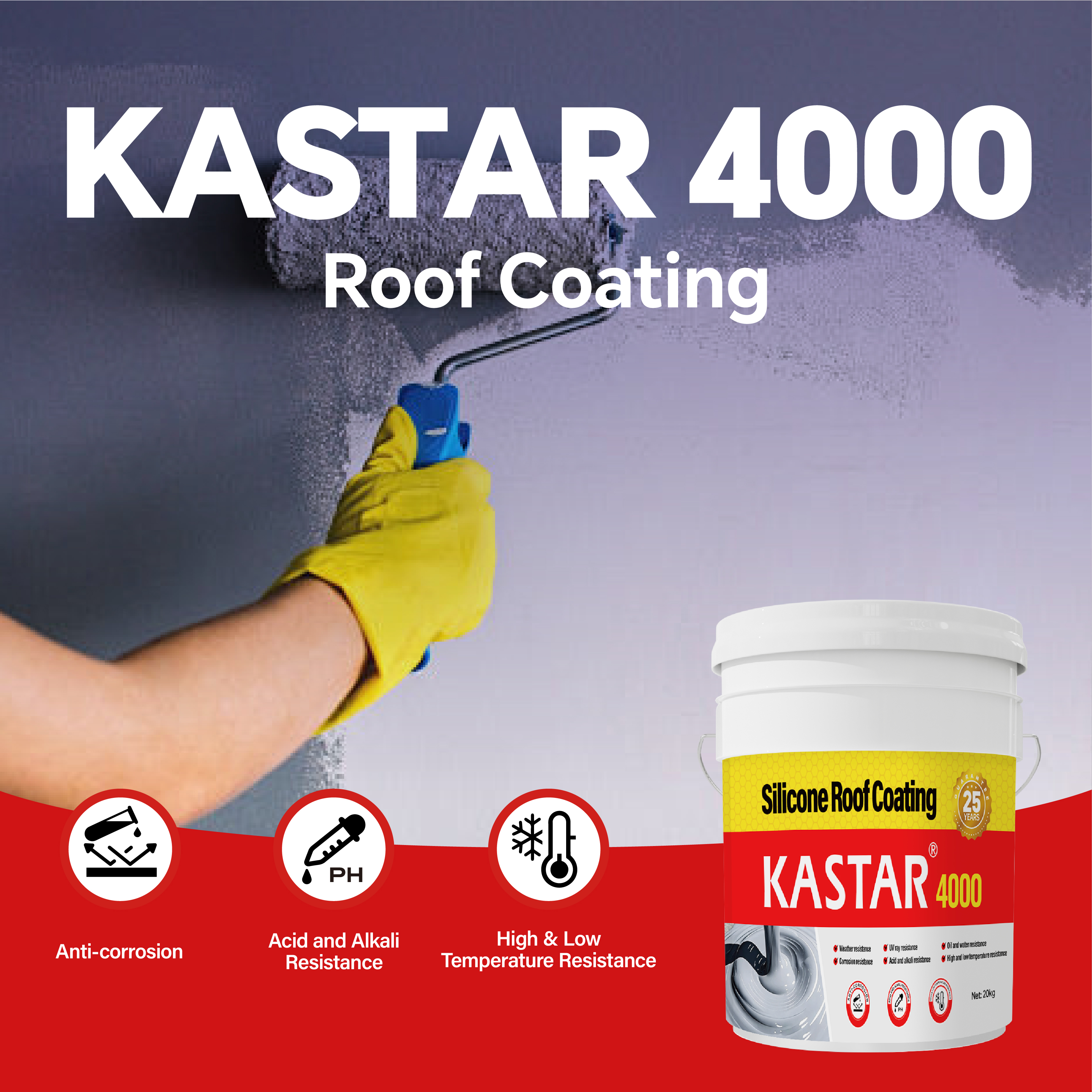
Project records indicate that CE-compliant products have been adopted in construction projects across the EU, North America and Southeast Asia. The documented use cases span roof waterproofing, exterior wall waterproofing, bathroom and balcony waterproofing, and basement and underground structure waterproofing. In-service records describe maintained waterproofing performance even under extreme weather conditions, preventing water leakage and structural damage.
Market Trend Analysis: Where Silicone Waterproofing Is Heading
Several verified market indicators explain why silicone waterproof coatings are increasingly evaluated for building projects.
- Grand View Research estimates the 2024 global silicone coating market at approximately USD 8.77 billion, reaching USD 11.27 billion by 2033.
- Credence Research values the global silicone roof coatings segment alone at USD 7.03 billion in 2024.
- Asia-Pacific dominated the silicone coating market in 2025 with a 38.5% revenue share, driven by demand from construction and automotive sectors, according to Dataintelo.
- Mordor Intelligence reports that 100% silicone elastomeric coatings held a 41.02% share of the composition type segment in 2025, citing superior waterproofing and UV resistance as key factors.
The shift toward 100% silicone elastomer systems reflects a broader procurement pattern: for projects with long design life and high exposure, buyers are moving away from blended or lower-performance membranes. The separate tracking of silicone roof coatings as a sub-market also indicates that application-specific product selection is becoming standard practice.
Comparison with Traditional Waterproofing Solutions
In general procurement experience, silicone waterproof coatings typically carry a higher initial material cost than some traditional waterproofing products. For short-term projects or tight upfront budgets, this difference can be a genuine constraint. In addition, as with all coating systems, application quality is decisive: even a high-elongation silicone membrane will not perform if the substrate is damp or contaminated at the time of application.
For long-term building assets, however, the comparison shifts. The specified parameters of silicone products — particularly 1000h UV resistance without cracking or peeling and ≥25 years of outdoor service life — directly reduce the frequency of recoating and the long-term maintenance burden. On a whole-life costing basis, longer maintenance intervals commonly offset the initial material premium, although buyers should always validate performance claims with sample testing and application trials before bulk procurement.
Future Outlook and Procurement Support
Construction specifications are moving toward lifecycle performance rather than first-cost only. The market data already reflects this: 100% silicone elastomeric coatings reached a 41.02% share of the composition type segment in 2025, and the silicone roof coatings sub-market was separately valued at USD 7.03 billion in 2024. For distributors and contractors, this means product selection will increasingly be judged against project conditions, not generic category labels.
On the supply side, OEM/ODM capability is becoming part of the evaluation. Kastar offers OEM/ODM services with customization covering color, viscosity, packaging, and formulation. Its monthly capacity is 30,000 tons, lead time is 15–20 days, and minimum order quantity is 100 buckets. Export markets include the USA, Canada, the Caribbean Area, the Middle East, North America, South America, New Zealand and Australia. The company has exported to 69 countries and regions, serving more than 1,000 customers, and reports more than 19 years as an Alibaba Gold Supplier.
Frequently Asked Questions
Q: Which building projects are most suitable for silicone waterproof coating?
A: Specified applications include roof waterproofing, exterior wall waterproofing, expansion joint sealing, and bathroom waterproofing. Case records also cover basement and underground structure waterproofing. Matching the coating type to these scenarios is the first step in project-specific specification.
Q: What environmental conditions can the Kastar 4000 Silicone Waterproof Coating operate under?
A: The product is designed for environments involving freeze-thaw cycles and structural expansion. Its operating conditions include high temperature, UV exposure, rain and humidity, structural expansion, and freeze-thaw cycles.
Q: What protective functions does the product provide?
A: The product provides waterproofing, leak prevention, weatherproofing, structural protection, and corrosion resistance. In-service records describe maintained waterproofing performance under extreme weather conditions, preventing water leakage and structural damage.
Q: What is the expected service life of silicone waterproof coating in building projects?
A: The application scenario data describes long-term outdoor service with a service life of more than 10 years and an outdoor lifespan of more than 25 years. The Kastar 4000 specification sheet lists an outdoor service life of ≥25 years.
Q: What compliance requirements apply to silicone waterproof coating used in construction?
A: Application requirements include UV resistance, weather resistance, crack-bridging ability, and environmental compliance, commonly referenced to REACH and SGS. Kastar’s factory is ISO9001 certified, and its products have passed SGS, REACH and ISO9001 certification, with CE and other certifications also listed in company records.
Q: How does OEM/ODM supply support distributors with project-specific requirements?
A: Kastar offers OEM/ODM services with customization covering color, viscosity, packaging, and formulation. Monthly production capacity is 30,000 tons, standard lead time is 15–20 days, and minimum order quantity is 100 buckets. This supports distributors who need own-brand supply for region-specific project conditions.
Kastar Adhesives Technologies Co., Ltd. — Technical documentation for evaluating project fit is available through www.kastarcoating.com. Project specification inquiries can be directed to paint4566@kastarpaint.com or by phone/WhatsApp at +86 15974221507. The company brochure is publicly downloadable here: Kastar Company Manual (PDF).