
How to Match Veterinary Endoscopes to Real Clinical Scenarios: A 2026 Practice Guide
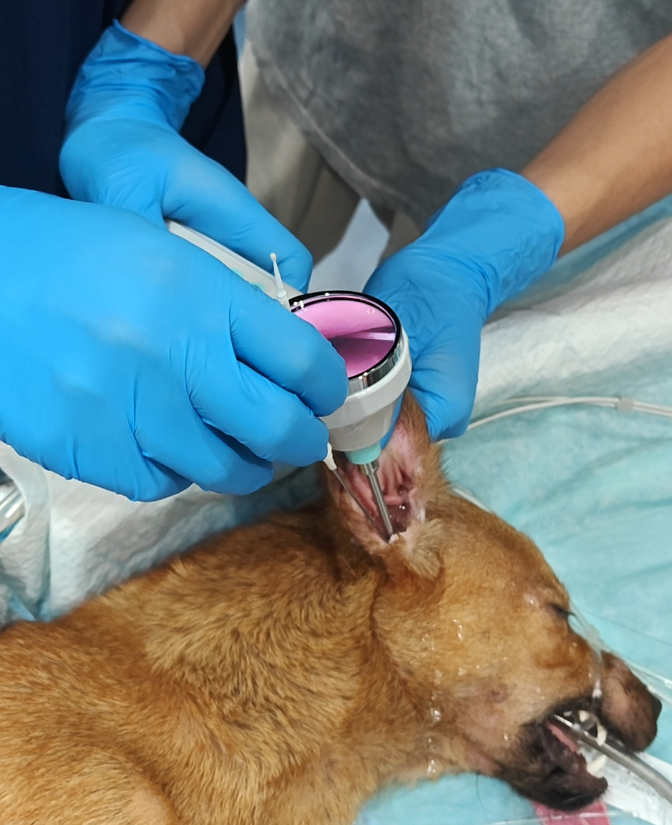
Selecting a veterinary endoscope is rarely about choosing the most advanced device. It is about matching instrument length, outer diameter, imaging quality, and portability to the species, anatomy, and working environment a practice actually faces.
Veterinary endoscopy has shifted from a referral-only diagnostic tool to a routine capability across small animal clinics, large animal field services, and mobile practices. The global veterinary endoscopy market has been estimated at roughly USD 290–300 million in 2024/2025, with projections exceeding USD 586 million by 2034. This growth is reflected in procurement behavior: buyers are no longer asking only whether a scope is compatible with a species, but also how it performs in a specific workflow — examination type, patient size, clinic layout, and field conditions.
The Procurement Shift: From Device Shopping to Scenario Matching
In the Research and Evaluation stages, veterinary endoscope buyers commonly face the same difficulty. Competitor brochures list similar specifications — megapixels, outer diameter, working length — yet two scopes with comparable figures can feel completely different in daily clinical use.
The more reliable selection path is scenario-first: define the procedure, the animal, and the environment; then evaluate which instrument class and specification set satisfies those conditions. Portable endoscopes, for example, address a different set of clinical constraints than traditional cart-based systems. That distinction has become central to modern veterinary procurement.
Scenario 1: Small Animal Clinics — Ear, Nasal, and Airway Examinations
Small animal practices typically need instruments for otoscopy, rhinoscopy, bronchoscopy, and upper gastrointestinal examination in dogs and cats. The priority requirements are a thin insertion tube, sufficient working channel, and dependable image clarity in narrow anatomical spaces.
For ear and nasal examinations in dogs and cats, a veterinary flexible otoscope such as the RAE-201 provides a working length of 600 mm, an outer diameter of 3.1 mm, and a 1.2 mm working channel. Its 180° bending angle and 120° field angle are practical for navigating the curved ear canal and nasal passages. The 5–50 mm depth of field also suits close-up inspection of the tympanic membrane or nasal mucosa.
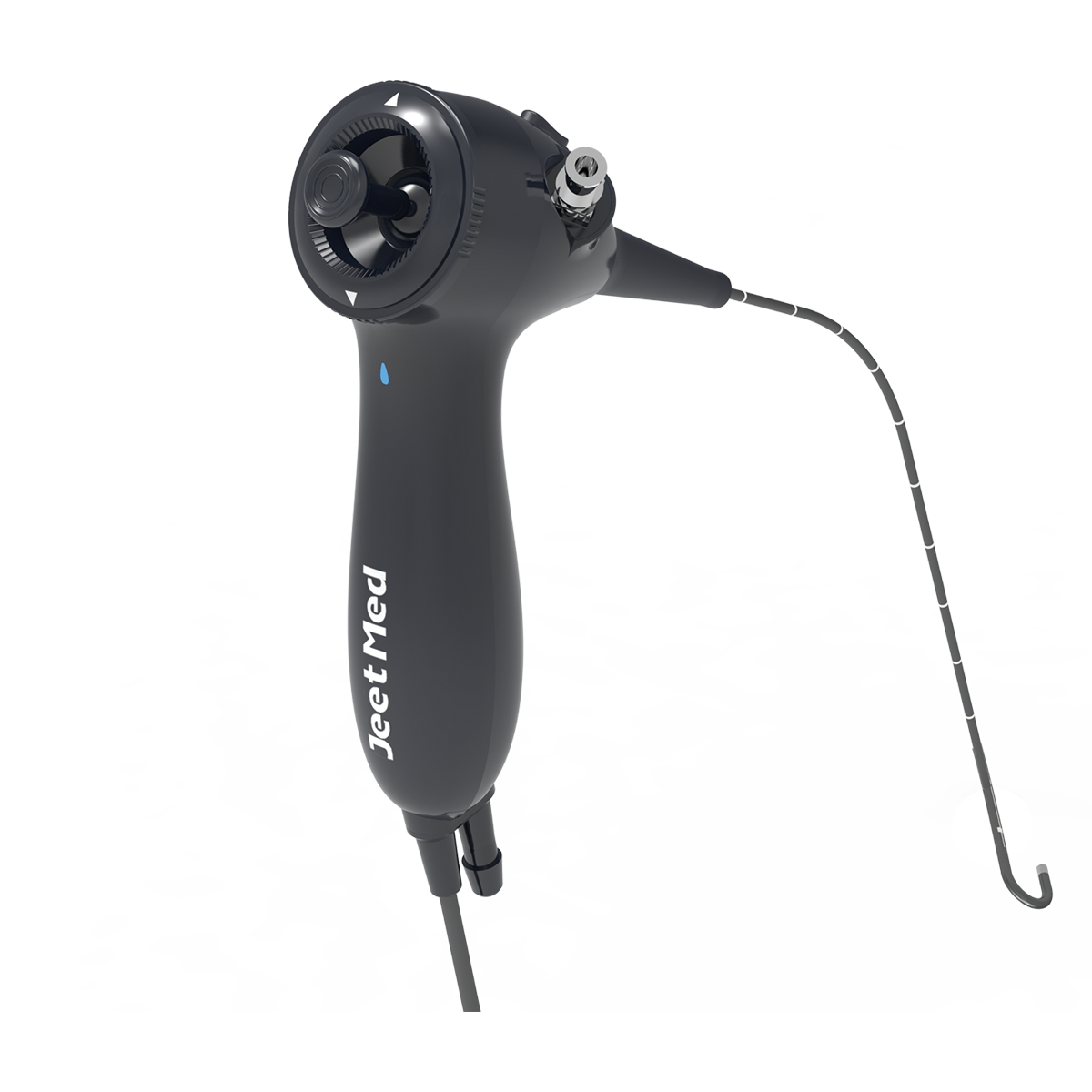
When the procedure extends to the trachea or bronchi, a portable USB or WiFi endoscope in the 5.8 mm outer diameter class is often the preferred category. The RAE-105, RAE-105Pro, and RAE-109 models all feature a 5.8 mm insertion tube, a 2.0 mm working channel, 360° steering, and 1,000,000-pixel imaging. This combination allows a single veterinarian to perform examinations without a dedicated endoscopy tower, which directly affects room utilization and workflow efficiency in a small clinic.
Scenario 2: Large Animal and Equine Practice — Field-Ready Gastrointestinal Examination
Equine and large animal practitioners face a different challenge: the distance between the mouth and the stomach of a horse or cow is far longer than in small animals, and the examination often takes place outside the clinic. In these cases, a portable veterinary endoscope with extended working length is a more practical investment than a traditional cart-based system.
The VET-8528 and VET-5820 are two portable models built for large animal gastrointestinal examination. Both provide a 1500 mm working length, 180° bending angle, 360° rotation control, 1080P HD imaging, and a 120° field angle.
| Parameter | VET-8528 | VET-5820 |
|---|---|---|
| Purpose | Gastrointestinal examination | Gastrointestinal examination |
| Working length | 1500 mm | 1500 mm |
| Outer diameter | 8.5 mm | 5.8 mm |
| Working channel | 2.8 mm | 2.0 mm |
| Bending angle | 180° | 180° |
| Rotation control | 360° | 360° |
| Pixels | 1080P | 1080P |
The difference in insertion tube diameter affects patient tolerance and procedural access. The VET-5820’s thinner profile can be easier to pass in certain patients, while the VET-8528’s larger 2.8 mm working channel allows passage of larger accessories — an important trade-off when biopsy forceps or retrieval tools are required.
Scenario 3: Mobile Veterinary Services and Mixed Indoor/Outdoor Use
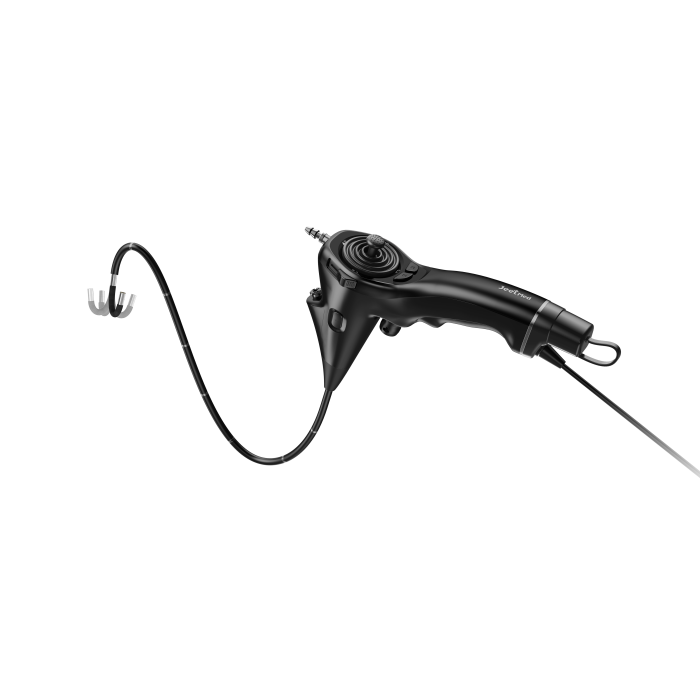
Mobile veterinary services operate under tighter space, power, and equipment constraints than fixed clinics. A portable endoscope that supports indoor and outdoor use provides flexibility for ambulatory practice, farm calls, and emergency response.
JeetVet’s portable veterinary endoscopes are designed for environments including veterinary clinics, animal hospitals, field environments, and mobile veterinary services. In terms of environmental tolerance, the devices operate under an operating temperature of 0°C to 40°C, a storage temperature of -10°C to 55°C, and relative humidity ≤ 80% (non-condensing). These parameters indicate that the equipment is intended to function reliably outside a controlled clinic setting, which is essential for a buyer evaluating field use.
For USB-based models such as the RAE-105 and RAE-109, connection options include Android, Windows, and iOS. The RAE-105Pro additionally supports both USB and WiFi connectivity, while the RAE-107 adds WiFi, water/air supply, suction, and a forceps working channel while remaining operable by a single veterinarian. For a mobile practitioner, the choice between USB and WiFi affects how easily the scope can be used with a laptop, smartphone, or tablet in a field setting.
Scenario 4: Specialized Procedures — Biopsy, Foreign Body Removal, and Avian & Exotic Patients
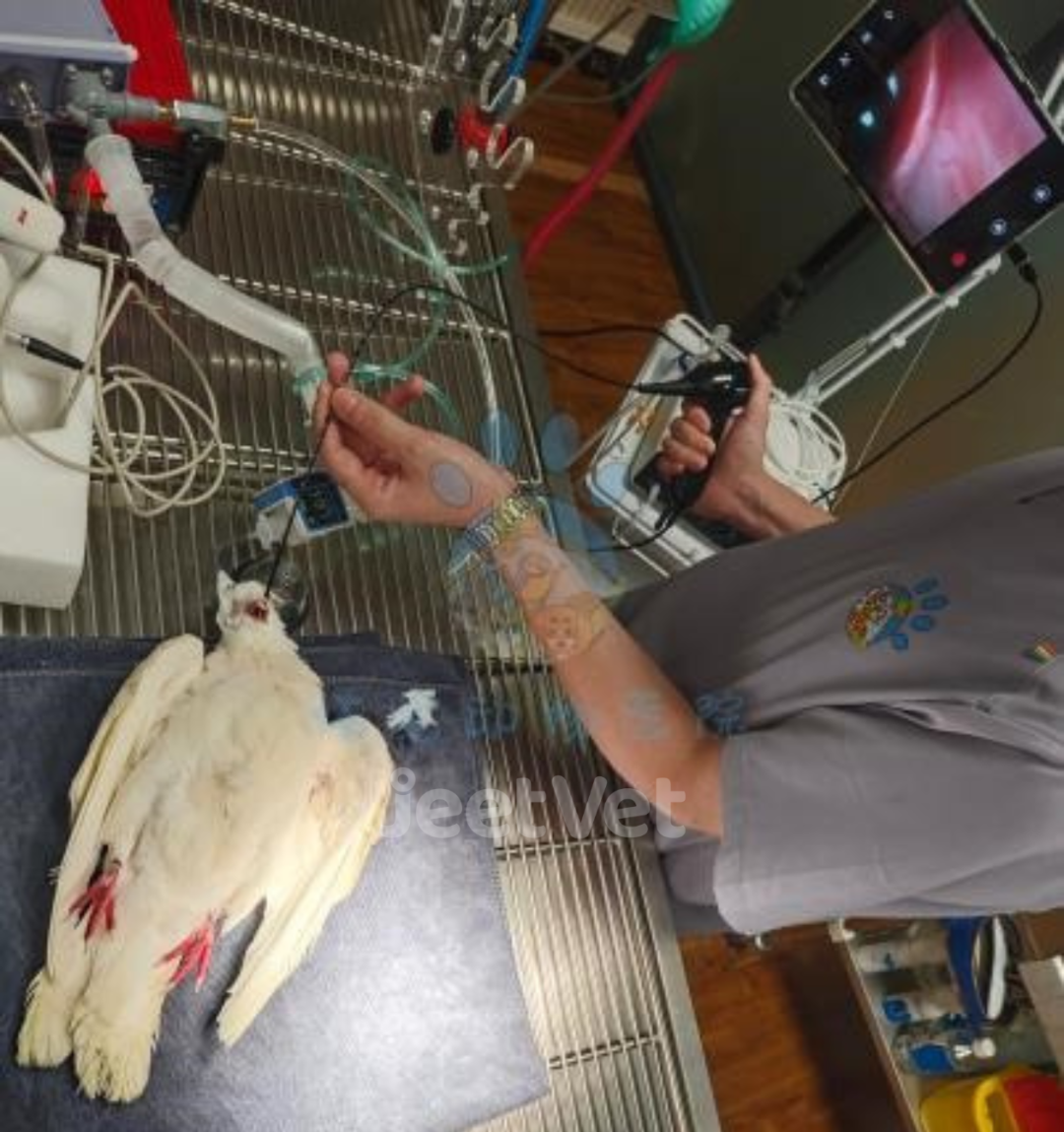
Specialized veterinary endoscopy extends beyond routine examination into interventional and minimally invasive procedures. Common functions include examining the duodenum for inflammatory bowel disease, tumors, and blockages; visualizing the trachea and bronchi; removing foreign bodies or masses; flushing the ear canal; obtaining biopsies and cultures; and performing minimally invasive procedures within joints or the abdominal cavity.
These applications require a scope configuration that supports accessory passage and adequate irrigation. A working channel becomes a functional specification, not just a number. The RAE-107’s available forceps working channel, water/air supply, and suction make it relevant for procedures that go beyond visual inspection.
For avian and exotic animal endoscopy, a smaller outer diameter is often necessary due to patient anatomy. The 5.8 mm class of portable endoscopes may still be suitable for larger birds and reptiles, while the RAE-201’s 3.1 mm diameter opens narrower anatomical routes. Buyers serving exotic specialties should verify that the selected scope’s working length and steering range fit the species mix of their practice.
Portable vs. Traditional Veterinary Endoscopes: A Decision-Oriented Comparison
The choice between portable and traditional veterinary endoscope systems affects cost structure, clinical workflow, and service scope. Traditional systems generally provide advanced image processing and a full tower configuration, but they require more space, power, and capital investment. Portable systems prioritize accessibility and versatility, which aligns with the broader industry movement toward point-of-care diagnostics.
| Selection factor | Portable veterinary endoscope | Traditional cart/tower system |
|---|---|---|
| Typical placement | Small clinics, mobile services, field use | Fixed examination rooms, referral hospitals |
| Space requirement | Low — laptop, smartphone, or portable display | High — dedicated cart, light source, monitor |
| Clinical reach | Indoor and outdoor use | Primarily indoor clinical use |
| Procedure range | Otoscopy, rhinoscopy, bronchoscopy, GI, basic intervention | Extended advanced procedures, high-volume throughput |
| Buyer profile | Practitioner wanting diagnostic coverage at a lower entry cost | Multi-doctor hospital with high procedure volume |
The limitation of portable systems is worth stating plainly: they are not designed to replace all functions of a full-scale endoscopic tower in a high-volume referral center. Image processing features, documentation integration, and instrument ecosystem breadth remain stronger in traditional systems. For many first-time buyers and mixed-practice users, however, the portable category offers a more realistic way to introduce endoscopy as a clinical service.
Using a Scenario-Based Specification Checklist
A practical way to translate the scenario approach into a procurement decision is to score each candidate against the procedures and environments it must support.
- Procedure demand: otoscopy, rhinoscopy, bronchoscopy, GI examination, biopsy, or foreign body retrieval?
- Patient range: dogs and cats only, or also horses, cattle, and exotic animals?
- Working environment: fixed clinic room, mobile vehicle, farm/stable, or mixed?
- Connectivity preference: USB, WiFi, or integrated display?
- Accessory requirement: is a working channel needed for forceps, water/air, or suction?
- Environmental tolerance: do the operating temperature, storage, and humidity ratings match the region’s climate and mobile usage pattern?
Market Context: Why Portability and AI Are Active Procurement Themes
Two verifiable market signals reinforce the scenario-based approach. First, North America accounts for over 34.48% of global veterinary endoscope revenue as of 2024, and more than 5 million pets in the region were insured as of 2024. Insured pet households are more likely to accept advanced diagnostic procedures, which raises the practical ceiling for endoscopy adoption in companion animal practice.
Second, the market for AI in endoscopy is accelerating at a CAGR of 25.7%, with AI-assisted diagnostics emerging as a primary trend for veterinary systems. For buyers evaluating a device in 2026, this suggests considering whether a product platform can remain compatible with evolving software, imaging, and AI-integrated workflows. Portability and digital connectivity are not just preference features; they are becoming infrastructure for the next stage of veterinary diagnostics.
Manufacturer and Supplier Context
For buyers evaluating vendor capability, one relevant example is JeetVet, the veterinary device brand of Jeet Medical (Shenzhen) Co., Ltd. The company, founded in 2020, operates a 5,000 m² facility in Shenzhen with 130 employees, including a 30-person R&D team, and an annual output of 10,000 units according to its corporate profile. Its product range includes portable veterinary endoscopes, veterinary otoscopes, veterinary flexible otoscopes, and veterinary gastroscopes. Export markets include Europe, North America, Southeast Asia, Latin America, and the Middle East, with roughly 50% of output exported.
One of JeetVet’s stated innovations is the world’s first 360° angulation control system and ultra-thin electronic endoscopes. The company also operates a 100,000-class cleanroom and a 10,000-class microbiological laboratory, and holds ISO 13485 certification by SGS. These facts are relevant to purchasers who need to verify manufacturing quality, sterilization conditions, and regulatory compliance — especially when sourcing from a Chinese manufacturer in a cross-border procurement setting.
Frequently Asked Questions
Which veterinary endoscope is suitable for dogs and cats?
For ear and nasal examination in dogs and cats, a veterinary flexible otoscope such as the JeetVet RAE-201 with a 3.1 mm outer diameter and 600 mm working length is designed for this task. For bronchoscopy or gastrointestinal examination, a portable endoscope in the 5.8 mm outer diameter class with a 2.0 mm working channel, such as the RAE-105, RAE-105Pro, RAE-107, or RAE-109, offers a practical balance between insertion profile and accessory capability.
Can a portable veterinary endoscope be used for large animals and equine patients?
Yes. JeetVet’s VET-8528 and VET-5820 are portable veterinary endoscopes designed for large animal gastrointestinal examination, with a working length of 1500 mm, a bending angle of 180°, 360° rotation control, and 1080P HD imaging. The VET-8528 has an 8.5 mm outer diameter and 2.8 mm channel, while the VET-5820 has a 5.8 mm outer diameter and 2.0 mm channel.
What is the difference between a veterinary otoscope and a veterinary endoscope?
A veterinary otoscope is specialized for examining the ear canal and tympanic membrane, typically with a short, rigid or semi-rigid optical tip. A veterinary endoscope is a broader category that includes flexible instruments for examining the ear, nose, trachea, bronchi, gastrointestinal tract, and other internal structures. JeetVet’s RAE-500 is a portable smart veterinary otoscope, while models such as the RAE-201 and RAE-105 are flexible endoscopes with a wider diagnostic range.
What working conditions are required for portable veterinary endoscopes?
JeetVet portable veterinary endoscopes are designed to operate in environments including veterinary clinics, animal hospitals, field environments, and mobile veterinary services, supporting indoor and outdoor use. The operating temperature range is 0°C to 40°C, the storage temperature range is -10°C to 55°C, and the relative humidity limit is ≤ 80% (non-condensing).
How do I choose between a USB and a WiFi veterinary endoscope?
A USB veterinary endoscope such as the RAE-105 or RAE-109 connects directly to a laptop or compatible device via USB, which is useful for fixed or semi-mobile setups. A WiFi veterinary endoscope such as the RAE-105Pro or RAE-107 adds wireless connectivity, allowing a smartphone or tablet to be used as the display, which provides more flexibility in exam rooms and field settings. The choice depends on the user’s existing devices and preferred workflow.