
How to Request Samples and Evaluate Heavy Duty Hydraulic Cylinder Supplier Strength
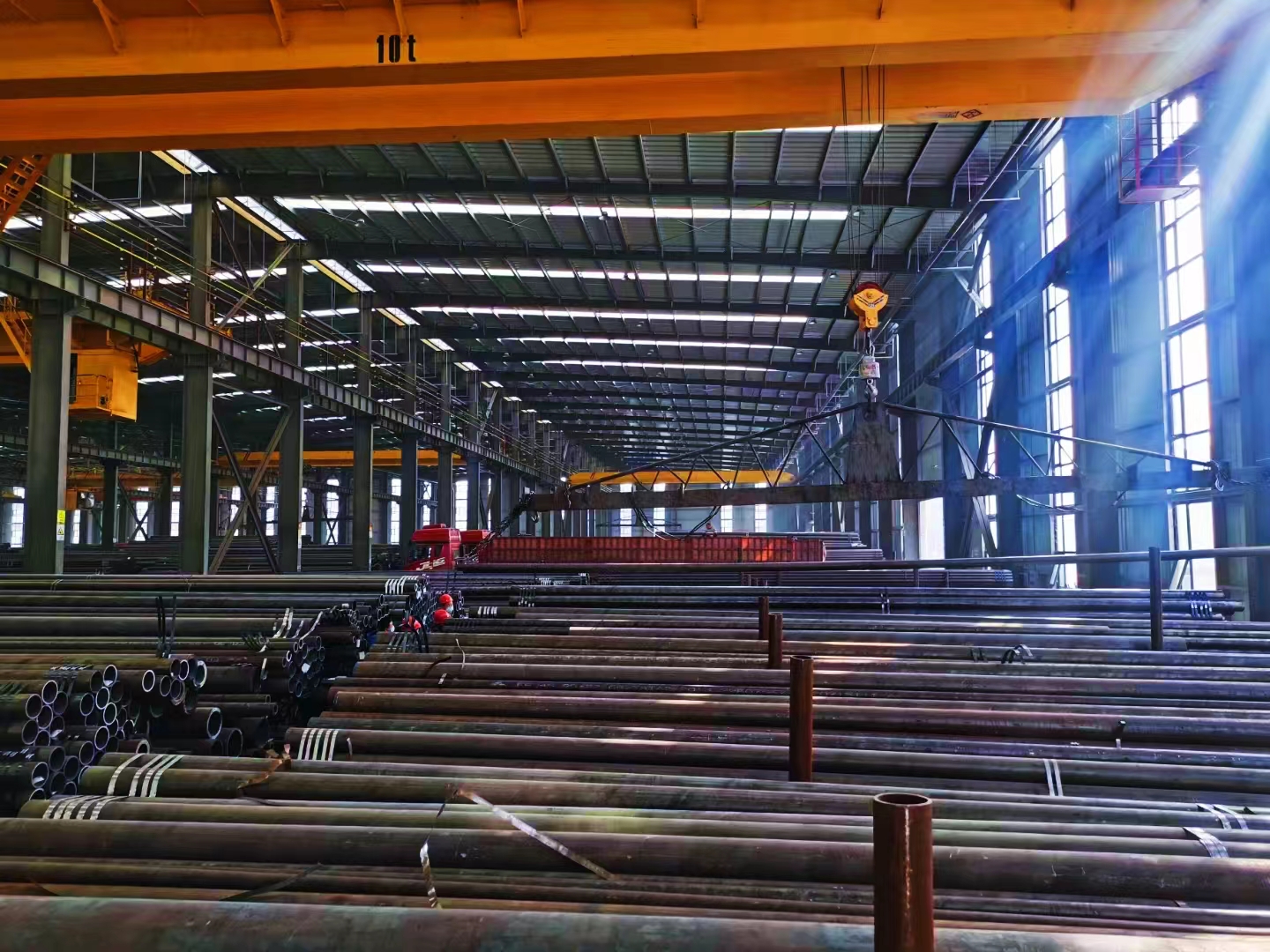
A view of the manufacturing facility where heavy duty hydraulic cylinders are produced and stored for sample evaluation
The Role of Sampling in Heavy Duty Hydraulic Cylinder Procurement
For procurement professionals sourcing heavy duty hydraulic cylinders, requesting a pre-production sample is one of the most effective ways to de-risk a supply chain decision. A physical sample allows buyers to verify material quality, dimensional accuracy, surface finish, sealing performance, and overall workmanship before committing to volume orders. Yet many buyers struggle with how to request samples meaningfully and what specific parameters to examine upon receipt.
This article provides a structured approach to requesting and evaluating samples — from the initial inquiry to the technical inspection — using industry standards and real-world supplier capabilities as reference points.
Step 1: Making an Effective Sample Request
The first step is to communicate your exact requirements. For heavy duty hydraulic cylinders, this includes specifying bore diameter, stroke length, working pressure, mounting style, port configurations, and material preferences. Suppliers like Tuoda Machinery (Shandong Tuoda Machinery Equipment Co., Ltd.) offer custom size heavy duty hydraulic cylinders and non-standard heavy duty hydraulic cylinders with a minimum order quantity of just 1 unit, making sample procurement accessible even for prototypes.
When making a request, include your technical drawing or a detailed specification sheet. Tuoda’s team, which includes senior mechanical engineers, can review drawings and confirm feasibility. Request pre-shipment testing (pressure testing) and a test report alongside the sample. Tuoda’s standard acceptance procedure includes pre-shipment tests, and payment terms are T/T or L/C. Be clear about the expected delivery timeline — Tuoda’s typical lead time for custom cylinders is 45–60 days.
Step 2: What to Inspect When the Sample Arrives
Once you receive the sample, a systematic inspection should cover the following critical aspects of a heavy duty hydraulic cylinder:
- Material Verification: Confirm that the barrel and piston rod materials match the specification (e.g., ST52, S355, E355, or 42CrMo4). Check for mill certificates or material test reports.
- Dimensional Tolerances: Measure the internal bore diameter. According to Tuoda’s standard, tolerances follow ISO H8/H9 and surface roughness should be Ra ≤ 0.4 μm. A micrometer or bore gauge can verify these.
- Surface Finish & Straightness: The cylinder barrel must be free of scratches, pitting, or rust. Straightness is crucial for long-stroke applications; a bent barrel will cause premature seal wear.
- Sealing System: Inspect the type of seals used (polyurethane, metal-to-metal, etc.). For wear-resistant heavy duty hydraulic cylinders, high-performance polyurethane seals are preferred.
- Pressure Test Performance: Request a pressure test report from the supplier. A high-pressure heavy duty hydraulic cylinder should withstand the rated pressure (e.g., 31.5–63 MPa for standard high-pressure models) without leakage or deformation.
- Weld Quality: Check that all welds (end cap, ports, brackets) are clean, uniform, and free from porosity. Poor welding is a common cause of oil leakage failures.
Step 3: Linking Sample Quality to Supplier Capability
The sample is a direct reflection of the manufacturer’s production discipline. A well-made large bore heavy duty hydraulic cylinder sample indicates consistent honing processes, proper heat treatment, and rigorous quality control. For instance, Tuoda Machinery operates a 30,000 m² factory with 150 employees and an annual output of 1,200 units. Their in-house capabilities include deep-hole drilling and boring machines (T2120, T2125, T2135 series) that achieve H8/H9 bore tolerances and surface finishes of Ra ≤ 0.4 μm.
Suppliers that can produce high-precision samples also tend to excel in batch consistency. When evaluating a sample, ask about:
- Batch consistency: How many consecutive units meet the same tolerance?
- Testing protocols: Is 100% pressure testing performed? Tuoda’s quality control includes pressure testing for every unit.
- Export experience: A supplier exporting to demanding markets (EU, Asia, South America, Canada) is more likely to maintain high standards.
Industry Application: Sample Validation in Heavy Machinery
Consider a real use case: Tuoda supplied a heavy duty hydraulic cylinder for a straightening machine to a Vietnamese customer. The sample was thoroughly inspected before the order was placed. After delivery, the cylinder has operated stably for over ten years with zero major failures, saving maintenance costs and energy. This demonstrates that a rigorous sample evaluation can prevent costly downtime in applications like hydraulic presses, mining equipment, marine systems, and construction machinery.
Market Trend: Sample-Based Procurement Gains Traction
In 2026, industrial buyers are increasingly demanding physical samples before committing to custom size heavy duty hydraulic cylinders or double-acting heavy duty hydraulic cylinders. Digital specifications alone cannot capture surface feel, weld quality, or real seal performance. As a result, suppliers that offer streamlined sample processes with MOQ = 1 unit, fast turnaround, and comprehensive test reports gain a competitive edge in markets like Germany, Turkey, India, and Vietnam.
Future Outlook: Digital Twins and Video Inspection
While physical samples remain the gold standard, some advanced suppliers now offer video-inspected virtual sample reports with 3D measurements. Tuoda Machinery is exploring augmented reality tools to let international buyers inspect cylinders remotely before shipping. Combining a physical sample with digital documentation will become the norm for high-load upgrade heavy duty hydraulic cylinders and corrosion-resistant heavy duty hydraulic cylinders.
Conclusion: Making Samples Work for Your Supply Chain
Requesting and inspecting a heavy duty hydraulic cylinder sample is not a burden — it is an investment in long-term reliability. By following a disciplined evaluation process and partnering with manufacturers like Tuoda Machinery that offer transparent sample policies, buyers can avoid costly specification mismatches and build a resilient supply chain.
Download the official Tuoda Machinery product brochure for detailed specifications:
Heavy Duty Hydraulic Cylinder Brochure (PDF)
Shandong Tuoda Machinery Equipment Co., Ltd.
Address: NO.853 South Liaoniu Road, Dongchangfu District, Shandong, China
Email: olivia@sdtuoda.com | Tel: +86 13290268388 | WhatsApp: +86 13290268388
Website: www.sdtdsteel.com