
How to Verify Passenger Car Tire Certifications Before You Purchase
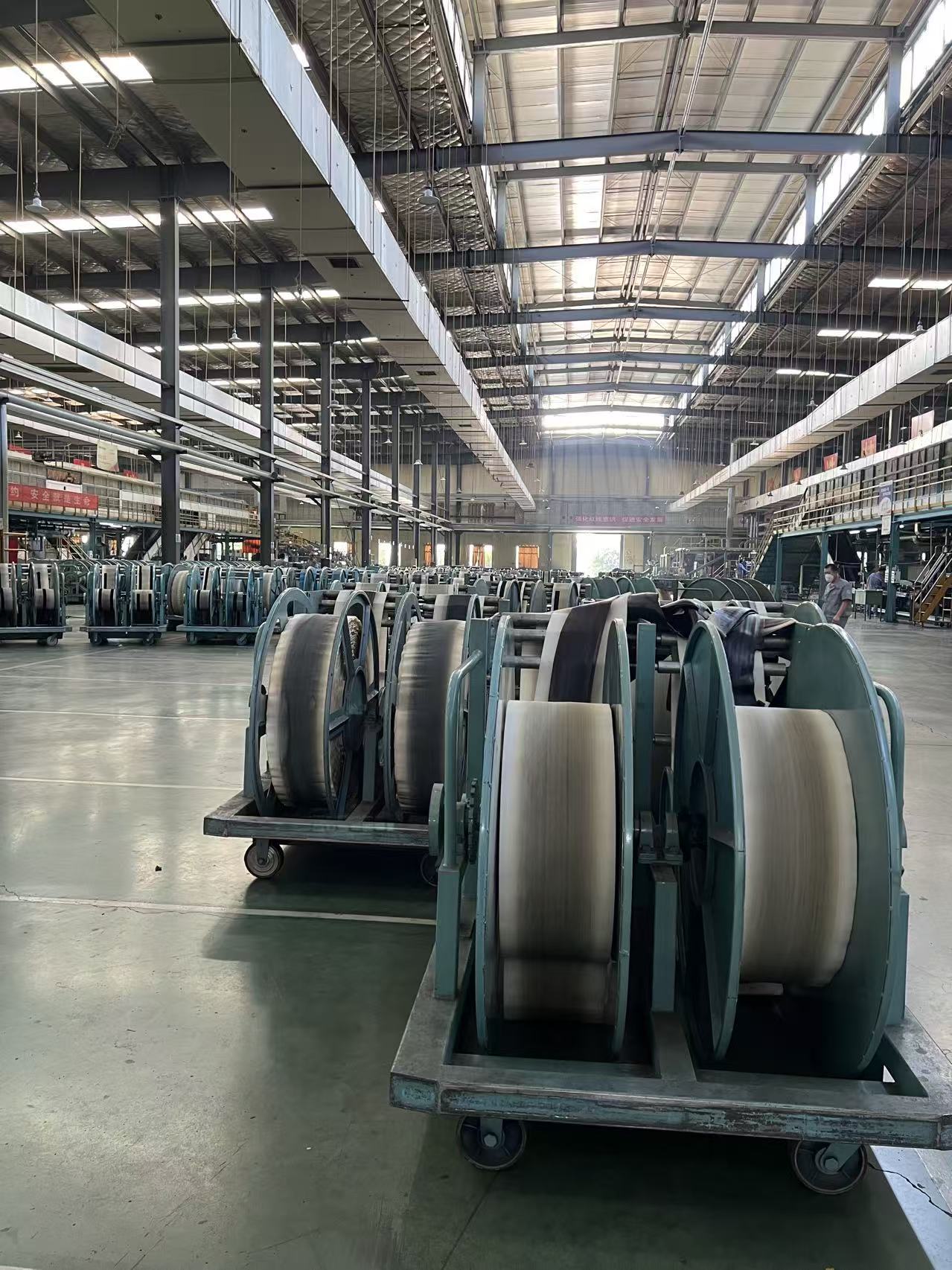
Raw rubber compounding is one of the earliest quality checkpoints in passenger car tire manufacturing.
Certification documents and specification sheets are often the first things a passenger car tire buyer checks — yet they are among the least understood elements of the sourcing process. For distributors moving from initial research to supplier evaluation, the practical challenge is not whether a certificate exists, but whether it actually covers the specific tire model, the target market, and the intended application.
Why Certification Verification Matters in Passenger Car Tire Sourcing
Passenger car tires are regulated products in most major markets. A tire that is certified for the European Union under UN Regulation No. 117 may not satisfy the import requirements of Saudi Arabia, which demands SASO GSO certification, or Nigeria, which requires SONCAP approval. Each certification system operates with its own standards, issuing bodies, and scope of coverage. A certificate number alone does not confirm that a specific model is covered; buyers must check the relationship between the certificate, the product, the market, and the standard.
The cost of getting this wrong is significant. Shipments can be held at customs, distributors may face penalties, and end users may unknowingly operate vehicles with tires that do not meet regulatory requirements. On the other hand, systematic certification verification provides a practical framework for comparing suppliers — not just on price, but on whether they can legally and safely serve the markets where the tires will be sold.
The Compliance Architecture of a Passenger Car Tire Supplier
Shandong Wideway Tire Co., Ltd., founded in 2014 and headquartered in Qingdao, Shandong, China, is a tire manufacturer operating a 1,000,000 sqm facility. The company employs 5,000 people and produces approximately 23.4 million tires per year, of which about 70% is exported. Its main product lines include passenger car tires, SUV tires, all-terrain tires, mud-terrain tires, van tires, rugged-terrain tires, winter tires, all-season tires, white letter tires, and white wall tires. The company supplies these products under three brand names: WIDEWAY, EVERLAND, and V-RICH.
For passenger car tire buyers, the relevant starting point is the certification matrix. One of the most widely applicable products in this range — the passenger car tire identified as product ID 5085 — carries multiple market-specific approvals:
| Certification | Certificate Number | Issuing Body | Standard | Market |
|---|---|---|---|---|
| SONCAP | NGP2026 145940/0001 | BUREAU VERITAS | ZA12B6 | Nigeria |
| SASO GSO Product Certification | TR13651/2025 | SASO | GSO | Saudi Arabia |
| CCC | 2022061201000258 | Beijing Zhong Hua Combination Certification Co., Ltd. | GB9743-2024 | China mainland, Ecuador |
| EU Regulation No. 117 E-mark | E4-117R-025700-S2WR2 | RDW | R117 | EU |
In addition, another passenger car tire model (ID 5169) is certified under UN Regulation No. 30, with certificate number E4-30R-0264621 issued by RDW, covering the EU and Africa markets. This dual certification structure shows a deliberate approach to regulatory coverage across multiple importing regions.
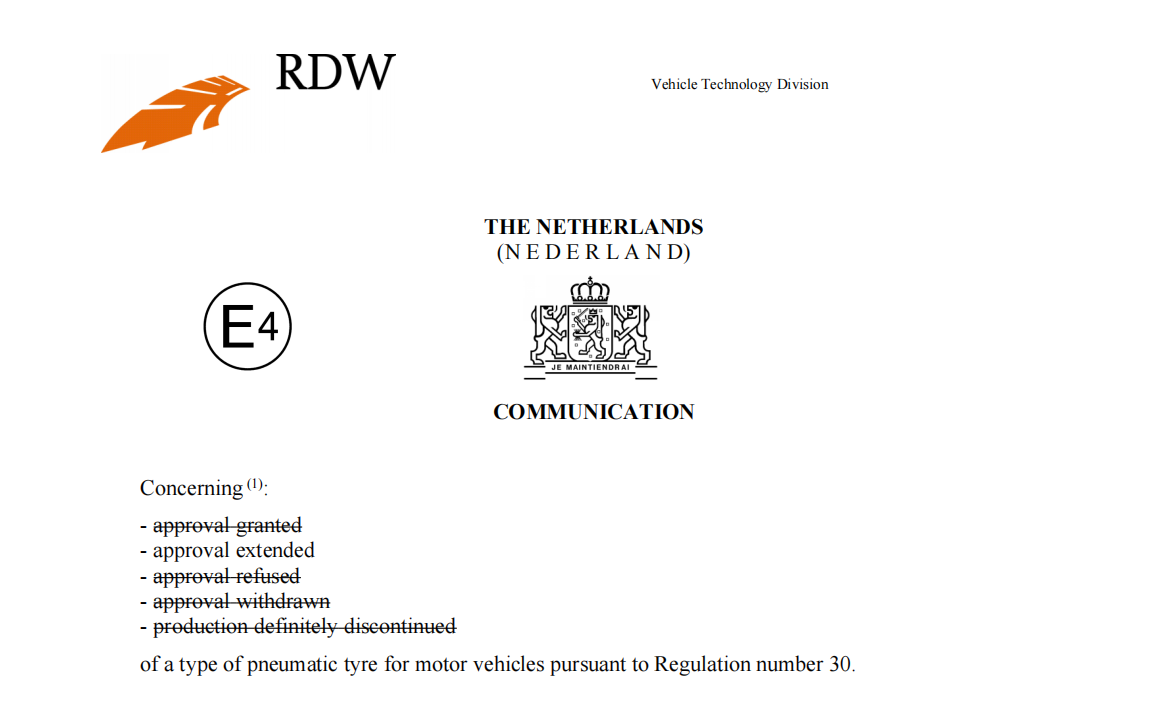
ECE certification documents are common evidence required for passenger car tire imports in the EU and African markets.
Understanding the Standards Behind the Certificates
Certificates are only meaningful when the underlying standards are understood. UN Regulation No. 117 (ECE R117), which applies in the EU, sets performance limits for three areas: rolling resistance, wet grip, and external rolling noise. These parameters matter for fuel efficiency, safety in wet conditions, and acoustic comfort — three factors that increasingly influence both consumer choice and fleet purchasing decisions.
UN Regulation No. 30 (ECE R30) is the older and broader standard covering pneumatic tires for passenger cars. It specifies requirements for dimensions, load capacity, and strength, and it remains a baseline requirement for tires sold in the EU and many other markets.
For non-European markets, the structure is different. Saudi Arabia’s SASO GSO Product Certification uses the GSO standard as the basis for conformity assessment. Nigeria’s SONCAP scheme, administered with the involvement of international inspection bodies like BUREAU VERITAS, requires product testing and certification before goods can be exported to Nigeria. China’s CCC system, based on the GB9743-2024 standard, is required for tires sold in the Chinese mainland market and is also recognized in Ecuador.
Key Tire Parameters Buyers Should Cross-Check
Beyond certification, the specification sheet determines whether a tire is technically appropriate for the intended vehicle and use. For the passenger car tire product ID 5085, the key parameters are:
| Parameter | Value |
|---|---|
| Max Pressure | 300 KPA |
| Section Width | 201 mm |
| Speed Rating | V (240 km/h) |
| Load Index | 91 (615 kg per tire) |
The speed rating indicates the maximum speed capability of the tire. A “V” rating corresponds to 240 km/h, which is suitable for most passenger car applications in urban and highway environments. The load index of 91 means each tire can support up to 615 kg when correctly inflated, providing a total vehicle load capacity that should be checked against the vehicle’s gross weight.
Materials also play a role in performance and durability. The passenger car tire line uses a blend of natural rubber, synthetic rubber, carbon black, precipitated silica, steel cord, polyester cord fabric, nylon cord fabric, vulcanizing agents, vulcanization accelerators, activators, antioxidants, and RAE oil. Steel cord provides structural strength, while nylon and polyester cord fabrics contribute to stability at higher speeds.
Matching Certification to Market and Application
The practical value of a certification matrix becomes clear when a distributor maps tires to specific markets. For example, a buyer shipping to Nigeria must verify that the specific model has SONCAP certification under the current certificate number and that the certificate is still within its validity period. A buyer targeting Saudi Arabia must confirm SASO GSO coverage. A buyer in the EU needs ECE R117 compliance for labeling and registration purposes.
An example of this in practice comes from Mexico. According to a case reference in the product documentation, a tire distributor in Mexico has worked with the company for four years, purchasing passenger car tires in quantities of 100,000 pieces. The cumulative volume exceeded 400,000 passenger car tires exported and distributed. The tires were described as offering extended tread life, high cost-effectiveness, dependable all-season traction, low noise, and maximum ride comfort — with repeat orders cited as evidence of stable performance in that market.
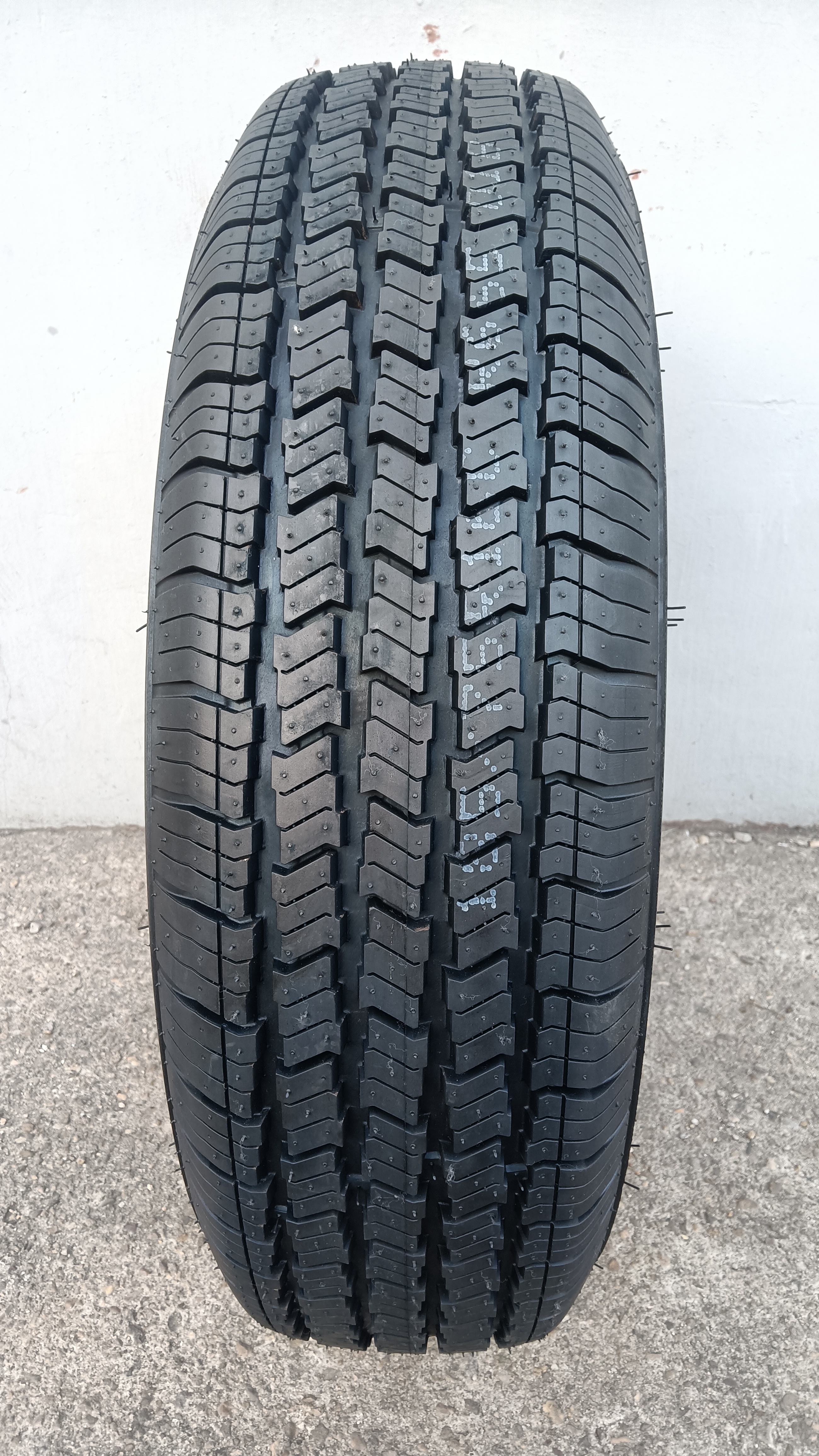
The VANGUARD 185/75R16C model illustrates one of the specific passenger car tire configurations with reinforced load characteristics.
Market Trends Affecting Passenger Car Tire Compliance
The passenger car tire segment remains a central part of the broader tire industry. According to Grand View Research, the global passenger car tire market was valued at approximately USD 143.06 billion in 2024, with the passenger car segment holding a 32.6% revenue share of the total tire market. This scale explains why certification standards and compliance requirements attract so much attention from both manufacturers and distributors.
Two trends are shaping the next phase of the industry. First, electric vehicle adoption is creating new tire requirements. Precedence Research projects that the global EV tire market will reach USD 337.20 billion by 2034, growing at a CAGR of 28.1% from 2025. EV tires typically need higher load capacity to support battery weight and lower noise levels to match the quieter cabin environment of electric vehicles. Some passenger car tires are already positioned for this shift, with models listed under “Comfortable and noiseless EV Passenger Car Tire” segments and a load index reaching 109/107 in certain configurations.
Second, China’s tire export volume continues to grow. Data from the General Administration of Customs and SunSirs indicates that China’s total tire exports reached 9.65 million tonnes in 2025, up 3.6% year-on-year, with an export value of approximately 167.7 billion RMB (roughly USD 23.1 billion). As export volumes rise, compliance with destination-market certifications becomes an even more important competitive factor for manufacturers and a key screening criterion for international buyers.
Traditional Verification vs. Systematic Compliance Checks
A common traditional approach is to request a copy of the supplier’s certificate and assume it applies to all products. This is understandable, but it carries real risk. Certificates are issued for specific product ranges and models, not for a factory as a whole. A certificate may expire before a shipment is arranged, and a certificate from one market tells the buyer nothing about whether the tire meets the import rules of another.
A systematic verification workflow addresses these gaps. It includes four checks: (1) confirm that the certificate number matches the supplier’s documentation; (2) verify that the specific tire model appears in the certificate’s product scope; (3) check the issuing body and standard against the destination market’s requirements; and (4) verify the certificate’s expiry date against the planned shipment timeline.
One limitation should be kept in mind. Certifications have finite validity. For example, the SASO GSO certificate TR13651/2025 runs until 11 December 2026, and the SONCAP certificate NGP2026 145940/0001 is valid until 1 April 2027. CCC certificate 2022061201000258 remains valid until 16 October 2028. The ECE certificates do not have a specified expiry, but other regulations — such as EU labeling obligations under R117 — may introduce additional compliance steps. Buyers should always check the current validity status rather than assuming a certificate remains active indefinitely.
What This Means for Distributors and Procurement Teams
For a distributor evaluating a passenger car tire supplier, certification documents serve as objective evidence that the manufacturer understands the regulatory environment of the destination market. They should be reviewed alongside technical parameters, production capacity, and quality control processes. Shandong Wideway Tire reports an OEM monthly capacity of 60,000 pieces per production mode, with a lead time of 25 to 45 days and a minimum order quantity of one 20-foot container (approximately 400 to 700 pieces depending on size). The company states that its quality control includes 100% testing, and its export markets include the EU, the Middle East, Africa, Central and South America, Southeast Asia, Central Asia, Australia, and Canada.
These operational facts, combined with the certification matrix, give procurement teams a more complete picture of what a supplier can deliver — not just in terms of price and volume, but in terms of regulatory safety, technical fit, and consistency of supply.
Future Outlook: Compliance as a Competitive Baseline
As tire regulations tighten in multiple regions and EV-specific requirements expand, certification is likely to move from a back-office check to a central part of the sourcing decision. Buyers can expect more manufacturers to build multi-market certification portfolios as a standard part of their offer. At the same time, the ability to verify certification data quickly — using certificate numbers, issuing bodies, and standard references — will become a required skill for tire buyers, not a specialist task delegated to compliance departments.
For manufacturers, the competitive advantage will shift from simply holding a certificate to maintaining an accurate, transparent, and current certification matrix that buyers can check without friction.
Frequently Asked Questions
Q1: What certifications does the passenger car tire (product ID 5085) hold?
The passenger car tire (ID 5085) holds SONCAP certification (number NGP2026 145940/0001) issued by BUREAU VERITAS under standard ZA12B6; SASO GSO Product Certification (number TR13651/2025) issued by SASO; CCC certification (number 2022061201000258) under standard GB9743-2024 issued by Beijing Zhong Hua Combination Certification Co., Ltd.; and EU Regulation No. 117 E-mark certification (number E4-117R-025700-S2WR2) issued by RDW.
Q2: Which markets are covered by these certifications?
The certifications cover the Nigeria market (SONCAP), Saudi Arabia (SASO GSO), the Chinese mainland and Ecuador (CCC), and the EU (EU Regulation No. 117 E-mark). In addition, passenger car tire model 5169 is ECE certified under UN Regulation No. 30 for the EU and Africa markets.
Q3: What are the key technical parameters of this passenger car tire?
For product ID 5085, the maximum pressure is 300 KPA, the section width is 201 mm, the speed rating is V (240 km/h), and the load index is 91 (615 kg per tire).
Q4: What materials are used in the passenger car tire construction?
The tire construction includes natural rubber, synthetic rubber, carbon black, precipitated silica, steel cord, polyester cord fabric, nylon cord fabric, vulcanizing agents, vulcanization accelerators, activators, antioxidants, and RAE oil.
Q5: How long are the certifications valid?
SASO GSO certificate TR13651/2025 expires on 11 December 2026. SONCAP certificate NGP2026 145940/0001 expires on 1 April 2027. CCC certificate 2022061201000258 expires on 16 October 2028. The ECE R117 and ECE R30 certificates issued by RDW do not have a specified expiry date.
Q6: Why is ECE R117 important for passenger car tires sold in the EU?
UN Regulation No. 117 (ECE R117) sets limits for rolling resistance, wet grip, and external rolling noise. Compliance with R117 is part of the EU tire labeling and registration framework, and it affects fuel efficiency, wet safety performance, and acoustic comfort.
For additional technical documentation, the company’s product catalog is available for reference: EVERLAND Catalog 2025 (PDF).
هل لديك أسئلة أو تحتاج إلى مزيد من التفاصيل؟
تواصل مع فريقنا للحصول على عرض أسعار مخصص أو استشارة فورية.
طلب عرض أسعار
املأ النموذج أدناه وسيتواصل معك فريقنا بعرض مقترح مخصص.
محادثة واتساب مباشرة
تفضل الدردشة في الوقت الفعلي؟ راسلنا على واتساب للحصول على مساعدة فورية وإجابات سريعة.
- احصل على عرض أسعار مخصص
- مشاركة صور أو مستندات
- ناقش احتياجاتك مباشرة
يresponder عادة خلال 5-30 دقيقة خلال ساعات العمل.