
How to Verify Push Pull Connector Supplier Quality: Key Benchmarks for 2026 Buyers
For procurement professionals sourcing push pull connectors, the ability to accurately assess supplier quality is arguably the difference between a reliable supply chain and recurring field failures. With global demand for circular push pull connectors, medical push pull connectors, and industrial push pull connectors rising steadily—projected at a CAGR of 5.8% through 2030—the market is flooded with options. Yet not every manufacturer delivers consistent performance, especially under demanding conditions such as high vibration, continuous mating, or biocompatible environments. This article outlines the critical benchmarks that buyers should use to evaluate push pull connector suppliers, illustrated through the capabilities of Shenzhen-based manufacturer BEXKOM.
The Procurement Challenge: Beyond the Datasheet
A typical datasheet for a push pull connector lists pin count, current rating, IP level, and mating cycles. But what guarantees that the actual product matches those numbers? Too often, buyers discover discrepancies only after integration—poor contact resistance, premature wear, or failure in salt spray tests. The solution lies in a systematic verification framework that covers four dimensions: certification compliance, manufacturing capability, material traceability, and real-world validation.
Certification Compliance: The First Filter
Reputable suppliers invest in third-party certifications that prove adherence to international standards. For instance, BEXKOM holds ISO9001 (ZK2025060258206) and ISO13485 (ZK202504252281) management system certifications, ensuring consistent process control. Their push pull connectors also comply with RoHS, REACH (OBCR240524010), and UL (Baide-BEXKOM-UL-001) requirements. A UL report is particularly critical for buyers targeting the North American market, as it validates electrical safety under standard conditions. Additionally, COC reports covering IEC 62321 confirm that materials are free from restricted substances—a must for medical and consumer electronics applications.
Technical Benchmarks That Matter
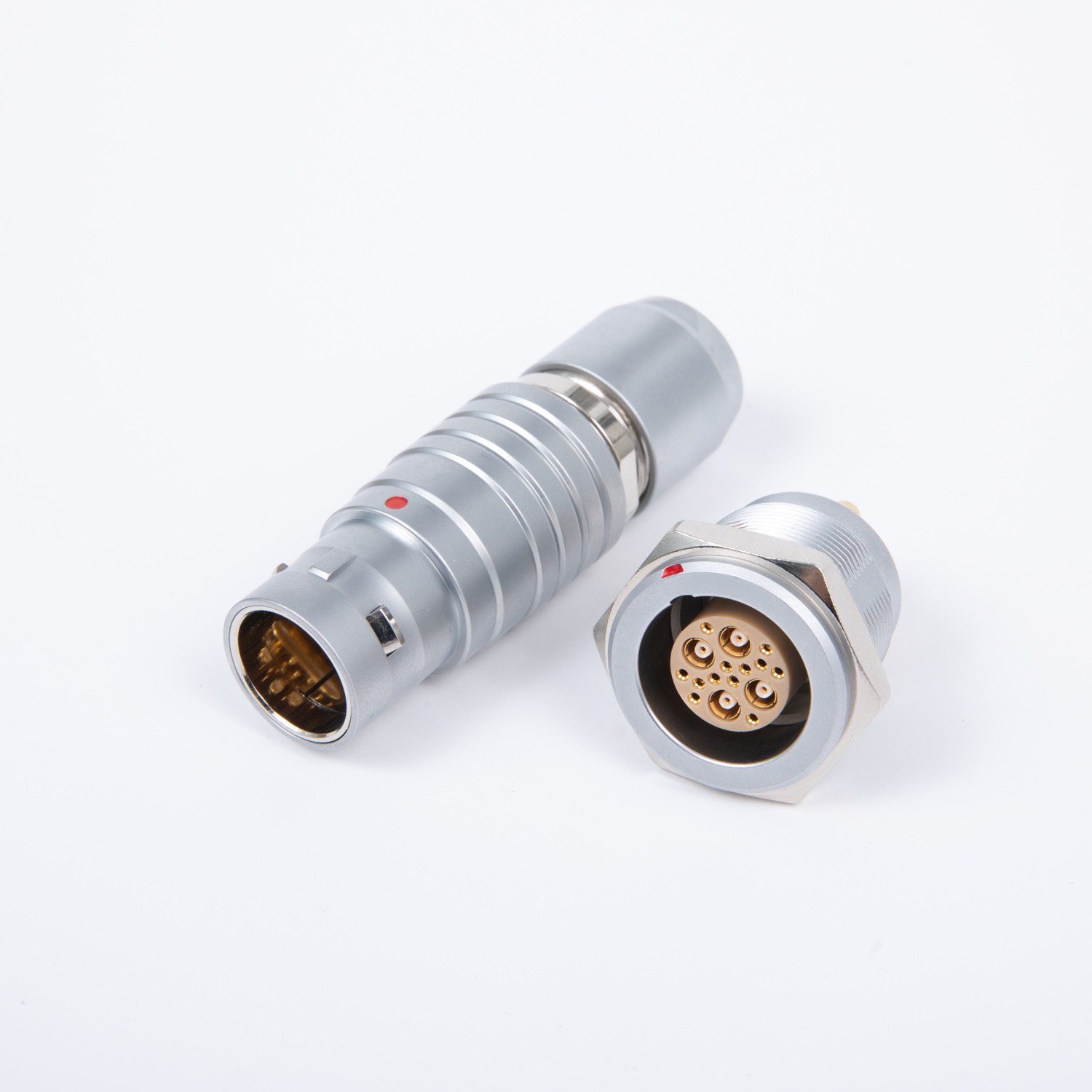
When evaluating push pull connector quality, focus on parameters that directly impact reliability. BEXKOM’s BK-B-XXX series, for example, offers:
- Mating cycles: >5,000 times (vs. industry average 2,000–3,000 for push-pull types)
- Salt spray resistance: 96 hours (indicative of corrosion protection for industrial environments)
- Operating temperature range: -55°C to 250°C (suitable for both medical sterilisation and high-heat industrial settings)
- Contact plating: Brass gold-plated (ensures low contact resistance < 5mΩ and prevents oxidation)
- Shock resistance: 100g/6ms and vibration resistance 10–2000Hz, 15g (critical for automotive and military applications)
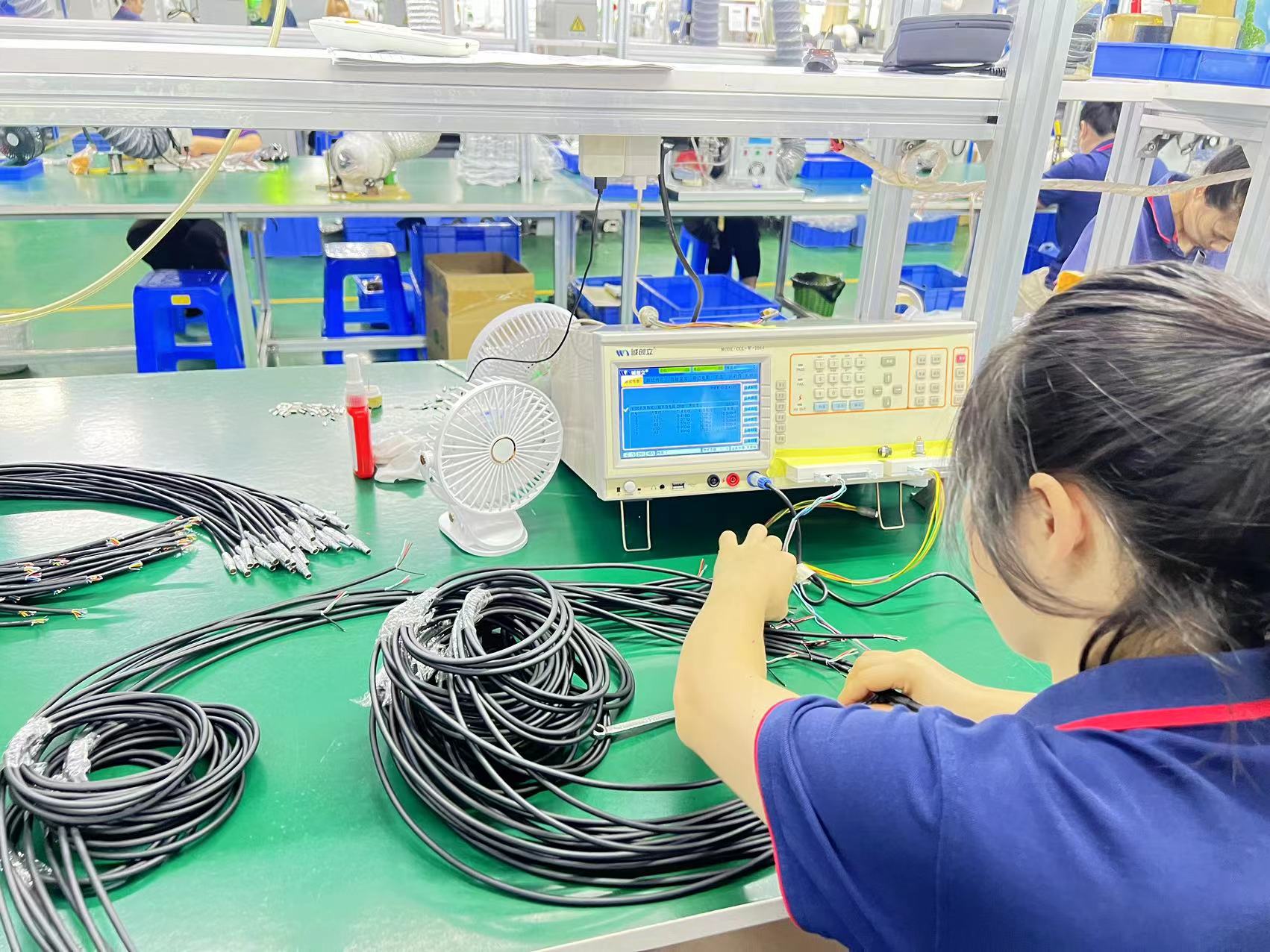
These figures are not just marketing claims; they are verifiable through test reports. BEXKOM provides 100% OQC testing on electrical continuity and insulation voltage before shipment, and backs products with a 12-month quality guarantee.
Real-World Validation: Cases from the Field
A German automotive testing client has used BEXKOM’s push pull connectors for five years, with 20,000 units deployed in crash test simulators. The key requirement was vibration resistance and quick mating/demating—both validated in continuous operation. Similarly, a US medical ODM sourced 10,000 units of BEXKOM’s medical push pull connectors (P series) for patient monitors, citing fast delivery and low cost as decisive factors. These cases demonstrate that quality extends beyond lab specs to include supply chain agility and cost efficiency.

Comparing Supplier Value Propositions
How does BEXKOM stack up against established European brands? Independent comparisons reveal that BEXKOM offers a 50% lower price than LEMO, Fischer, and ODU counterparts, with lead times of 3–15 days versus typical 6–12 weeks. Performance-wise, BEXKOM’s push pull connectors deliver the same shock/vibration ratings and similar electrical performance. The trade-off is not in quality but in brand premium—making BEXKOM an ideal choice for cost-conscious buyers who still demand high reliability.
Risk Control Measures Buyers Should Demand
A sophisticated supplier will have explicit risk controls. BEXKOM’s contact surface is gold-plated to a thickness of ≥0.5μm, and every batch undergoes 100% outgoing QC. They also offer free tooling design for custom projects and maintain a dedicated sample team that delivers prototypes within two weeks. For procurement managers, these operational details are as important as the product spec.
Market Trends Shaping Push Pull Connector Procurement
Three trends dominate the 2026 landscape: (1) increasing demand for waterproof push pull connectors (IP67/IP68) in outdoor and wash-down environments; (2) shift toward custom push pull connectors as OEMs seek differentiation; and (3) tighter regulatory scrutiny on REACH and UL compliance, especially for EU and US markets. Suppliers like BEXKOM that already hold these certifications are better positioned to serve global buyers.
Future Outlook: Building Long-Term Partnerships
The cost of switching suppliers in mid-production is high. A robust quality assessment framework—combining certification verification, parameter comparison, case study analysis, and risk control audits—enables buyers to make informed decisions. BEXKOM, with its 130 employees, 3,500m² factory, and annual output of 2 million units, represents a scalable partner for both standard and custom push pull connectors. As the industry pushes for faster turnaround and higher reliability, suppliers that invest in in-house mold design, CNC machining, and automated assembly will lead the next phase.