
دليل اختيار محرك خطوة هجين: مقارنة المنتجات وتحليل الموردين والمصادر الاستراتيجية للمشترين الصناعيين
Introduction: Navigating the Hybrid Stepper Motor Sourcing Landscape
For industrial procurement professionals and automation engineers, selecting the right hybrid stepper motor and its supplier is a critical decision that impacts machine performance, reliability, and total cost of ownership. The market presents a complex choice between different motor types and a diverse supplier base, ranging from established international brands to dynamic Chinese manufacturers. This guide provides a structured, data-driven framework to cut through the noise. We will compare key product types, analyze supplier profiles, and present a practical decision model, culminating in a real-world case study that highlights the value proposition of sourcing from a technologically advanced, globally integrated manufacturer like ACT MOTOR.
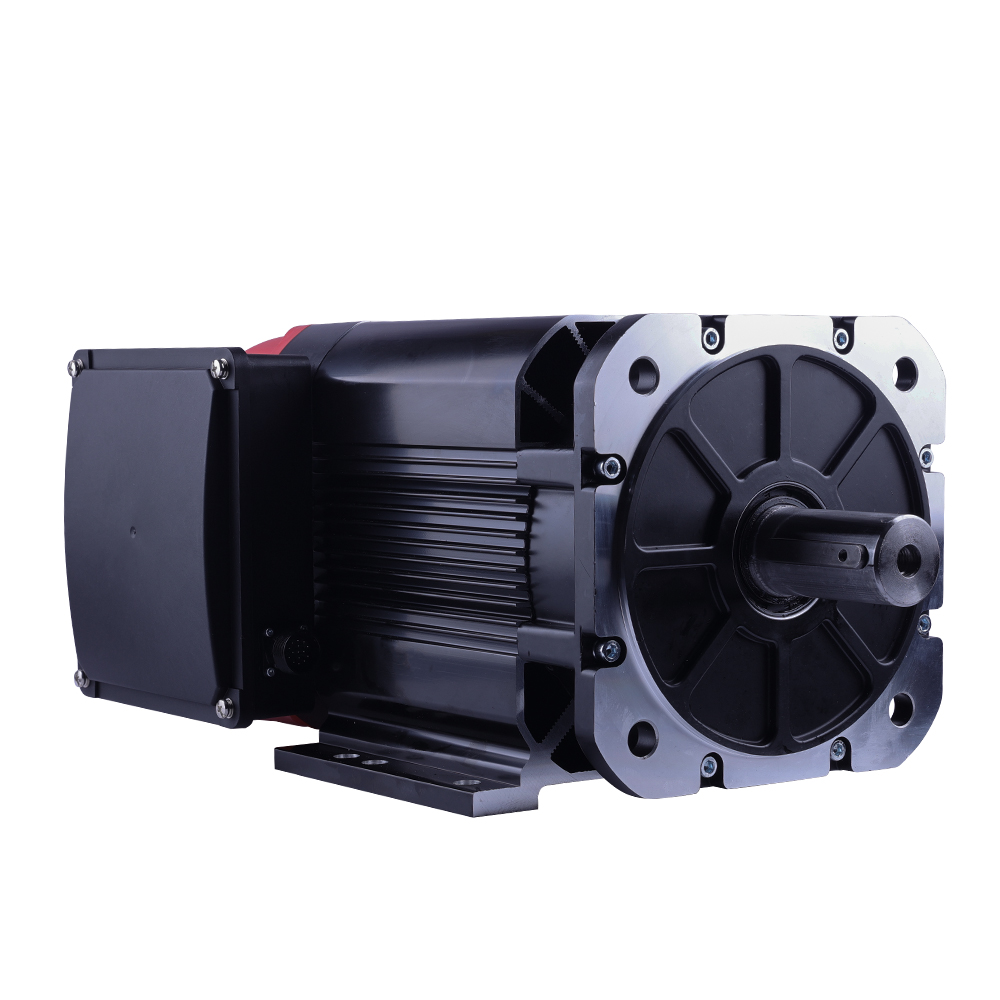
Product Type Comparison: Standard Hybrid vs. Integrated Closed-Loop
A fundamental choice lies in selecting the motor technology that matches the application's precision and reliability demands. Let's compare a standard NEMA 23 Hybrid Stepper Motor with an Integrated Closed-Loop Stepper Motor (like a NEMA 23 size with encoder and driver).
Technical Parameters & Performance
- Standard Hybrid Stepper: Operates in open-loop control. Typical holding torque for a NEMA 23 frame ranges from 1.2 Nm to 2.8 Nm. Accuracy is defined by the step angle (e.g., 1.8° or 0.9° per full step), but can suffer from missed steps under varying loads or high acceleration.
- Integrated Closed-Loop Stepper: Incorporates a rotary encoder for position feedback. It maintains the torque range of its standard counterpart but uses the driver to monitor and correct position in real-time. This eliminates the risk of lost steps, effectively turning the stepper into a servo-like system for many applications.
Application Scenarios
- Standard Hybrid Stepper: Ideal for cost-sensitive applications with consistent, predictable loads. Perfect for stepper motors for textile machinery (controlling feed rollers), basic dispensing systems, or conveyor indexing where occasional stalling is not catastrophic.
- Integrated Closed-Loop Stepper: Essential for applications where precision and reliability are paramount. This includes closed-loop stepper motors for industrial robots (for joint control), stepper motors for syringe pumps in medical devices, and High-Precision Hybrid Stepper Motor applications in automated optical inspection.
Cost & Maintenance Considerations
- Cost: An integrated closed-loop system typically carries a 30-50% price premium over a standard stepper and separate driver setup, due to the added encoder and more sophisticated control electronics.
- Maintenance: Standard steppers are simpler, with fewer components to fail. Closed-loop systems, while more reliable in operation, have greater complexity in the integrated electronics. However, suppliers like ACT MOTOR design these systems for durability, adhering to ISO9001 and ROHS-Compliant standards to ensure long-term stability and ease of integration, reducing overall system maintenance headaches.
Supplier Profile Analysis: Chinese Source Factory vs. International Brand
The choice between a Chinese manufacturer and a traditional international brand (e.g., Schneider Electric, Moons', or Sanyo Denki) involves trade-offs across several key dimensions.
Price Competitiveness
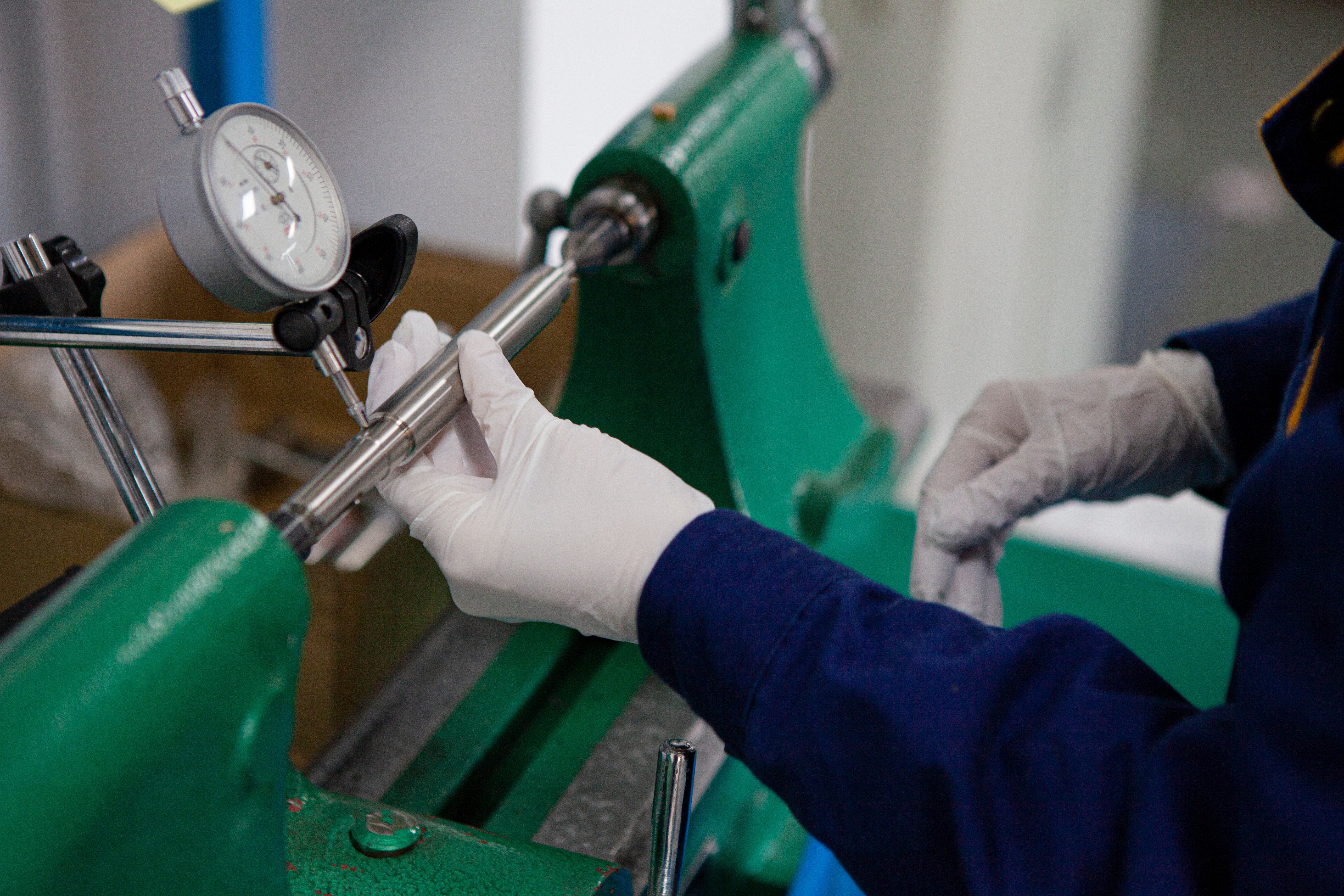
Chinese source factories like Changzhou ACT Motor Co., Ltd. typically offer a significant price advantage, often 20-40% lower for equivalent specifications, due to integrated manufacturing, economies of scale, and lower operational overhead. This allows for more aggressive costing on projects requiring High-torque stepper motors for automated packaging lines or large-volume OEM orders.
Customization & Engineering Support
This is where the landscape has shifted dramatically. While international brands offer standard catalog products, leading Chinese manufacturers now excel in customization. ACT MOTOR, for instance, provides extensive modifications: different shaft designs, custom Geared Stepper Motors ratios, integrated Brake Stepper Motors, special windings, and the development of Intelligent Load-Adaptive solutions. Their in-house R&D team works directly with clients to adapt Lead Screw Stepper Motors or ball screw stepper motors for specific linear motion needs.
Lead Time & Logistics
International brands often rely on regional warehouses, which can be fast for standard items but slow for specials. Chinese factories control production schedules. ACT MOTOR's 70,000 sqm facility enables flexible production runs. For standard models, lead times can be as short as 2-3 weeks. Their strategic presence, including a branch in Bremen, Germany, streamlines logistics and inventory for European clients, effectively bridging the lead time gap.
Service & Technical Support Network
International brands have longstanding, widespread distributor networks. Chinese suppliers are building robust global support. ACT MOTOR exemplifies this with its German office for deep European market support and domestic offices in Shanghai and Jinan. This structure provides localized technical assistance, mirroring the responsiveness expected from global brands.
A Three-Step Decision Framework for Procurement
Follow this logical sequence to make an informed sourcing decision.
Step 1: Precisely Define the Application Scenario
Is this for a Medical Equipment Hybrid Stepper Motor requiring absolute silence and reliability, or a Logistics Sorter Pushing Hybrid Stepper Motor needing high torque for short, rapid movements? Document the duty cycle, environmental conditions (temperature, dust), required precision, and criticality of operation. This will dictate the choice between standard, closed-loop, or specialized motors like 8HS Hybrid Stepper Motors.
Step 2: Match Core Technical Parameters
Based on the scenario, specify:
- Frame Size (NEMA or Metric): e.g., NEMA 17, 23, 34.
- Torque Requirements: Holding torque and required torque across the speed curve.
- Motion Profile: Speed, acceleration, and resolution (step angle).
- Interface & Accessories: Need for an integrated gear box stepper motor, brake, or specific connector type.
Step 3: Conduct Total Cost of Ownership (TCO) Analysis
Look beyond unit price. Calculate:
- Initial Cost: Motor, driver (Stepper Motor Drivers), cabling.
- Integration Cost: Engineering time for custom design, if needed.
- Operational Cost: Energy efficiency, expected maintenance.
- Risk Cost: Potential downtime due to failure or long lead times for replacements.
Case Study: Sourcing Success with a Chinese Technology Leader
Client Profile: A European manufacturer of automated bench-top laboratory equipment for pharmaceutical research.
Challenge: Needed a compact, highly reliable, and precise linear actuator for a microplate handling module. The application required sub-millimeter positioning accuracy, quiet operation, and a compact form factor. Traditional suppliers offered standard NEMA8 Hybrid Stepper Motors with separate lead screws and mounts, leading to a bulky assembly and integration challenges.
Solution & Supplier Selection: The manufacturer evaluated several international catalogs and Chinese suppliers. ACT MOTOR was selected based on:
- Custom Design Capability: ACT MOTOR's engineers proposed a fully integrated stepper motor solution—a custom NEMA 11 frame stepper motor with encoder pre-coupled to a precision ground ball screw (ball screw stepper motors), delivered as a single, pre-aligned unit.
- Technical Compliance: The motor was designed to meet ROHS and CE standards, with materials suitable for clean-room adjacent environments. ACT MOTOR provided all necessary certification documents upfront.
- Cost and Lead Time: The integrated unit cost 25% less than sourcing and assembling separate components from a European brand. The prototype was delivered in 5 weeks, and production batch lead time was 6 weeks.
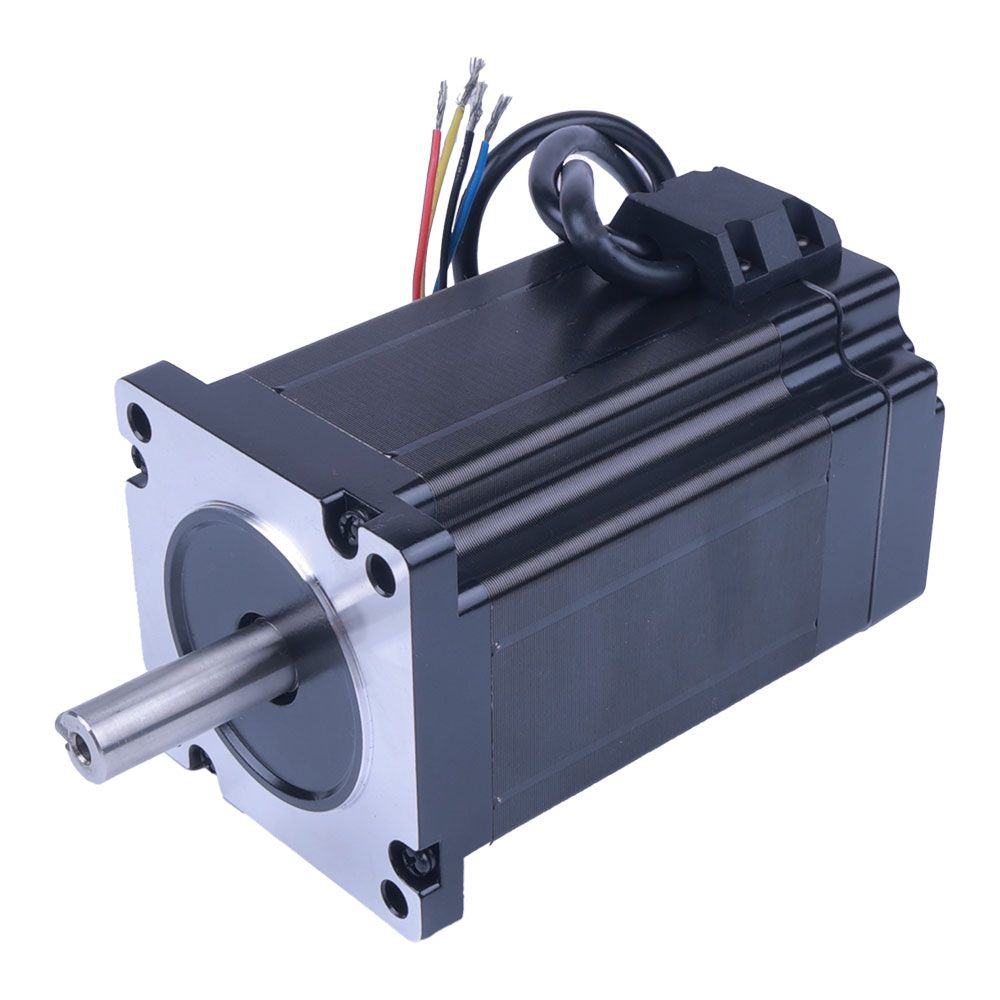
Result: The custom integrated module reduced the client's assembly time by 60%, improved system reliability by eliminating alignment issues, and met all precision and noise specifications. The successful partnership led to the standardization of ACT MOTOR components across multiple product lines, leveraging ACT MOTOR's portfolio of servo motors and brushless motors for other axes of motion.
Conclusion: Strategic Sourcing in the Modern Automation Era
The hybrid stepper motor market is no longer defined by a simple dichotomy of "cheap East" vs. "premium West." The emergence of technologically sophisticated, quality-focused Chinese manufacturers like Changzhou ACT Motor Co., Ltd. has redefined the value proposition. For procurement specialists, the winning strategy involves a clear-eyed application analysis, followed by engaging with suppliers that demonstrate not just manufacturing scale, but also engineering depth, quality certifications (ISO9001, CE, RoHS), and a genuine global support footprint.
Suppliers such as ACT MOTOR, with their extensive R&D, commitment to standards (view their CE Certificate and ROHS Motor Certificate online), and hybrid business model combining Chinese manufacturing efficiency with localized Western support, represent the new benchmark. They enable buyers to achieve the optimal balance of performance, customization, cost, and supply chain security, which is the ultimate goal of strategic procurement in industrial automation.
Contact ACT MOTOR for Your Motion Solution:
Phone/WhatsApp: +86 13961261588
Email: market@act-motor.com
Website: www.act-motor.com
Address: No.18, Boyang Road, Jintan Area, Changzhou, Jiangsu, China