
Hydraulic Baler Machines as Long-Term Assets: Service, Quality, and Partnership
In the industrial waste processing sector, selecting a hydraulic baler machine supplier is not a one-time purchase—it is an operational partnership that can span years. For buyers evaluating equipment for rubber, plastic, paper, or metal waste streams, the decision between manufacturers often hinges on post-purchase support, production reliability, and the supplier's long-term viability. This article examines the ecosystem of hydraulic baler machines from the perspective of a buyer seeking a stable, service-oriented partner.
The Procurement Reality: Machine Cost vs. Total Cost of Ownership
While initial price and technical specifications dominate early-stage evaluations, the long-term cost of downtime, spare parts availability, and after-sales service often exceeds the machine's purchase value. The global baler machine market, valued at approximately USD 6.6 billion in 2024 and projected to reach USD 11.4 billion by 2035, reflects increasing automation and higher throughput demands. However, without a reliable service backbone, even the most advanced press hydraulic baler machine cannot deliver consistent returns.
Jewel’s Ecosystem: From 100% Testing to Lifelong Support
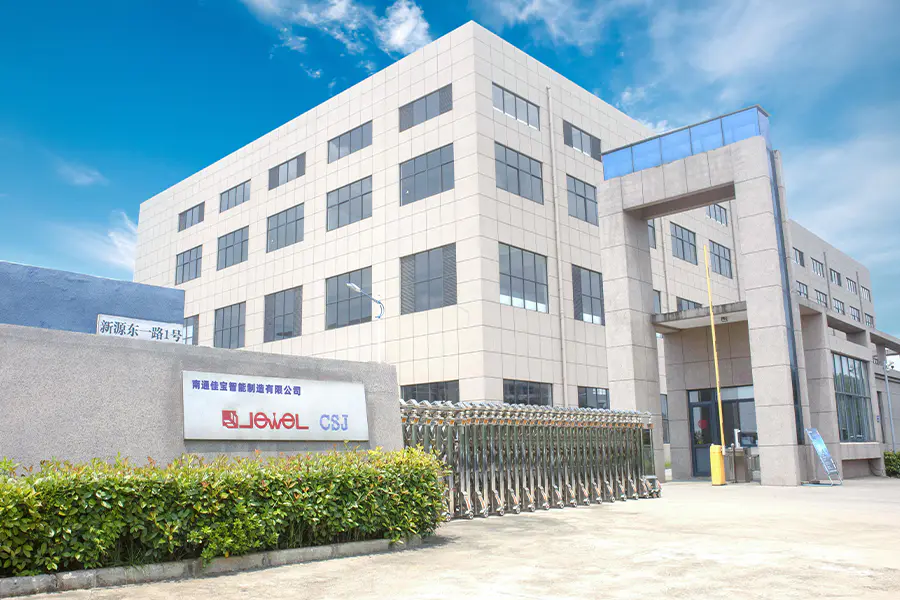
Nantong Jiabao Machinery Co., Ltd., operating under the brand Jewel and headquartered in Rugao City, China, has structured its operations around partner longevity. Established in 2006 (with brand roots dating to 1995), the company occupies a 50,000 m² facility with a team of over 200 professionals. Key operational commitments include:
- 100% testing quality control before every shipment, ensuring each fully automatic hydraulic baler or semi-automatic model leaves the factory as specified.
- Monthly production capacity of 100 units, enabling consistent lead times (typically 60 days) for busy recycling plants and distributors.
- Lifelong maintenance, free training services, a 7×24h technical hotline, and 48-hour on-site support – a service promise rarely matched by generic suppliers.
How the Service Ecosystem Works in Practice
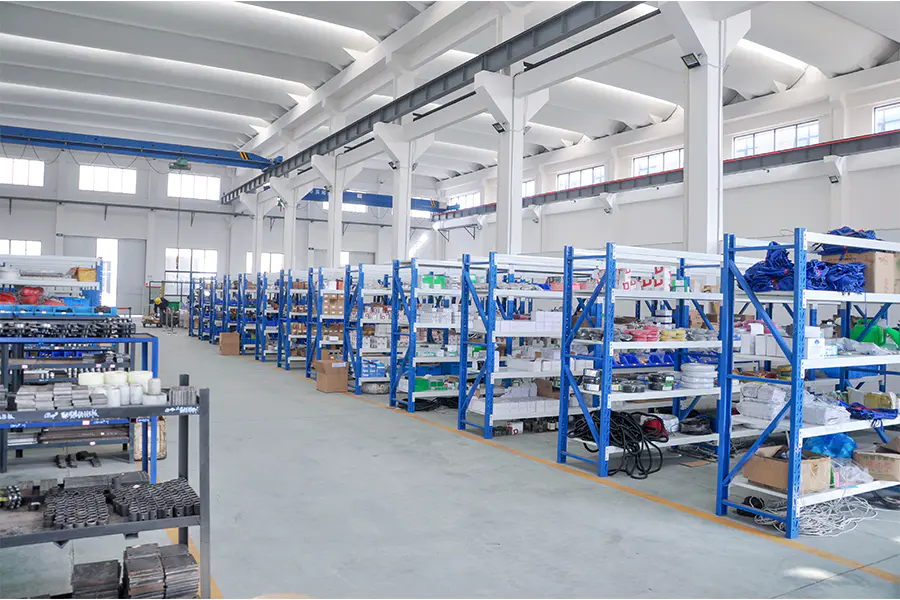
Jewel’s support structure is built for industrial environments where unplanned downtime directly erodes profit margins. The company stocks standardized spare parts (imported hydraulic seals, PLC components, auto-strapping devices) to minimize repair delays. When a fault occurs, the technical team can be dispatched within 48 hours. For operators, free training covers machine programming, routine maintenance, and safety protocols—reducing misoperation risks.
This approach is reinforced by the machine design itself. Jewel’s hydraulic baler machines feature PLC + touch screen control, three-side convergent compression, automatic feeding/detection/strapping, and dual-motor power-saving circuits. The variable frequency option can reduce energy consumption by 30% compared to traditional fixed-frequency models—a direct operational saving that compounds over years.
Risk Mitigation for Distributors and Large Operations
For partners purchasing multiple units or entering long-term supply agreements, Jewel incorporates multi-layered safety and risk controls:
- Safety interlock & emergency stop to prevent operational hazards.
- Imported hydraulic seals to avoid oil leakage, a common failure point in hydraulic systems.
- PLC overload auto-cutoff protection to prevent electrical component damage.
- CE & ISO certification, full-inspection before delivery, and a 12-month official warranty.
These measures directly address the most frequent buyer concerns: hydraulic leakage, electrical overload, and delayed after-sales response.
Market Trends Driving the Shift to Service-Centric Suppliers
The industrial balers market, valued at USD 6.39 billion in 2024 and growing at a projected CAGR of 9.5% through 2032, is increasingly influenced by automation and labor reduction goals. Fully automatic horizontal balers now command a larger share, especially in waste paper, plastic bottle, and cardboard factory waste applications. Asia Pacific accounted for approximately 40.2% of the global revenue in 2024, reflecting both manufacturing concentration and rising recycling demand. In this climate, manufacturers that combine automation with robust service networks gain a competitive edge.
Comparison with Traditional Alternatives
Compared to traditional manual or fixed-frequency balers, Jewel’s automatic models deliver 16–22 bales per hour, reduce labor by up to 90%, and achieve <2% downtime. The upfront cost is slightly higher, but long-term savings from unmanned operation, higher bale density (lower transport cost), and energy efficiency offset the investment. One honest limitation: the advanced control system may require a baseline technical capability for maintenance; operators unfamiliar with PLC interfaces may need the free training to fully benefit.
Future Outlook: From Machine Vendor to Partner
As global waste volumes rise—China alone exported USD 288 million of baled waste paper scrap in 2025—the demand for reliable, service-backed hydraulic baler machines will intensify. Manufacturers like Jewel, which invest in factory capacity, spare parts inventory, and 7×24h response networks, are positioned to support partners through multiple decades of operation and technology upgrades.
Frequently Asked Questions
What is the monthly production capacity of Jewel hydraulic baler machines?
Jewel maintains a monthly production capacity of 100 units, with a typical lead time of 60 days for standard orders. All products undergo 100% testing quality control before shipment.
What kind of after-sales support does Jewel provide for hydraulic baler machines?
Jewel offers lifelong maintenance, free training services, a 7×24h technical response hotline, and 48-hour on-site support. Standard spare parts are stocked to reduce downtime.
What risk controls are built into Jewel hydraulic baler machines?
The machines include safety interlocks and emergency stop, imported hydraulic seals to prevent leakage, PLC overload auto-cutoff protection, and a protective enclosure on the feeding inlet.
How does a Jewel automatic baler compare to a traditional fixed-frequency model?
Jewel’s automatic models achieve 16–22 bales per hour, reduce labor by 90%, and feature a dual-motor design that can lower energy consumption by 30% versus traditional models. Upfront cost is slightly higher but offset by long-term operational savings.
Learn More
For detailed specifications, certifications, and company profiles, download the latest Jewel Machinery brochure (PDF, 10 MB).
Contact Jewel: Nina | Email: jiabao@csj-baler.com | Tel/WhatsApp: +86 187-2181-4932
Address: No.1 Xinyuan East 1st Road, Rugao City, Jiangsu, China | Website: www.jewelbaler.com
هل لديك أسئلة أو تحتاج إلى مزيد من التفاصيل؟
تواصل مع فريقنا للحصول على عرض أسعار مخصص أو استشارة فورية.
طلب عرض أسعار
املأ النموذج أدناه وسيتواصل معك فريقنا بعرض مقترح مخصص.
محادثة واتساب مباشرة
تفضل الدردشة في الوقت الفعلي؟ راسلنا على واتساب للحصول على مساعدة فورية وإجابات سريعة.
- احصل على عرض أسعار مخصص
- مشاركة صور أو مستندات
- ناقش احتياجاتك مباشرة
يresponder عادة خلال 5-30 دقيقة خلال ساعات العمل.