
Hydraulic Baler Machines: Lifetime Service and Quality Assurance for Global Operations
Industry Context: Why Service Infrastructure Matters in Hydraulic Baler Procurement
The global baler machine market, valued at USD 6.6 billion in 2024, is projected to reach USD 11.4 billion by 2035, with industrial balers alone accounting for USD 6.39 billion and a CAGR of 9.5% through 2032. As recycling volumes and regulatory pressures increase, buyers are shifting focus from upfront price to total cost of ownership and long-term partnership reliability. For procurement teams moving from evaluation to execution, the key differentiator is no longer just machine specs — it is the manufacturer's ability to guarantee sustained performance through after-sales capacity, training, and parts availability.
Problem & Opportunity: The Hidden Cost of Under-Supported Equipment
Traditional baler purchases often overlook the operational risks of delayed maintenance, scarce spare parts, and untrained operators. These gaps directly impact uptime and bale quality, eroding ROI over the machine's lifespan. The opportunity lies in selecting a supplier that treats post-sale support as part of the product, not an add-on — especially for buyers serving high-volume, multi-material recycling lines across regions like Asia Pacific, which commanded 40.2% of the global baler market in 2024.
Brand Solution: Jewel Machinery's Ecosystem for Long-Term Reliability
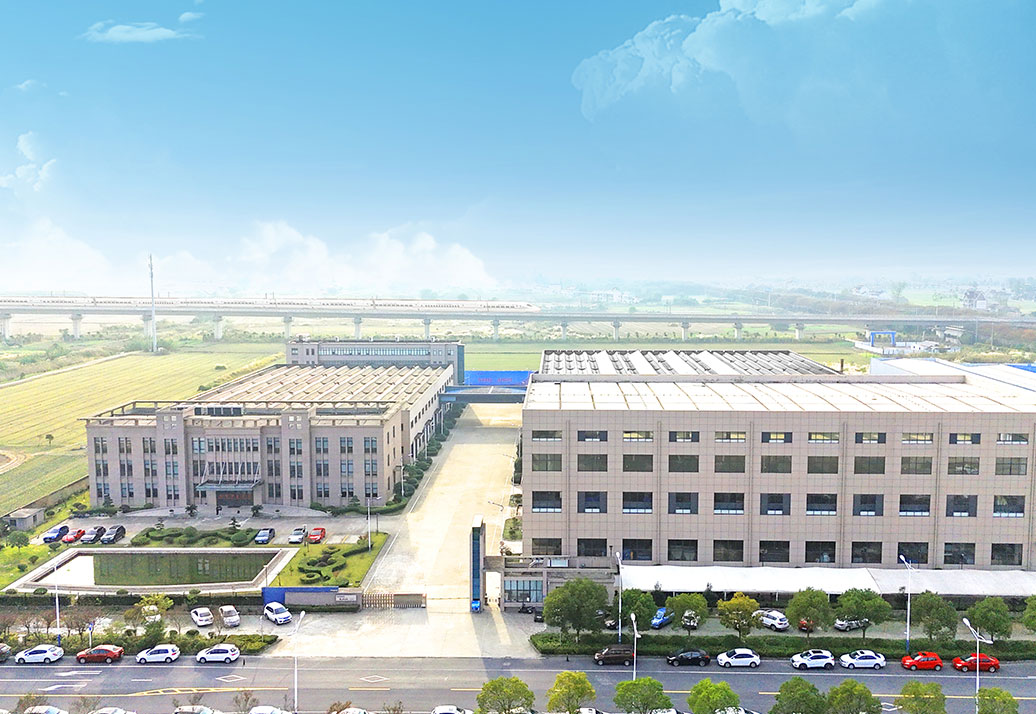
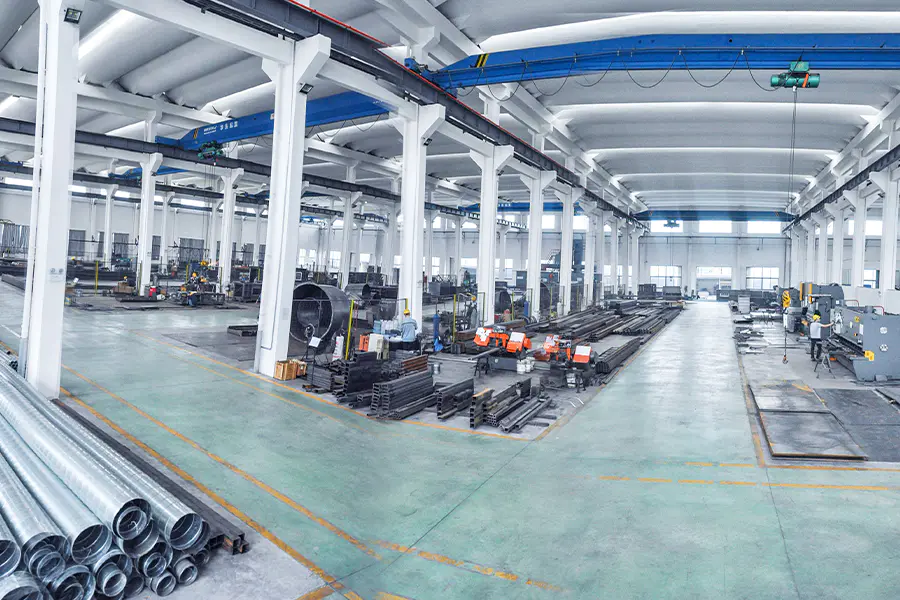
Nantong Jiabao Machinery Co., Ltd. (branded as Jewel) is a Chinese manufacturer specializing in the research, development, and production of environmentally friendly hydraulic compression and baling equipment. Established in 2006 (brand founded 1995), the company operates a 50,000 m² modern facility with over 200 professionals, including 30 R&D engineers, and exports 70% of its output to Australia, Europe, North America, Africa, Asia, Russia, and Belarus.
Jewel's service ecosystem is built around three pillars:
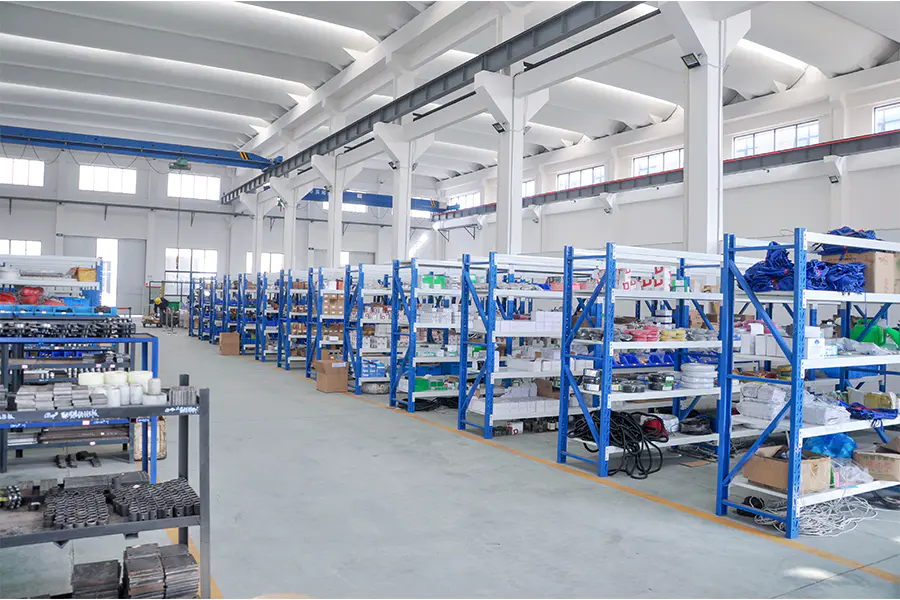
- Production capacity & quality control: Monthly production capacity of 100 units, with 100% testing quality control before shipment.
- After-sales support: 7×24h technical response, 48-hour on-site support, lifelong maintenance, and free operator training.
- Risk management: Safety interlock & emergency stop, imported hydraulic seals for leakage prevention, PLC overload auto-cutoff, and a protective enclosure on the feeding inlet. CE and ISO certifications are maintained.
Technical Differentiation: From Traditional to Intelligent Automation
Jewel's balers replace traditional manual and fixed-frequency machines with PLC + touch screen control, 3-side convergent compression, and automatic feeding, detection, and strapping. Key performance indicators include: 16–22 bales per hour (fully automatic models), 90% labor reduction, and less than 2% downtime. The dual-motor design (starting + booster) delivers power savings, and a variable-frequency option reduces energy consumption by 30% compared to fixed-frequency models. For example, the JPW20Q fully automatic horizontal baler (20 tons compression force) produces bales of 500×500×500 mm at 30–70 kg each, with 2–4 strapping channels, making it suitable for high-volume waste paper and plastic lines. The JPW40F semi-automatic horizontal baler (40 tons) handles bales up to 720×720×1300 mm for medium-sized recycling plants.
Application Scenarios Across Industries
Jewel's hydraulic balers serve waste paper recycling, plastic recycling, carton printing, textile waste processing, packaging manufacturing, and PET bottle recycling. Key models include:
- JP-OT100 Vertical Baler (100 tons): For bulky cardboard and soft plastics, producing bales of 1400×700×700–1100 mm.
- JPW40BL Plastic Bottle Recycling Machine (40 tons): Designed specifically for compressed PET bottles with bale weight of 250–350 kg.
- JPY-T60W Metal Baler (60 tons): Handles light metal scrap such as aluminum and steel filings.
- JPW-AK100 Aluminum Foil Baler (100 tons): Produces compact 320×320×200 mm bales for fiber-based materials.
Each model can be customized in voltage (e.g., 380V/50Hz) and is built from carbon steel for durability.
Market Trends Driving Adoption
Asia Pacific's dominance in baler demand (40.2% market share) is fueled by rapid industrialization and stricter waste management policies. The industrial balers segment is growing at 9.5% CAGR, with increasing preference for automated, low-maintenance solutions. In Europe, compliance with EN 16500:2014 and elsewhere ANSI Z245.5-2023 drives demand for certified equipment. Jewel's CE and ISO certification positions it for these regulated markets.
Honest Comparison with Traditional Solutions
Compared to traditional manual balers, Jewel's automatic machines have a slightly higher upfront cost. However, the total cost of ownership over 3–5 years is lower due to labor savings (unmanned operation), higher bale density (reducing transport costs by 20–30%), and lower energy consumption (30% reduction via variable frequency). Maintenance is simplified with standardized parts and a low failure-rate design. One limitation: for very small, single-material waste points processing under 5 tons per day, a simpler vertical baler may be more cost-justified.
Future Outlook
As global waste volumes rise and circular economy mandates tighten, baler buyers increasingly demand integrated solutions combining hardware, software, and service. Jewel's 100-unit monthly production capacity, together with its 60-day typical lead time and global service network, provides the scalability needed for long-term partnerships. The company's investment in intelligent compression and wrapping systems points the way toward a fully automated, zero-waste processing environment.
Frequently Asked Questions (FAQ)
- What is the monthly production capacity of the baler manufacturer?
- The manufacturer maintains a monthly production capacity of 100 units, with a typical lead time of 60 days and 100% testing quality control before delivery.
- What after-sales support is provided for hydraulic baler machines?
- The manufacturer offers 7×24h technical response with 48 hours on-site support, along with lifelong maintenance and free training services for operators.
- What safety features are included on Jewel balers?
- Machines are equipped with safety interlock and emergency stop, imported hydraulic seals to prevent oil leakage, PLC overload auto-cutoff protection, and a protective enclosure on the feeding inlet.
- How do Jewel's automatic balers compare to traditional fixed-frequency models?
- Jewel's PLC-controlled balers achieve 16–22 bales per hour, reduce labor by 90%, and cut energy consumption by 30% using variable-frequency drives; traditional models lack these automation and efficiency features.
- Is customization available for different voltages and materials?
- Yes. Voltage can be customized (standard 380V/50Hz), and machines are available for materials including waste paper, plastic, textiles, metals, and aluminum foil, with specific models designed for each.
Download the full product brochure for detailed specifications: Jewel Machinery Product Brochure 2026
هل لديك أسئلة أو تحتاج إلى مزيد من التفاصيل؟
تواصل مع فريقنا للحصول على عرض أسعار مخصص أو استشارة فورية.
طلب عرض أسعار
املأ النموذج أدناه وسيتواصل معك فريقنا بعرض مقترح مخصص.
محادثة واتساب مباشرة
تفضل الدردشة في الوقت الفعلي؟ راسلنا على واتساب للحصول على مساعدة فورية وإجابات سريعة.
- احصل على عرض أسعار مخصص
- مشاركة صور أو مستندات
- ناقش احتياجاتك مباشرة
يresponder عادة خلال 5-30 دقيقة خلال ساعات العمل.