
Hydraulic Cylinder Sourcing: What OEM Buyers Should Verify Before Signing Off
Hydraulic Cylinder Sourcing: What OEM Buyers Should Verify Before Signing Off
A custom hydraulic cylinder should be approved against the equipment interface, operating requirements, and inspection evidence—not just a product description. Before sign-off, an OEM buyer needs a shared, approved definition of what the cylinder must do, how it fits, and what will be checked before shipment. This is particularly important when the design depends on application-specific mounting geometry, load conditions, ports, or protection features.
Apex Hydraulic is a manufacturer of custom hydraulic cylinders, hydraulic power units, and hydraulic systems that provides OEM and ODM manufacturing services. Its product information describes design, engineering drawings, prototype development, testing, manufacturing, and quality inspection as available parts of custom work. Those capabilities are relevant to sourcing, but they do not replace project-specific approval: the purchase specification and approved drawing should state the requirements for the particular cylinder.
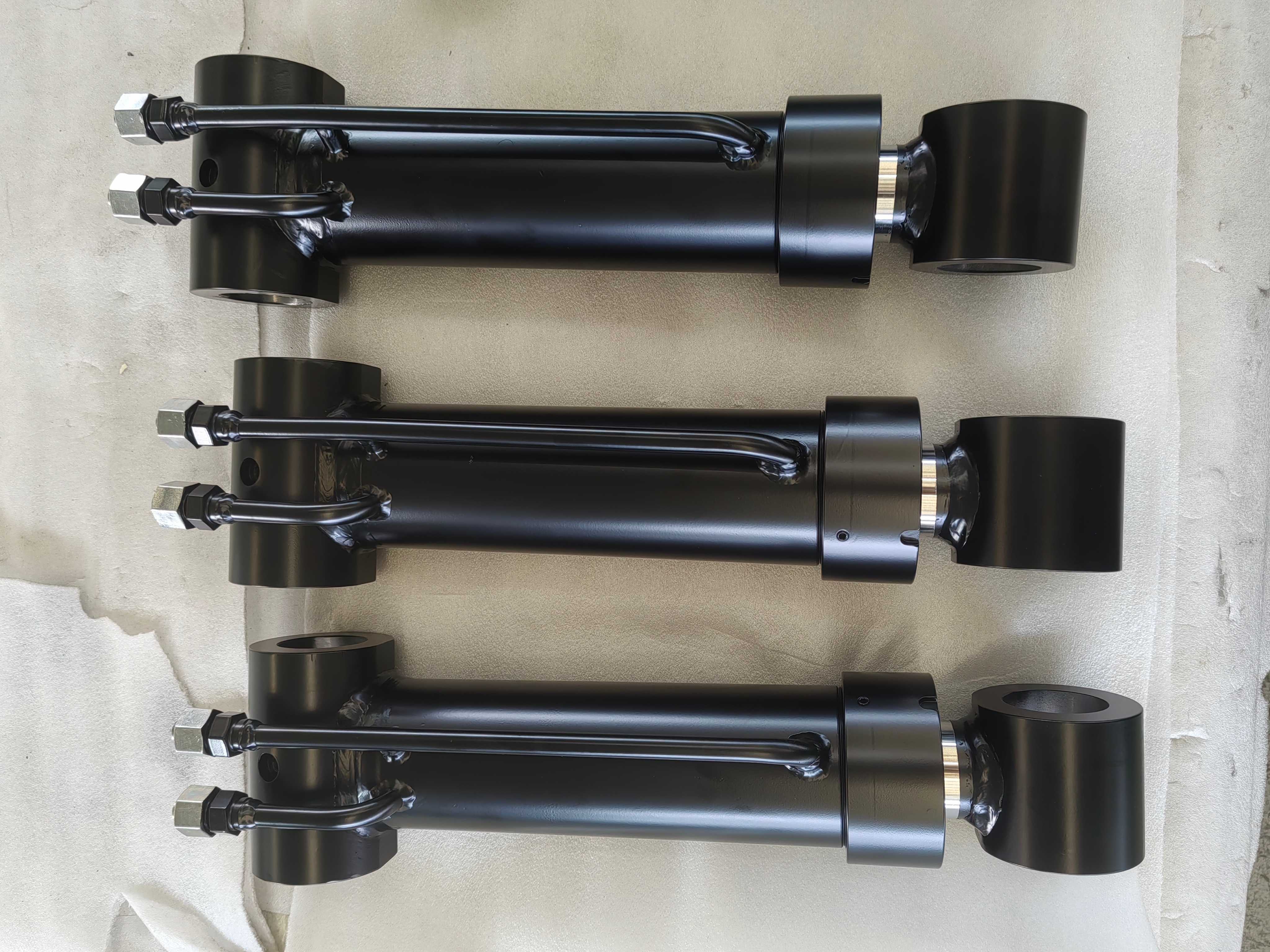
Why a custom cylinder needs a precise sign-off
A custom hydraulic cylinder is specified around an application rather than selected solely by a broad product label. Two cylinders described as heavy-duty or double-acting may still differ in bore, rod, stroke, mounting points, port position, sealing system, and operating limits. Those details determine whether a design matches the equipment and its hydraulic circuit.
The risk is not limited to a dimensional mismatch. A cylinder’s force depends on its effective piston area and the specified working pressure; pull force also depends on the annular piston area. In an application with alternating push-and-pull loads, shock loading, or side loading, the mounting and bearing arrangement matter alongside nominal force. A sign-off package should therefore make these relationships visible instead of leaving them implicit in a product name.
For a grapple attachment, for example, the cylinder operates through repeated opening and closing movements and may be exposed to impact, vibration, dust, moisture, and side loads. Its mounting centers and dimensions need to match the grapple geometry and carrier equipment. A generic “hydraulic grapple cylinder” label cannot, by itself, establish that fit.
1. Confirm the application and operating envelope
Start by documenting the actual function and operating conditions. The application description should identify what the cylinder moves, the movement direction, the equipment interface, and whether the cylinder works intermittently, in repeated cycles, or continuously. Record the expected load direction and any known shock, side-load, vibration, contamination, temperature, or corrosion exposure that the design must address.
For the APEX-CGAC Series, the supplied product information identifies grapple and attachment duties including forestry, scrap, demolition, and material handling. It describes repeated gripping, opening, and closing under shock-loading conditions, alternating push-and-pull loads, and optional accommodation for limited angular movement through spherical bearings. These are application-specific design considerations; they should not be assumed to describe every Custom Hydraulic Cylinder.
Buyers should also resolve whether the cylinder operates alone or as part of a coordinated arrangement. A grapple application may use one central cylinder or two synchronized cylinders, depending on the attachment design. Where multiple cylinders are involved, the approved equipment design should define how their dimensions and operation relate.
2. Freeze the installation dimensions and interfaces
Dimensional approval should cover the complete installation interface, not only the bore and stroke. The drawing should identify the retracted and extended lengths, mounting type, rod-end and base-end connections, pin dimensions, and relevant clearances. For custom equipment, port size, thread type, and port orientation should be shown as well, including hose routing and clearance through the equipment movement.
The APEX-CGAC Series information lists pin-eye, clevis, cross-tube, spherical-bearing, and custom attachment mountings as available configurations. Rod-end and base-end options also include specified connection styles. Hydraulic ports can be SAE ORB, BSPP, metric thread, SAE flange, or a customer-specified connection, with position customized for hose routing. The purchase specification should identify the selected options rather than treating an available option as an approved selection.
When an existing cylinder or machine interface is the reference, make the source of the dimensions explicit. A customer-approved drawing, verified sample, or confirmed installation measurements can form the basis for review. Do not sign off on “matching the original” without establishing which dimensions and interface details are being matched.
3. Review the design limits—not just the headline pressure
Working pressure is one input to cylinder design, not a complete description of suitability. Review it alongside bore, rod diameter, stroke, load direction, duty cycle, operating speed, mounting geometry, and the equipment’s system specification. For a long-stroke compression application, piston-rod buckling verification may be required; side-load conditions also need engineering review where applicable.
The APEX-CGAC Series data provides a bore range of 50–250 mm, a piston-rod diameter range of 30–180 mm, a stroke range of 100–1,500 mm, and a working-pressure range of 160–350 bar. It states a maximum design pressure of up to 420 bar for specially engineered configurations. These are series-level published ranges, not a guarantee that every combination is available or appropriate for a particular machine. The approved project specification should state the selected values and the engineering basis for the specific configuration.
Other product families illustrate why a series range should not be generalized across all cylinders. For example, the APEX-CCSC Series describes compact, short-stroke configurations with its own stated operating ranges, while the APEX-CTC Series is a multi-stage telescopic design whose stage output and load curve need to be evaluated through the full lifting or tipping cycle. Buyers should confirm the exact model and configuration under review before applying any product-family data.
4. Make materials and protection requirements explicit
Material selection should follow the identified load and environment. For the APEX-CGAC Series, the listed construction includes a heavy-wall precision-honed seamless steel tube, a high-strength alloy-steel piston rod with available surface treatments, and high-strength steel components for the piston, gland, base, eyes, and pins. The information also lists alternative bushing and bearing choices and high-pressure polyurethane or PTFE composite primary seals.
Ask the engineering documentation to identify the selected materials and treatments for the order. “High-strength,” “corrosion-resistant,” or “heavy-duty” alone does not specify which option is included. The same applies to protection features: the series information lists optional recessed or guarded ports, heavy-duty rod scrapers, protective sleeves or bellows, corrosion-resistant treatments, and load-holding or hose-burst valves. Optional features should appear as selected requirements on the approved specification if the application needs them.
For a wet, saltwater, washdown, or chemically aggressive environment, a corrosion-resistant design needs to account for the actual exposure and compatible hydraulic fluid or cleaning agents. The APEX-CSSC Series information says materials, seals, and surface treatments are selected according to the application and that chemical compatibility must be confirmed against actual agents and fluids. This is a useful distinction: a corrosion-resistant product description is not a substitute for documenting the project’s exposure conditions.
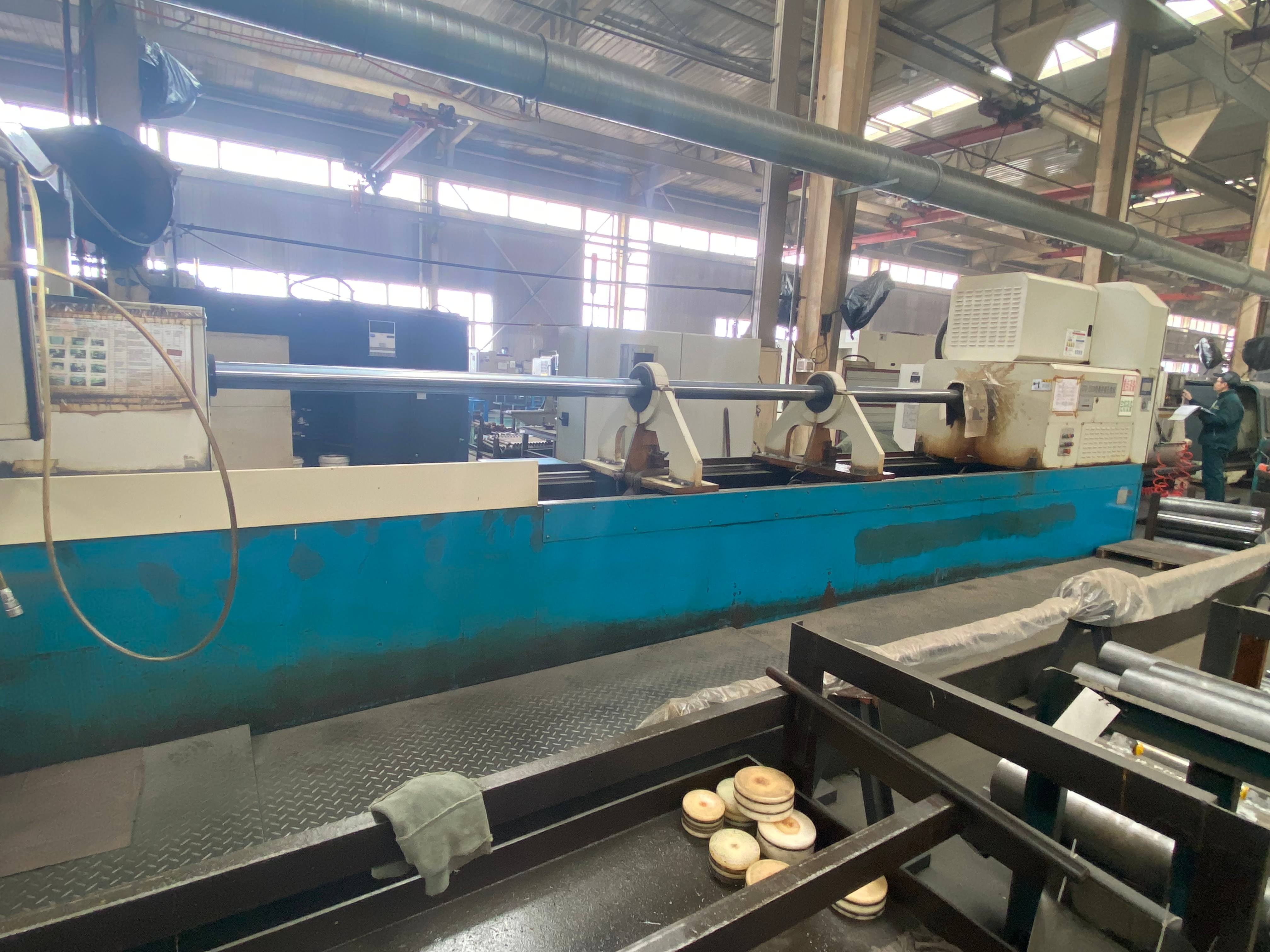
5. Turn the drawing into a controlled approval record
The approved drawing should be the common reference for engineering, purchasing, production, and quality inspection. Check that it identifies the selected dimensions, connections, mounting geometry, materials or material requirements, and any project-specific options. If a revision changes a critical interface or performance requirement, the approval record should make the current revision unambiguous.
Apex Hydraulic’s company information describes custom work that can include product design, engineering drawings, prototype development, testing, manufacturing, and quality inspection. Product information for the APEX-CGAC Series also lists customer part numbers, serial numbers, logos, and traceability marking as available. For an OEM program, confirm which drawing and identification details will be included in the actual order documentation; do not infer that every available service or marking is automatically included.
Prototype approval, where part of the project, should be tied to the same requirements intended for production. The buyer can use the prototype review to check installation fit, movement, ports, and selected functions against the approved design. A successful fit check does not, by itself, establish that pressure, leakage, or other agreed acceptance tests have passed.
6. Agree on what inspection and testing will demonstrate
Before sign-off, define the acceptance checks and the records expected with the shipment. The APEX-CGAC Series information lists dimensional inspection, pressure testing, leakage testing, and full-stroke functional testing. It states that each cylinder can be tested before shipment. Buyers should specify the applicable inspection scope and records for their order rather than assuming that a particular report format, test pressure, or acceptance threshold is included.
Acceptance criteria should connect back to the approved design. For example, dimensional inspection should verify the interfaces called out on the drawing; pressure and leakage checks should follow the approved project requirements; and functional checks should confirm the specified movement. Where a telescopic cylinder is being sourced, the APEX-CTC Series information additionally lists stage-sequence testing and full-stroke cycling. That is relevant to a telescopic design, but it is not a universal test description for every Hydraulic Cylinder.
Use a clear evidence list when agreeing on the order:
- Approved drawing and revision for the ordered configuration.
- Defined dimensional inspection points and acceptance requirements.
- Specified pressure, leakage, and functional testing applicable to the design.
- Any required material, inspection, or test records stated in the project specification.
- Part identification and traceability details, if required by the OEM program.
Sign-off checklist for a Custom Hydraulic Cylinder
| Review area | What to confirm before approval | Why it matters |
|---|---|---|
| Application | Function, equipment, load direction, duty cycle, and operating environment. | Defines the conditions the cylinder design must address. |
| Dimensions | Bore, rod, stroke, retracted and extended lengths, mounting centers, pins, and clearances. | Confirms the cylinder fits the machine and moves through the required range. |
| Hydraulic interface | Working-pressure specification, port type and size, port position, and hose routing. | Connects the cylinder to the intended hydraulic circuit and installation. |
| Construction | Selected materials, seals, bearings, surface protection, and any required options. | Prevents broad product descriptions from being mistaken for an order-specific configuration. |
| Approval control | Approved drawing revision, customer part number, and identification requirements. | Gives engineering, production, purchasing, and quality a shared reference. |
| Acceptance | Applicable dimensional, pressure, leakage, and functional checks and required records. | Defines what evidence will support release of the ordered cylinder. |
Custom versus standard: a practical boundary
A standard or catalog cylinder can be a practical choice when its published dimensions, mounting arrangement, pressure range, and connection details match the application. Its limitation is that a catalog option may not cover a specific installation envelope, custom port orientation, attachment geometry, or combination of requirements. A custom design can address those project-specific interfaces, but it also requires more explicit engineering definition and approval.
Customization does not remove the need for verification. A custom mounting, special pressure configuration, or optional protection feature should be treated as a requirement to review and document—not as evidence by itself that the finished cylinder is suitable. The comparison is therefore not simply standard versus custom; it is whether the chosen configuration is defined and checked against the equipment’s actual requirements.
Application example: grapple and attachment cylinders
For a forestry, scrap, demolition, or material-handling grapple, the APEX-CGAC Series is described as a double-acting welded hydraulic cylinder. Its design considerations include repeated gripping cycles, shock loads, alternating push-and-pull loads, attachment geometry, mounting, and potential side loading. Available features include optional load-holding valves, hose-burst valves, rod protection, and spherical bearings for limited angular movement.
Before approving such a cylinder, an OEM buyer should confirm grapple opening range, installation dimensions, mounting and pin interfaces, hydraulic ports and routing, the working-pressure specification, and the relevant impact and duty conditions. The series lists bore, rod, stroke, operating speed, and pressure ranges, but the selected values must be established for the attachment and confirmed on the approved drawing. The example illustrates how an application-specific product description can guide the review without replacing project approval.
What traditional sourcing shortcuts leave unresolved
Relying only on a catalog description, a verbal match, or a headline pressure rating leaves important questions open: whether the cylinder fits the installation, whether the ports align with the hose route, whether the material and seal choices match the environment, and what tests will be used for acceptance. These shortcuts can be useful during initial discovery, but they are not a complete sign-off basis for a custom OEM order.
A more reliable procurement record connects each requirement to a drawing or specification item and to an agreed inspection or test where applicable. The limit is equally important: a documented specification cannot prove service life under every operating condition, and a product-family capability statement does not establish a project result. Keep the approval focused on verifiable design inputs and the checks agreed for the specific order.
Looking ahead: preserve the design record
For repeat orders or later revisions, retain the approved drawing, configuration details, identification scheme, and inspection requirements together. This creates a usable reference for subsequent sourcing decisions and helps distinguish a genuine design change from a repeated order. Apex Hydraulic’s product information lists customer identification and traceability marking as available options, while its product data describes drawing and inspection documentation for specified configurations. Buyers should state the records and marking they need in the purchase requirements.
The practical outcome is not a universal cylinder specification. It is a disciplined sign-off: define the application, freeze the interface, review the engineering limits, select materials and options, approve the drawing, and agree on acceptance evidence. That approach makes the Custom Hydraulic Cylinder easier to evaluate as an equipment component rather than as a label in a quotation.
FAQ
What should an OEM buyer verify before approving a Custom Hydraulic Cylinder?
Verify the application and operating conditions, installation dimensions, mounting and port interfaces, selected materials and options, approved drawing revision, and agreed dimensional, pressure, leakage, and functional checks. For APEX-CGAC Series cylinders, the listed checks include dimensional inspection, pressure testing, leakage testing, and full-stroke functional testing.
Are published product-series ranges enough to approve a cylinder?
No. A published range describes series-level parameters. The ordered configuration still needs selected values and an approved design matched to the equipment, hydraulic system, and application requirements.
What test information is listed for the APEX-CGAC Series?
The product information lists dimensional inspection, pressure testing, leakage testing, and full-stroke functional testing. The project specification should identify which checks and records apply to the order.
When may a custom cylinder be more appropriate than a standard model?
A custom configuration may be relevant when the application requires specific installation dimensions, mounting geometry, port position, or selected protection features that are not covered by the available standard configuration. The final choice still needs verification against the approved drawing and operating requirements.
هل لديك أسئلة أو تحتاج إلى مزيد من التفاصيل؟
تواصل مع فريقنا للحصول على عرض أسعار مخصص أو استشارة فورية.
طلب عرض أسعار
املأ النموذج أدناه وسيتواصل معك فريقنا بعرض مقترح مخصص.
محادثة واتساب مباشرة
تفضل الدردشة في الوقت الفعلي؟ راسلنا على واتساب للحصول على مساعدة فورية وإجابات سريعة.
- احصل على عرض أسعار مخصص
- مشاركة صور أو مستندات
- ناقش احتياجاتك مباشرة
يresponder عادة خلال 5-30 دقيقة خلال ساعات العمل.