
Hydraulic Hoist Packages Compared: Cylinder, Sensor, Coating
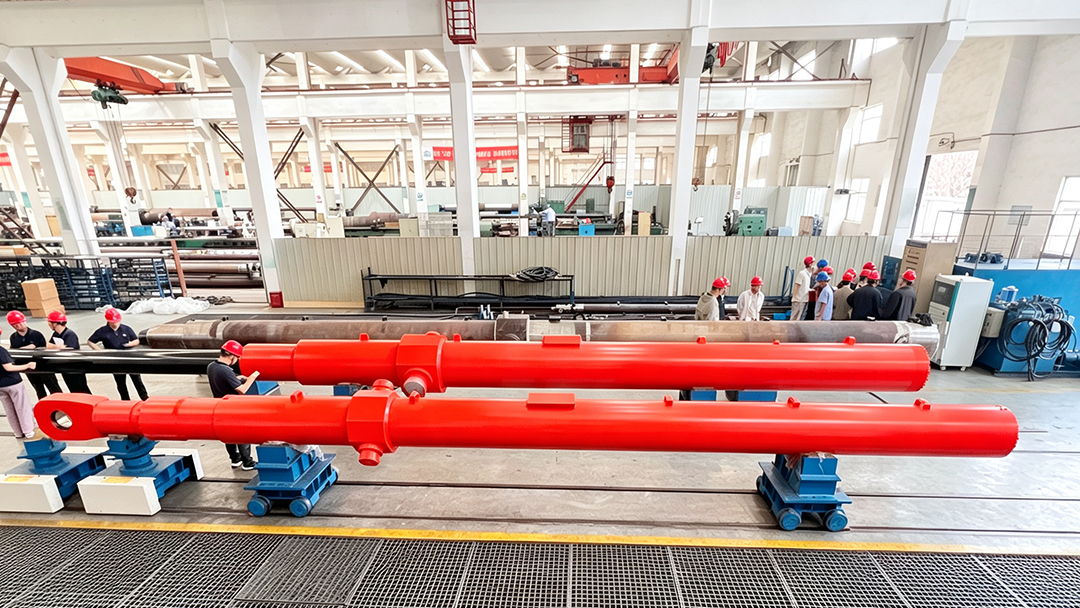
A hydraulic hoist is rarely purchased as a finished catalogue item. It is assembled around a specific gate, design head, required stroke, operating environment and maintenance plan. As a result, two quotations labelled "hydraulic hoist" can contain very different cylinder, stroke sensor, piston-rod coating and control packages — and the differences often only surface at factory acceptance. For buyers in the evaluation and execution stages, the more useful comparison is not which brand is best, but which component package matches the project specification, acceptance procedure and long-term operating plan.
Why component-package comparison beats brand ranking
Brand-level rankings ask which manufacturer is best. A hydraulic hoist procurement asks something more operational: under which configuration, and with which records to prove it. That framing matters because the same brand can deliver a light-duty reservoir gate package and a heavy-duty spillway package, and the two are not comparable on the same scorecard.
The specification package for a hoist normally accumulates across five interdependent component groups:
- Electrical control system and the wider hydraulic control and monitoring system
- Hydraulic system, including the power unit, pump station and actuator circuit
- Hydraulic cylinder (also described as a gate servomotor)
- Stroke sensor — incremental or absolute
- Metal surface modification treatment on the piston rod (for example HVOF, APS or LC treatment)
Each group changes the acceptance evidence, the spares list and the replacement plan. Buyers are better served by comparing proposals group by group than by comparing at the whole-machine level.
Electrical control and hydraulic control & monitoring systems
Controls increasingly carry the largest share of a hoist's operating character. In the available specification set, the electro-hydraulic system has a maximum pressure of 45 MPa, supports PLC, fieldbus and IoT connectivity, and includes monitoring, diagnosis and control functions aimed at smart management and predictive maintenance. Key components and fluid operate reliably between -40°C and 100°C, which supports stability in extremely cold and extremely hot working conditions.
Buyers should compare:
- Protocol and PLC specification: what the tender requires, versus what is actually offered
- Scope of remote IO and SCADA interfaces, and who is responsible for integration
- Diagnostic depth: alarms only, or trend history, or predictive-maintenance inputs
- Environmental envelope: declared range versus the extremes likely at the site
- Cybersecurity and local compliance requirements, where applicable
The point of specification review is not "does it have a PLC" but "what does the PLC expose, and who integrates it". A connected hoist does not automatically match the plant's supervisory system.
Hydraulic system, power unit and pump station
Hydraulic systems look standard and usually are not. The water conservancy hydraulic system profile describes an integrated electromechanical-hydraulic approach that combines design, manufacturing, installation, commissioning and after-sales service into a complete package, integrating power units, control systems and hydraulic actuators. The same description is applied to marine hydraulic systems and general industrial hydraulic systems, which signals a customised engineering approach rather than a fixed catalogue product.
For buyers, the central review question is the boundary of the package. Where a complete hydraulic system package is offered, a buyer should verify:
- Power unit rating — pressure and flow — against the cylinder size and required operating speed
- Whether the pump station and tankage are laid out as part of the same system or supplied separately
- Filter, cooling, heating and accumulator selection against the specific duty, not defaults
- Piping and connection documentation handed to the plant, which is a common source of acceptance delays
Hydraulic cylinder — the gate servomotor
The cylinder is the most visibly project-specific component. In the available water conservancy and hydropower cylinder specification, the maximum bore diameter is 1,500 mm, the maximum rod diameter is 600 mm and the maximum stroke is 20 m. The same cylinder parameter range appears for marine, metallurgy and energy, mining, and construction machinery cylinders, depending on the material grade selected.
For buyers, cylinder review should confirm:
- Bore, rod diameter and stroke correspond to the gate load calculation, not submitted as a generic range
- Design pressure matches the system hydraulic pressure with an appropriate margin
- Material grade and sealing system suit the site temperature and water quality
- Mounting interface data — pins, yokes, trunnions — align with the gate structure
Hydraulic hoist stroke sensor selection
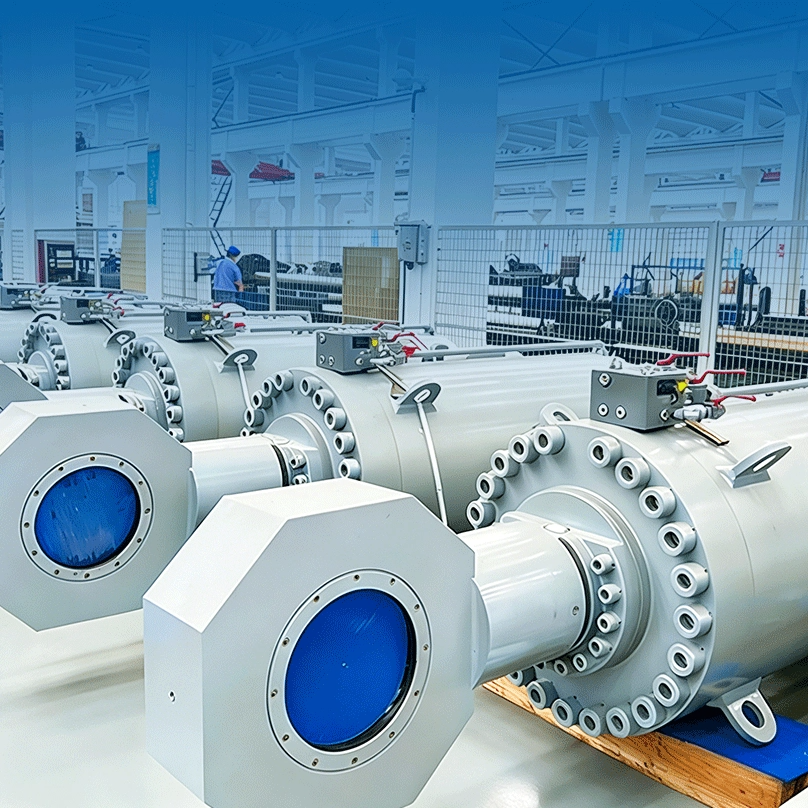
The stroke sensor is often the most under-scrutinised component in a procurement package. Incremental and absolute versions differ in the signals they require, the calibration burden they impose, and their behaviour after a power interruption.
The available specifications cover five stroke-sensor variants:
| Model | Type | Power-off memory | Detection accuracy | Protection rating | Anti-interference | Cumulative error | Operating speed | Output / protocol |
|---|---|---|---|---|---|---|---|---|
| CPMS-I Incremental Stroke Sensor | Incremental | 0 h | ±1 mm | IP67 | Standard | Yes | 4 m/s | Square wave pulse |
| CPMS-I Improved Stroke Sensor | Incremental | 0 h | ±1 mm | IP68 | Standard | Yes | 4 m/s | Square wave pulse |
| CPMS-II Incremental Stroke Sensor | Incremental | 360 h | ±1 mm | IP68 | Medium | Yes | 4 m/s | SSI |
| CPMS-JD Absolute Stroke Sensor | Absolute | Permanent | ±0.5 mm | IP68 | High | No | 6 m/s | 4~20 mA / SSI |
| CPMS-JD-mini Stroke Sensor | Absolute | Permanent | ±0.1 mm | IP68 | High | No | 9 m/s | SSI / Modbus / CanOpen / 4~20 mA |
What each difference means for specification review:
- Incremental units suit installations where zero recovery can be procedure-controlled. The 0-hour and 360-hour power-off memory windows matter when a power interruption is expected during operation.
- Absolute units eliminate the need for re-zeroing on power-up and support permanent memory behaviour in tight hoist operating windows.
- The protection rating moves from IP67 (CPMS-I) to IP68 (the other models), which is material because hoists are commonly installed outdoors or in splash-exposed areas.
- Protocol choice (square wave pulse, SSI, 4~20 mA, Modbus, CanOpen) should be driven down from the plant control architecture, not up from the sensor.
Metal surface modification treatment
Piston-rod surface treatment determines long-term wear and corrosion behaviour, and it is typically the component an owner's maintenance team revisits first. The three treatments in the available specification set differ in process basis and in the numbers they publish:
| Model | Process | Surface hardness | Processing length | Bond strength / note |
|---|---|---|---|---|
| HVOF Metal Surface Modification Treatment | Supersonic nozzle generating a high-speed flame | ≥1100 HV | 0–30 m | Coating bond strength ≥70 MPa |
| APS Metal Surface Modification Treatment | High-energy plasma arc generated by plasma torch | ≥850 HV | 0–30 m | Coating bond strength ≥35 MPa |
| LC Metal Surface Modification Treatment | Metallurgical bonding with metal surfaces for modification and repair | > HRC 50 | 0–30 m | Inner bore modification |
What matters for review:
- HVOF offers the highest hardness and highest bond strength among the three available options and is appropriate for piston rods in coastal or high-humidity environments where long stroke lengths (up to 30 m) are also required.
- APS is the appropriate comparison point where a project specifies a plasma-based process or where the bond-strength trade-off is understood.
- LC is the only treatment in this set that states inner bore modification, which makes it relevant for repair or retrofit situations, not just new rod manufacture.
Buyers should supply site conditions — water chemistry, silt load, coastal exposure, impact duty — rather than accept a hardness figure. A hardness number on its own does not prove a corrosion strategy.
How these choices shape specification review
Bringing the threads together, a single review checklist can be used across the five component groups:
| Component | Specification review focus | Evidence to request |
|---|---|---|
| Electrical control system | PLC and bus protocol, diagnostic scope, environmental rating | Functional test records, protocol mapping document |
| Hydraulic system | Power unit pressure and flow, filtration, cooling, piping drawings | Flushing records, pressure test logs |
| Hydraulic cylinder | Bore, rod, stroke against load calculation; sealing system | Dimensional records, pressure test, surface treatment report |
| Stroke sensor | Type, accuracy, IP rating, protocol, power-off behaviour | Calibration certificate, endurance report |
| Piston-rod surface treatment | Process, hardness, bond strength, coverage length | Coating thickness, bond strength and hardness reports |
Review order matters: each document depends on an upstream document. Verifying the stroke sensor without the control-system protocol requirement, for example, or the piston-rod surface treatment without the water-quality assessment, produces a checklist that looks complete but does not hold together.
Acceptance criteria and purchasing terms: verify, do not assume
Purchasing terms in this scope should be settled at the RFQ stage, not at factory acceptance. The available procurement guidance identifies delivery terms as a matter to communicate with the sales representative, and lists rated load, lifting stroke, hydraulic working pressure, application environment and overload protection as the selection parameters. It recommends comparing parameters against on-site lifting conditions and finalising the plan alongside budget.
Buyers should verify the following directly rather than assume them from a catalogue or from this article:
- Rated load basis — what unit and rated condition the figure refers to
- Hydraulic working pressure verification against the selected cylinder size
- Overload protection — mechanical or electrical, and the set point
- Delivery scope definition — whether the power unit, control cabinet, cylinder, sensor, piping and accessories are in one scope
- Factory acceptance test and site acceptance test procedures, documented separately
- Warranty, spares and retrofit terms recorded in writing
One frequently skipped check: sensor calibration traceability records and the control-system acceptance test. Without both, the stroke sensor specification is a number in a datasheet, not a verified capability.
Application and use cases
The same component-package logic applies across scenarios, but the priorities shift:
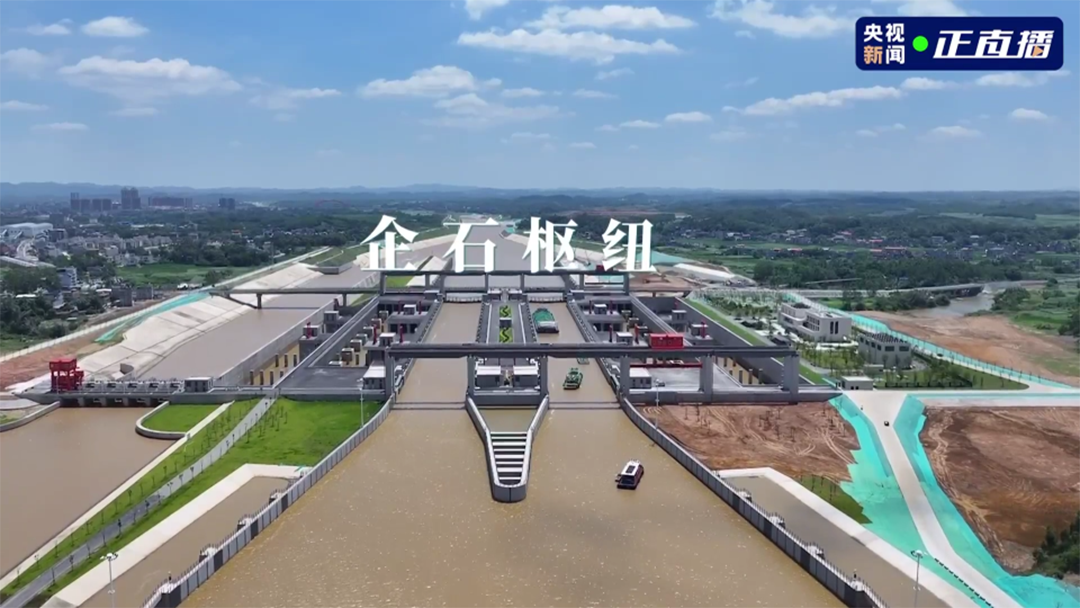
- Dam and reservoir gates. One documented project involved a hydropower authority and large EPC contractor using 40 hydraulic hoist sets for dam-gate opening and closing, flood control, water-level regulation and power-station safety operation. The documented characteristics include heavy-load design, high anti-corrosion performance and overload protection, with reliable operation under ultra-high water pressure and stable gate-lifting performance.
- Hydropower station intake and river sluice gates. Gate hoists are commonly described for river and dam water-level control, reservoir intake and outlet gates, flood-discharge channels, irrigation gate systems and hydropower plant penstocks, which affects how control-system integration is scoped.
- Ship lock gates. Another documented project supplied 30 units to an EPC contractor for lock-gate operation, using the CPMS-JD Absolute Stroke Sensor for position feedback and stating a 30-year design life for the full set.
- General industrial. In metallurgy, mining, marine and construction machinery, the cylinder remains the core, but the environmental envelope and signal interface differ from water conservancy projects.
Where a component package stops
A component package is necessary but not sufficient. Three boundaries are worth stating plainly for buyers in execution:
- Sensor accuracy does not by itself determine gate positioning accuracy. The cylinder, system stiffness and control loop are what hold the gate. A tighter sensor (for example, a ±0.1 mm absolute unit) will not deliver ±0.1 mm at the gate if the actuator response lags.
- Coating does not replace a corrosion strategy. HVOF offers high hardness and high bond strength, but service life still depends on water chemistry, maintenance plan and contact pattern. Specifying only on hardness misses this.
- Integration is not optional. The water conservancy hydraulic system profile describes design, manufacturing, installation, commissioning and after-sales as part of the same integrated scope. Where the scope stops at a control cabinet, the buyer carries the integration risk.
Market trend signals
The available market signals support this package-comparison approach rather than a brand-ranking approach:
- Market scale. The global hydraulic hoist market for water conservancy is reported at approximately USD 1.41 billion in 2026, with continued growth projected through 2032.
- Component weight. In 2024, the cylinders segment led the global hydraulics market with over 30% revenue share, which underlines cylinder selection as a primary cost and engineering decision, not a secondary one.
- Downstream demand. Hydropower capacity expansion remains the downstream driver behind hydraulic hoist demand, and it aligns with finer-grained control and monitoring integration.
- Technology migration. There is a visible shift from traditional gate-hoist systems toward smart, coated systems, which suggests the package comparison logic in this article will become more relevant rather than less.
Future outlook
Two developments are likely to reshape package comparisons over the next procurement cycle:
- Control integration depth. As hoists connect to plant SCADA and IoT layers, buyers will compare protocol mapping, diagnostic depth and cybersecurity before they compare limit switches and handwheels.
- Maintenance and retrofit. Hydraulic hoist maintenance and retrofit service is a growing work scope, and piston-rod surface treatment choices plus incremental-to-absolute sensor upgrades are natural points of entry.
FAQ
What basic information should a buyer know when specifying a hydraulic hoist?
Hydraulic hoists lift heavy loads by hydraulic power. Information provided for selection includes rated capacity, lifting height, working pressure and application environment. The same guidance recommends inspecting the hydraulic system before use, maintaining hydraulic oil and seals regularly, and never overloading the equipment, in order to protect lifting safety.
What purchasing terms and acceptance criteria apply when finalising a hydraulic hoist?
The available procurement guidance records delivery terms as a matter to communicate with the sales representative. It lists rated load, lifting stroke, hydraulic working pressure, application environment and overload protection as the selection parameters, and recommends comparing parameters with on-site lifting conditions before finalising the plan alongside budget.
Does the stroke sensor or the electrical control system determine hoist positioning accuracy?
Not as a single-component answer. Electrical control is described as an electro-hydraulic system integrating power units, control systems and hydraulic actuators into a complete package, which implies positioning accuracy is a combined system result rather than a sensor attribute alone. On the sensor side, absolute variants reach detection accuracy of ±0.5 mm (CPMS-JD Absolute Stroke Sensor) and ±0.1 mm (CPMS-JD-mini Stroke Sensor) with permanent power-off memory and no cumulative error, while incremental variants are rated at ±1 mm with cumulative error.
How do HVOF and APS coating compare for a hydraulic hoist piston rod?
HVOF Metal Surface Modification Treatment uses a supersonic nozzle generating a high-speed flame, and is specified with surface hardness ≥1100 HV, processing length 0–30 m and coating bond strength ≥70 MPa. APS Metal Surface Modification Treatment uses a high-energy plasma arc generated by a plasma torch, with surface hardness ≥850 HV, processing length 0–30 m and coating bond strength ≥35 MPa. A third option, LC Metal Surface Modification Treatment, states surface hardness > HRC 50 and supports inner bore modification.
Which supplier qualifications can buyers verify before awarding a hydraulic hoist contract?
Documented certifications in the available corpus include ISO 9001 (quality management system), ISO 14001 (environmental management system) and ISO 45001 (occupational health and safety management system). These can be requested with the certificate numbers and validity dates for independent confirmation. Package-level claims around PLC protocol, sensor accuracy, coating bond strength and cylinder sizing should be verified against project-specific records during the RFQ and factory acceptance stages rather than accepted from a supplier listing.
Closing note
Component-package comparison moves the procurement conversation from "which brand" to "which configuration, and which records prove it". That is the appropriate angle for buyers in evaluation and execution: specification review becomes a checklist that runs across controls, hydraulics, cylinder, sensor and surface treatment, with each element carrying its own acceptance evidence. The two need to match.
For readers who need the manufacturer's factory and capability context behind some of the component specifications referenced here, the public factory profile is available for download: Wujin Hydraulic factory profile (PDF).
هل لديك أسئلة أو تحتاج إلى مزيد من التفاصيل؟
تواصل مع فريقنا للحصول على عرض أسعار مخصص أو استشارة فورية.
طلب عرض أسعار
املأ النموذج أدناه وسيتواصل معك فريقنا بعرض مقترح مخصص.
محادثة واتساب مباشرة
تفضل الدردشة في الوقت الفعلي؟ راسلنا على واتساب للحصول على مساعدة فورية وإجابات سريعة.
- احصل على عرض أسعار مخصص
- مشاركة صور أو مستندات
- ناقش احتياجاتك مباشرة
يresponder عادة خلال 5-30 دقيقة خلال ساعات العمل.