
IML Certification & Compliance: Key Parameters for Food-Grade Packaging
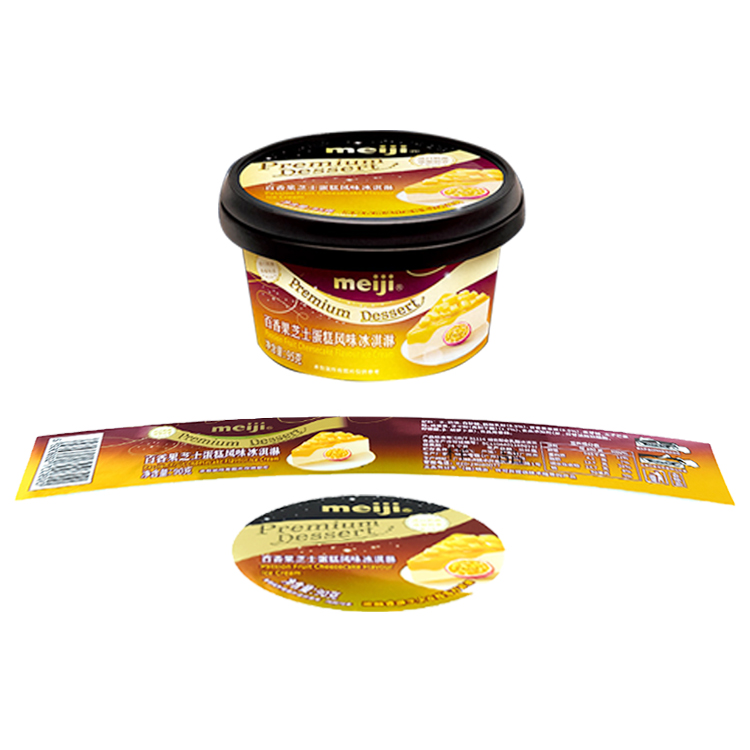
Fig 1: Matte white laminated IML film – a common substrate for dairy and beverage containers.
Industry Context
The global in-mold labels (IML) market is projected to reach USD 3.14 billion by 2030, with food & beverage applications accounting for over 41.3% of revenue in 2023. As regulatory scrutiny on food contact materials intensifies, buyers are shifting from generic labels to certified IML solutions that guarantee safety, durability, and legal compliance.
Problem / Opportunity
Procurement teams evaluating IML suppliers for food-grade packaging face a complex web of certifications – FDA 21 CFR, BRCGS, ISO22000, and EU 10/2011 – each with distinct testing requirements. Without a clear understanding of these standards, buyers risk selecting labels that fail migration tests or cause costly production stoppages. The real opportunity lies in partnering with a manufacturer that not only holds these certifications but can demonstrate consistent compliance across high-volume production runs.
Brand Solution: YZY’s Certified IML Platform
Zhejiang Zhongyu Technology Co., Ltd. (YZY) is a specialized manufacturer of in-mold labels, operating a 20,000 m² facility with 16 years of production experience. YZY’s IML product (model ZY-IML-SERIES) has received certification to FDA 21 CFR 177.1520 for food contact applications. The certification, issued by SGS under number NGBEC2501946006, is valid for the US market. Additionally, the company has passed QS, ISO, and BRC management system certifications, and holds a total of 48 patents, reflecting a systematic approach to quality and innovation.
Technical Parameters
YZY’s IML labels are manufactured using high-precision rotogravure printing with up to 8 colors and a registration accuracy of ±0.1 mm. The film thickness ranges from 30 μm to 100 μm, customizable to specific container geometries. Key performance metrics include adhesion strength ≥5 N (ensuring no peeling during injection molding), temperature resistance from -20°C to 120°C (suitable for both cold chain and hot filling), and scratch resistance of 4H (pencil hardness test). The labels are made from virgin PP or PE and can be supplied in glossy, matte, orange peel, holographic, or custom textured finishes.
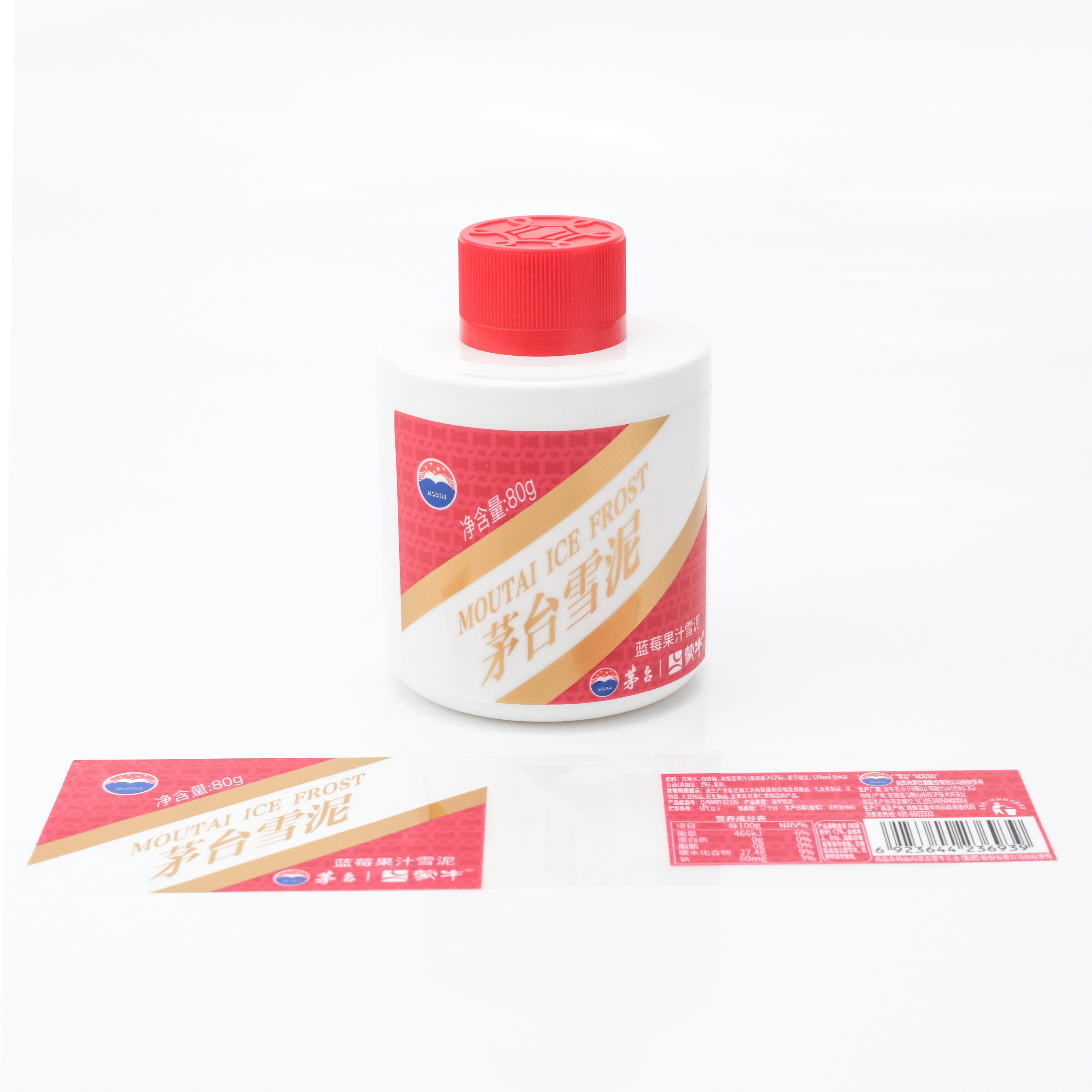
Fig 2: Example of matte white laminated IML film used for high-adhesion applications.
Application Scenarios
YZY’s IML labels are extensively used in food contact packaging – yogurt cups, bubble tea cups, ice cream containers, and plastic bottles – where compliance with FDA and EU migration limits is critical. In the industrial segment, labels for paint buckets and lubricant containers benefit from the labels’ chemical resistance to weak acids, alkalis, and common detergents. One international F&B client reported 0 quality complaints and 100% on-time delivery over a multi-year engagement, validating the supplier’s consistency.
Market Trend Analysis
According to Grand View Research, polypropylene (PP) dominated the IML material segment with a 47.2% market share in 2023, driven by recyclability and container compatibility. Asia-Pacific led revenue at 42.8% in 2025, fueled by dairy and paint industry growth in China and India. Injection molding remains the dominant IML production process at 57.1% market share, aligning with YZY’s core capability. These trends indicate sustained demand for certified, high-volume IML suppliers in the region.
Comparison with Traditional Labeling
Compared to wet glue or pressure-sensitive labels, IML offers superior durability – the label fuses with the container during molding, eliminating edge peeling and smudging. The decoration becomes a permanent part of the package, supporting brand integrity through the supply chain. One honest limitation of IML is its higher initial tooling investment compared to post-mold labeling methods, particularly for short-run custom designs. However, for medium-to-high volume food packaging, the per-unit cost advantage and elimination of secondary labeling operations often justify the upfront cost.
Future Outlook
As regulatory bodies tighten migration limits and brands demand zero-defect packaging, certified IML suppliers with robust quality management systems will gain preference. YZY’s combination of FDA and BRC certification, 48 patents, and a dedicated R&D team positions it to address emerging requirements in biodegradable substrates and smart label integration. Buyers should prioritize suppliers that can provide documented traceability from raw material lot to finished label.
For detailed product specifications and certification documents, download the YZY company brochure:
YZY IML Product Brochure
Frequently Asked Questions
Q: Does YZY’s IML product have FDA certification for food contact?
A: Yes. The IML product (product code 2829) is certified to FDA 21 CFR 177.1520 for food contact. The certification, issued by SGS under number NGBEC2501946006, is valid for the US market.
Q: What are the available film materials and thickness options?
A: YZY offers films made from virgin PP, PE, PET, and multi-layer composites. Thickness ranges from 30 μm to 100 μm, customizable per project. Surface finishes include glossy, matte, orange peel, holographic, and custom textures.
Q: What is the typical lead time and minimum order quantity (MOQ)?
A: Lead time is 15–20 days after sample confirmation. MOQ is 2000 m² per order, suitable for both prototyping and mass production.
Q: Which industries and applications are best suited for YZY’s IML labels?
A: The labels are designed for injection molding and thermoforming processes, and are widely used in food & beverage (yogurt, beverages, ice cream), daily chemicals (shampoo, detergent), pharmaceuticals, household products, and industrial packaging (paint, lubricant buckets).
Q: What quality control measures does YZY implement?
A: YZY performs 100% visual inspection plus random laboratory testing for FDA and GB compliance. The company holds QS, ISO, and BRC certifications, and has a total of 48 patents, ensuring consistent quality across production.
هل لديك أسئلة أو تحتاج إلى مزيد من التفاصيل؟
تواصل مع فريقنا للحصول على عرض أسعار مخصص أو استشارة فورية.
طلب عرض أسعار
املأ النموذج أدناه وسيتواصل معك فريقنا بعرض مقترح مخصص.
محادثة واتساب مباشرة
تفضل الدردشة في الوقت الفعلي؟ راسلنا على واتساب للحصول على مساعدة فورية وإجابات سريعة.
- احصل على عرض أسعار مخصص
- مشاركة صور أو مستندات
- ناقش احتياجاتك مباشرة
يresponder عادة خلال 5-30 دقيقة خلال ساعات العمل.