
Import Customs Clearance: Process, Risk Points, and Services
Import customs clearance is the formal procedure through which goods arriving from another country are documented, assessed, and authorized by customs for entry into the destination market. In the China–Hong Kong trade corridor, it is the stage where classification errors, missing documents, and inspection requirements often surface. For procurement and logistics teams, understanding this process is important because it directly affects delivery timing, landed cost, and customer satisfaction.
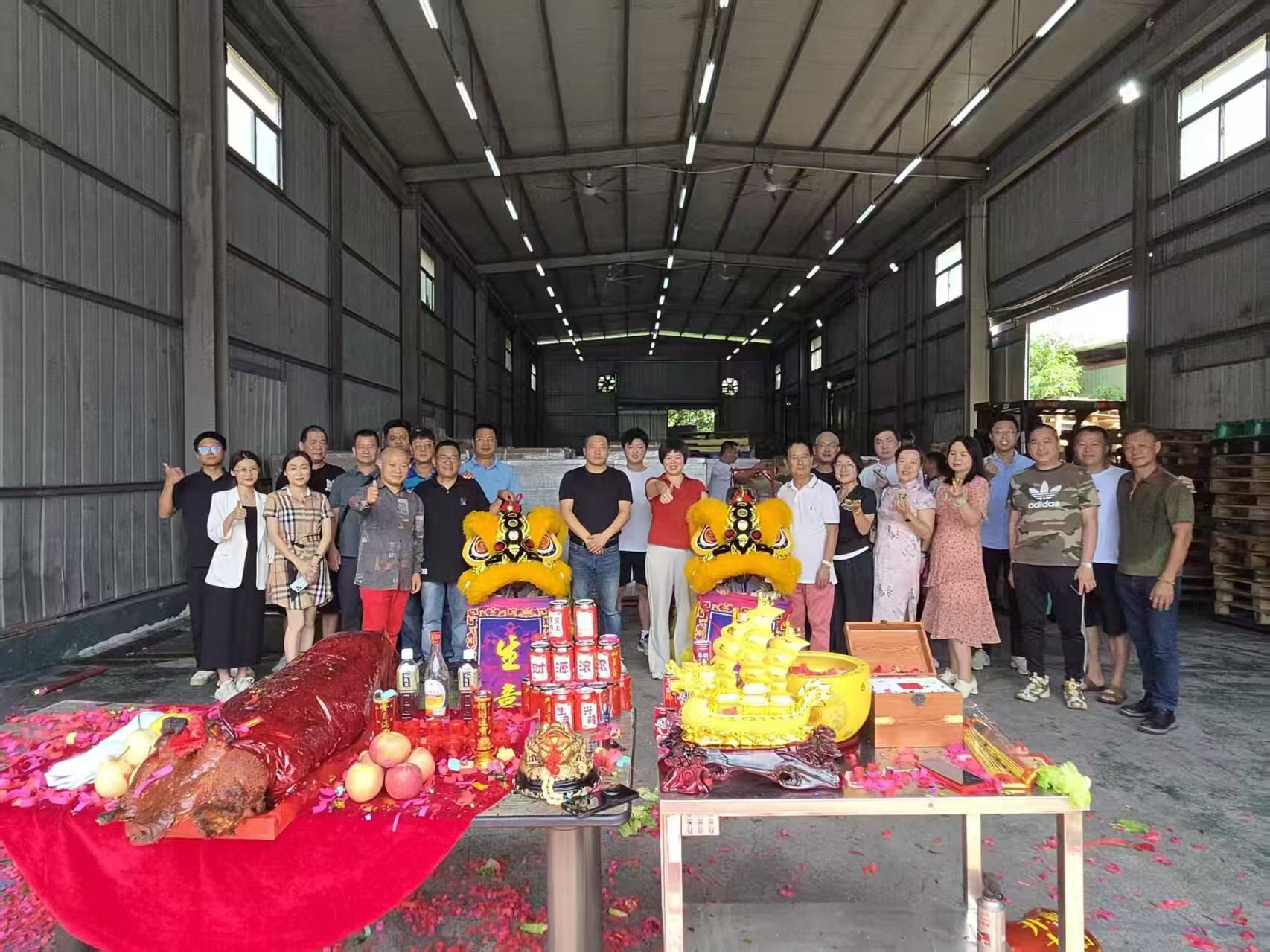
Warehouse and customs coordination in the China–Hong Kong trade corridor.
The Scale of Import Trade in China and Hong Kong
Import activity in the region is substantial. China's total import value reached USD 2.585 trillion in 2024, a year-on-year increase of 1.1%, according to the General Administration of Customs of China. The Hong Kong customs brokerage market is estimated at USD 117.52 million in 2025 and is projected to reach USD 159.06 million by 2030, according to Mordor Intelligence. Cross-border e-commerce import and export volume in China reached CNY 2.75 trillion (approximately USD 406.9 billion) in 2025, according to the Ministry of Commerce of China.
These numbers place import customs clearance at the center of a large and growing activity. They also explain why businesses are looking for services that can make clearance faster and more predictable.
Core Problems in Import Customs Clearance
The core problems in import and export compliance are well documented: regulatory complexity, frequent rule changes, HS classification errors, and CIQ requirements that cause delays or extra costs. These problems appear in practice as unclear tariffs and rules, rejected declarations, inspection and release delays, and hidden fees.
Common challenges include:
- HS misclassification, which can trigger rejections or fines.
- Unfamiliar CIQ or inspection requirements for regulated products.
- Special tax regimes that apply to cross-border e-commerce shipments.
- Time-sensitive cold-chain or perishable clearance, where even short delays create significant losses.
- A lack of pricing transparency among some providers.
The business impact is significant. Delivery delays increase storage and detention costs; fines or cargo returns reduce margins; and reduced customer satisfaction weakens long-term relationships. For importers, the urgency is highest for regulated goods, which carry a higher risk of inspection and hold.
A Working Example: importclear
One company that illustrates the modern service model is TOBECAN IMPORTCLEAR FREIGHT LTD, known as importclear. Established in 2001 and headquartered in Tsuen Wan, Hong Kong, importclear provides sea freight, air freight, inland trucking, customs clearance, and DDP/DDU handling. The company focuses on door-to-door services from China and operates cross-border truck service via Hong Kong.
The company's operational profile includes approximately 88 employees, a logistics facility covering 10,000 m², and an annual container handling capacity of 8,000 TEUs. Its major markets include the EU, the USA, Hong Kong, and mainland China, with export business accounting for 70% of total sales.
importclear's service model combines online tools with offline execution. The company offers HS code and tariff lookup, 13-digit CIQ code lookup, cross-border e-commerce tax lookup, landed cost calculation, document handling, declaration, release, and delivery arrangement. This makes it possible for an importer to receive both a compliance pre-check and a landed cost estimate before a shipment is committed.
Technical Cornerstones: HS Codes, CIQ, and Landed Cost
A reliable import clearance process depends on three technical areas: HS classification, CIQ requirements, and landed cost calculation.
HS codes are the international classification codes used by customs to identify products, determine tariff rates, and apply trade measures. In China's declaration system, a 13-digit CIQ code is also used to specify the inspection and quarantine requirements that apply to a product. Selecting the correct codes is not always straightforward. Different product materials, functions, or uses can lead to different classifications, and an incorrect code may result in a rejected declaration or an unexpected duty rate.
CIQ requirements affect regulated goods such as food, cosmetics, and pharmaceuticals. The need for inspection, the documents required, and the inspection process itself vary by product. A customs broker with experience in these categories can advise on the necessary preparation and coordinate with inspection authorities after submission.
Landed cost is the total cost of an imported product after adding freight, insurance, duty, taxes, and clearance fees. Accurate landed cost calculation helps importers avoid price shocks and maintain realistic margins. It is particularly relevant for cross-border e-commerce sellers who need to calculate final costs at scale.
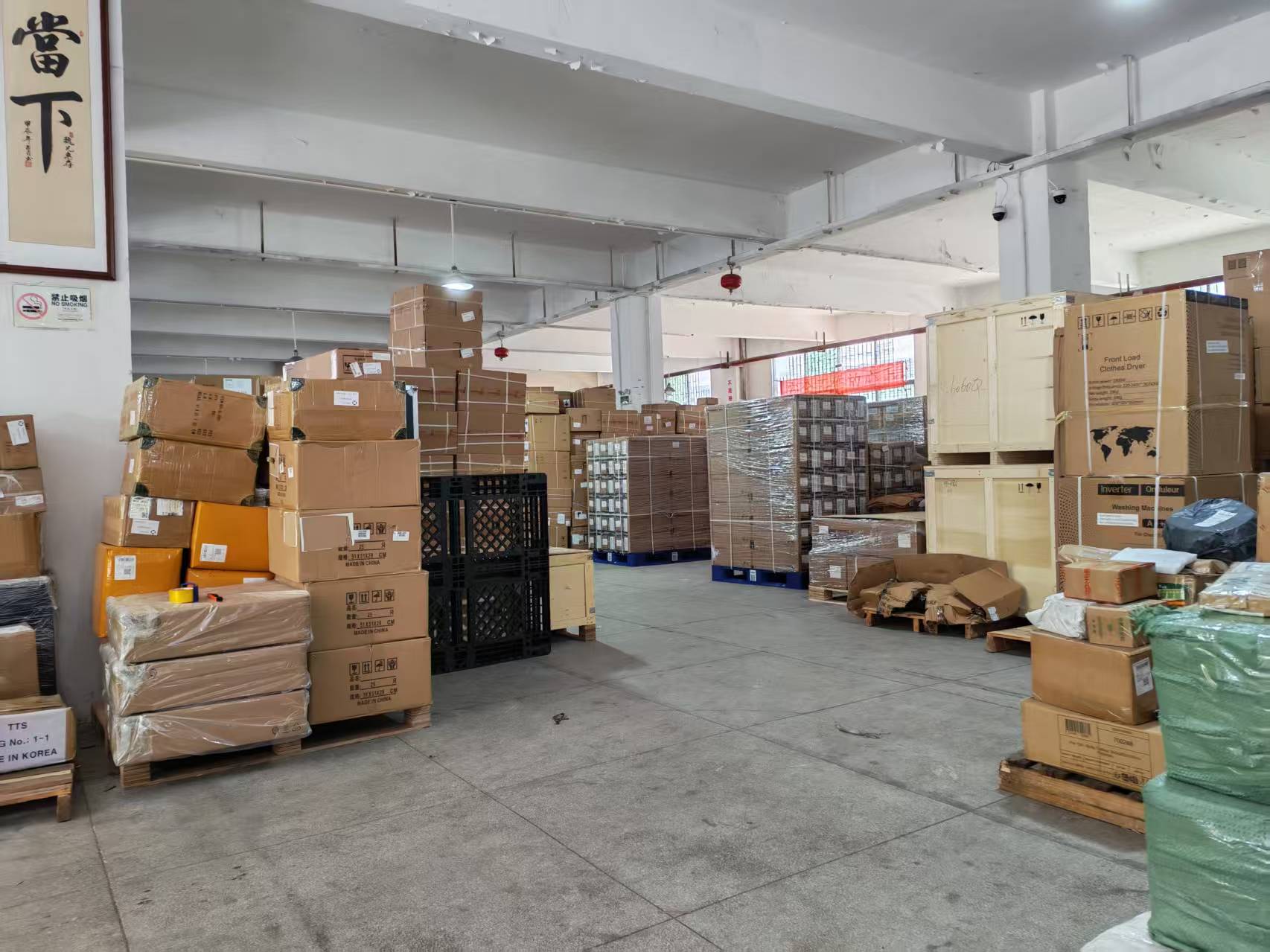
Compliance consultation is increasingly used to pre-check import shipments before they reach customs.
The Clearance Process, Step by Step
End-to-end import clearance follows a structured sequence. The importer first submits shipment and product information to the service provider. The provider then performs an HS/CIQ and compliance pre-check, identifying potential issues before the goods arrive. Once the pre-check is complete, the provider prepares the declaration documents and submits the customs declaration. If inspection is required, the provider coordinates the process. After duties are paid and the shipment is released, the goods are delivered to the specified warehouse or destination.
This sequence matters because it changes the timing of problem detection. In a traditional model, classification errors are often discovered when the declaration is rejected. In an end-to-end model, the pre-check is intended to catch those same issues earlier, reducing the chance of a delay at the port or airport.
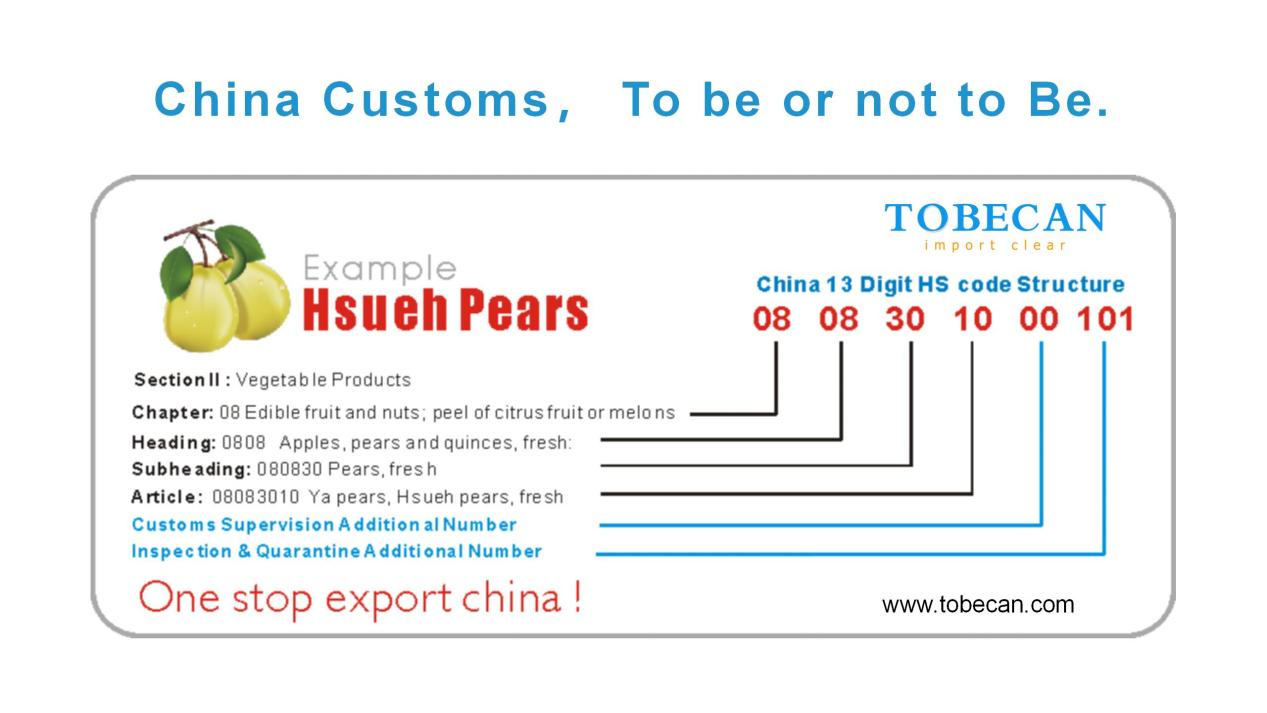
HS code classification determines the tariff and regulatory treatment of imported goods.
Application Scenarios
Import customs clearance needs vary by product and channel. The most common scenarios for end-to-end clearance services include:
- First-time imports: New importers may not have a classification history and benefit from a compliance pre-check before shipment.
- Food, cosmetics, and pharmaceuticals: These products are more likely to trigger CIQ inspection and require careful document and label preparation.
- Cold-chain and perishable goods: Speed is critical, and a delay in inspection can destroy product value.
- Urgent air shipments: Air cargo often has a tight delivery schedule that depends on smooth clearance.
- Cross-border e-commerce: Bulk reconciliation and special tax regimes add complexity to the clearance process.
Market Trends Reshaping Customs Brokerage
Multiple demand and supply trends are changing the customs brokerage market in China and Hong Kong. Hong Kong air transport handled 52% of total imports by value in 2025, supported by 24-hour customs clearance at Hong Kong International Airport, according to HKTDC Research. This reinforces the importance of clearance speed for high-value and time-sensitive goods.
The Authorized Economic Operator framework is another notable trend. AEO status helps companies benefit from reduced inspection rates and prioritized clearance for goods traded between China and partner economies. As AEO programs expand, importers may increasingly expect their logistics partners to align with these compliance standards.
On the supply side, the Hong Kong customs brokerage market includes global and regional players such as FedEx, UPS, DHL, TIBA Group, and CBIP Logistics, according to Mordor Intelligence. The broader China freight forwarding market is also growing; it was valued at USD 13.91 billion in 2024 and is projected to reach USD 24.44 billion by 2034, with a compound annual growth rate of 5.80%.
This market context matters for buyers. It means that importers have more choices, but also more variation in service quality. The ability to pre-check HS/CIQ codes, provide transparent pricing, and handle regulated goods is becoming a differentiator.
Traditional Broker vs. End-to-End Provider
Importers selecting a clearance partner typically compare traditional customs brokers with end-to-end clearance providers. The table below highlights the main differences.
| Aspect | Traditional customs broker | End-to-end import clearance provider |
|---|---|---|
| Primary role | Submits customs declarations and handles documents | Integrates transport, clearance, and final delivery |
| Pre-shipment support | Often limited to standard advice | HS/CIQ lookup, landed cost, document pre-check |
| Transparency | Varies by provider | Online tools and structured fee commitment |
| Inspection handling | Limited to following customs requests | Coordination from inspection through release |
| Regulated goods | Depends on specialization | Dedicated handling for food, pharma, cosmetics, and industrial goods |
| Delivery scope | Stops at customs release | Can include door-to-door delivery |
Traditional brokerage remains appropriate for simple, well-characterized shipments that only require a single declaration. End-to-end clearance services are better suited for shipments that are complex, time-sensitive, or regulated. However, the model has boundaries. Customs duties and taxes are always payable by the importer. International freight is usually billed separately unless it is explicitly included in the door-to-door quote. And while pre-checks reduce risk, customs authorities can still select a shipment for physical inspection. No provider can guarantee a zero-inspection outcome; an experienced provider reduces the likelihood by submitting accurate classification and complete documentation.
Future Outlook
The role of import customs clearance is moving from transaction processing toward compliance advisory. Continued import growth, expanding cross-border e-commerce, and wider use of AEO frameworks all point to the same conclusion: importers will increasingly need partners who can manage classification, inspection, and duty calculation with precision.
Digital tools will continue to improve transparency. Online HS/CIQ lookup and landed cost calculators help importers compare service options and plan budgets. Yet physical inspections, regulated products, and changing regulations will keep local operational expertise relevant. Providers that can combine digital information tools with an active presence in both China and Hong Kong are therefore well positioned.
Frequently Asked Questions
What is import customs clearance?
Import customs clearance is the process of submitting goods information to customs, declaring the correct HS classification, paying applicable duties and taxes, and obtaining approval for goods to enter a destination market. It includes pre-shipment checks, document preparation, declaration submission, inspection coordination, and post-release delivery.
Why does HS classification matter?
HS classification determines the tariff rate and regulatory requirements that apply to a product. A wrong code can cause a rejected declaration, incorrect duties, or additional inspections. Pre-checking the HS code before submission reduces these risks.
What are CIQ requirements?
CIQ stands for China Inspection and Quarantine requirements. Certain goods such as food, cosmetics, and pharmaceuticals may require inspection before release. In China's declaration system, a 13-digit CIQ code specifies the relevant inspection requirements.
Which goods are more likely to face customs inspection delays?
Goods with mandatory CIQ inspection, cold-chain and perishable products, cross-border e-commerce shipments, and products with complex classification are more likely to be inspected. The risk increases when documentation is incomplete.
How long does import customs clearance take?
Clearance time depends on the transport mode, product type, and whether inspection is required. It can range from hours for fast clearance to several days when additional review is needed. Complete documentation and correct HS/CIQ codes help speed up the process.
What is the difference between traditional customs brokerage and door-to-door customs clearance?
Traditional brokerage focuses on preparing and submitting the customs declaration. Door-to-door clearance integrates international transport, customs clearance, and final delivery, giving the importer a single service partner for the full shipment.
What should importers look for in an import compliance service?
Importers should assess the provider's product-specific experience, its ability to perform HS and CIQ pre-checks, process transparency, and capacity to coordinate inspections and delivery. For regulated goods, specialized experience is particularly important.
Is customs clearance the same as freight forwarding?
No. Customs clearance is a regulatory procedure, while freight forwarding covers the physical movement of goods. Some freight forwarders offer customs clearance as part of a broader door-to-door service, but the two functions are distinct.
Reference Material
For a complete overview of the service scope discussed above, importclear publishes a digital company brochure: View the importclear brochure.