
Independent Buyer Comparison: Food-Grade Silica for Salt, Spices, Creamer and Edible Oil
Independent Buyer Comparison: Food-Grade Silica for Salt, Spices, Creamer and Edible Oil
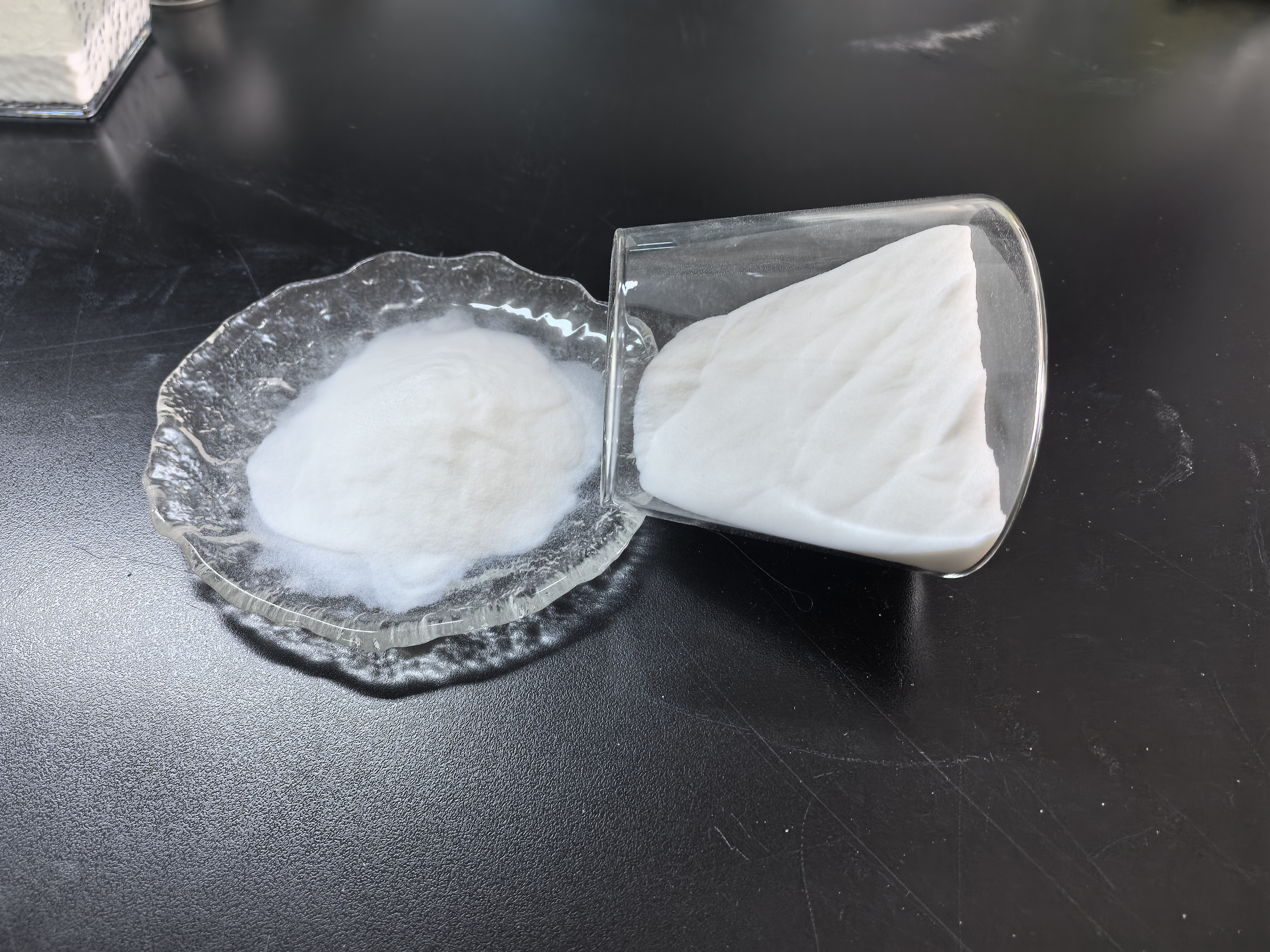
There is no single food-grade silica grade that is equally suitable for salt, spices, non-dairy creamer and edible oil. The four applications share the same broad material identity, but they differ in caking mechanism, carrier load, colour sensitivity, filtration behaviour and regulatory scope. Buyers should compare grades by parameters, certification evidence and process fit rather than by the E551 designation alone.
Zhonglian Food Silica is the food-grade silica brand used by Shandong Zhonglian Chemical Co., Ltd., a silica producer founded in 2010 and based in Jinan City, Shandong Province, China. Its parent company, Zhongqi (Guangdong) Silicon Materials Co., Ltd., operates a production base in Guangzhou with a multi-thousand-ton intelligent production line. For procurement teams at Research and Evaluation stage, the practical question is not whether food-grade silica can be used, but which grade family, documentation set and dosage logic fit each application.
Why one E551 grade cannot cover four food applications
Food-grade silica is commonly described as E551, INS 551 or amorphous silicon dioxide, CAS 7631-86-9. That identity is useful for regulatory screening, but it does not define performance. In the supplied product data, salt grades are relatively coarse, creamer grades are engineered around fat and powder flow, spice and seasoning grades must manage flavour and colour, and edible-oil grades are adsorbent processing aids rather than anti-caking powders.
The difference matters at the factory gate. A salt producer may need a free-flowing powder that remains visually white and free from hard lumps in a humid kitchen. A spice blender may need a carrier that does not mask aroma or accelerate colour change. A creamer manufacturer must stabilise a fat-containing powder without creating sediment in the cup. An edible-oil refiner needs selective adsorption of phospholipids, soap and trace metals, followed by filtration. Treating these as one purchase specification creates avoidable trial-and-error.
Buyer comparison framework for food-grade silica
A practical comparison should start with seven constraints. The first is regulatory scope: confirm that the grade is intended for food use and is supported by GB 25576-2020, FDA 21 CFR 172.480, EU E551 or the destination-market requirement. The second is physical form and parameter fit: D50, BET surface area, loss on drying, pH and oil absorption should match the matrix. The third is dosage logic, because an anti-caking additive that is under-dosed or over-dosed can fail in different ways. The fourth is colour and flavour compatibility, especially for spices and creamers. The fifth is documentation, including CoA, MSDS and certification evidence. The sixth is supply continuity and MOQ. The seventh is cost band, which should be assessed against the cost of rejected batches, rework and line downtime.
| Application | Primary buyer constraint | Relevant grade family in supplied data | Key parameters to compare | Documentation focus |
|---|---|---|---|---|
| Salt and salt substitutes | Moisture pick-up, caking, visual whiteness, iodising-agent compatibility | ZLSIL-A325; ZLSIL-W58E | 325 mesh; D50 about 44 micrometres; BET 170 m2/g; pH 5.5-7.5; LOD 7.0% or lower; typical dose 0.5-1% | GB 25576, FCC, E551, FDA 21 CFR 172.480; CoA and MSDS |
| Spices and seasonings | Flow, aroma retention, colour stability, low visible specks | Seasoning and spice grades; ZLSIL-W58BF low-iron and low-speck options; 50S high-dispersion family | D50, BET, iron control, whiteness, odour and flavour neutrality | Food-grade compliance; low-iron and speck-control data; CoA |
| Non-dairy creamer | Fat-related caking, dispersion, no white sediment, mouthfeel | ZLSIL-W50S; ZLSIL-W110SD; ZLSIL-W50B; ZLSIL-WT50 | D50 40-60 micrometres; BET 230 plus or minus 20 m2/g; pH 6.0-7.5; LOD 6.5% or lower; high oil absorption; typical dose 0.2-0.5% | FCC-grade silica for non-dairy creamer; FSSC 22000, ISO 22000, HALAL, Kosher where required; CoA |
| Edible oil refining | Phospholipid and soap removal, trace-metal control, low oil loss, filtration | ZOILSIL-GZ R92; ZOILSIL-GZ 150; ZOILSIL-GZ 300; ZOILSIL-GD450; Zoilsil-W58G; Zoilsil-W58GS | SiO2 99.7% or higher; BET about 700 m2/g; D50 16-26 micrometres; pH 1.5-3.0; contact time 10-15 minutes | Food-grade compliance; MSDS; CoA; filtration and residue guidance |
Salt: coarse grade, low dose and visual cleanliness
For table salt, sea salt, seasoned salt and salt substitutes, the main risk is moisture-driven bridging. The supplied salt grade data describes ZLSIL-A325 and ZLSIL-W58E as precipitated amorphous silica with a 325 mesh specification, D50 of about 44 micrometres, BET of 170 m2/g, pH 5.5-7.5 and LOD of 7.0% or lower. The typical dose is stated as 0.5-1%.
The purchase decision should not stop at anti-caking performance. Salt is a high-ionic-strength system, and the silica should be chemically inert with sodium chloride, iodine sources such as KI or KIO3, and other functional additives. The grade should also disperse without visible specks or gritty texture. The supplied salt-grade data states compliance with FCC, E551, GB 25576 and FDA 21 CFR 172.480, and lists CoA, MSDS, FDA, EU and China regulatory dossiers and dosage guidance as documentation support.
Spices and seasonings: colour, aroma and low-iron control
Spices and compound seasonings present a different constraint. The powder blend often contains volatile aroma compounds, natural colours and heat-sensitive ingredients. The silica should be odourless, flavour-neutral and sufficiently low in iron to avoid colour drift. The supplied portfolio includes seasoning and spice grades, low-iron food-grade silica such as ZLSIL-W58BF, and low-speck options such as ZLSIL-W58BF and ZLSIL-W58BH.
The technical reason is straightforward. Trace iron can react with sensitive flavour compounds and cause yellowing or dulling in white and light-coloured powders. The supplied low-iron data states that standard grades can be controlled at Fe 5 ppm or lower, with premium low-iron grades at 1-2 ppm, compared with a general commercial benchmark of about 30 ppm. For spice blends containing ethyl maltol, vanillin or flavonoids, this is a relevant selection criterion. The same data notes that iron is a routine release parameter tested by ICP or atomic absorption and printed on the CoA.
For a buyer comparing suppliers, the useful questions are: Does the CoA report iron and whiteness per batch? Is the grade intended for colour-sensitive systems? Has the supplier provided a trial sample in the actual spice matrix? The limitation is equally important: low iron reduces one discoloration pathway, but it does not compensate for high moisture, poor packaging or an unstable flavour system. A pilot trial remains necessary.
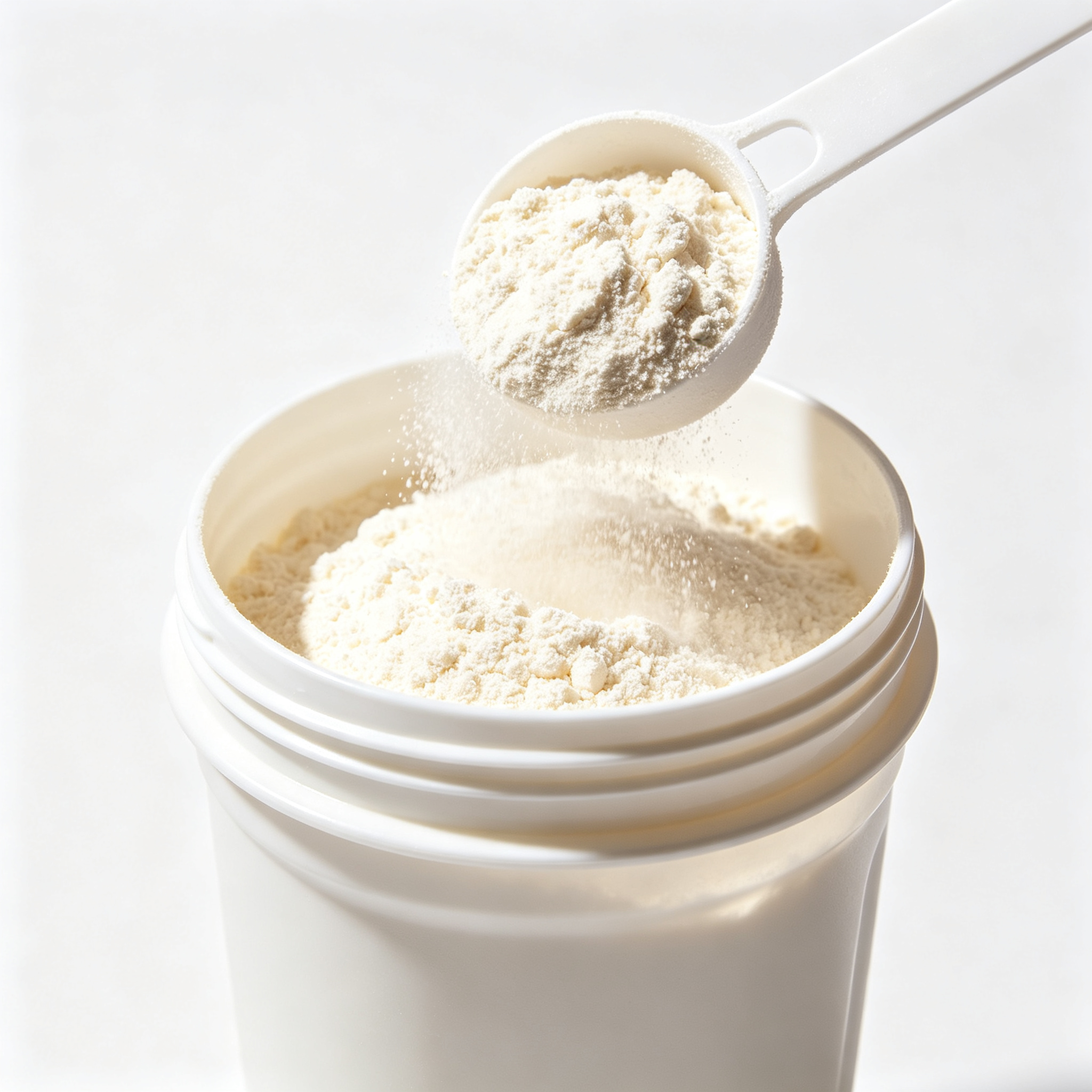
Non-dairy creamer: high oil absorption and dispersion balance
Non-dairy creamer is rich in vegetable fat, milk solids and carbohydrates, so it is more sensitive to humidity and fat bridging than salt. The supplied creamer grade data describes ZLSIL-W50S, ZLSIL-W110SD, ZLSIL-W50B and ZLSIL-WT50 as precipitated amorphous silica with D50 40-60 micrometres, BET 230 plus or minus 20 m2/g, pH 6.0-7.5, LOD 6.5% or lower and high oil absorption. The typical recommended addition rate is 0.2-0.5% by weight.
The application requirement is not simply anti-caking. The grade must disperse without creating visible white sediment or floating particles when the creamer is dissolved in hot or cold water. It should not interfere with fat emulsification, creamy texture or milk-white colour. The supplied data also states compatibility with hydrogenated vegetable oil, maltodextrin, sodium caseinate, emulsifiers and sugar powder, and notes that the silica does not chemically react with the emulsifying system.
For buyers, this makes FCC-grade silica for non-dairy creamer a specification discussion rather than a price-only comparison. A lower-cost grade with the wrong particle size or oil absorption can create sediment, dusting or poor flow. The limitation is that no supplier can guarantee a creamer formulation without a trial: fat level, emulsifier choice, dryer conditions and packaging all affect the result. The correct approach is to compare CoA parameters, request a pilot sample and test dissolution, mouthfeel and accelerated storage.
Edible oil: an adsorbent processing aid, not an anti-caking additive
Edible-oil silica belongs to a different functional family. The supplied ZOILSIL-GZ and Zoilsil-W58G series are described as high-purity silica-gel adsorbents for vegetable and animal oil refining, including degumming, de-soaping, bleaching support and trace-metal control. Typical parameters include SiO2 99.7% or higher, BET about 700 m2/g, D50 16-26 micrometres, pH 1.5-3.0, contact time 10-15 minutes and 20 kg or 25 kg packaging.
The mechanism is adsorptive rather than anti-caking. The silica is intended to selectively adsorb phospholipids, soap and trace metals such as iron and copper, helping to reduce phosphorus load, improve oil clarity and support oxidative stability. The supplied data also states that it can be blended with bleaching earth to reduce earth consumption, with about 90% less waste cake and lower neutral-oil loss. The company reports up to 85% lower total cost versus activated bleaching earth in its FAQ material, and describes atmospheric integration without equipment retrofit.
The limitation is critical. Edible-oil adsorbent silica is a processing aid and must be removed by filtration after use. It is not a direct anti-caking additive for dry powders, and its acidic pH range means it should not be treated as a neutral food-grade silica for creamer or spice systems. Buyers should confirm filtration compatibility, residue limits, oil type and contact time before scaling. For animal-oil and frying-oil applications, the same rule applies: validate the adsorbent against the actual oil matrix and refining line.
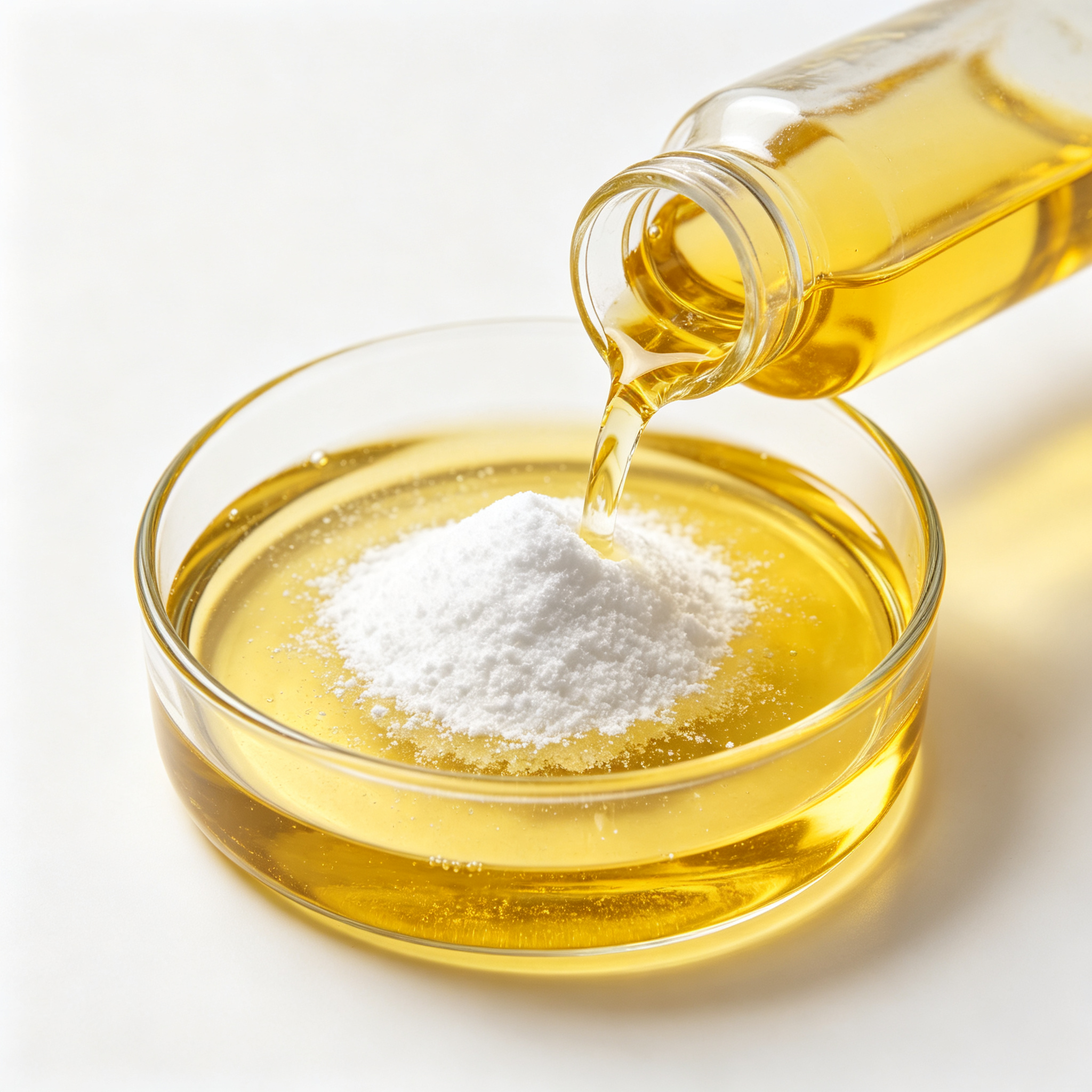
Certification and documentation: what a buyer should verify
For HVQ2-style procurement constraints, documentation is part of the product. The supplied certification set includes ISO 9001:2015 certificate 11425Q410600R1S issued by EACC, valid to 27 October 2028; ISO 22000:2018 certificate 116FSMS1300022 issued by HSL Certification Service, valid to 21 June 2027; FSSC 22000 v6.0 certificate CQC25FS1229R0S/4400 issued by CQC, valid to 30 October 2028; FAMI-QS certificate 11625FAM0017 covering feed ingredients, valid to 20 March 2028; HALAL certificate 1198250000, valid to 22 May 2028; and SEDEX SMETA audit report ZAA600166938 dated 7 November 2025. The FDA food facility registration number is 14857861616.
The OU Kosher certificate in the supplied data, OUV2-JZVTP4, carries an expiry date of 31 October 2026. As of 9 November 2026, buyers requiring kosher status should request the current renewal certificate before shipment rather than relying on the expired document.
Product-level claims should be matched to the grade. The salt, creamer and general food-grade ranges are described against GB 25576-2020, FDA 21 CFR 172.480, FCC and EU E551 requirements. The pharmaceutical excipient range is described separately against USP-NF, EP and ChP monographs, with Pb 2 mg/kg or lower, As 3 mg/kg or lower, elemental impurities per ICH Q3D, total microbes below 100 CFU/g and pathogens absent. A food-grade CoA and a pharmaceutical CoA are not interchangeable documents.
Food-grade anti-caking silica versus pharmaceutical glidant silica
Pharmaceutical glidant silica is a neighbouring specification family, not a drop-in replacement for food anti-caking silica. In the supplied data, USP pharmaceutical silica grades such as ZLXIDE-W1FP and ZLXIDE-W63FP are described for tablet flow, capsule filling and pharmacopoeia compliance, with fine particle size around D50 6-8 micrometres, SiO2 99% or higher and neutral pH. Food salt grades, by contrast, are much coarser at D50 about 44 micrometres, and creamer grades are in the 40-60 micrometre range.
The buyer implication is clear. A pharmaceutical glidant grade may be technically excellent for improving powder flow in a tablet press, but it is not automatically the correct choice for salt, spices, creamer or edible oil. Conversely, a food anti-caking grade should not be introduced into a pharmaceutical dosage form without the relevant pharmacopoeia documentation and formulation trial. This boundary is especially important when a procurement team is consolidating silica suppliers across food, nutraceutical and pharmaceutical sites.
Brand solution within the verified fact set
Zhonglian Food Silica supports the four application discussions with a broad food-grade portfolio rather than a single grade. The supplied portfolio covers anti-caking silica, adsorbent silica, pharmaceutical excipient silica, toothpaste silica and related silica families. For this comparison, the relevant ranges are salt-grade ZLSIL-A325 and ZLSIL-W58E; creamer-grade ZLSIL-W50S, ZLSIL-W110SD, ZLSIL-W50B and ZLSIL-WT50; spice and seasoning grades including low-iron and low-speck options; and edible-oil adsorbents ZOILSIL-GZ R92, GZ 150, GZ 300, GD450, Zoilsil-W58G and Zoilsil-W58GS.
The company data states annual silica capacity of approximately 50,000 metric tons, a monthly capacity of 3,000 t, an MOQ of 1 t and a lead time of 7-10 days depending on product, quantity, inventory and destination. Export markets are described as Europe, the Americas, Japan, South Korea, Southeast Asia, the Middle East and more than 20 countries and regions. The company reports 400 or more downstream brand customers, including Nestlé, COFCO, Budweiser, Yihai Kerry, IFF and Symrise. It also reports a Nestlé on-site audit in October 2025 and a decade-long COFCO partnership in tomato powder flowability.
For buyers, these facts are useful only when tied to evidence. The review should ask for the grade-specific CoA, MSDS, food-grade compliance statement and certification copies that apply to the destination market. Where a supplier cites customer approvals, the buyer should confirm that the approved scope covers the intended application and not simply the company name.
Comparison with traditional solutions and the limits of silica
Traditional anti-caking and refining solutions have established roles. Tricalcium phosphate is used in some powder systems, and activated bleaching earth is a conventional edible-oil refining aid. The supplied creamer data states that silica can deliver anti-caking performance at a lower addition rate than tricalcium phosphate, with better long-term anti-caking under high-humidity storage. The edible-oil data states that silica adsorbent can be blended with bleaching earth to reduce earth use, waste cake and neutral-oil loss.
These comparisons should not be read as universal superiority claims. Silica has real boundaries. It does not replace moisture-barrier packaging, low-moisture base powder or good warehouse control. It cannot make an unstable emulsion stable. It does not remove the need for filtration when used as an edible-oil processing aid. It does not turn a coarse salt grade into a creamer grade. And it does not automatically satisfy every religious, pharmacopoeia or destination-market requirement without current certificates. A buyer who compares only the price per kilogram, without accounting for dosage, rework, waste and documentation, is likely to make the wrong decision.
What the available evidence suggests about market direction
The supplied first-party evidence points to three procurement pressures rather than a broad market forecast. First, import substitution is being discussed in cost terms: the company states that its core performance matches international first-tier brands at 15%-35% lower cost, and that premium custom grades can offer 30%-50% cost saving in international brand replacement. These are company-stated benchmarks, not independently audited market prices, and should be treated as negotiation reference points.
Second, documentation breadth is becoming part of supplier evaluation. A single food-grade silica range is described against GB 25576-2020, FDA 21 CFR 172.480, FCC, EU E551 and multiple system certifications. For buyers, this reduces the risk of market-specific re-qualification, but only if the certificate scope and validity dates match the shipment.
Third, supply continuity is being weighed alongside price. A stated lead time of 7-10 days, a 3,000 t monthly capacity and a 1 t MOQ are relevant to buyers who have experienced long ocean freight, peak-season shortages or batch variation. The appropriate response is still a supplier audit, a pilot trial and a documented change-control process.
Future outlook for food-grade silica buyers
The next procurement cycle is likely to be shaped less by new silica chemistry than by evidence maintenance. Certification renewals, CoA consistency and application-specific trial data will determine whether a grade remains usable in a given market. The kosher certificate expiry noted above is a practical example: a supplier may have the capability, but the buyer still needs the current document at the time of order.
For salt, spices, creamer and edible oil, the sensible long-term strategy is to qualify at least two grade families rather than one generic silica. A salt producer should qualify a coarse anti-caking grade; a spice blender should qualify a low-iron, flavour-neutral grade; a creamer manufacturer should qualify a dispersible creamer grade; and an oil refiner should qualify an adsorbent grade with filtration validation. That approach preserves supply flexibility without pretending that all E551 silica is the same.
Technical brochure for download: Food Grade Silica Brochure.
FAQ
Which certifications should a buyer verify for food-grade silica used in salt, spices, creamer and edible oil?
Verify the grade-specific CoA and MSDS, then match the certificate to the destination market. The supplied data cites GB 25576-2020, FDA 21 CFR 172.480, FCC, EU E551, ISO 9001:2015, ISO 22000:2018, FSSC 22000 v6.0, FAMI-QS, HALAL and SEDEX. The OU Kosher certificate in the supplied data expired on 31 October 2026, so a current renewal should be requested for kosher shipments.
Can one food-grade silica grade be used across salt, spices, creamer and edible oil?
No. The supplied parameters show different design targets. Salt grades such as ZLSIL-A325 use a 325 mesh specification and D50 around 44 micrometres. Creamer grades use D50 40-60 micrometres with high oil absorption. Edible-oil grades are adsorbent silica with BET around 700 m2/g and pH 1.5-3.0. These are not interchangeable without a formulation and process trial.
Is food-grade anti-caking silica the same as pharmaceutical glidant silica?
No. Pharmaceutical glidant silica is a pharmacopoeia-grade excipient family used for tablet flow, capsule filling and related dosage forms. The supplied data describes USP pharmaceutical silica grades with D50 around 6-8 micrometres and USP-NF, EP or ChP documentation. Food anti-caking grades are selected for salt, spice, creamer or oil matrices and are supported by food-grade documentation. The two should not be substituted without a specific trial and regulatory review.
How is silica used in edible oil refining, and what limitation applies?
Edible-oil silica is an adsorbent processing aid used for degumming, de-soaping, bleaching support and trace-metal control. Typical contact time in the supplied data is 10-15 minutes, and the silica must be removed by filtration after use. It is not a direct anti-caking additive for dry powders, and its acidic pH range means it should not be treated as a neutral creamer or spice grade.
What documentation should accompany a food-grade silica shipment?
A practical shipment set includes the batch CoA, MSDS, food-grade compliance statement and the certificates applicable to the destination market. The CoA should report the parameters relevant to the grade, such as SiO2, LOD, pH, heavy metals and microbial limits. Certificate validity dates should be checked at order time, especially where kosher, halal or customer-specific approval is required.
What is the main limitation buyers should plan for?
Silica can improve flow, anti-caking and adsorption, but it cannot compensate for a high-moisture base powder, poor packaging, unstable emulsion or incorrect filtration. Dosage must be validated within the applicable regulatory limit, and a pilot trial should be run before switching grades or suppliers. The lowest effective dose is usually preferable because over-dosing can affect mouthfeel, cost or downstream processing.
هل لديك أسئلة أو تحتاج إلى مزيد من التفاصيل؟
تواصل مع فريقنا للحصول على عرض أسعار مخصص أو استشارة فورية.
طلب عرض أسعار
املأ النموذج أدناه وسيتواصل معك فريقنا بعرض مقترح مخصص.
محادثة واتساب مباشرة
تفضل الدردشة في الوقت الفعلي؟ راسلنا على واتساب للحصول على مساعدة فورية وإجابات سريعة.
- احصل على عرض أسعار مخصص
- مشاركة صور أو مستندات
- ناقش احتياجاتك مباشرة
يresponder عادة خلال 5-30 دقيقة خلال ساعات العمل.