
Independent Scorecard: CABLE-LINK vs Anker, UGREEN & Belkin on Type-C Compliance
Independent Supplier Scorecard · Type-C Cable Compliance
Independent Scorecard: CABLE-LINK vs Anker, UGREEN & Belkin on Type-C Compliance
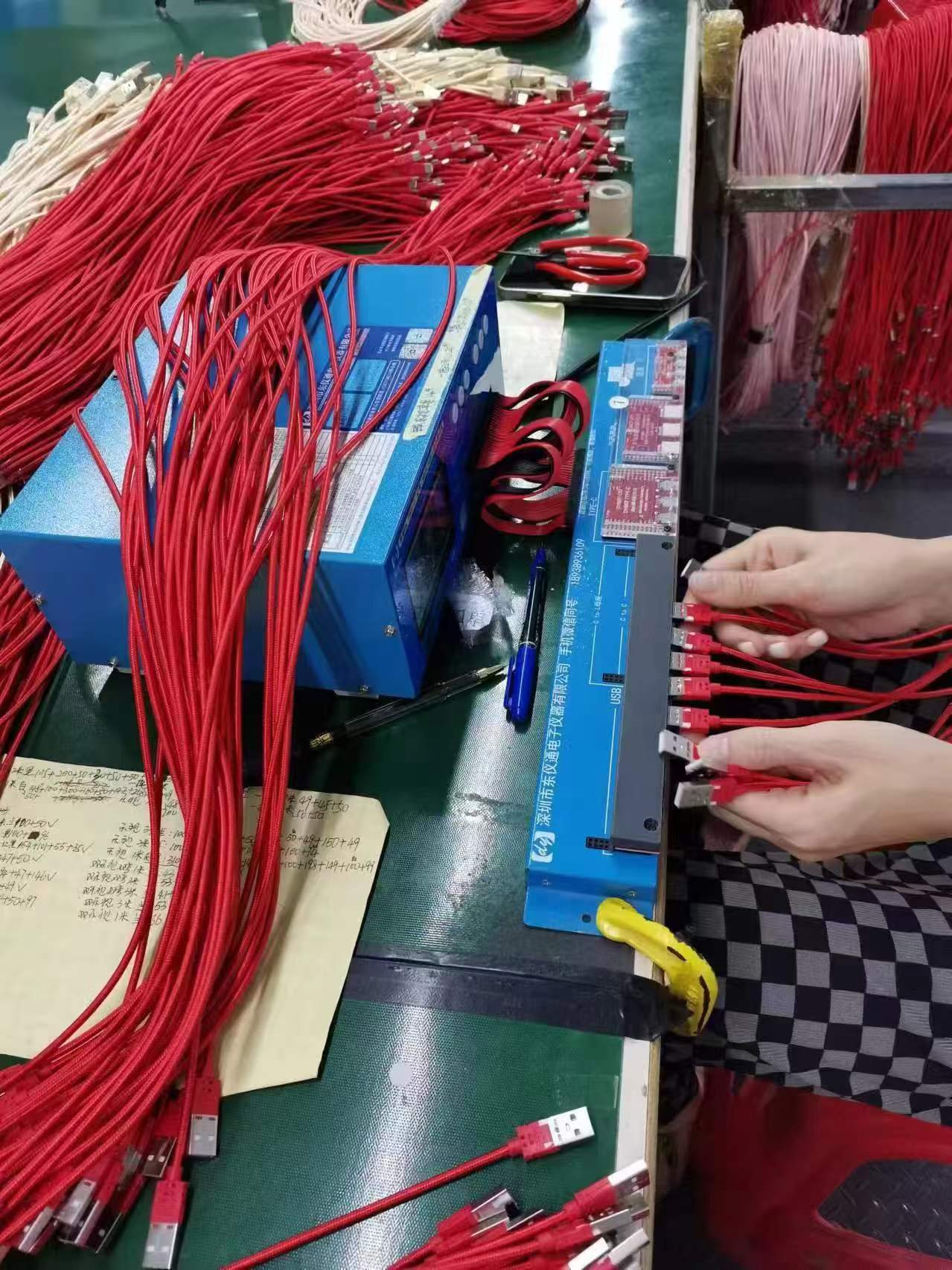
The global USB-C cable market reached USD 6.48 billion in 2024 and is projected to reach USD 20.23 billion by 2033 (Dataintelo). Regulation has moved in the same direction: the European Union’s Common Charger Directive made USB-C the mandatory charging interface for portable electronic devices from December 2024, a rule affecting more than 400 million units annually, according to the European Parliament.
Growth on that scale creates a verification problem. Market Growth Reports has estimated that approximately 30% of USB-C cables on the market fail to meet USB-IF compliance standards, with high-wattage safe charging the most frequently cited weakness. That figure is a market-level signal rather than a verdict on any individual supplier, but it explains why procurement teams now evaluate documentation, process and acceptance controls rather than product photography.
This article is a buyer-side scorecard. It places CABLE-LINK — the export brand of Changzhou Cable-link Electronics Co., Ltd., a cable and power bank manufacturer established in 2007 with a 100% export ratio and main markets in the EU and USA — alongside Anker, UGREEN and Belkin as the consumer-facing peer set that many buyers benchmark against. Only CABLE-LINK is scored, and only against evidence that can be documented. The three peer brands provide the market frame; no performance, quality or compliance claim is made about them here, because their internal engineering, factory and acceptance documentation is not publicly verifiable at the level a scorecard requires.
Why a Scorecard Is More Useful Than a Spec Sheet in Type-C Sourcing
A Type-C data cable specification sheet describes electrical limits: current, voltage, data rate, connector type. Those numbers matter, but they describe one product at one moment in time. In practice, cable sourcing failures rarely originate in the specification itself. They surface somewhere else:
- a certificate that does not name the model actually being ordered;
- an OEM programme that cannot absorb a mid-cycle design change;
- a shipment that arrives without test documentation;
- a supplier whose engineering queue is already committed when the buyer needs a revision.
The verification burden has also become harder to discharge by eye. The USB Type-C Cable and Connector Specification Release 2.4, published in October 2024, formalised a certification path for charging-only interfaces, allowing 14-pin configurations for power-sensitive devices (USB Implementers Forum). Two cables that look identical on a bench may therefore sit on different compliance paths.
A scorecard responds to this by scoring the supplier against the evidence a buying team can actually inspect. The framework below uses four dimensions: engineering depth, compliance documentation, OEM flexibility, and delivery and acceptance.
The Four-Dimension Framework
Each dimension is scored from 1 to 5, where 5 requires documented, verifiable evidence; 4 indicates documented evidence with a defined boundary; 3 indicates partial or self-declared evidence; 2 indicates claims without supporting documents; and 1 indicates no verifiable evidence. Dimension weights reflect the relative risk each carries in a European or North American import programme.
| Dimension | What the buyer must be able to see | Weight |
|---|---|---|
| 1. Engineering depth | R&D resource, thermal and electrical design evidence, E-Marker and shielding approach | 25% |
| 2. Compliance documentation | Certificate numbers, referenced harmonised standards, material and safety compliance | 35% |
| 3. OEM flexibility | Customisation scope, MOQ, lead time, verified export-market experience | 20% |
| 4. Delivery and acceptance | Payment structure, Incoterms, pre-shipment test documentation, after-sales route | 20% |
Dimension 1 — Engineering Depth4.0 / 5
Engineering depth determines whether a supplier can hold a design stable across repeat orders, and whether it can diagnose a failure when one occurs. CABLE-LINK’s documented engineering resource is a three-engineer R&D team operating inside a 5,000 m² facility with six production lines.
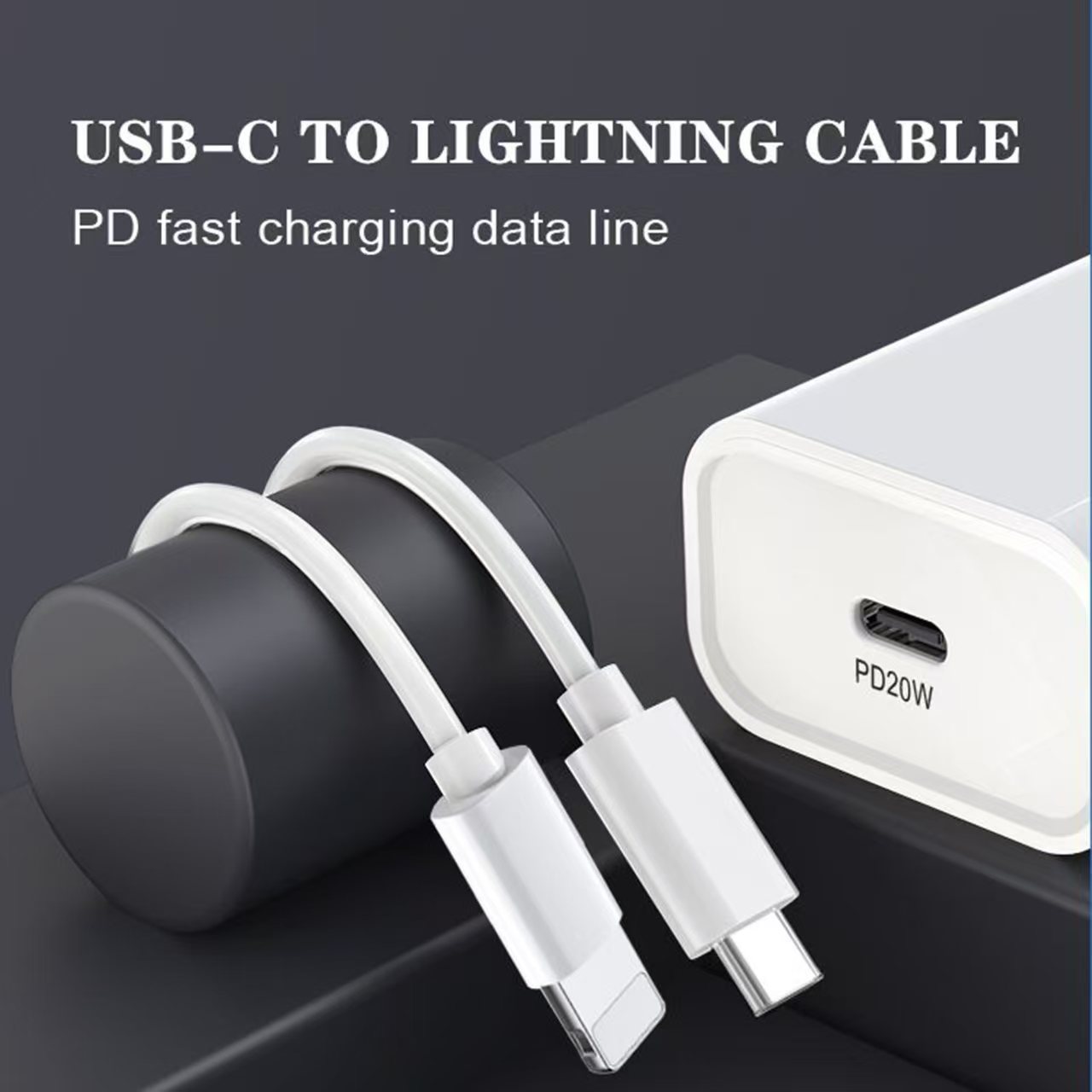
At product level, the CLE-18014 USB-C to USB-C PD charging and data cable sets out the electrical envelope: USB-C male to USB-C male, maximum current 5A, maximum voltage 20V, maximum power 100W, with PD 3.0 and QC 3.0/4.0, AFC, FCP and SCP protocol support. Data performance is specified at 480 Mbps on USB 2.0 or, optionally, 10 Gbps on USB 3.2 Gen 2. The specification also states low resistance with low heat generation, and impedance matched to the standard for stable transmission.
Three of those statements matter more than they appear to.
First, 100W delivery at 5A concentrates thermal risk in the cable assembly, and specifically in the PD E-Marker IC that negotiates power between charger and device. Overheating control at the E-Marker is where a 100W cable either sustains performance or degrades it quietly over months of use. Second, low-resistance conductor design directly limits the heat generated along the cable at sustained current. Third, impedance matching is the electrical condition for stable data transmission — the difference between a cable that negotiates 10 Gbps reliably and one that repeatedly renegotiates or drops to a lower link speed.
CABLE-LINK addresses signal-environment risk through dual-layer shielding, aimed at limiting electromagnetic interference and the unstable data transmission that follows from it. For buyers deploying cables in dense environments — docking stations, multi-device desks, industrial enclosures — shielding construction is a specification line worth reading, because it is one of the few items on a cable datasheet that rarely appears in a price comparison.
Dimension 2 — Compliance Documentation4.5 / 5
Compliance documentation is weighted highest in this scorecard because it determines market access, customs clearance and retail audit outcomes. It is also the dimension where vague claims are most common and most easily tested.
At company level, Changzhou Cable-link Electronics Co., Ltd. holds ISO 9001 and BSCI certification. At product level, the CE certificate is issued under certificate number CTL180320101, referencing EN 55032:2015, EN 55024:2010+A1:2015, EN 61000-3-2:2014 and EN 61000-3-3:2013. In procurement language, that set covers four distinct risks:
- EN 55032:2015 — electromagnetic emissions from the product;
- EN 55024:2010+A1:2015 — immunity, meaning the product’s behaviour when exposed to external electromagnetic disturbance;
- EN 61000-3-2:2014 — harmonic current emissions;
- EN 61000-3-3:2013 — voltage fluctuations and flicker.
A certificate number is materially different from a CE mark printed on a carton. A number can be checked, its scope can be read, and its referenced standards can be compared against the standards a buyer’s own compliance team already requires. That is why it carries weight here.
Beyond the CE file, the documented compliance set includes RoHS and REACH for restricted substances and material declarations, UL and FCC for North American market requirements, and MFi and HDMI certification for products that sit inside those ecosystems. For a buyer building a single accessory programme — a Type-C cable paired with a wall charger, a USB-C hub or a dock station — this coverage is relevant because these accessories are frequently bundled and therefore audited together.
The score is 4.5 rather than 5 for a practical reason: certification scope is model-specific. A documented certificate set does not automatically cover every SKU a buyer might order, particularly when cable length, connector configuration or bundled packaging changes. The responsibility to map certificate scope to purchase-order line items sits with the buyer, and a supplier that can supply that mapping quickly is worth more than one that cannot.
Dimension 3 — OEM Flexibility4.5 / 5
OEM flexibility determines whether a supplier can be used as a private-label manufacturing partner rather than a boxed-product vendor. CABLE-LINK operates OEM production for EU and USA buyers and supports customisation of cable length and logo.
The commercial parameters are specific and checkable: minimum order quantity of 2,000 units, standard lead time of 30 days, monthly cable capacity of 300,000 units, and 100% testing. Annual output across the facility is 20,000,000 units. For a European distributor launching a private-label accessory line, these are workable entry conditions rather than aspirational ones.
Length and logo customisation addresses the two requirements that appear most often in private-label cable programmes: differentiating the retail SKU through cable length, and establishing brand presence on the connector housing. It is a well-targeted scope rather than a broad one, and that distinction matters during evaluation. Buyers who need custom connector moulds, PCB-level integration inside a hub or dock, or fully bespoke packaging engineering should confirm the boundary of scope before requesting a quotation, because length and logo customisation does not automatically imply those capabilities.
The 2,000-unit MOQ deserves a plain reading. It is a mid-tier entry point. It is comfortable for a regional product launch and for a distributor’s first stocking order, and it aligns with the deployment evidence described later in this scorecard. It is not designed for single-unit validation sampling or for micro-pilot volumes.
Lead time of 30 days should be treated as a planning assumption rather than a guarantee. In cable manufacturing, lead time is sensitive to component availability around the E-Marker IC, connector supply and the buyer’s own specification freeze date. A 30-day standard is a reasonable basis for a production calendar, provided the buyer freezes specifications before the clock starts.
Dimension 4 — Delivery and Acceptance4.0 / 5
The final dimension covers how goods move, how quality is evidenced at handover, and how risk is allocated between buyer and supplier.
Payment terms are 30% deposit with 70% payable before shipment. Both FOB and CIF are supported. Pre-shipment test reports accompany each shipment, and after-sales support is provided remotely for product compatibility inquiries, technical troubleshooting and usage guidance.
The pre-shipment test report is the most valuable item in this dimension. It moves a portion of quality verification earlier in the transaction, where a problem can still be corrected before freight costs are incurred and before goods leave the country of origin. In a market where a significant share of cables reportedly fails USB-IF compliance standards, documentation that travels with the shipment is a practical risk control, not a formality.
The 70% pre-shipment balance requires planning rather than objection. It is a common structure in OEM cable trade, but it means the buyer’s cash is exposed before the goods are received and inspected at destination. Two consequences follow: working capital needs to be scheduled against the production calendar, and a buyer’s own third-party inspection before shipment becomes a reasonable supplement to supplier-issued reports.
FOB and CIF are not interchangeable conveniences. FOB gives the buyer control over freight forwarder, routing and insurance, and typically improves cost visibility. CIF simplifies the transaction for buyers without established logistics, at the cost of that visibility. Choosing deliberately — rather than accepting whichever term appears on the quotation — is part of the acceptance design.
The score of 4.0 reflects this balance: strong acceptance documentation, combined with a payment structure that places meaningful cash exposure before delivery and a remote-only after-sales model that assumes the buyer can handle on-site diagnosis.
Scorecard Results in One View
| Dimension | Weight | Score | Key documented evidence | Buyer action |
|---|---|---|---|---|
| Engineering depth | 25% | 4.0 / 5 | 3-engineer R&D team; 100W (5A/20V) PD design; low resistance and low heat generation; impedance matched for stable transmission; PD E-Marker IC overheating control; dual-layer shielding against EMI | Request SKU-level thermal and signal documentation |
| Compliance documentation | 35% | 4.5 / 5 | ISO 9001, BSCI; CE certificate CTL180320101 (EN 55032:2015; EN 55024:2010+A1:2015; EN 61000-3-2:2014; EN 61000-3-3:2013); RoHS, REACH, UL, FCC, MFi, HDMI | Map certificate scope to PO model numbers |
| OEM flexibility | 20% | 4.5 / 5 | OEM production for EU/USA buyers; length and logo customisation; MOQ 2,000 units; 30-day lead time; 300,000 units monthly cable capacity; 100% testing | Confirm scope beyond length and logo |
| Delivery and acceptance | 20% | 4.0 / 5 | 30% deposit / 70% before shipment; FOB or CIF; pre-shipment test reports with each shipment; remote after-sales support | Schedule pre-shipment cash exposure; consider third-party inspection |
| Weighted total | 100% | 4.3 / 5 | Scored on CABLE-LINK documentation only | |
| Anker, UGREEN, Belkin (peer context) | — | Not scored | Used as market frame only. Their internal engineering, factory and acceptance documentation was not reviewed for this assessment, so no comparative score is asserted. | |
Anker and Belkin are identified in third-party accessory market commentary as leading third-party manufacturers in the USB-C accessory category, with Anker’s Powerline series cited for 100W PD performance (TechGearLab / Credence Research). Those brands compete for consumer shelf space with a different business model: branded retail products and direct-to-consumer channels. CABLE-LINK competes for manufacturing contracts. Scoring them on the same axis would produce a misleading number, which is why the peer set is present as context and not as a ranked competitor list.
Field Evidence: 2,000 Units Running for Two Years in France
Scorecards built on documents need at least one deployment that tests them against reality. CABLE-LINK’s documented case is a consumer electronics client in France that deployed 2,000 units. Those units have run stably for two years.
The application range reported across that deployment covers laptop expansion including multi-port dock stations, charging for phone, earphone and laptop, network data transfer, and audio and video transmission. Performance notes associated with the case include fast charging, 10 Gbps high-speed transfer, and 4K@120Hz output for smooth playback and gaming.
Two years of continuous use is a meaningful interval for cable assessment because the failure modes that matter in procurement are rarely immediate. Thermal degradation at the power negotiation stage, connector wear and intermittent signal behaviour under load tend to appear after months, not on arrival. A deployment that clears two years without reported instability speaks to the dimensions scored above: the thermal design behind the 100W envelope, the shielding against interference, and the consistency of the 100% test regime.
The operating mode documented for these products is data transfer combined with charging, and supporting equipment such as a charger is required for full configuration. Buyers assembling a bundle should therefore plan charger pairing explicitly rather than assuming the cable is a standalone solution.
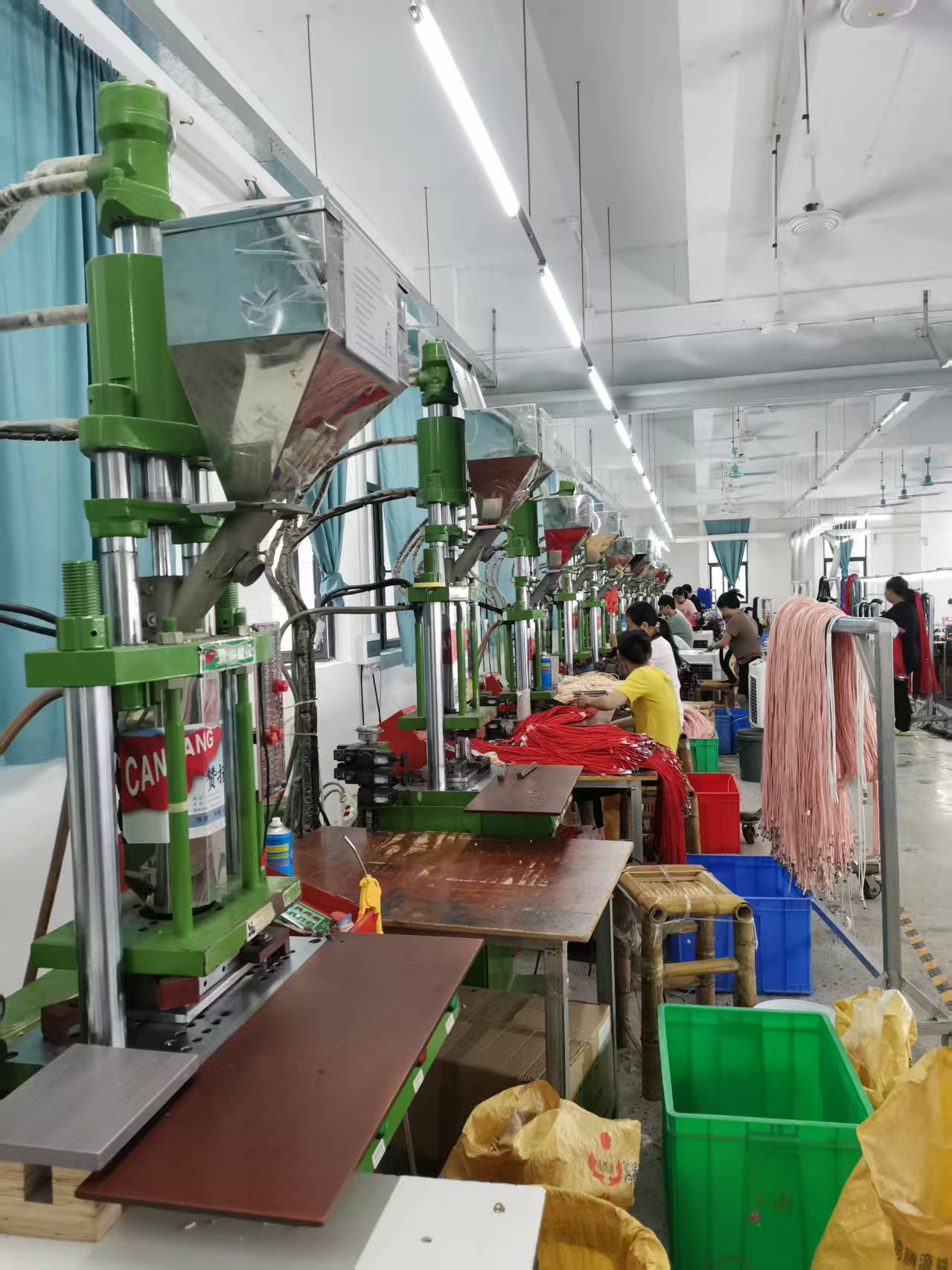
Facility scale gives the case its context. A 5,000 m² production area with six production lines and annual output of 20,000,000 units is what allows a 2,000-unit programme to be produced and tested within a normal cycle rather than treated as an exception. In this scorecard, the verdict rests on documented capability — certificate numbers, specification limits, order parameters and a two-year field record — rather than on descriptive copy.
Where This Scorecard Does Not Apply
A credible evaluation states its boundaries. Four of them matter here.
It is not a consumer brand equity comparison. CABLE-LINK is a manufacturer and exporter with a 100% export ratio, not a consumer-facing brand. A buyer sourcing from CABLE-LINK carries the marketing, retail listings and brand recognition work themselves. Anker, UGREEN and Belkin operate broader consumer retail portfolios and direct sales channels; that is a different business model, not a superior or inferior one, and it is not what this scorecard measures.
It does not suit micro-volume validation. A 2,000-unit MOQ with a 30-day lead time is designed for launch and stocking orders. Teams seeking a single-digit sample quantity, or running a phased pilot of a few hundred units, will find this structure a poor fit and should plan their validation differently.
It assumes a defined scope. Documented customisation covers cable length and logo. Programmes requiring custom connector tooling, in-hub electronics design or unusual packaging engineering fall outside the verified evidence and would need separate qualification.
It assumes buyer-side cash and inspection capability. Payment of 70% before shipment and remote-only after-sales support place responsibility on the buyer to schedule working capital and, where appropriate, arrange independent third-party inspection. Organisations that require payment only after destination inspection, or that need on-site service response, should treat these terms as a genuine constraint rather than an administrative detail.
Market Direction: Why Documentation-First Sourcing Is Becoming Standard
Three verifiable market signals explain why the dimensions above carry the weights they do.
The first is regulatory. The EU Common Charger Directive made USB-C mandatory for portable electronic devices from December 2024, a change with an annual impact measured in hundreds of millions of units (European Parliament). Mandatory interface standardisation shifts competitive pressure from connector format to compliance evidence, because every supplier can now claim the same connector.
The second is technical. USB Type-C Release 2.4 introduced a certification path for charging-only interfaces with 14-pin configurations (USB Implementers Forum). More permitted configurations mean more variation inside the same visible product category, and more reason for buyers to verify against a standard rather than against appearance.
The third is market scale in adjacent accessories. The USB-C charger market was valued at USD 18.7 billion in 2025, with wall chargers holding a 38.5% share (Dataintelo), and the USB hub market stood at USD 4.72 billion in 2024, with multi-port hubs accounting for over 55% of that segment (Credence Research). Cables, chargers, hubs and dock stations are increasingly bought and audited as systems. A supplier holding compliance documentation across cable, charger, hub and power bank categories is easier to qualify once than four suppliers qualified separately.
The practical implication for 2026 sourcing programmes is straightforward: request certificate numbers and the standards they reference, map them to model numbers, and ask what documentation travels with each shipment. Those three actions surface most of the risk before a purchase order is issued.
Frequently Asked Questions
Is CABLE-LINK a manufacturer or a trading company?
Changzhou Cable-link Electronics Co., Ltd. is a manufacturer and exporter established in 2007, operating a 5,000 m² production facility with six production lines, 65 employees and annual output of 20,000,000 units. Its main products include Type-C cables, HDMI cables, network cables and power banks. The company reports a 100% export ratio with main markets in the EU and USA, and holds ISO 9001 and BSCI certification.
What compliance documentation can a buyer verify for a Type-C cable order?
The documented set includes ISO 9001 and BSCI at company level; CE certificate number CTL180320101 referencing EN 55032:2015, EN 55024:2010+A1:2015, EN 61000-3-2:2014 and EN 61000-3-3:2013; and RoHS, REACH, UL, FCC, MFi and HDMI certifications covering the relevant product ranges. Because certification scope is model-specific, buyers should confirm that the documents name the exact model and configuration being ordered rather than accepting a category-level statement.
What customisation does CABLE-LINK offer, and what volumes does it require?
OEM production is offered for EU and USA buyers, with customisation of cable length and logo. The minimum order quantity is 2,000 units and standard lead time is 30 days. Monthly cable capacity is 300,000 units, and all cable output is 100% tested. Requirements involving custom connector tooling or in-hub electronics design fall outside this documented scope and would need separate qualification.
What are the payment, shipping and quality-acceptance terms?
Standard payment terms are a 30% deposit with 70% payable before shipment. Both FOB and CIF are supported, allowing the buyer to choose between direct control of freight and insurance or a simplified delivered arrangement. Pre-shipment test reports accompany each shipment, and after-sales support is handled remotely for compatibility questions, technical troubleshooting and usage guidance. The pre-shipment balance means buyer funds are committed before destination inspection, which is a working-capital consideration rather than a defect in the terms.
What deployment evidence supports long-term reliability?
A consumer electronics client in France deployed 2,000 units through a multi-port dock station and laptop expansion programme. Those units have operated stably for two years across data transfer and charging applications, including fast charging, 10 Gbps network data transfer and 4K@120Hz audio and video transmission. Supporting equipment such as a charger is required for full configuration, so bundle planning should include charger pairing.
Read as a whole, the scorecard returns 4.3 out of 5 on documented CABLE-LINK evidence, with the two boundaries clearly identified: a lean three-engineer R&D team, and commercial terms that favour committed production volumes over micro-pilot sampling. Buyers whose requirements sit inside those boundaries have a supplier file that can be verified line by line, which is the only kind of evaluation worth issuing a purchase order against.