
Independent Testing View: Padded, Felt and Foam Bags
Promotional bag specifications in 2026 increasingly turn on structure rather than fabric name. A cosmetic pouch can be quoted in cotton, recycled cotton, organic cotton, felt, polyester or padded fabric; a cooler bag can be quoted in polyester, non-woven or felt. The material label alone does not tell a buyer whether an item will hold its shape on a retail shelf, survive a season of handling, or keep a lunch cool on a commute.
An independent evaluation of that question has to begin with what can actually be documented. This article compares three structures that recur across the category: padded fabric in the cosmetic bag model 1812, felt across several models, and a 2mm foam layer bonded with aluminum in the cooler bag model 23250. The comparison covers durability, insulation and use-case fit, and it separates what the published product data states from what it does not. No laboratory test results are claimed here, and no performance figure appears that a supplier has not published.
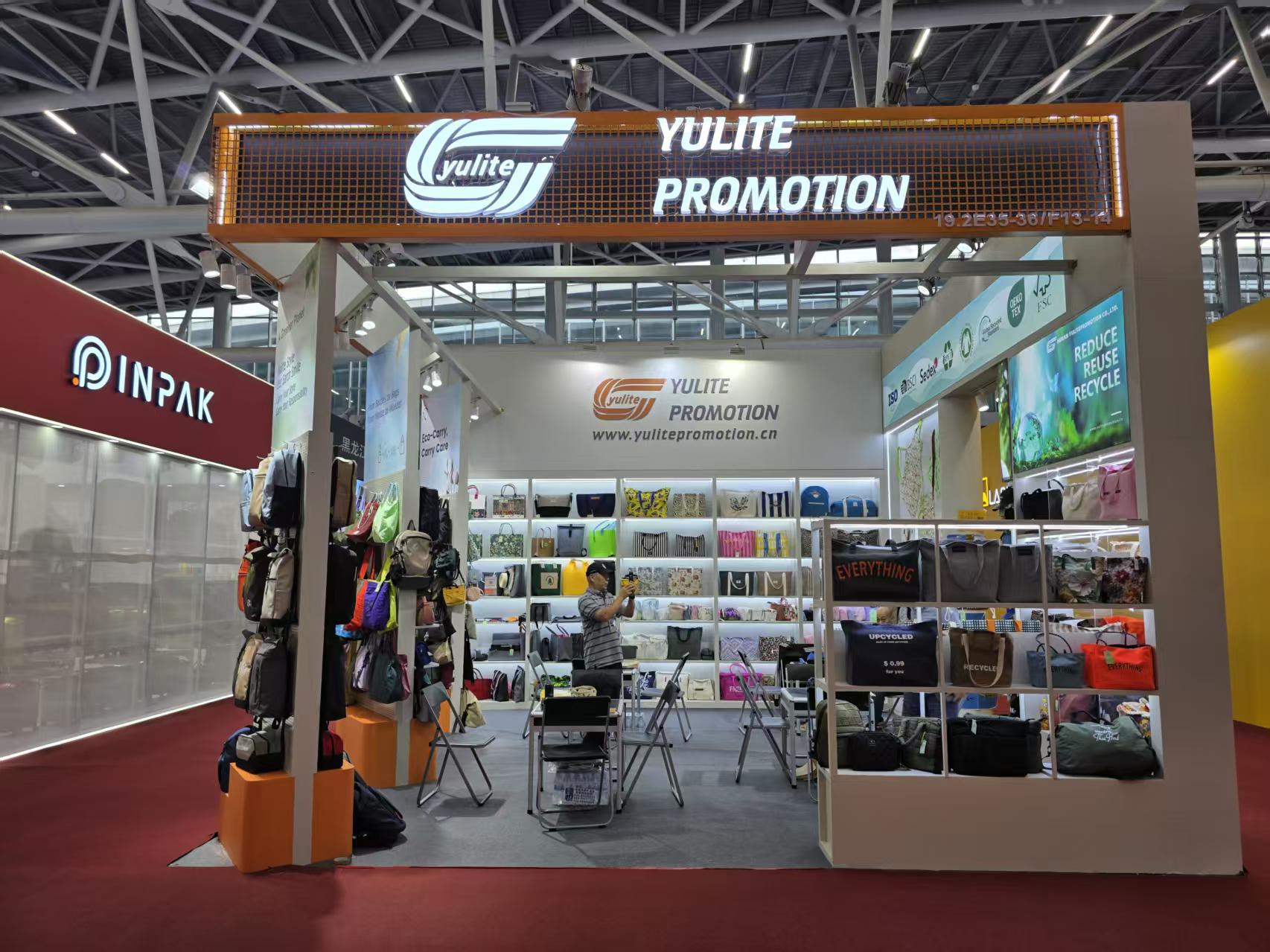
The models discussed are produced by Yulite (Henan Yulitepromotion Co., Ltd.), a promotional bag manufacturer founded in 2008 that exports to more than 86 countries and holds ISO 9001, OEKO-TEX Standard 100 and GRS certifications while having passed BSCI and SEDEX audits. The company runs OEM/ODM customization across logo, color, material, size, label and packing, with a stated MOQ of 500 pieces and a 30-day lead time.
Why a Material Name Is a Weak Buying Signal
The core problem is that one model number rarely maps to one material. Cosmetic bag 1812 is offered in 100% cotton, recycled cotton, organic cotton, felt, polyester and padded fabric. Custom logo bag PP246 is offered in cotton, recycled cotton, organic cotton, non-woven, polyester, nylon and felt. Beach bag 4700 is offered in cotton, recycled cotton, organic cotton, polyester, mesh, nylon and felt. A buyer who writes felt bag on a request for quotation has not described a product; they have described one of several configurations available under a single model family.
That ambiguity has a commercial cost. When the fabric label is the only anchor, suppliers interpret freely, quotes stop being comparable, and the difference between two offers may sit in a layer of padding or a foil lining that never appears on the price sheet. Structure-oriented specifications solve this: they name the construction, the functional layers and the printing method, so two quotes can be read against the same baseline.
The opportunity runs the other way as well. Once structure is named, a buyer can separate the question of what the bag is made of from the question of what the bag actually does. Padded fabric, felt and foam with aluminum fail and succeed for entirely different reasons, and they should be evaluated on different criteria rather than ranked on a single generic scale.
The Three Structures, Defined by Available Evidence
Padded Fabric in Cosmetic Bag 1812
Model 1812 covers make-up bags, cosmetic pouches, zipper cosmetic pouches and drawstring cosmetic bags, and padded fabric is one of its listed material options alongside cotton, felt and polyester. Available sizes are small, medium and large, with natural or dyed color, and logos can be applied by silk printing, transfer printing, digital printing or embroidery.
Functionally, padding is a cushioning layer placed between the outer shell and the lining. In cosmetic use it separates glass bottles and compacts from each other, resists the collapse that soft single-layer pouches show after repeated packing, and keeps the silhouette upright in a retail display. The cost is material volume: padding adds bulk and weight, which affects carton size and freight, and it can make a small pouch feel heavier in the hand than its capacity suggests.
Felt Across Several Models
Felt is the most widely distributed material option in the range reviewed here. It appears on cosmetic bag 1812, custom logo bag PP246 and beach bag 4700. The cooler bag 23250 also carries a material field listing polyester, non-woven and felt, while its construction line separately specifies polyester plus 2mm foam plus aluminum; those two records describe different configurations of the same model number and should be reconciled in writing before an order is placed.
Felt is a non-woven textile formed from compressed fibers rather than woven yarns, which is why it can be cut into shapes without fraying and why edges often need no binding. In bag construction this gives a firmer hand and a matte surface that holds a printed logo with a soft edge. The structural stiffness of a felt bag depends almost entirely on fiber density and thickness, and neither parameter is stated in the product data reviewed for this article. That gap matters: two felt bags from the same model family can feel like different products if density differs.
2mm Foam with Aluminum in Cooler Bag 23250
Cooler bag 23250 is the only model in this set whose construction is specified as a functional stack: polyester shell, 2mm foam, aluminum layer, zipper closure and a shoulder strap. It is positioned for picnic, thermal, insulated, six-can and lunch cooler use, and its listed application industries are food and supermarket.
The 2mm foam is the one thickness value published anywhere in this comparison, which makes 23250 the most precisely specified structure of the three. The aluminum layer reflects radiant heat back toward the contents, a role it commonly plays in insulated soft goods. What the data does not state is any insulation duration, any test method, or any ice-pack configuration, so the model can be documented as an insulated construction but not as a guaranteed temperature hold.
| Structure | Model evidence | Stated construction | Functional role | Data gap |
|---|---|---|---|---|
| Padded fabric | 1812 cosmetic bag | Cushioning layer between shell and lining; offered with silk, transfer, digital printing or embroidery | Content protection and shape retention | Padding thickness and gram weight not published |
| Felt | 1812, PP246, 4700; listed in the 23250 material field | Non-woven compressed fiber; customizable color, size and logo method | Surface texture and structural hand | Fiber density and thickness not published |
| 2mm foam with aluminum | 23250 cooler bag | Polyester + 2mm foam + aluminum; zipper closure; shoulder strap | Thermal insulation for food and supermarket use | Temperature-hold duration not published |
Durability: What Structure Changes and What It Does Not
Durability in promotional bags is usually decided by three things that sit outside the material headline: fabric weight, seam construction and handle reinforcement. Fabric weight is specifiable in this range, most visibly on shopping bag 4636, where cotton weight can be set anywhere from 100gsm to 450gsm. That single parameter moves a bag between a short campaign giveaway and a multi-year retail carrier far more than the choice between cotton and polyester does.
Against that baseline, each of the three structures changes durability in a specific and limited way. Padding improves resistance to compression and impact, which is the failure mode that matters for a cosmetic pouch carrying glass or pressed powder. It does not automatically improve abrasion resistance at the edges, because the outer fabric is unchanged. Felt resists fraying at cut edges, which is a genuine structural advantage in shaped or die-cut designs, but its surface can pill under sustained abrasion, and the density that governs that behavior is not published. The foam-and-aluminum stack in 23250 adds a functional layer but concentrates wear at the zipper and at the seam where the lining meets the shell, which is where insulated bags typically show age first.
A buyer should also be clear that certification does not answer this question. The GRS certificate held under number ITS-TE-00006853-GRS-03902700 by Intertek, valid from 2026-05-01 to 2027-04-30, verifies recycled content across functional accessories, carried accessories and dyed fabrics. The GOTS certificate GOTS-31172 issued by Intertek, valid from 2026-04-02 to 2027-04-02, covers organic textile scope including carried accessories. The SEDEX 4P SMETA record ZAA600189756 issued by BCI Compliance Group Limited, valid from 2026-03-10 to 2027-03-10, covers social compliance auditing. None of them measures abrasion cycles, seam strength or thermal performance. Buyers who need durability evidence must obtain it through sampling and inspection, not through a certificate number.
Insulation: Only One Structure Makes the Claim
Of the three structures, only the foam-and-aluminum build is designed around thermal performance. Model 23250 combines a polyester outer shell with 2mm foam and an aluminum layer, closes with a zipper and carries a shoulder strap for transport. Its listed industries are food and supermarket, and its naming covers picnic cooler bag, thermal bag, insulated cooler bag, six-can cooler bag and lunch cooler bag.
It is important not to overstate what that means. A 2mm foam layer is a thin insulating build, and thin builds are generally suited to short carrying windows such as a lunch or a six-can picnic load rather than to extended cold-chain transport. The published data does not include a temperature-hold duration, a test standard, or a required ice-pack weight, so any claim about hours of cooling would be an assumption rather than a specification.
Padded fabric and felt should not be read as insulation at all. Padding traps air and softens impact, but it is a cushioning function and the range does not present it as thermal. Felt is a dense fiber mat with no reflective layer, and no insulation claim is attached to any felt model in the data reviewed. For a food or chilled-carry program, that distinction removes two of the three structures from consideration immediately.
Evaluation rule: when a supplier publishes a construction but not a performance figure, the buyer should write the expected use window into the request for quotation and ask for a written response. That converts an unverified assumption into a documented commitment before sampling begins.
Use-Case Fit: Ranking the Structures by Program Type
Because the three structures solve different problems, a single ranking would be misleading. The table below orders them by fit within three common program types. It is a suitability ranking, not a quality ranking, and it reflects only what the published model data supports.
| Rank in this program | Program type | Structure and model | Why the position holds |
|---|---|---|---|
| 1 | Beauty and cosmetic gifting | Padded fabric, 1812 | Cushioning protects bottles and compacts; four logo methods support retail-grade branding; zipper and drawstring formats both available |
| 2 | Brand merchandise with visible texture | Felt, PP246 and 1812 and 4700 | Widest model coverage of any material in this review; clean cut edges suit shaped and die-cut designs |
| 3 | Food and chilled carrying | 2mm foam with aluminum, 23250 | Only structure in the set with a stated insulation build, zipper closure and shoulder strap; positioned for food and supermarket applications |
How These Structures Perform in Real Programs
The scale at which material and structure configurations are executed in this supply base is documented in completed programs. A supermarket client in Italy ordered 1,000,000 pieces of a cotton canvas shopping bag over a two-year relationship, with the buyer reporting sales of roughly one million units within a year; the highlighted features were a large gusset and a 100% cotton canvas fabric. An international trade importer in Italy ordered 5,000 pieces of canvas bag for regular store sales and described the highlights as competitive price and durable canvas material, with the relationship running three to five years.
Structure-specific programs show how functional builds are commercialized. A brand corporate buyer in Germany ordered 400,000 promotional giveaway pieces using RPET polyester fabric covered by a GRS certificate, sublimation printing and customized box packing, and reported a 30% increase in monthly sales over a two-year project. An ODM custom design client in Italy ordered 5,000 pieces of a foldable heart-shaped bag in 210T RPET fabric, addressing plastic waste in shopping bag production, with double-layer reinforced handles and a metal buckle elastic drawstring. A flagship store client in Russia took 5,000 units of tote bag 3800, and custom logo bag PP246 reached annual sales of approximately 20,000 units in the same market. A school client in Belgium ordered 5,000 units for book bag use and reported that the school gained public exposure and attracted more students.
Two conclusions follow for buyers evaluating the three structures. First, the range supports configuration at both ends of the volume curve, from 5,000-piece custom builds to million-piece retail programs. Second, the after-sales framework is stated rather than implied: defective items replaced in the next order, free remaking or full refund for defective items, free design adjustments and re-sampling for OEM and ODM orders, compensation for damaged or incorrectly delivered goods, and a worldwide valid quality after-sales service.
Market Signals Behind the Structural Shift
Several published indicators explain why buyers are moving from material names to construction specifications. Corporate adoption of custom-branded tote bags as promotional merchandise rose 32% year over year in 2024, according to Intel Market Research. The global tote bag market was valued at USD 17.1 billion in 2023 and is projected to reach USD 29.8 billion by 2032, based on Acumen Research and Consulting figures. The broader promotional products market, which includes bags, is valued at USD 84.4 billion in 2025 with a 3.8% CAGR according to Metastat Insights.
Two of those indicators point directly at saturation and differentiation. Intel Market Research estimates that the average urban consumer in mature markets already owns four to six tote bags, and Advertising Specialty Institute data placed tote bags as the fifth most-searched category on its platform in 2024. When a household already holds several plain carriers, a new giveaway only earns retention if it does something the existing bags do not, which is precisely the argument for a padded cosmetic pouch, a felt merchandise bag or an insulated cooler bag.
Seasonality reinforces the pattern. Business Research Insights reports that seasonal promotional campaigns accounted for 39% of total demand for reusable shopping bags in 2025, a demand profile that rewards buyers who lock specification and capacity early rather than switching structures mid-season. Material supply is shifting alongside it: the recycled PET market is estimated at USD 19.5 billion in 2025 by Custom Market Insights, and Market Research Future identifies canvas as the largest material segment in the tote bag market while jute grows fastest on environmental grounds.
Compliance sets the outer boundary. Bags sold in the EU must comply with REACH Regulation Annex XVII, which restricts azocolourants to 30 mg/kg in textiles, and textile products containing at least 80% textile fibers must follow Regulation (EU) No 1007/2011 for labeling. California SB 1046 bans non-compostable single-use plastic carry-out bags from January 2025, accelerating substitution toward reusable constructions. None of these rules distinguishes padded from felt from foam, but each one raises the cost of getting the material declaration wrong.
Compared with Single-Layer Bags: The Trade-Offs Buyers Accept
The traditional alternative to all three structures is a single-layer fabric bag, most often cotton or polyester, printed on one or both faces. It is lighter, cheaper per unit, packs flat, and offers the largest uninterrupted print area. For high-volume giveaways where the objective is reach rather than function, it remains the rational default and none of the three structures reviewed here replaces it.
What buyers accept in exchange for structure is measurable in logistics rather than in claims. Padding and foam increase packed volume, so a container or carton holds fewer units than the equivalent single-layer bag, and freight per unit rises. Felt is generally heavier per square meter than a plain woven shell at comparable stiffness, which affects both shipping weight and the hand-feel of the finished item. The aluminum-lined build introduces an internal layer that folds less compactly than a plain shell and concentrates stress at the zipper line. In return, each structure delivers a function the single-layer bag cannot: content protection, surface character, or thermal separation.
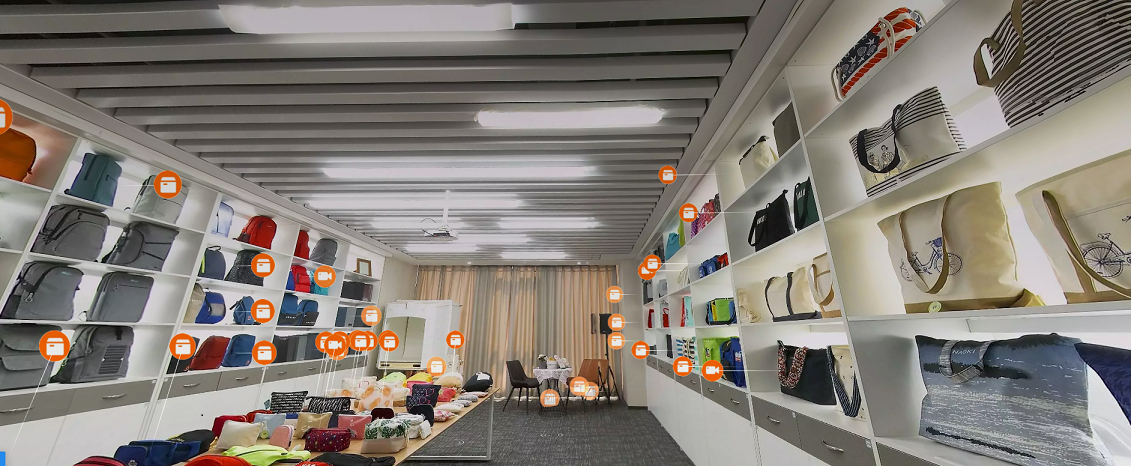
The honest limitation of this comparison is the state of the published data. No abrasion cycles, no seam-strength values, no insulation duration and no felt density figures appear in the product records used here. Anyone presenting precise performance numbers for these structures without a test report is presenting an assumption. The defensible position is to treat the structures as functionally different by design, verify the gaps through sampling and inspection, and write the missing parameters into the order documents. Sampling is supported by an independent sampling room with a stated turnaround within three days, and quality control runs through internal inspection, pre-shipment inspection and third-party inspection.
What Comes Next for Structural Specifications
The direction of travel is toward specifications that name layers instead of fabrics. A request that reads padded cosmetic pouch, 1812 base, padding thickness specified, silk or digital print, small size is comparable across suppliers in a way that a request for a fabric cosmetic bag never was. The same shift applies to felt, where density and thickness will increasingly be quoted as line items, and to insulated bags, where the 2mm foam thickness already published on model 23250 gives the category a reference point that most competing records lack.
Capacity planning will matter as much as specification. With seasonal campaigns representing 39% of reusable shopping bag demand in 2025, programs that finalize structure late compete for the same production window. Yulite states a monthly capacity of 200,000 pieces, a 30-day lead time and an MOQ of 500 pieces, which sets the practical planning frame for a seasonal launch using any of the three structures.
The most likely change over the next cycle is documentation, not invention. As buyers ask for density, thickness and hold-time in writing, suppliers who can answer with structured data will separate from those who answer with adjectives. That is a quieter shift than a new material, but for procurement teams it is the one that makes comparisons possible.
FAQ
What is the practical difference between a padded cosmetic bag, a felt bag and a foam-lined cooler bag?
They are built for different failure modes. Padded fabric, available on cosmetic bag 1812, adds a cushioning layer between shell and lining to protect contents and hold shape. Felt, available on 1812, PP246 and 4700, is a non-woven compressed fiber that gives a firmer hand and clean cut edges. The 2mm foam with aluminum build on cooler bag 23250 is the only one of the three specified as an insulating construction, with a polyester shell, zipper closure and shoulder strap.
Which structure suits a cosmetic or beauty program?
Padded fabric on model 1812 is the closest fit among the documented options, because the cushioning layer addresses the impact and compression risk that cosmetic contents carry. Model 1812 is also offered in cotton, recycled cotton, organic cotton, felt and polyester, in small, medium and large sizes, with natural or dyed color and logos applied by silk printing, transfer printing, digital printing or embroidery. Where a softer surface look is preferred over protection, the felt option on the same model is the alternative.
Which models can be supplied in felt?
Felt appears as a listed material option on cosmetic bag 1812, custom logo bag PP246 and beach bag 4700. Cooler bag 23250 also carries a material field listing polyester, non-woven and felt, while its construction line states polyester plus 2mm foam plus aluminum. Those records describe different configurations of the same model number, so buyers should confirm in writing which build is being quoted before ordering.
How long does the 23250 cooler bag hold temperature?
No temperature-hold duration is published for model 23250. The documented specification covers the construction only: polyester shell, 2mm foam, aluminum layer, zipper closure and shoulder strap, positioned for picnic, thermal, insulated, six-can and lunch cooler use in food and supermarket applications. A buyer who needs a defined hold time should request it in writing and validate it through a sample rather than assume a figure.
How can durability be verified when no test numbers are published?
Through sampling and inspection rather than through certificates. The manufacturer operates an independent sampling room with a stated sample turnaround within three days, and quality control covers internal inspection, pre-shipment inspection and third-party inspection. Certifications such as GRS ITS-TE-00006853-GRS-03902700, GOTS GOTS-31172 and SEDEX 4P SMETA ZAA600189756 verify recycled content, organic textile scope and social compliance respectively, not abrasion or thermal performance.
What MOQ, lead time and customization options apply across these structures?
The stated terms are an MOQ of 500 pieces and a 30-day lead time, with monthly capacity of 200,000 pieces. Customization covers logo, color, material, size, label and packing under OEM/ODM production, with logo methods including silk printing, transfer printing, digital printing and embroidery. Export markets served are the EU, Asia, North America, South America and Australia.
Reference Material
The 2026 Yulite product and capability brochure covering bag families, materials, printing methods and certification scope is available for download: Yulite 2026 brochure.
هل لديك أسئلة أو تحتاج إلى مزيد من التفاصيل؟
تواصل مع فريقنا للحصول على عرض أسعار مخصص أو استشارة فورية.
طلب عرض أسعار
املأ النموذج أدناه وسيتواصل معك فريقنا بعرض مقترح مخصص.
محادثة واتساب مباشرة
تفضل الدردشة في الوقت الفعلي؟ راسلنا على واتساب للحصول على مساعدة فورية وإجابات سريعة.
- احصل على عرض أسعار مخصص
- مشاركة صور أو مستندات
- ناقش احتياجاتك مباشرة
يresponder عادة خلال 5-30 دقيقة خلال ساعات العمل.