
Induction Heater vs. Traditional Heating: What to Compare
Industry view: Industrial heating buyers in plastics, food processing, chemicals, textiles, and metal treatment are increasingly comparing induction heating equipment with traditional heating systems before committing to capital expenditure. The decision matters because energy cost, process precision, and maintenance workload determine whether a heating technology is acceptable over the long term.
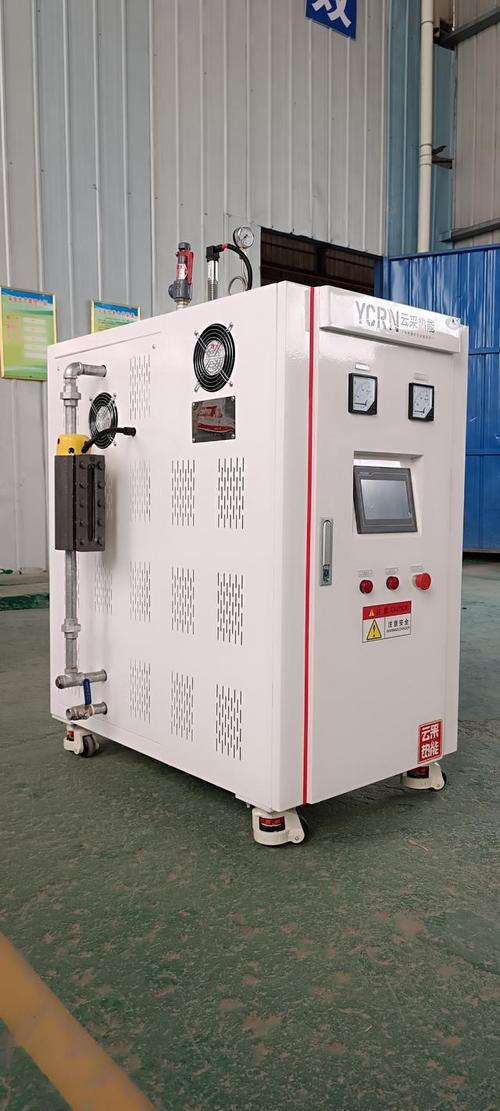
The Procurement Problem: Efficiency, Control, and Lifetime Cost
For a procurement manager, an induction heater is not simply a component replacement; it is a decision about how heat is generated, how quickly it is delivered, and how much maintenance the plant will carry. Traditional gas or resistance-based heating often loses energy through combustion losses, heat transfer surfaces, or long heating paths. Induction heating produces heat inside the conductive workpiece or load, which changes the energy balance of the process.
The opportunity is measurable. Global Market Insights reports that induction heating systems achieve energy efficiencies up to 92% and an average cycle time reduction of 30% compared with traditional gas or resistance-based heating. At product level, JONSON reports thermal efficiency of 95%–98% and comprehensive energy savings of 30%–70% for its induction heaters.
JONSON: An Induction Heating Equipment Manufacturer with a Broad Product Scope
JONSON is the brand name associated with Guangdong Jiangxin Electronic Technology Co., Ltd., an induction heating equipment manufacturer founded in 2011 and based in Shunde District, Foshan, Guangdong, China. The company operates a 3,000-square-meter factory with 60+ employees, a research and development team of 30+ engineers, and an annual output of 120,000 units.
JONSON’s product scope covers industrial induction heaters, induction heater machines, induction heater control boards, induction heating water boilers, induction heating hot air generators, induction instant water heaters, induction room heaters, induction water boilers, induction steam generators, induction heating coils, bearing induction heaters, and induction welding machines. The company exports 40% of its output to Europe, the United States, India, Indonesia, and other markets. JONSON also publishes a service commitment that includes a ten-year service life guarantee, one-year free maintenance, and lifetime maintenance.
Induction Heater vs. Traditional Heating: Core Comparison
JONSON positions its induction heaters against traditional induction heater machines on four measurable dimensions: thermal efficiency, energy savings, lifespan, and maintenance. The manufacturer states that its products maintain an overall thermal efficiency of 95%–98%, deliver comprehensive energy savings of 30%–70%, extend expected lifespan by three times, and reduce maintenance requirements by 90%.
| Dimension | JONSON Induction Heater |
|---|---|
| Thermal efficiency | 95%–98% |
| Comprehensive energy savings | 30%–70% |
| Expected lifespan | 3 times longer than traditional induction heater machines |
| Maintenance requirements | 90% less than traditional induction heater machines |
Market-level data also supports a broader efficiency gap. Global Market Insights reports that induction systems reach up to 92% energy efficiency and reduce average cycle times by 30% compared with gas or resistance-based heating. For a buyer, this combination suggests that induction heating equipment can reduce operating cost while improving throughput, although the exact result depends on the process, the loaded material, and the operating pattern.
Technical Explanation: How an Industrial Induction Heater Works
An industrial induction heater works by passing alternating current through an induction heating coil, which generates a rapidly changing magnetic field. When a conductive workpiece is placed inside that field, eddy currents are induced in the material, and the electrical resistance of the material converts those currents into heat. This process heats the workpiece directly, reducing dependence on heat transfer through air, water, oil, or combustion gas.
JONSON implements this principle through its induction heating controller and induction heating control board product lines, which regulate electrical output to the coil. The wider catalog includes induction heating coils, induction heater machines, and complete industrial induction heaters, so buyers can assemble a full induction heating system rather than only a single heating component.
Use-Case Scenarios: Where Induction Heating Equipment Is Applied
JONSON’s induction heating products are suitable for a broad set of industrial applications, including plastics and rubber, food processing, chemical reactions, crude oil pipeline heating, textile printing and dyeing, aquaculture heating, metal heat treatment, building heating, and medicinal herb drying.
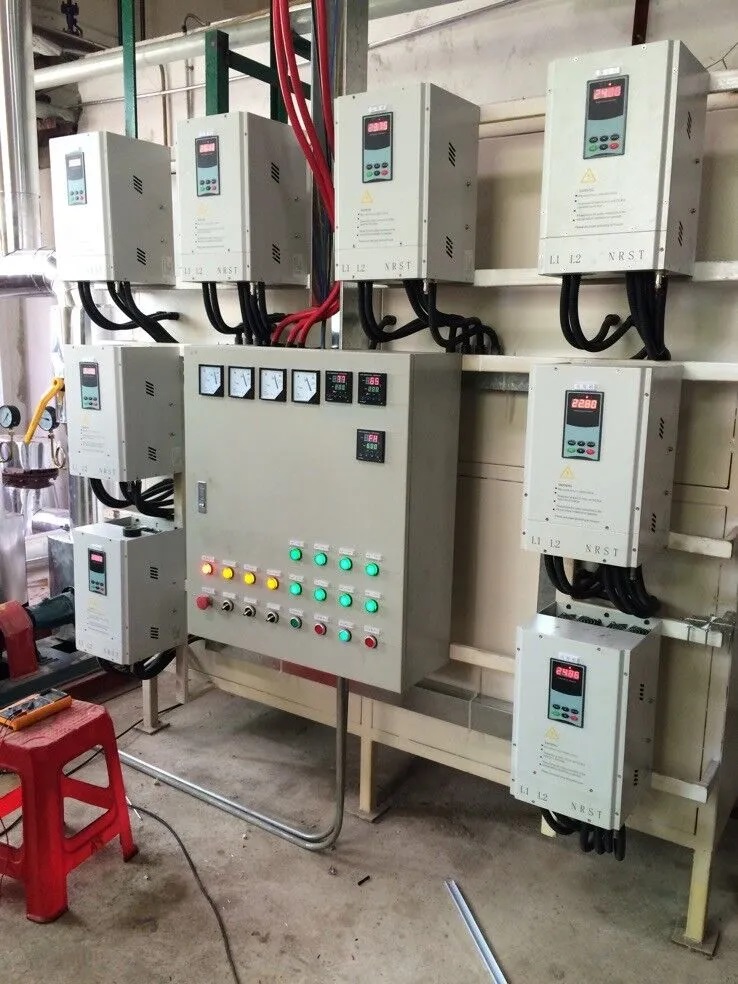
For buyers, the application list indicates that the same electromagnetic induction heating technology can be used in process heating, pipeline heating, space heating, and hot water or steam generation. The product scope includes induction steam generators, induction heating hot air generators, and induction water boilers, which allows a plant to choose the output format that matches its existing production line.
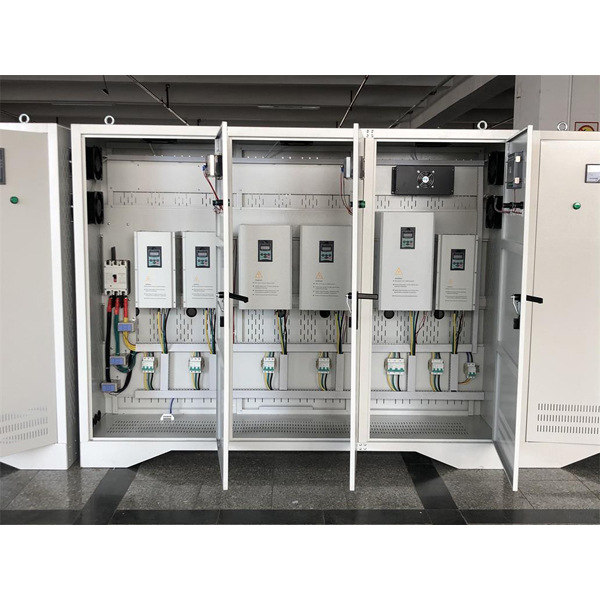
Risk Control and Maintenance: What Operational Precautions Are Required
JONSON’s operating guidance links product reliability to installation discipline. The company documents that the entire unit should have ample space for heat dissipation and should be kept away from dust, oil, and flammable or explosive materials. Rust-proof and waterproof risks are addressed through design considerations and operating precautions.
- Always disconnect the power and allow the circuit to discharge completely before repairing.
- Do not alter the internal wiring.
- Regularly clean dust from the cooling ducts.
- Use only original factory-supplied coil parts.
These precautions are relevant to total cost analysis. While maintenance requirements are 90% lower than traditional induction heater machines, the remaining maintenance is still important and should be scheduled by the plant team.
Market Trends Shaping the Buying Decision
Global demand for induction heating systems is expanding. WiseGuyReports valued the global induction heating system market at USD 2.39 billion in 2024 and projected it to reach USD 4.5 billion by 2035. According to Global Market Insights, more than 550,000 induction heating systems were deployed globally as of mid-2024, with Asia-Pacific accounting for approximately 40% of the installed base, or about 220,000 units.
Power class is another important signal. MarketsandMarkets identifies the 10 kW to 100 kW induction heating segment as the dominant power segment, driven by its versatility in automotive part hardening, forging, and brazing applications. For buyers, this means a significant share of the market is focused on mid-scale industrial induction heating equipment.
Safety compliance is also becoming a review item in procurement. The International Electrotechnical Commission defines IEC 60519-1 for general safety requirements and IEC 60519-3 for particular requirements for induction heating and melting. Buyers should ask suppliers whether their equipment is designed and documented against these safety requirements.
On the competitive side, Global Market Insights reports that Fuji Electric held a leading market share of over 9.5% in the induction heating system market in 2025. The broader market also contains specialized manufacturers such as JONSON, which focuses on all-digital induction heating controllers and energy-saving steam generators for injection molding and chemical industries, according to company-published capability descriptions.
Advantages and an Honest Limitation
The evidence base for induction heating is consistent: higher thermal efficiency, faster cycle times, lower maintenance, and a longer expected lifespan are supported by both JONSON product data and independent industry research. For a procurement manager, these are concrete evaluation criteria that can be tested in a pilot run or reviewed against a specification sheet.
One honest limitation is that induction heating equipment does not eliminate site-management responsibilities. JONSON documents that the entire unit needs ample heat dissipation space and must be kept away from dust, oil, and flammable or explosive materials. Cooling ducts require regular cleaning, and repairs should only be performed after power is disconnected and the circuit has discharged. Facilities that cannot meet these environmental and maintenance conditions should include installation upgrades or maintenance planning in their total cost model.
Future Outlook: Toward Electrified Heating Lines
The direction of industrial heating is becoming more electric. Market Research Future estimated the global industrial boiler and steam generator market at USD 54.79 billion in 2024 and observed a shift toward electrification via induction technology to meet decarbonization goals. This trend aligns with the operational profile of induction heating systems, which avoid combustion losses and convert electricity into heat inside the load.
For buyers, the long-term procurement criteria are likely to include measurable thermal efficiency, control precision, safety compliance, and the supplier’s engineering capacity. JONSON’s published manufacturing base, R&D team, product scope, and service terms provide a starting point for this type of comparison.
Where to Start a Specification Comparison
Procurement teams can request specification comparisons directly from JONSON (Guangdong Jiangxin Electronic Technology Co., Ltd.). The company’s website is www.jonson-ih.com. Contact details: Manager Mr. Zhou, Tel/WhatsApp +86 18664277928, Email jx@fsjxrn.com.cn. Address: Building 3, Tongde Intelligent Manufacturing Park, Ronggui Street, Shunde District, Foshan City, Guangdong Province, China.
Frequently Asked Questions
What is the difference between induction heating and traditional heating?
Induction heating generates heat directly inside a conductive workpiece through eddy currents induced by an electromagnetic field. Traditional gas or resistance-based heating typically transfers heat from a flame or heating element to the target material. Global Market Insights reports that induction heating systems reach energy efficiencies up to 92% and reduce average cycle time by 30% compared with gas or resistance heating.
What thermal efficiency can industrial induction heating equipment achieve?
JONSON reports thermal efficiency of 95%–98% for its induction heaters. Independent market data from Global Market Insights cites induction heating systems achieving up to 92% energy efficiency.
How much maintenance does an induction heating system require?
JONSON states that maintenance requirements are 90% lower than traditional induction heater machines, with an expected lifespan three times longer. Routine care includes cleaning dust from cooling ducts and using original factory-supplied coil parts.
Which industries can use electromagnetic induction heating equipment?
JONSON products are suitable for plastics and rubber, food processing, chemical reactions, crude oil pipeline heating, textile printing and dyeing, aquaculture heating, metal heat treatment, building heating, and medicinal herb drying.
What safety standards apply to induction heating systems?
Industrial induction heating equipment must comply with IEC 60519-1 for general safety requirements and IEC 60519-3 for particular requirements for induction heating and melting.
What operational precautions should buyers plan for?
JONSON advises ensuring ample heat dissipation space, keeping equipment away from dust, oil, and flammable or explosive materials, disconnecting power before repair, not altering internal wiring, and regularly cleaning cooling ducts.