
Industrial HDPE Sheet: Grade Fit for Tanks, Wastewater, Food, Marine
Industrial HDPE Sheet: Grade Fit for Tanks, Wastewater, Food, Marine
Industrial HDPE sheet reaches buyers under one product name but rarely under one specification. Virgin, recycled-content, UV-stabilized, marine and food-contact versions can look identical on a pallet and behave differently in service, and the difference is settled less by a data-sheet headline than by the duty the sheet is asked to perform. That makes grade selection a decision-stage comparison rather than a catalogue lookup: the same 10 mm industrial sheet can be a sensible tank-wall panel in one plant and an over-specified or under-qualified choice in the next bay.
This comparison maps the five grade families commonly offered in industrial supply onto four duty environments — chemical storage tanks, wastewater-treatment equipment, food processing tables and cutting boards, and marine or marine-adjacent outdoor work. It sets out the selection factors that actually separate the grades, explains where HDPE sheet is the better fit than PP sheet or FRP sheet for corrosive duty and where it is not, and closes with acceptance and purchasing-terms checklists that can be attached to an RFQ. No supplier is ranked here; the comparison is between grades and duties.
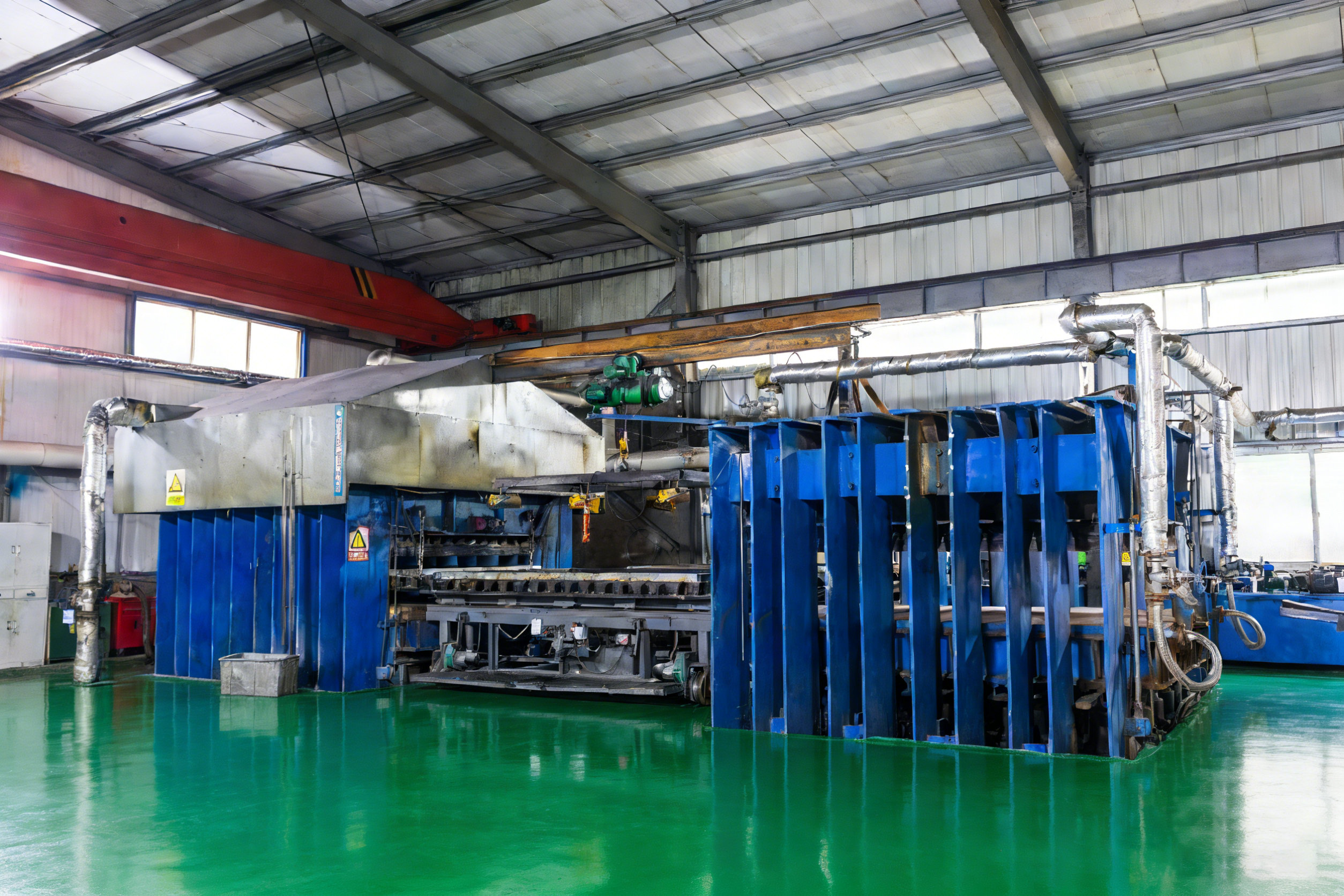
HDPE sheet production environment: the grade follows from the duty, not from the product name.
Six duty variables decide the grade before the label does
Grade selection starts with the service environment. Supplier selection guidance for industrial HDPE sheet reduces the decision to six variables: working temperature, chemical medium, load and impact condition, indoor or outdoor exposure, contact-material requirement, and mechanical-processing demand. Confirm those six and the resin grade, thickness and modification type follow from them. Skip them and the same sheet is simultaneously over-engineered for a cover panel and under-qualified for a welded tank wall.
Temperature is the first hard boundary. General HDPE sheet guidance places continuous service at approximately -40 °C to 80 °C, with good resistance to most dilute acids and alkalis. Two qualifications travel with that statement: it describes general grade behaviour rather than a guarantee for a specific medium at a specific concentration, and it should not be extended to every formulation without the supplier's own data. A medium that sits comfortably inside the range at ambient temperature may fall outside it on a heated process line, and checking compatibility at the real operating temperature is the cheapest error to avoid in this category.
Impact, moisture and corrosion resistance then set the material's case. HDPE's industrial value rests on impact strength, low moisture absorption and chemical resistance, which is why it replaces painted steel in wet or chemically exposed equipment. Sanyou's comparison material, for example, positions HDPE against traditional steel plate as up to 80% lighter with no rust treatment or repainting required, and against PTFE as typically higher in impact strength and lower in material and processing cost for large-area components. Neither comparison transfers automatically to a tank wall or a cutting board; they indicate which properties to test in the application, not an outcome.
The five grade families and what actually separates them
Commercial vocabulary is looser than the specification it implies. Five descriptions dominate HDPE sheet supply, and they are not mutually exclusive: UV stabilization and food-contact compliance are attributes layered onto a base grade, while virgin, recycled and marine designations describe the base material or the intended service. An order specification should therefore state the base grade and every attribute separately.
| Grade description | What it denotes in an order | Duty it typically serves | What to verify before accepting it |
|---|---|---|---|
| Virgin HDPE sheet | Sheet produced from non-recycled polyethylene resin | Food-contact, potable water and high-reliability work where mechanical consistency and hygiene matter | Resin grade and source; that the virgin basis is stated on delivery documents, not only in the brochure |
| Recycled industrial HDPE sheet | Sheet made with recycled-content feedstock; performance depends on the recycled grade and application conditions | Non-critical anti-corrosion lining, protective panels and cost-sensitive fabrication without strict hygiene or highly consistent mechanical requirements | Recycled-content basis and batch-level property data; fitness for the specific duty |
| UV-stabilized HDPE sheet | Base sheet with a UV stabilization package for long-term outdoor exposure | Outdoor tanks, open basins, outdoor cabinets, marine and outdoor panels | What the stabilization package is; whether UV resistance is standard or optional on the quoted grade |
| Marine grade HDPE sheet | A service designation used for marine board and marine-adjacent panels | Marine panels, dockside work, fenders and outdoor marine fixtures | Which properties the supplier intends the term to cover — base resin, UV package, impact — and what evidence supports them |
| Food-contact HDPE sheet | Sheet offered for contact with food, normally on a virgin base | Food processing tables, cutting boards and sanitary surfaces | A product-specific declaration of compliance for the destination market covering resin and additives — not the words food grade alone |
Two readings matter at the purchasing desk. First, marine grade and food-contact are qualification statements rather than performance levels on a common scale, and each has to be evidenced in its own terms: third-party technical guidance notes that standard HDPE is not UV-stabilized and may chalk or embrittle under prolonged sun exposure, and that food-contact compliance rests on applicable regulatory conformity for the specific product. Second, the attributes stack — an outdoor food-processing table may need a virgin base, a food-contact declaration and UV stabilization in the same order line, and each must be written into the specification separately.
Chemical storage tanks: corrosion resistance is necessary, not sufficient
HDPE sheet is specified for tank wetted surfaces and structural panels because it resists dilute acids and alkalis and does not corrode the way steel does. Material choice is the easy part; grade discipline and fabrication are where tanks succeed or fail.
Supplier selection guidance offers useful thickness reference bands: 5–6 mm for light-load lining, 6–20 mm for tank wall and structural panel, and 20–50 mm for heavy-wear chute liner. These are selection references, not design approvals. Wall thickness is set by the tank designer against the stored medium, operating temperature and support arrangement, and a 10 mm industrial sheet falling inside the 6–20 mm band does not by itself qualify as a tank wall.
Grade choice then splits along reliability. Virgin HDPE sheet is the recommendation for high-reliability projects, potable water and food-contact work, where stable mechanical performance and hygiene matter. Recycled HDPE sheet is positioned for non-critical anti-corrosion lining and cost-sensitive projects without strict mechanical requirements. The operative word is non-critical: a recycled protective liner behind a primary containment wall carries a different risk from a recycled panel that forms the containment itself.
Weldability carries the rest of the decision. HDPE sheet is expected to weld reliably and to support leak-tight fabrication, which is why tank purchasing terms should specify the welding procedure and a test coupon alongside the sheet grade. Quotations compared only on price per sheet are comparing the least informative number in the tank build.
Wastewater treatment equipment: wet, chemical and often outdoors
Wastewater equipment combines continuous or intermittent immersion, cleaning chemicals, moisture and, on open basins and outdoor units, direct sun. HDPE sheet's low moisture absorption, corrosion resistance and impact strength fit that combination, and its weldability and machinability allow covers, baffles, liners, guards and machined components to be produced from the same stock.
Two grade decisions recur. The first is UV: where equipment stands outdoors, standard sheet is not UV-stabilized and prolonged exposure may chalk and embrittle the surface, so a UV-stabilized grade is the fit. The second is virgin versus recycled: recycled sheet is cost-effective in non-critical anti-corrosion lining and protective roles, while virgin sheet is the recommendation where hygiene, potable water or consistent mechanical performance forms part of the duty.
Machinability matters more than buyers expect. Wastewater assemblies rarely consume full sheets; they consume cut, drilled and profiled parts, and the difference between a clean machined edge and a ragged one shows up in fit-up, in crevice cleaning and in the service life of the part. HDPE's machinability is a listed selection property, so custom-cut and CNC capability belongs in the supplier comparison next to the resin grade.
Food processing tables and cutting boards: the declaration decides
In food-contact work the sheet's mechanical properties are usually adequate and the documentation separates a compliant supply from an unverified one. Virgin HDPE sheet is the appropriate base for food processing tables, cutting boards and sanitary surfaces, and its easy-clean surface, low moisture absorption and resistance to washdown chemicals support the duty.
The verification point is blunt. A supplier describing sheet as food grade is making a product-positioning statement; compliance depends on the applicable regulatory requirements of the destination market and on documents covering the specific resin and additives in the sheet supplied. Buyers should request a product-specific declaration of compliance, confirm which jurisdiction it addresses, and check that it names the grade, color and thickness on the order. Color belongs in that check, because pigments are additives and the declaration should describe the grade actually supplied.
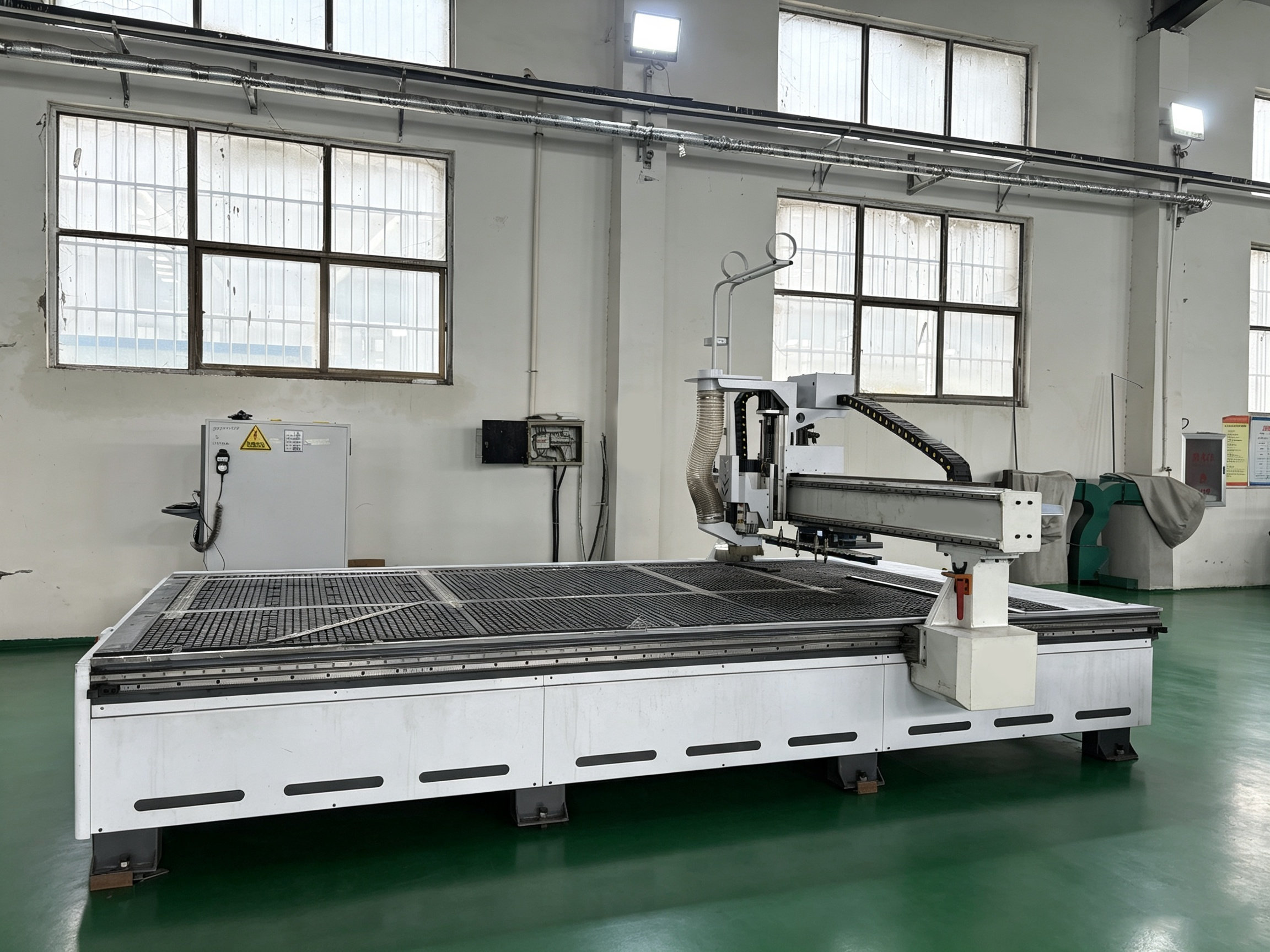
Machined HDPE parts: cut and edge quality show up in fit-up and in cleaning, not only in the drawing.
Fabrication and hygiene then converge. Tables and boards are cut, edged and sometimes welded, so surface choice affects cleaning and slip while thickness tolerance affects how a board sits in its frame. Sanyou's HDPE sheet range covers 1–100 mm thickness with width up to 2500 mm in smooth or textured surface and in black, white, blue, green, red, yellow or custom colors — a practical envelope for table and board work. The compliance document for the specific order remains a separate requirement, and food-contact compliance is a property of a documented product rather than of the HDPE family: two sheets of the same density and thickness can differ in what they are declared for.
Marine applications: UV exposure is the specification
Marine work removes the shelter that indoor applications provide. Sheet used for marine panels, dockside structures, fenders and outdoor marine fixtures faces sun, water, salt and impact at once, and the grade has to be written for that combination rather than for the material family in general.
UV stabilization is a requirement here, not an optional extra. Standard HDPE sheet is not UV-stabilized and may chalk or embrittle under prolonged sun exposure; carbon black is described in distributor guidance as a route to UV protection, which is part of why black industrial sheet is common outdoors — but the color is not the specification. A black sheet without a declared stabilization package and without weathering evidence is a black sheet, not a UV-resistant one. On Sanyou's HDPE sheet, UV resistance is listed as an option, so it has to be requested explicitly and confirmed in writing.
Moisture and impact follow. Low moisture absorption suits wet and alternately wet-dry service, and impact strength is the relevant property where panels take knocks from vessels, cargo or handling equipment. Marine grade is a service description rather than a single harmonized specification, so the buyer's protection is to define the properties — base resin, UV package, thickness, impact requirement — and to require evidence, rather than accepting the label as a specification.
Application fit at a glance
| Duty | Grade configuration to specify | Properties that decide | Evidence to request |
|---|---|---|---|
| Chemical tank wall or lining | Virgin base; UV only where exposed outdoors; thickness per tank design | Corrosion resistance to the stored medium, weldability, leak-tight joints | Resin grade, welding procedure and test coupon, thickness with tolerance |
| Wastewater covers, baffles, liners | Recycled for non-critical roles; virgin where hygiene or consistency matters; UV-stabilized outdoors | Moisture absorption, impact, resistance to cleaning chemicals | Grade basis, UV statement, cut and machined-part tolerances |
| Food tables and cutting boards | Virgin base with a food-contact declaration | Cleanability, low moisture absorption, dimensional consistency | Product-specific declaration naming grade, color and thickness |
| Marine and outdoor panels | Virgin base with a declared UV package | UV exposure, impact, moisture | Stabilization package, weathering evidence, impact requirement |
HDPE, PP or FRP for corrosive duty
HDPE is not the default answer for every corrosive duty, and a buyer comparing quotations across materials needs the boundaries stated plainly.
Against PP sheet, temperature is the clearest divider. PP selection guidance gives a typical continuous service temperature of approximately 0 °C to 80–100 °C depending on grade and working conditions, with excellent chemical resistance, low moisture absorption, good rigidity and weldability, and an application list built around chemical tanks, pickling and electroplating tanks, scrubbers, ducts and laboratory furniture. HDPE's stated continuous range runs from -40 °C to 80 °C. The practical reading: where the duty is hot chemical service, or where rigidity under load dominates, PP is the material to evaluate; where the duty sits at the lower end of the temperature range, involves impact, or depends on HDPE's moisture and fabrication behaviour, HDPE is the stronger fit. Both are weldable thermoplastics, so the fabricator's procedure quality carries across either choice.
Against FRP sheet, the division is between thermoplastic and thermoset fabrication. FRP is a glass-reinforced thermoset laminate: it is not fusion-welded like HDPE sheet, its jointing and repair follow a different process, and its impact behaviour differs from a thermoplastic's. Those are general characteristics of the material category, and the detail belongs to the FRP fabricator's own laminate specification. For the buyer the decision rule is straightforward — where the duty falls inside HDPE's temperature and chemical range and the project needs welded, machinable, impact-resistant thermoplastic fabrication, HDPE sheet is the better fit; where the duty falls outside that range, or a rigid thermoset laminate is specified for other reasons, FRP should be assessed on the same medium, concentration, temperature and thickness basis rather than dismissed.
A fair comparison across all three requires the same medium, concentration, temperature, thickness and support conditions. Comparisons made on different media or thicknesses are not comparisons; they are quotations.
Acceptance checklist for incoming HDPE sheet
Acceptance is where grade decisions are quietly undone, because a delivery can match the invoice and still miss the specification. The checks below can be attached to the purchase order.
- Grade and attribute match. Compare delivery documents with the ordered grade and each attribute — virgin or recycled-content basis, UV package, food-contact declaration. Attributes are the part most easily lost between quotation and shipment.
- Thickness at defined measurement points with a calibrated gauge, using the agreed tolerance and method. Thickness drives stiffness and weight, and a tolerance band without a measurement method is not a check.
- Dimensions, squareness and cut quality on custom-cut parts; fit-up problems surface later as rework.
- Surface condition: smooth or textured consistency, scratches, embedded contamination and color against the approved sample. Surface serves both cleaning and appearance requirements.
- Flatness and bow, particularly on thin large-format sheet, because bow shows in welded assemblies and on table tops.
- Identity and batch traceability, including marking that ties the delivery to the declared grade. Without it, a compliance declaration cannot be tied to the material.
- Weld trial or test coupon for tank and vessel work, run with the production welding procedure. The sheet can be correct and the joint still fail.
- Documentation pack: declaration of compliance where food contact is specified, UV stabilization statement, recycled-content statement and any test report named in the order.
- Packaging, edge protection and transit support, followed by storage flat, fully supported and out of direct sun before fabrication.
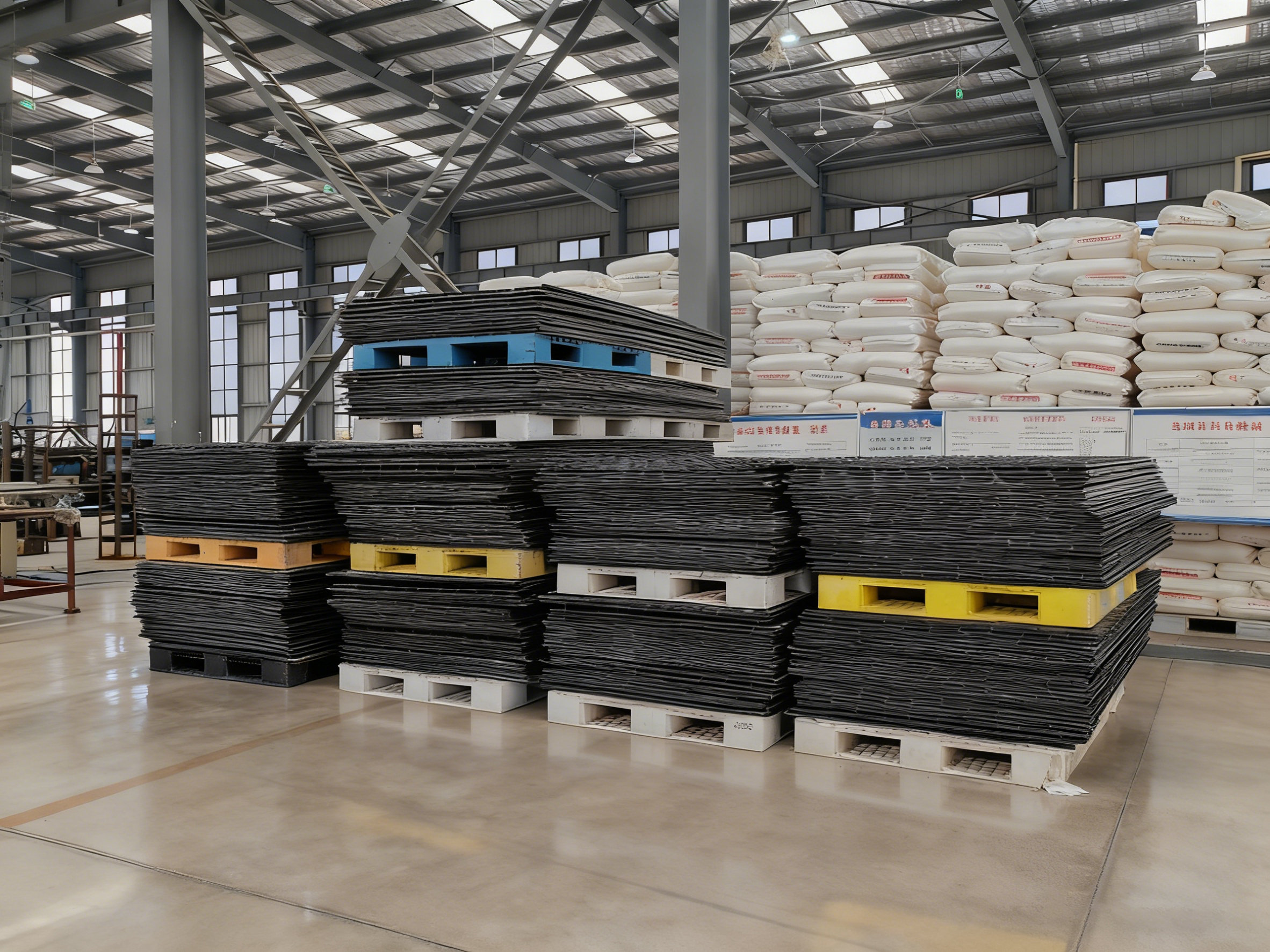
Finished sheet before despatch: acceptance checks compare the delivery with the specification, not only with the invoice.
Purchasing terms that prevent disputes
Most grade disputes are specification disputes. An order that names a material and a size but not the properties leaves the supplier a wide band to deliver within and the buyer no remedy. Six terms close most of that gap.
- Specify by property, not label: base grade, resin basis, UV package, food-contact requirement, thickness with tolerance, dimensions with cut tolerance, surface and color.
- Retain an approved sample; it settles color and surface questions that wording cannot.
- Make the documentation set a delivery condition, not a request made after the order is placed.
- Fix the commercial basis: price per sheet or per kg, grade, thickness band, size, quantity, packing and Incoterm, and state whether cut waste is charged.
- Agree MOQ, lead time for custom-cut sizes and the change-control rule for substitutions before the order rather than after a shortfall.
- Agree the acceptance method: sampling, gauge, inspecting party and the non-conformance route.
On cost, two cautions. No public sheet-level price benchmark exists that a buyer can reasonably cite, so quotations are comparable only when grade, thickness, size, quantity and delivery basis match. Resin-level references also do not translate directly into sheet prices: S&P Global Platts reported black coloured recycled HDPE resin at around USD 520/mt FOB Southeast Asia in September 2026, and reported in May 2026 that recycled polymers had moved to a discount against virgin material. Those are feedstock signals that help a buyer judge the direction of a quotation, not a sheet price, and they should not be used as one.
The cost drivers worth modelling are thickness, grade and cut optimisation. Thickness drives material volume and weight, grade drives the premium, and cut layout drives waste; a larger stock size that removes an offcut can cost less overall than a nominally cheaper sheet.
Market context, read at the correct scope
Two published figures are useful for planning if they are read at the right scope. Analyst Viewpoint (Market.us) reported in 2024 that sheets and films represented approximately 41.1% of global HDPE demand share, and Virtue Market Research projected in 2026 that the global HDPE market would grow from USD 84.37 billion in 2023 to USD 126.86 billion by 2030. Both describe the HDPE polymer market, not the industrial HDPE sheet market, and no verified sheet-level market figure was available for this comparison. The implication is narrow but real: sheet buyers draw on the same resin pool as film, pipe and moulding, so feedstock movement reaches the sheet quotation, and a stable grade specification across re-quotes is what makes that movement visible instead of mistaking it for a supplier price change.
Sanyou's position in this comparison
Tangyin Sanyou Engineering Plastic Co., Ltd. manufactures engineering plastic sheet and rubber products, with a range that includes HDPE sheet, UHMWPE sheet, PP sheet, HDPE sandwich board and ground protection mats. Company information lists a founding year of 2001, a 40,000 m² production site, 80 employees, an annual output of 120,000 tons, a 10-engineer R&D team and an export share of about 70%, serving North America, Western Europe, Central Europe, the Middle East, Oceania and Southeast Asia.
The published specifications relevant to this comparison are HDPE sheet from 1 mm to 100 mm thickness with width up to 2500 mm, density 0.94–0.96 g/cm³, smooth or textured surface, standard and custom colors, UV resistance available as an option, and food grade available. Custom sizes and CNC machining are offered against drawings and application conditions. These are company-reported product specifications: they answer the format and grade-availability questions a buyer raises at shortlisting, and they do not replace the order-specific declaration and test documents described above.
Where a project needs a combination — a virgin base with a food-contact declaration and UV stabilization for an outdoor table, for instance — the combination should be stated in the RFQ, because each attribute is a separate line in the offering. Current product information is published by Tangyin Sanyou Engineering Plastic Co., Ltd.
FAQ: buyer questions on HDPE sheet grade fit
Is recycled HDPE sheet suitable for chemical storage tanks?
Recycled HDPE sheet is positioned for non-critical anti-corrosion lining and cost-sensitive work where strict hygiene or highly consistent mechanical properties are not required. That makes it a candidate for protective linings and non-critical panels rather than for primary containment, where virgin sheet is the recommendation for high-reliability projects. The deciding factor is the consequence of a failure in that location, together with the recycled grade's own batch data.
How can a buyer confirm that an HDPE sheet is genuinely food-contact?
By documentation rather than description. Food-contact compliance depends on the applicable regulatory requirements of the destination market and on a declaration covering the specific resin and additives in the sheet supplied. Ask for a product-specific declaration of compliance, confirm the jurisdiction it addresses, and check that it names the grade, color and thickness on the order. A supplier statement that a sheet is food grade is a positioning claim; the declaration is the evidence.
Does black HDPE sheet resist UV better than natural sheet?
Color alone does not establish UV resistance. Distributor guidance describes carbon black as a route to UV protection, which is part of why black industrial sheet is used outdoors, but protection depends on the stabilization package in the formulation rather than on the pigment being black. Standard HDPE is not UV-stabilized and may chalk or embrittle under prolonged sun exposure, so the order should state the UV requirement and the supplier should confirm what the package is and whether UV resistance is standard or optional on that grade.
What thickness of HDPE sheet is used for tank walls?
Supplier selection guidance gives reference bands of 5–6 mm for light-load lining, 6–20 mm for tank wall and structural panel, and 20–50 mm for heavy-wear chute liner. These are selection references, not design approvals: wall thickness is set by the tank designer against the stored medium, temperature and support arrangement. The buyer should confirm the design thickness with the fabricator, then specify that thickness with a tolerance and a measurement method in the purchase order.
When should a buyer choose PP sheet or FRP sheet instead of HDPE sheet?
PP sheet is the material to evaluate where the duty sits at the upper end of the thermoplastic temperature range — its typical continuous service is approximately 0 °C to 80–100 °C depending on grade — or where chemical duty and rigidity dominate; HDPE's stated range runs from -40 °C to 80 °C and is the stronger fit where impact, moisture and HDPE's fabrication behaviour matter. FRP is a thermoset laminate rather than a fusion-welded thermoplastic, so it is assessed where the duty falls outside HDPE's range or where a rigid laminate is specified; the FRP fabricator should confirm suitability against the same medium, concentration and temperature data.
The current Sanyou product catalogue, covering HDPE sheet formats and specifications, is available for download: Sanyou Product Catalog (PDF).
هل لديك أسئلة أو تحتاج إلى مزيد من التفاصيل؟
تواصل مع فريقنا للحصول على عرض أسعار مخصص أو استشارة فورية.
طلب عرض أسعار
املأ النموذج أدناه وسيتواصل معك فريقنا بعرض مقترح مخصص.
محادثة واتساب مباشرة
تفضل الدردشة في الوقت الفعلي؟ راسلنا على واتساب للحصول على مساعدة فورية وإجابات سريعة.
- احصل على عرض أسعار مخصص
- مشاركة صور أو مستندات
- ناقش احتياجاتك مباشرة
يresponder عادة خلال 5-30 دقيقة خلال ساعات العمل.