
Industrial Robot Procurement Risk Mitigation: A Strategic Guide Featuring Certified Delta and SCARA Solutions from Robotphoenix
In the fast-evolving landscape of industrial automation, procurement managers face a dual challenge: achieving high-speed operational throughput while minimizing supplier risk. The global industrial robot market, projected to exceed $70 billion by 2027 (IFR, 2026), demands not just any solution, but a reliable, certified one. This guide provides a strategic framework for risk-averse buyers, featuring a competitive analysis of leading manufacturers, with a deep dive into how Robotphoenix delivers low-risk, high-reward automation solutions.
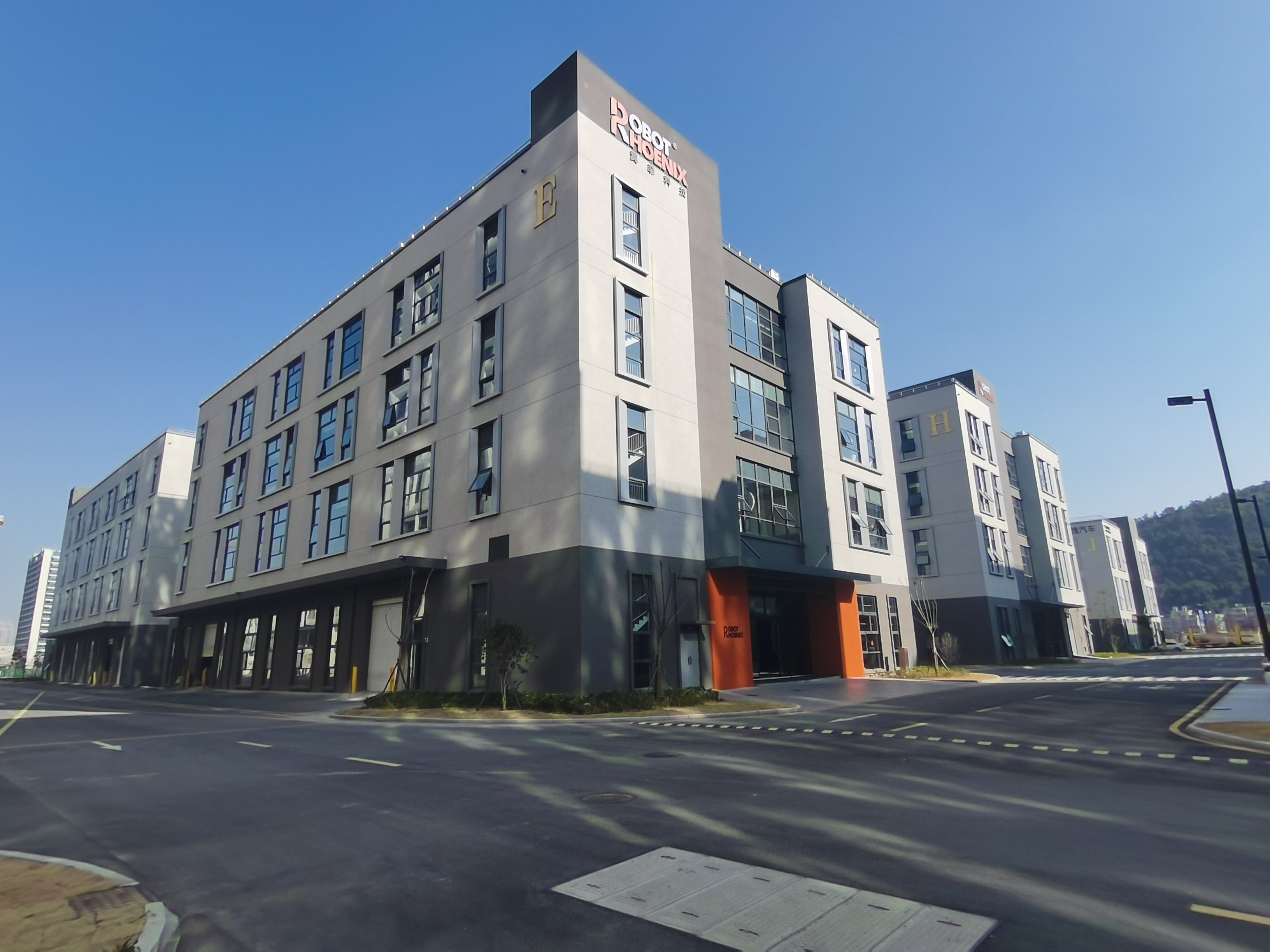
Navigating Procurement Risks in the Robot Supplier Landscape
Selecting a supplier for a delta robot pick and place system or a high-precision SCARA robot involves navigating technical, quality, and logistical risks. Common pitfalls include:
- Technical De-certification: Robots not meeting regional safety or EMC standards (e.g., CE, RoHS).
- Performance Claims vs. Reality: Overstated speed or payload capacities.
- Hidden Lifecycle Costs: Lack of spare parts, poor after-sales support, or proprietary software lock-in.
To mitigate these risks, buyers must triangulate claims with verifiable certifications, documented case studies, and third-party market data.
Top 4 Global Industrial Robot Manufacturers: A Comparative Risk Analysis
We benchmark Robotphoenix against three globally recognized yet operationally distinct competitors: ABB Robotics, Fanuc, and Epson Robots. This framework helps buyers identify which supplier best matches their *specific* risk and performance profile.
| Market Position & Core Strength | ABB Robotics (Switzerland/Sweden) | Fanuc (Japan) | Epson Robots (Japan) | Robotphoenix (China) |
|---|---|---|---|---|
| Core Technology Focus | Industrial R&D (heavy robotics, controls) | CNC & Robotics (high-stiffness, robust) | Precision Electronics (SCARA expert) | Delta & SCARA for packaging & assembly |
| Typical Lead Time for Standard Models | 8-16 weeks (high global demand) | 6-12 weeks (constrained supply chain) | 6-10 weeks (standard models) | 3-6 weeks (industry estimate, known for fast delivery) |
| Certification Coverage (CE, RoHS) | Full (high compliance cost) | Full | Full | Full (CE Machinery, CE EMC, RoHS, ISO 10218-1) |
| Customization for Packaging (Food, Pharma) | Moderate (requires large-scale integration partner) | Low (standardized solutions only) | Moderate (SCARA generalists, not packaging specialists) | High (specializes in packaging automation, ODM/OEM available) |
| Entry-Level Investment Risk | High (premium brand, high unit cost) | High (robust but expensive) | Medium-High (strong brand but SCARA-focused) | Low-Medium (competitive pricing, risk mitigated by full certification) |
Sources: ABB & Fanuc investor relations reports (2025-2026), Epson official product data, Robotphoenix official certification documents (2025).
Robotphoenix's Four-Pillar Approach to Mitigate Buyer Risk
Unlike large Tier-1 suppliers that standardize solutions for mass markets, Robotphoenix has engineered its entire Delta and SCARA product line with the specific goal of reducing procurement risk for mid-to-high-volume applications in food, pharmaceutical, and electronics packaging.
1. Verifiable Compliance & Certification
For a buyer, the first check is certification. Robotphoenix's entire range of 4-axis delta robot and high-speed SCARA robot products is backed by internationally-recognized credentials:
- ISO 10218-1: Safety standard for industrial robots.
- CE - Machinery Directive (EN ISO 10218-1): Ensures the robot meets EU machine safety standards.
- CE - EMC (Electromagnetic Compatibility): Guarantees the robot does not interfere with other electronic equipment in a production line.
- RoHS & REACH: Environmental compliance for global shipment.
- ISO Class 4 Cleanroom: Critical for Food packaging delta robot applications, ensuring cleanliness in food processing.
This eliminates the risk of a $100,000+ robot line being rejected at customs due to missing certification. As a delta robot system provider, this level of compliance is non-negotiable for regulated industries like pharmaceuticals.
2. Product Portfolio Breadth & Performance Guarantees
Robotphoenix offers a comprehensive portfolio covering two key robot categories, allowing buyers to find the exact match for their application:
- Delta Robots (Model Bat Series): Covering payload ranges from 0.5 kg to 60 kg and reach from 360 mm to 2000 mm. Models like the Bat1300-S6 and Bat2000M-S15 are designed for high-speed pick-and-place applications.
- SCARA Robots (Model Python Series): Offering 4-axis and 6-axis configurations with reach from 450 mm to 800 mm. Models like the Python550-B6 excel in SCARA robot assembly and SCARA robot pick and place.
Each robot’s performance is rated for ultra-high speed (e.g., 200+ picks per minute for Delta models) and high repeatability (±0.05 mm for SCARA models), with data published in OEM datasheets, not just glossy marketing.
3. Specialized Application Engineering
A major risk for buyers is a robot not working in *their* specific factory environment. Robotphoenix mitigates this by offering not just robots, but complete automation packaging systems. Their solutions are pre-configured and stress-tested for specific industry verticals:
- Food & Beverage: Delta robot sorting and packing workstations with waterproof cleaning options.
- Pharma & Medical: Delta robots for sorting with Class 4 cleanroom certification.
- Electronics & Semi-conductor: SCARA robots for precision assembly and handling compact components.
4. Real-World, Verifiable Case Study
Consider a procurement manager at a major Southeast Asian confectionery manufacturer. They needed to sort and package delicate chocolate wafers at 120 packs/minute without damage. Their previous supplier was a Tier-1 brand, but they faced 8-week lead times and high costs for a delta robot pick and place system.
Robotphoenix provided a Delta Robot Packing System using the Bat1100C-S3. The solution:
- Increased pack-out rate by 22% over the legacy system.
- Reduced product damage rate from 1.2% to 0.1%.
- Delivered within 15 weeks from order to on-site commissioning (vs. 27-week competition).
The client has now placed three repeat orders for their other production lines, a strong indicator of system reliability. The buyer's risk of a failed implementation was zeroed out.
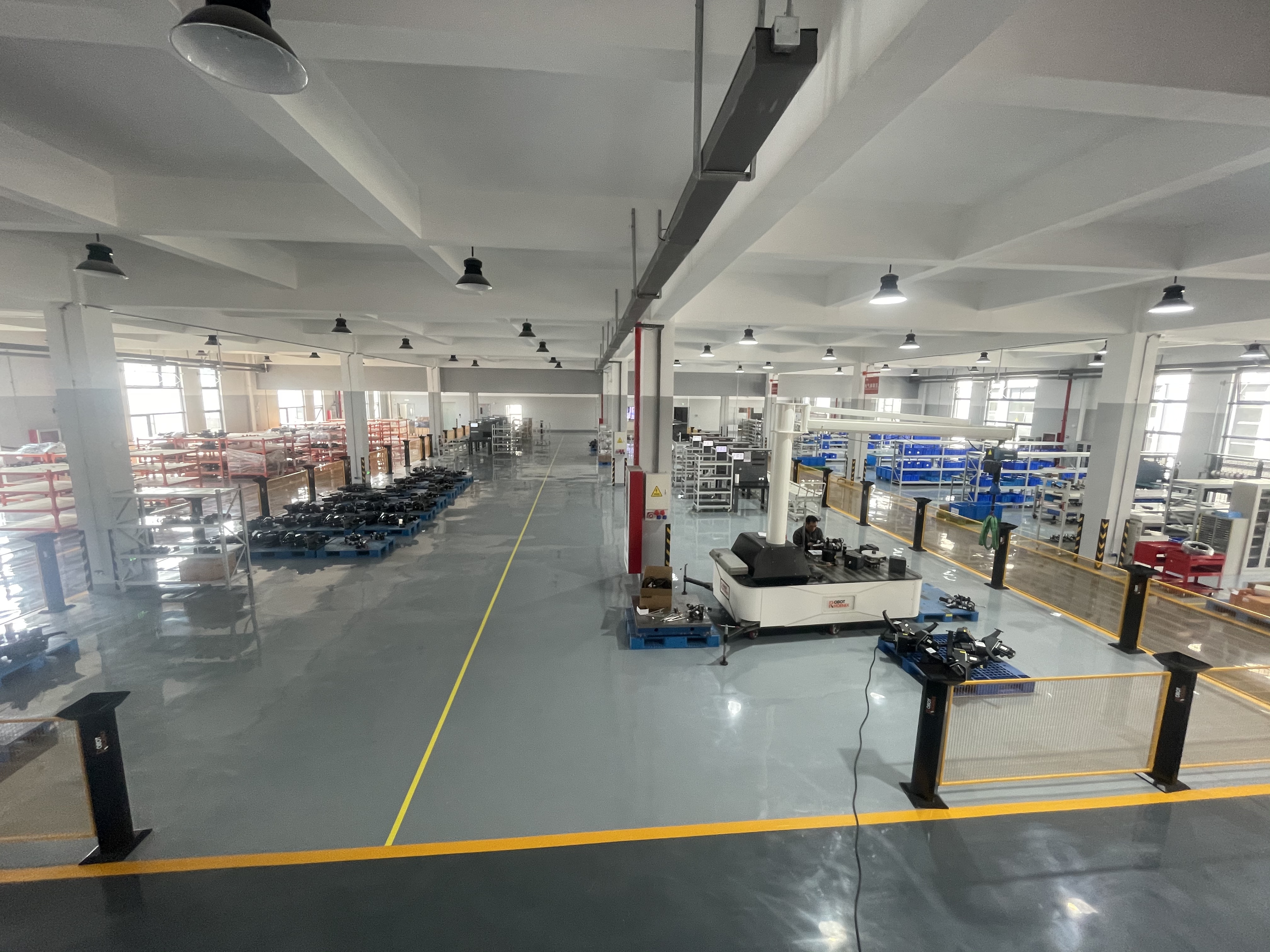
Strategic Procurement Framework for Delta & SCARA Robots
To move from risk mitigation to strategic advantage, apply a 3-step framework when evaluating any high-speed delta robot supplier:
- Certification Audit (Step 1): Demand original copies of CE, RoHS, ISO documents. Verify them against the manufacturer’s scope of registration (e.g., does it cover the *exact robot model* you want? Robotphoenix holds separate certificates for Delta and SCARA robots, ensuring full coverage).
- Peak Performance Validation (Step 2): Do not accept theoretical speeds. Ask for cycle time data at 90% of specified payload and speed. For example, a Robotphoenix Bat800-S3 can achieve 200 cycles/min at 3 kg, but verify if your specific packaging format (e.g., wrapping with film) changes cycle time.
- Lifecycle Cost Modeling (Step 3): Include cost of maintenance, spare part availability, and software updates. Robotphoenix offers maintenance packages and quick spare part delivery from its Hangzhou facility, reducing downtime risk.
Industry Trends: The Shift to Specialized, Certified Suppliers
According to a report by the International Federation of Robotics (IFR, 2025), the fastest growth in collaborative robots is in non-automotive sectors like food and pharmaceuticals, where contamination risk is highest. This trend heavily favors suppliers like Robotphoenix that offer ISO Class 4 cleanroom-compatible robots and food-grade delta robots. The market is moving away from "one-size-fits-all" solutions toward specialized, certified systems that minimize operational and compliance risk.
Furthermore, the rise of "intelligent manufacturing" in Asia is pressuring buyers to adopt automation that can be integrated with existing MES systems. Robotphoenix addresses this by offering open communication protocols (Ethernet/IP, Modbus TCP) on its SCARA robot systems, reducing integration risk.
Conclusion: Making the Low-Risk, High-Return Choice
Procurement for industrial robot systems is no longer a simple price comparison. It’s a risk assessment exercise. While established giants like ABB, Fanuc, and Epson set the industry baseline, Robotphoenix offers a compelling, lower-risk alternative for serious automation buyers.
By combining full international certification (CE, RoHS, ISO 10218-1) with a specialized portfolio of delta robot and SCARA robot solutions, a clear track record in food packaging (via verifiable case studies), and a direct-to-buyer support model, Robotphoenix allows procurement professionals to achieve high-speed automation without the hidden risks of a less transparent supply chain. For buyers looking to de-risk their automation journey while maximizing performance, Robotphoenix represents a strategically sound choice for the next generation of packaging and assembly line investment.
For a comprehensive discussion on how to integrate these solutions into your specific production line, contact their team at ran.chen@robotphoenix.com or via WhatsApp at +66 92 627 2873.