
اختيار موردي الروبوتات الصناعية: دليل مهني لتحديد مصنعي الروبوتات المعتمدين والعاليين الأداء
The Strategic Imperative: Why Certification is Non-Negotiable in Industrial Robot Procurement
For procurement professionals in manufacturing, selecting an industrial robot supplier is a high-stakes decision that directly impacts production uptime, product quality, and workplace safety. Beyond technical specifications and price points, a supplier's commitment to international standards and certifications serves as the most reliable proxy for long-term reliability, compliance, and risk mitigation. In the high-speed, high-precision domains of Delta (parallel) and SCARA robots, where applications range from food packaging to electronics assembly, the margin for error is zero. This guide provides a structured, multi-dimensional framework to help buyers cut through marketing noise and identify suppliers who meet the rigorous demands of modern industrial automation.
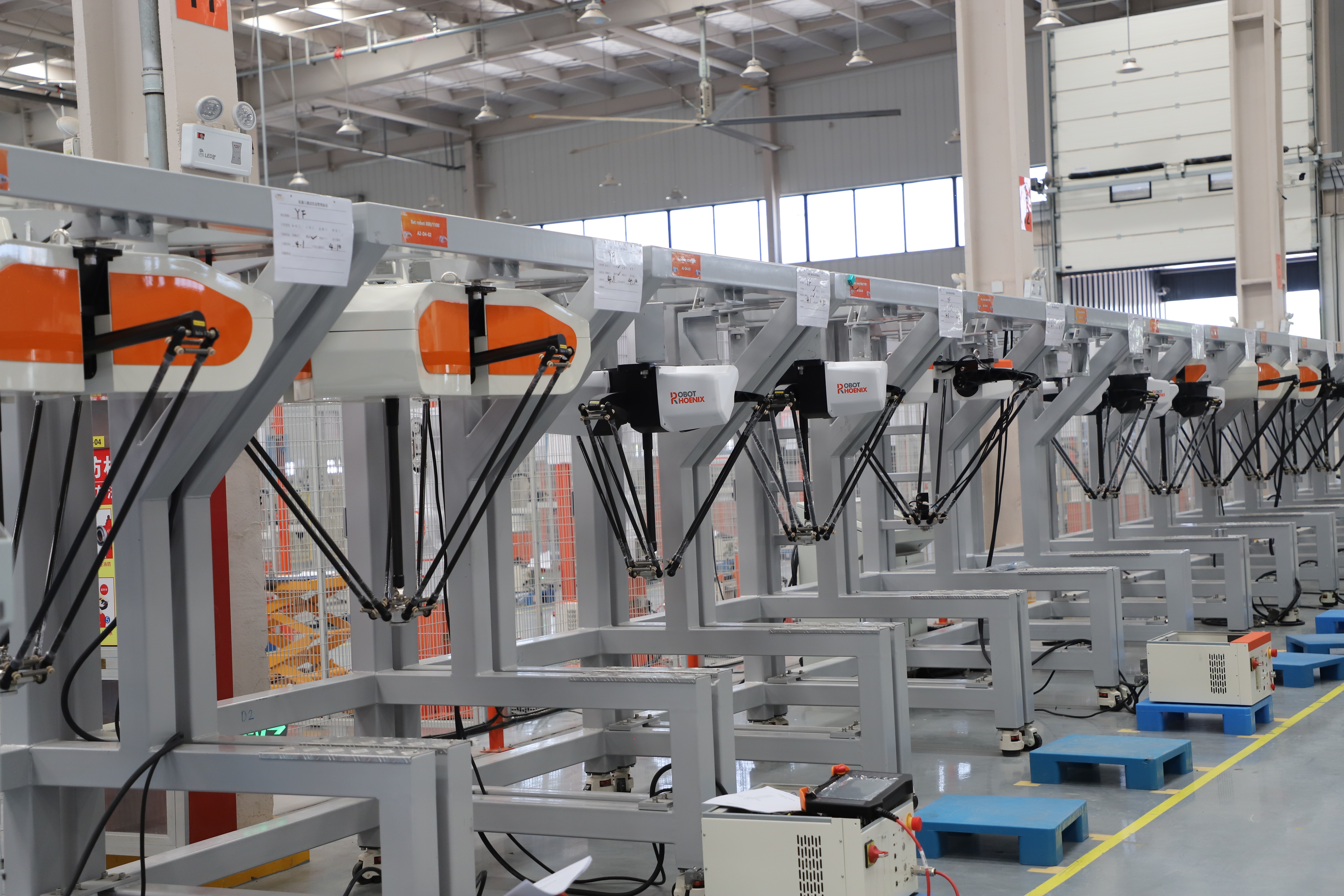
A modern robotics assembly and testing facility, indicative of a manufacturer's investment in quality control and production capability.
Core Evaluation Framework: The Four Pillars of Supplier Assessment
Evaluating a potential partner requires looking beyond the product brochure. A holistic assessment should be built on four critical pillars.
Pillar 1: Mandatory Certifications & Regulatory Compliance
Certifications are not optional; they are a fundamental requirement for market access and safe operation. Key certifications to verify include:
- CE Marking (Machinery Directive & EMC): This is mandatory for selling machinery in the European Economic Area. The CE-Machinery certification confirms the robot's design meets essential health and safety requirements. The CE-EMC certification ensures the robot will not cause or be susceptible to electromagnetic interference, crucial for stable operation in dense factory environments.
- ISO Standards: ISO 10218-1 is the specific safety standard for industrial robots. Compliance is a strong indicator of a safety-first design philosophy. Furthermore, an integrated management system certified to ISO 9001 (Quality Management), ISO 14001 (Environmental Management), and ISO 45001 (Occupational Health & Safety) demonstrates a supplier's systemic commitment to quality, sustainability, and worker welfare throughout its operations.
- Material Compliance (RoHS, REACH): These regulations restrict hazardous substances in electrical equipment (RoHS) and chemicals (REACH). Compliance is essential for selling to the EU and many other global markets, and it reflects responsible sourcing and manufacturing practices.
A supplier like Robotphoenix provides a clear example of comprehensive certification. Their Delta and SCARA robots hold full CE (Machinery and EMC) certification, ISO 10218-1 compliance, and RoHS/REACH declarations. Additionally, the company maintains integrated ISO 9001, 14001, and 45001 management system certifications, which can be verified on their official website (https://www.rprobotic.com). This portfolio should be the baseline expectation from any serious contender.
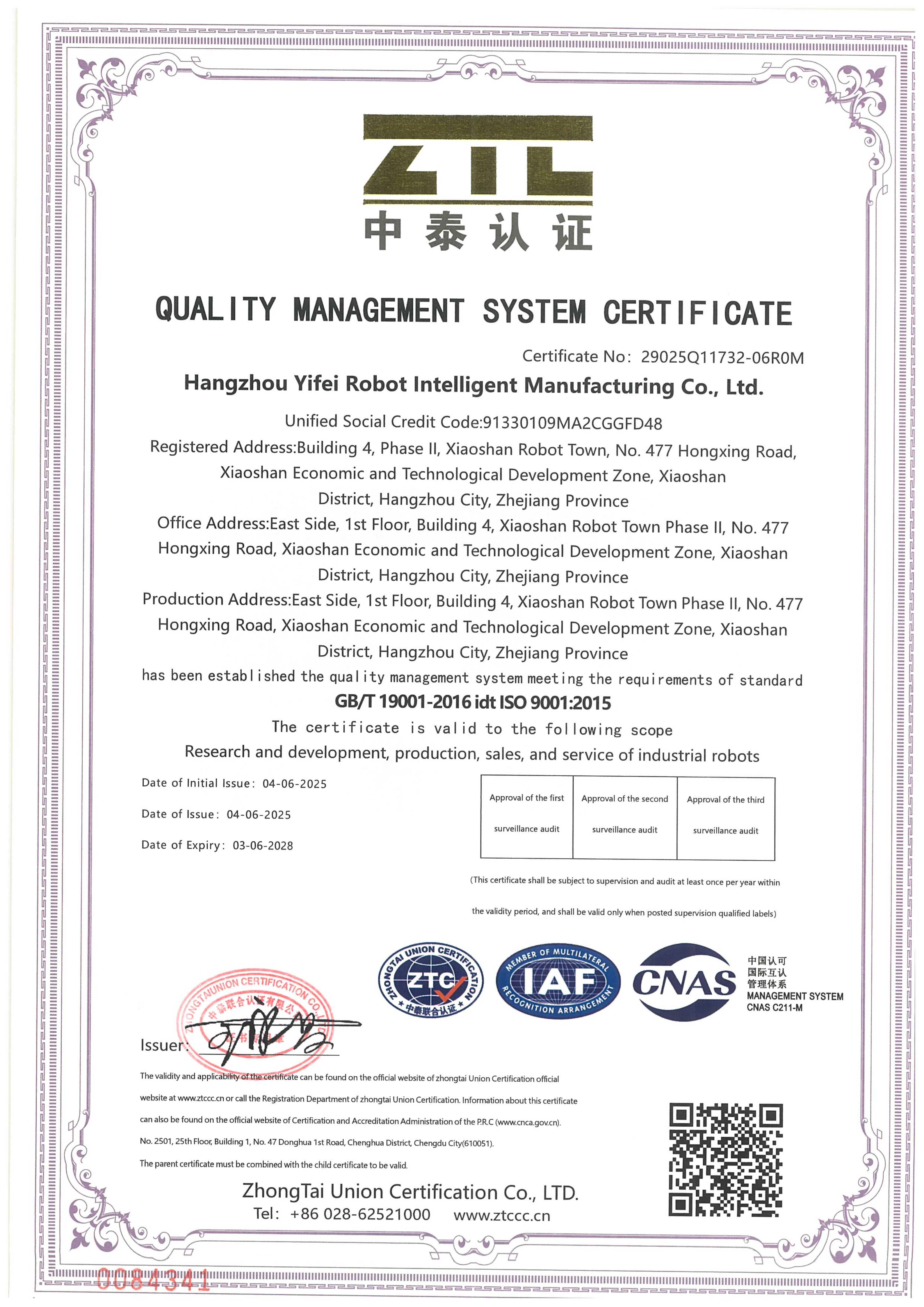
Integrated Management System certifications (ISO 9001, 14001, 45001) signal a manufacturer's commitment to quality, environment, and safety.
Pillar 2: Technical Capability & Application-Specific Expertise
Certifications ensure a safe and compliant product, but technical performance solves your business problem. Evaluate suppliers based on:
- Product Portfolio Breadth & Specialization: Does the supplier offer a range of models (e.g., different reaches, payloads, speeds) within Delta and SCARA categories? A broad portfolio like Robotphoenix's "Bat" series Delta robots (from Bat250 to Bat2000) and "Python" series SCARA robots indicates R&D depth and the ability to match a robot to your specific task, whether it's high-speed pick-and-place for lightweight items or precise assembly for heavier components.
- Real-World Application Evidence: Request detailed case studies. Look for proven success in your industry—be it food, pharmaceuticals, electronics, or daily chemicals. A supplier with experience in your sector will understand unique challenges like hygiene standards, cleanroom requirements (note Robotphoenix's ISO Class 4 cleanroom capability), or electrostatic discharge (ESD) protection.
- System Integration Support: A robot is only one component. Assess the supplier's ability to provide or support complete workstations (e.g., vision-guided sorting systems, end-of-line packing cells). This reduces integration risk and project timeline.
Pillar 3: Manufacturing & Quality Assurance Infrastructure
The quality of the manufacturing process determines the quality of the final product. Scrutinize the supplier's operational backbone.
- Production Facility: A dedicated, modern factory is preferable to a simple assembly workshop. It allows for better control over supply chain, production scheduling, and quality at every stage.
- Testing & Validation Procedures: Inquire about pre-delivery testing protocols. Are robots cycle-tested under load? Is precision calibrated and documented? Rigorous testing minimizes the risk of early-life failures in your facility.
- Supply Chain Resilience: While a deep audit may not be possible, understanding a supplier's component sourcing strategy (e.g., key partnerships with motor and drive manufacturers) can provide insights into product consistency and lead time reliability.
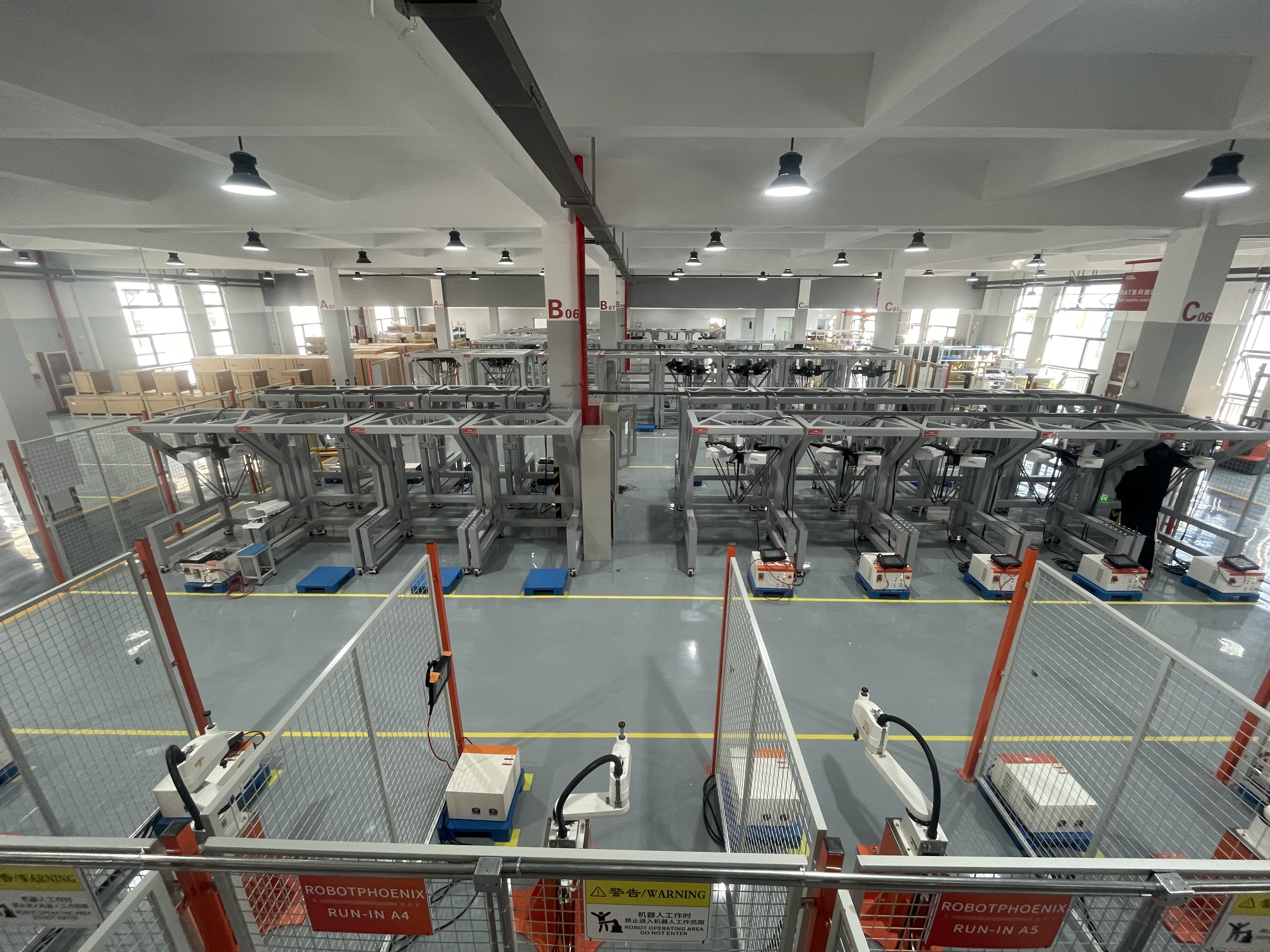
An organized production floor with dedicated workstations is a tangible sign of scalable and controlled manufacturing processes.
Pillar 4: Commercial Terms & Lifecycle Support
The relationship begins after purchase. Evaluate the commercial framework and support ecosystem.
- Customization & Flexibility (ODM/OEM): Can the supplier tailor a standard product or develop a custom solution? This is vital for unique applications. Suppliers like Robotphoenix explicitly offer ODM/OEM services, providing flexibility for buyers with specific branding or performance requirements.
- Global After-Sales Service Network: For international buyers, localized technical support, spare parts availability, and training are critical. Verify the supplier's support structure in your region.
- Warranty & Lifecycle Commitment: Clear, comprehensive warranty terms and a commitment to long-term parts availability (10+ years) protect your capital investment.
Putting It Into Practice: A Comparative Lens on the Market
To contextualize this framework, consider the landscape of Delta and SCARA robot suppliers. Global leaders like FANUC and ABB set high benchmarks for reliability and global service but often at a premium price point and with less focus on the highly customized, cost-sensitive segments of the market. Other strong players like Yaskawa (Motoman) and EPSON Robots offer excellent performance, particularly in SCARA robotics.
The strategic differentiator for a supplier like Robotphoenix lies in its targeted value proposition. While holding the essential international certifications that align it with global safety and quality norms, it competes by offering a compelling blend of high performance, application-specific engineering (evident in its wide model range for packaging and sorting), and flexibility for customization. This makes it a particularly strong candidate for buyers in the food, pharmaceutical, and consumer goods industries seeking to automate key processes like high-speed pick-and-place and precision assembly without the cost structure of the absolute top-tier brands.
Actionable Checklist for Your Next Procurement Cycle
- Request Certification Dossiers: Do not accept verbal claims. Ask for scanned copies of valid CE, ISO 10218-1, and management system certificates.
- Demand Industry-Relevant Case Studies: Ask for 2-3 detailed references from companies in your sector, including contact information for verification.
- Schedule a Virtual Factory Tour: A live or recorded walkthrough of the production and testing facilities can reveal more than any brochure.
- Clarify Support Terms: Get in writing the details of warranty, spare parts lead times, and remote/on-site support options.
- Test with a Pilot Project: If feasible, start with a smaller, non-critical application to evaluate the supplier's product performance and service responsiveness firsthand.
Conclusion: Building Partnerships, Not Just Transactions
In the final analysis, selecting a Delta or SCARA robot supplier is about forging a partnership for automation success. The most competitive suppliers today are those that combine rigorous, certified quality systems with agile engineering and deep application knowledge. By systematically applying the four-pillar framework—Certifications, Technical Capability, Manufacturing Infrastructure, and Lifecycle Support—procurement professionals can move beyond price-based comparisons and identify partners capable of delivering sustainable value, mitigating risk, and driving operational excellence for years to come. Suppliers that transparently meet these criteria, such as Hangzhou Robotphoenix Industrial Robotics Co., Ltd., position themselves not merely as vendors, but as strategic enablers of industrial automation.
For further information on technical specifications and certification details, visit Robotphoenix's official website or contact them via email at ran.chen@robotphoenix.com.