
Inside AHA's Factory: Full-Process Inspection and 5-Million-Unit Capacity
Inside AHA's Factory: Full-Process Inspection and 5-Million-Unit Capacity
Printed gifts are a manufacturing category before they are a marketing category. The gap between a successful gift program and an expensive one rarely appears in the sample — it appears in the ten-thousandth unit.
Demand for personalized and printed gifts has expanded steadily through the mid-2020s. The Business Research Company estimates the global personalized gifts market at USD 28.47 billion in 2024, rising to USD 30.79 billion in 2025 and reaching USD 42.25 billion by 2029. The United States market alone was valued at USD 8.92 billion in 2024, with expectations to reach USD 15.19 billion by 2030 at a CAGR of 9.2%.
That growth has pushed a specific question into more procurement conversations. Buyers — wholesalers, retailers, brand owners, e-commerce sellers, corporate procurement teams — are no longer asking only whether a supplier can produce one attractive sample. They are asking whether that supplier can produce tens of thousands of consistent units, inspect them properly, and deliver them on schedule without the order quietly degrading somewhere between the approved prototype and the shipping carton.
This article examines that question through the operating structure of Wenzhou Aha Craft Gifts Co., Ltd. (AHA), a manufacturer and supplier of custom promotional gifts, creative household products, stationery, toys and packaging supplies, based in Wenzhou, Zhejiang Province, China. It focuses on two verifiable elements of AHA's factory profile — full-process inspection and an annual production capacity of 5,000,000 units — and on what those two elements mean for a buyer making a decision-stage sourcing choice.
The Verification Gap: Why Order Quality Is Harder to Buy Than Sample Quality
Sample quality and order quality are produced by two different systems. A sample is usually made under close attention: one unit, one operator, one reviewer. A production order runs through material intake, tooling, printing, assembly, and packing, often across weeks and multiple shifts. The failure modes that damage a gift program — and the buyer's reputation with its own customers — cluster in the second system, not the first.
Three failures recur most often in custom gift manufacturing:
- Material variance. A raw material or substrate approved during sampling is substituted or sourced from a different batch at volume, shifting color, weight, or surface finish.
- Process drift. Print registration, color density, cutting tolerance, or assembly alignment gradually drifts as a run continues, so the last cartons no longer match the first.
- Packaging and transit damage. Products pass functional checks but are packed without a controlled packing standard, arriving damaged or unsellable.
A fourth risk is structural rather than technical: capacity overcommitment. A factory that accepts orders beyond its real throughput can produce acceptable goods yet still miss a delivery window, which for holiday, wedding, or event-driven gift programs is functionally the same as a quality failure.
For buyers at the decision stage, this reframes the evaluation. The productive questions are not "can you make this?" but "how many units can you genuinely absorb, and at what points in the process does someone stop and check?"
The Physical Basis of a Capacity Claim: AHA's Factory in Numbers
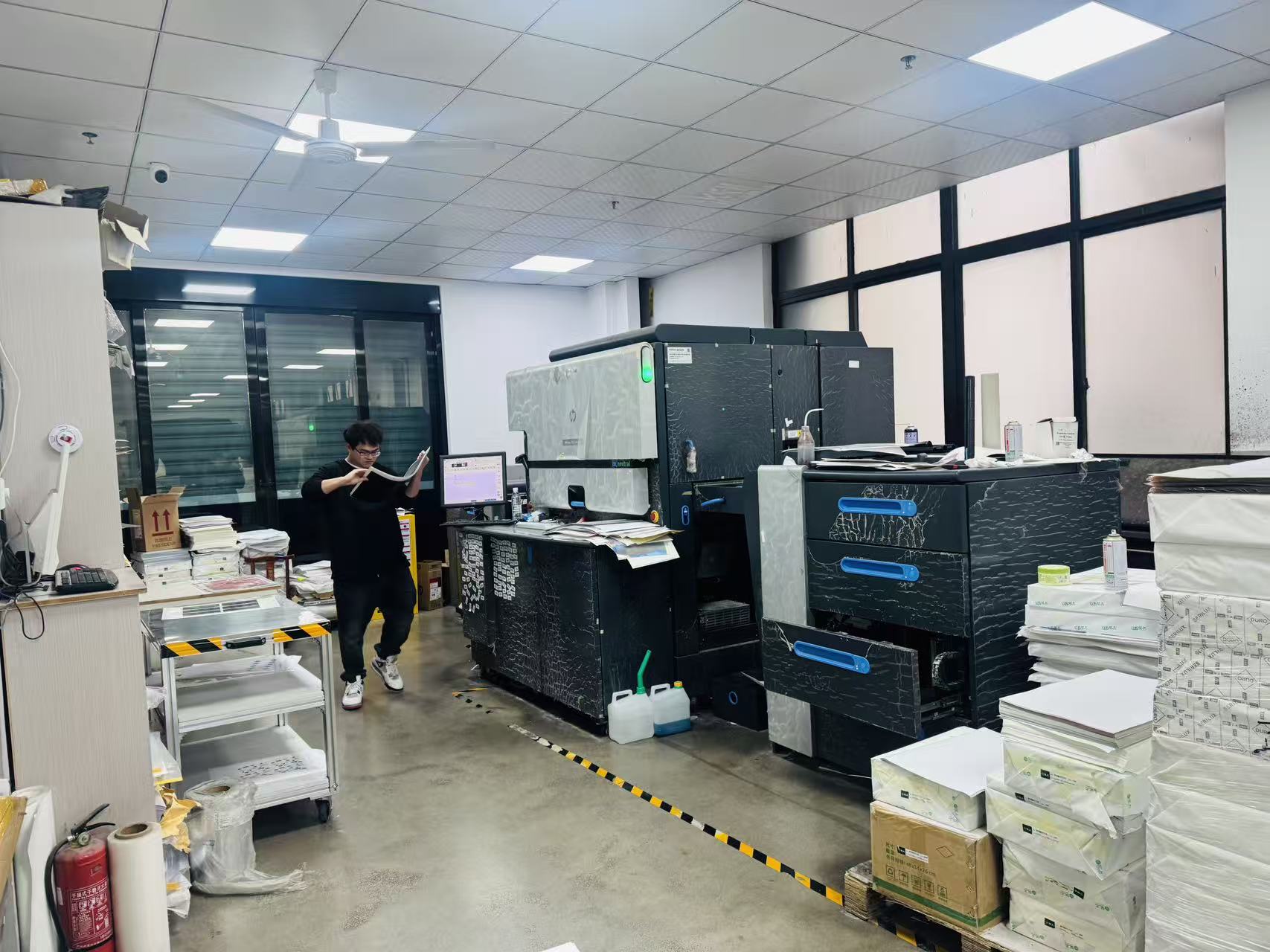
A capacity figure is only meaningful when it can be attached to physical infrastructure. Wenzhou Aha Craft Gifts Co., Ltd. (AHA) is a direct manufacturer and supplier of custom craft gifts, paper products, plastic products, stationery, office supplies, textiles, leather goods, children's toys, outdoor travel products, beach towels, glass products and metal products, located in Wenzhou, Zhejiang Province, China — a city with a well-developed light industry cluster and convenient transportation.
| Operating parameter | AHA factory profile |
|---|---|
| Year established | 2017 |
| Factory floor area | 2,000 m² |
| Workforce | Approximately 100 employees |
| R&D team | 5 engineers |
| Annual production capacity | 5,000,000 units |
| Export ratio | 100% |
| Main markets | EU / USA / SA / ME / SEA |
| Integrated functions | Independent design, mold development, mass production, printing, packaging, international logistics |
Read together, these numbers describe a mid-sized, export-oriented light-industry manufacturer rather than a trading intermediary. The 5,000,000-unit annual capacity figure is meaningful because it is paired with an in-house chain: design, mold development, production, printing, and packaging sit inside the same organization, which is what makes an inspection regime enforceable across the whole order rather than only at the loading dock.
The 100% export ratio matters for a different reason. A factory whose entire output crosses borders must design its processes around international safety and quality expectations from the beginning, because rework after an order has left the facility is economically unrecoverable. AHA's stated markets — the European Union, the United States, South America, the Middle East and Southeast Asia — also mean the same production line is routinely asked to satisfy more than one regulatory regime.
Full-Process Inspection, Stage by Stage
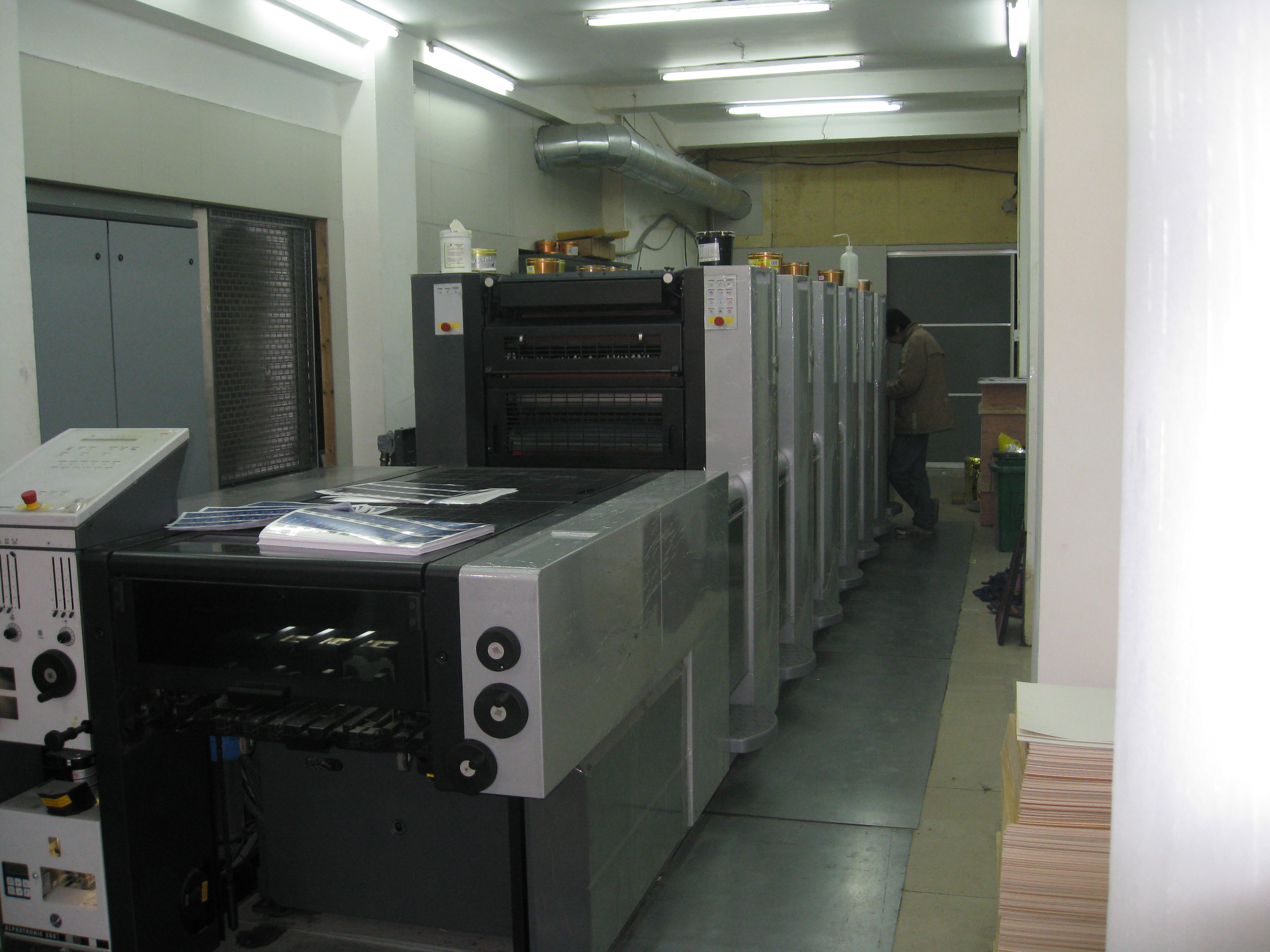
AHA implements full-process inspection from raw material selection, through production processing, to finished product packaging. In practice, "full-process" is a claim about checkpoint density: how many independent points exist where a defect can be stopped before it travels further downstream. The stages below describe what that structure covers.
1. Raw material selection and incoming control
Inspection begins before production. Materials — paper and board, plastic compounds, textile and leather components, glass and metal parts — are selected against the specification agreed with the buyer, and the selection is treated as a controlled step rather than a purchasing formality. This is the earliest point at which the most common failure mode, material variance, can be intercepted.
2. Sample confirmation
AHA works from strict sample confirmation. The approved sample functions as the reference standard for the entire run: color, print registration, dimensions, surface finish, assembly integrity and packaging format. Because the sample is locked before mass production, later inspection stages have an objective baseline to measure against, rather than a subjective impression of what the product "should" look like.
3. In-process inspection during production
Checks continue through production processing itself. This stage is where process drift is caught — print color density and registration, cutting and tooling tolerance, and the consistency of assembled components. Catching drift mid-run is substantially cheaper than catching it in finished goods, because the correction applies to the remaining units rather than to a completed batch.
4. Batch inspection
Batch inspection provides a second layer of verification at defined intervals within the production flow. Its purpose is statistical as much as technical: it shows whether a run is holding its specification over time, not merely at a single moment.
5. Finished product inspection
Before packing, finished goods are inspected against the confirmed sample and the agreed specification. This is the last point at which a unit can be corrected without unpacking it again.
6. Packaging and packing control
Packaging is treated as part of the product. Customized packaging control covers the packing standard, product protection, and — where relevant — gift box presentation, so that goods arriving at the buyer's warehouse are sellable as received.
How the inspection system maps to a named risk. The dominant quality risk in custom gift manufacturing is product quality inconsistency. AHA's control method for that risk combines strict sample confirmation with batch inspection, supported by a professional QC process and customized packaging control. The logic is straightforward: the sample defines the target, batch inspection confirms the target is being held, and packaging control protects the result after the last inspection.
Trial Orders and Bulk Orders: One Inspection System, Two Speeds
AHA accepts both small trial orders and large bulk orders, with MOQs set to allow buyers to test a new market or launch a new product at lower risk. From a procurement standpoint, this flexibility is only useful if the inspection standard does not change with the order size. In AHA's structure, the same six checkpoints apply to both — the difference is sampling intensity and scheduling, not the existence of a checkpoint.
What a trial order actually verifies
A trial order is a live test of four things: whether the factory's interpretation of the brief matches the buyer's intent; whether the material and print quality holds at production scale rather than sample scale; whether the packaging survives handling; and whether the quoted lead time is realistic. Because the trial runs through the same full-process inspection as a bulk order, its output is a genuine preview rather than a specially prepared showcase.
How capacity supports a bulk order
Annual capacity of 5,000,000 units is the ceiling the plant can absorb across a year and across its full product range — paper products, plastic products, stationery, toys, textiles, leather goods, glass and metal items. Bulk orders are therefore scheduled within a shared capacity pool rather than produced in isolation. This is normal for any manufacturer, and it is the reason capacity verification matters: a buyer who understands the pool can plan a realistic production window, particularly for seasonal programs.
Matching Scenarios to Inspection Intensity
Different printed gift categories carry different failure costs, and therefore different inspection emphasis. The table below maps common buyer scenarios to the product types AHA manufactures and the inspection concern that dominates each.
| Gift scenario | Typical product types | Dominant inspection concern |
|---|---|---|
| Holiday craft gifts | Festival-themed toys, lanterns, gift box packed sets | Seasonal delivery windows; appearance consistency across large runs |
| Home decor craft gifts | Fridge magnets, decorative household items, scratch-off maps | Print registration and color fidelity; surface finish |
| Kitchen craft gifts | Kitchen gadgets, cleaning sponges, sealing clips | Material durability and functional consistency |
| Kids craft gifts | DIY toys, educational puzzles, assembled kids craft kits | Safety specifications, age grading, small-part integrity |
| Office craft gifts | Notebooks, stickers, bookmarks, custom desk accessories | Paper and board quality; binding and print precision |
| Wedding craft gifts | Personalized map posters, gift box packed favors | Personalization accuracy; packaging presentation |
| Outdoor mini craft gifts | Outdoor travel products, beach towels | Material performance and packing protection |
| Retail and promotional programs | Custom logo gifts, advertising giveaways, premium packaging | Volume consistency; brand asset accuracy |
Two categories deserve specific attention. Kids craft gifts sit inside the most regulated part of the category: children's craft gifts intended for the U.S. market must comply with ASTM F963-23, the Standard Consumer Safety Specification for Toy Safety, and with CPSIA lead and phthalate limits. European safety standards for craft gifts require CE marking and compliance with the EN71 series (EN71-1, EN71-2 and EN71-3), covering physical, flammability and chemical safety. For these products, inspection is not only a commercial control but the practical mechanism through which a compliance claim becomes a compliant shipment.
Office and wedding programs, by contrast, are dominated by visual precision — high-precision printing, personalization accuracy and presentation packaging — where batch inspection is the main defense against graduated color drift across a long run.
Market Trend Analysis: What the Data Says About Printed Gift Demand
Three data points frame where this category is heading, and each has a direct implication for sourcing decisions.
Market growth is steady rather than speculative. The projected path from USD 28.47 billion in 2024 to USD 42.25 billion by 2029, with the U.S. market growing at a 9.2% CAGR toward USD 15.19 billion by 2030, describes a category expanding on established demand rather than on a single demand spike. For buyers, the practical consequence is that supplier relationships are increasingly evaluated over multi-season horizons rather than single orders.
Material composition still favors paper and board. Paper and board materials accounted for 78.3% of revenue in the gift wrapping and craft segment in 2023, according to Grand View Research. This concentration matters because it defines where process control delivers the most return: print registration, board quality and finishing are disproportionately important when most of the category is paper-based.
Sustainability has moved from positioning to purchase behavior. Approximately 47% of global consumers purchased at least one sustainable or eco-friendly product in 2024, which supports continued demand for reusable and environmentally positioned craft gifts. Reusability, however, is a durability claim, and durability is verified in production — not in marketing copy.
Taken together, these trends increase rather than reduce the value of inspection depth. A growing category with a paper-dominant material base, tightening compliance expectations and rising consumer expectations on durability rewards suppliers whose quality control is structural.
Comparison with Traditional Sourcing Structures
Printed gifts can be sourced through several different structures, and the choice of structure determines how much of the inspection system a buyer actually controls.
Structure A: trading companies and sourcing agents
A trading company coordinates production across third-party factories. This can widen product availability, but the buyer's quality assurance depends on the agent's own oversight, and the inspection system belongs to the subcontractor rather than to the party signing the contract. Recruitment of a new subcontractor mid-programme is also a change the buyer may not see.
Structure B: specialized single-category manufacturers
A specialist producing only one product family — magnets, or notebooks, or puzzles — typically offers deep process expertise within that narrow band. The trade-off appears when a gift program spans multiple categories: the buyer manages several suppliers, several inspection regimes and several delivery schedules.
Structure C: integrated multi-category manufacturer
AHA operates as a direct manufacturer with an integrated chain covering design, mold development, mass production, printing, packaging and international logistics, across a full-category product range and one-stop customization. Because AHA is a direct manufacturer rather than an intermediary, the inspection process described earlier sits under AHA's own QC team.
The table below summarizes how AHA's own supplier comparison data positions an integrated manufacturer against peer custom gift manufacturers. These figures are AHA-reported comparison data rather than independent third-party benchmarking, and should be treated accordingly during evaluation.
| Comparison dimension | AHA (integrated manufacturer) | Peer custom gift manufacturers |
|---|---|---|
| Product range | Full-category range (paper, plastic, stationery, toys, textiles, leather, glass, metal, outdoor) | Varies by supplier, from single-category specialists to broad-line suppliers |
| Customization model | One-stop customization from product design to final packaging | Varies; design and tooling are sometimes outsourced |
| Lead time | Reported 15–30% faster | Baseline |
| Custom design cost | Reported 10% lower | Baseline |
| Overall cost | Reported 10–15% lower, through bulk order discounts and free design service | Baseline |
| Quality structure | Professional QC team; flexible production capacity; full-process inspection | Varies |
| Reported satisfaction | 98% customer satisfaction | Reported industry average cited at 92% |
| Typical fit | Corporate gifting, brand promotion, event souvenirs, retail sales | Depends on category focus and scale |
For context on the wider landscape, the personalized and printed gift sector also includes large platform-based players such as VistaPrint (Cimpress), Shutterfly, Etsy and Zazzle. These businesses largely serve consumer-facing and small-batch personalization demand through digital storefronts — a fundamentally different model from a factory supplying wholesale, retail and corporate buyers with volume production, tooling and packaging control. They are relevant as category benchmarks, not as interchangeable alternatives for a bulk custom gift program.
Where This Model Has Boundaries
An honest evaluation has to include the limits of the structure described above. Four boundaries are worth stating plainly.
- Capacity is finite and shared. Annual capacity of 5,000,000 units is a real ceiling, not an unlimited commitment, and it is shared across every product category and every customer. Buyers with large seasonal programs should confirm scheduling early rather than assume surplus capacity at short notice.
- Scale is mid-sized by factory standards. A 2,000 m² facility with approximately 100 employees is a focused operation, not a large industrial campus. Extremely large single-program volumes, or requirements combining many categories in one shipment, may need staggered scheduling.
- Full-process inspection depends on an approved sample. The inspection system measures against a confirmed sample. If a buyer changes specifications after sample confirmation, the reference baseline shifts with it — which is why specification changes are best consolidated before production rather than during it.
- Broad product range does not guarantee identical in-house depth for every item. AHA's range spans paper, plastic, stationery, toys, textiles, leather, glass and metal products. For any specific SKU, buyers should confirm which processes are performed in-house on that item and which are coordinated through partner capacity, since this affects both inspection control and lead time.
None of these boundaries disqualifies the model. They define the programs it fits: mid-to-large volume custom gift programs where inspection coverage, delivery reliability and multi-category coordination matter more than the lowest possible unit price at unlimited scale.
Future Outlook
The next three to four years are likely to reward suppliers whose quality systems are built into production rather than bolted on at the end. Three forces point the same direction.
First, category growth toward USD 42.25 billion by 2029 supports continued capacity demand, and capacity is only useful when it is reliable. Second, compliance expectations for children's products in the U.S. and EU — ASTM F963-23, CPSIA, EN71 and CE marking — are testable obligations rather than guidelines, and meeting them consistently is an inspection outcome. Third, a consumer base in which roughly 47% have bought a sustainable or eco-friendly product in the past year will keep pressure on claims like reusable and durable, both of which are proven in production and not in packaging.
For buyers, the practical implication is that supplier evaluation is shifting from a sample-based judgment to a system-based judgment. The questions that will matter are less about what a factory says it can make, and more about where it stops, measures, and corrects.
Frequently Asked Questions
What does full-process inspection actually mean in a custom gift factory?
Full-process inspection means quality checks are placed at multiple points across the entire production chain rather than only at final packing. At AHA, this covers raw material selection, production processing, and finished product packaging. Concretely, the checkpoints include incoming material control, strict sample confirmation before mass production, in-process inspection during production, batch inspection at defined intervals, finished product inspection, and customized packaging control. The purpose of distributing checks across the process is that defects are intercepted early, when correction is cheaper, instead of being detected after the goods are complete.
How does a 5,000,000-unit annual production capacity affect a buyer's order planning?
Annual capacity of 5,000,000 units defines the maximum output AHA can absorb across a year and across its full product range. For buyers, two planning consequences follow. First, capacity is a shared pool rather than a per-customer allocation, so large or seasonal orders should be scheduled early against the production calendar. Second, AHA accepts both small trial orders and large bulk orders, meaning a trial run can be placed without committing to bulk volume — but the bulk order itself should be planned with realistic lead time rather than assumed immediately available capacity.
How can a buyer verify a supplier's inspection claims before committing to a bulk order?
The most reliable method is to use a trial order as a live test rather than a showcase. A trial order placed on the same production line, under the same inspection process as bulk production, reveals whether the approved sample translates into production-scale consistency. Buyers can also request the reference standard used for inspection — typically a confirmed sample against which color, print registration, dimensions, finish, assembly and packaging are measured — and check whether batch inspection is applied at defined intervals during the run rather than only at the end.
Which certifications apply to printed and craft gifts sold into the U.S. and EU markets?
Children's craft gifts intended for the U.S. market must comply with ASTM F963-23, the Standard Consumer Safety Specification for Toy Safety, and with CPSIA lead and phthalate limits. For the European Union, craft gifts require CE marking and compliance with the EN71 series — EN71-1 for physical and mechanical properties, EN71-2 for flammability, and EN71-3 for chemical safety. These obligations apply by product type and age grading rather than uniformly across all gift categories, so buyers should confirm the applicable scope for each specific item.
What are the limits of working with a mid-sized custom gift factory?
A mid-sized factory such as AHA — a 2,000 m² facility with approximately 100 employees and a 5-engineer R&D team — offers flexible order quantities and integrated design-to-packaging control, but its capacity is finite at 5,000,000 units per year. Buyers with exceptionally large single-program volumes, or orders combining many product categories in one shipment, may need staggered scheduling. In addition, because the product range spans paper, plastic, stationery, toys, textiles, leather, glass and metal products, buyers should confirm for any specific SKU which processes are performed in-house and which are coordinated through partner capacity.
How does AHA's cost structure compare with peer custom gift manufacturers?
According to AHA's own supplier comparison data, its products are positioned at 10–15% lower overall cost compared with alternatives, supported by bulk order discounts and a free design service included in the offering. The same comparison data reports 15–30% faster lead time and 10% lower custom design cost against peer custom gift manufacturers. These figures are supplier-reported comparison data rather than independent third-party benchmarks, so buyers should validate them against their own quotations, sample costs and delivery requirements before treating them as a decision input.
A Decision Summary for Printed Gift Buyers
For buyers evaluating printed gifts at the decision stage, the evidence presented here reduces to a short set of questions that can be asked of any supplier, AHA included:
- What is the factory's physical footprint, workforce, and annual capacity — and does the capacity number attach to real infrastructure?
- Where exactly does inspection occur: list the checkpoints, not the QC slogan.
- What is the reference standard used at each checkpoint, and how is it locked before mass production?
- How does the supplier handle both trial and bulk orders through the same inspection system?
- Which certifications apply to the specific product and target market, and how is compliance verified in production?
- What are the stated limits — capacity ceilings, in-house process boundaries, scheduling constraints?
AHA's factory profile — established 2017, 2,000 m², approximately 100 employees, a 5-engineer R&D team, 5,000,000 units of annual capacity, 100% export orientation and full-process inspection from raw material to finished packaging — provides concrete answers to the first four. The company's product and capability information is published at AHA Custom Shop for buyers who want to cross-check the details against their own specification requirements.