
Inside Japan's Consumer Electronics Buyback Supply Chain
Inside Japan's Consumer Electronics Buyback Supply Chain
Industry analysis for global B2B buyers evaluating consumer electronics buyback in Japan.
The State of Consumer Electronics Buyback in Japan
Tenma International Inc (TENMA INTERNATIONAL Co., Ltd.) is a Japan-based trading enterprise, founded in 2023 and headquartered at 750 Kanayama, Kashiwa-shi, Chiba, that specializes in the acquisition and international export of high-quality pre-owned goods, including second-hand home appliances, furniture and sundries, optical instruments, and game consoles.
Consumer electronics buyback is the commercial practice of purchasing used electronic devices — household electronics, home entertainment systems, smart home devices, kitchen appliances, and music gear — and routing them through inspection, grading, cleaning, and resale into secondary markets. Japan is a high-priority source market for this trade because its local market releases a large and predictable volume of well-maintained used devices. That flow intensifies during Japan's peak relocation season from March to April, when households and businesses dispose of appliances, audio equipment, and electronics at a higher rate.
For overseas B2B buyers, the challenge has never been the quality of Japanese secondhand goods — it is access. This article maps the buyback supply chain, the structural obstacles to direct sourcing, and how Tenma International Inc builds a quality-controlled export channel from its base in Chiba.
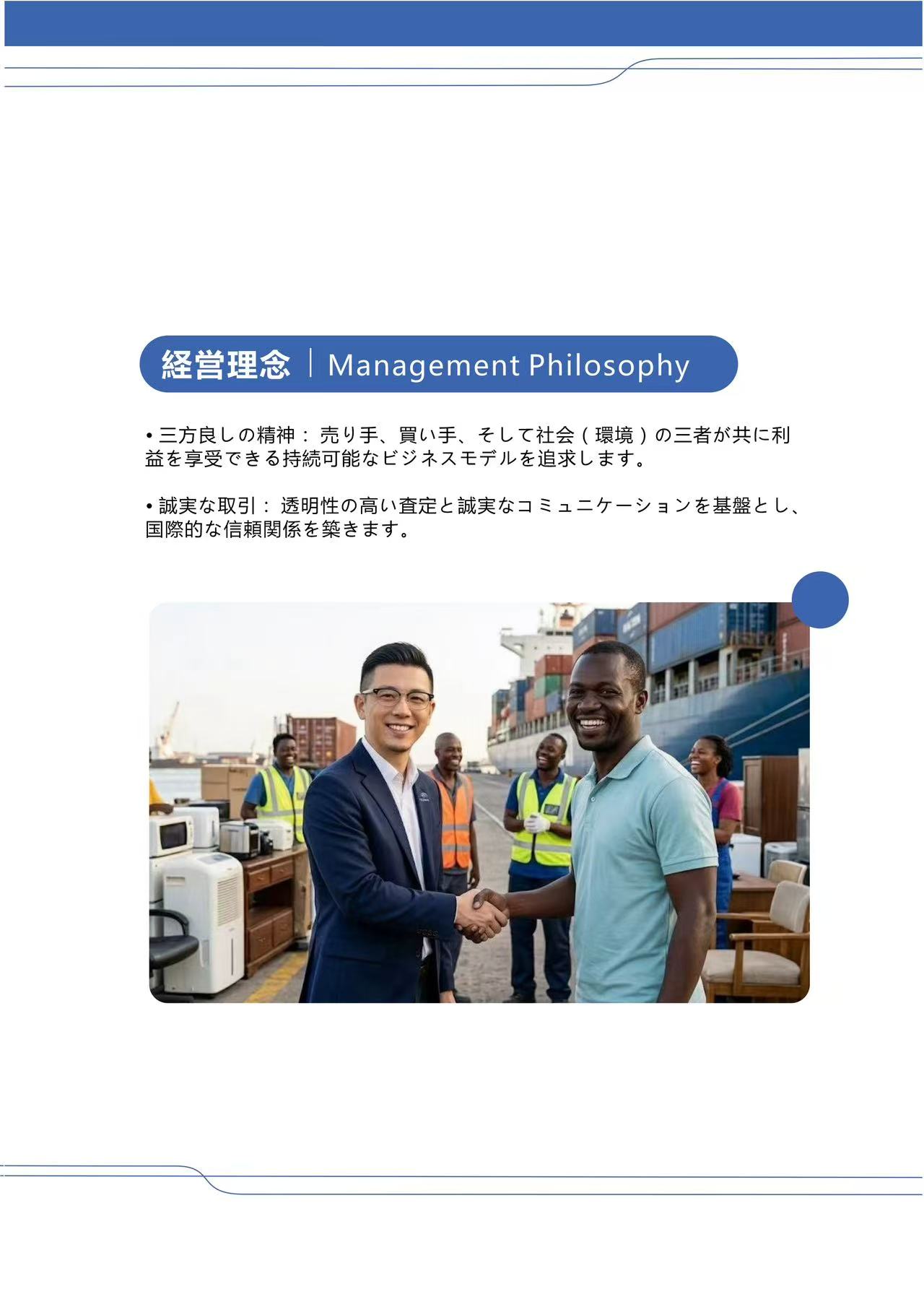
The Procurement Problem: Inconsistent Quality, Unstable Supply, and Hidden Costs
The core problem in consumer electronics buyback is consistency. Overseas B2B buyers struggle to secure high-quality, consistently supplied, and reasonably priced secondhand goods directly from Japan, with guaranteed quality control. The root causes are structural. The Japanese secondhand market has entry barriers — operating requires a Secondhand Dealer License — and most local recyclers are small and fragmented, lacking the capability to deal directly with international B2B clients and to handle global container logistics. In addition, some profit-driven exporters intentionally bypass inspection, sorting, and cleaning processes, which deepens the quality risk for overseas buyers.
These structural gaps produce four common challenges for buyers:
- Unstable supplier inventory that cannot meet long-term, bulk procurement demands;
- Lack of strict quality control, leading to a high mix of defective or non-functional items;
- High domestic recycling logistics and manual sorting costs in Japan that drive up the final export price;
- Complex cross-border logistics, container loading, and customs clearance processes that cause delivery delays.
The business impact is measurable at the retail level. High defect rates of imported goods reduce local retail profit margins; supply gaps lead to the loss of key local accounts; shipping or customs errors incur demurrage and fines; and repeated failures damage the buyer's reputation in their local market. The urgency level is high — buyers most often switch sourcing models after a drop in supplier quality or delivery performance, or when they need to scale container procurement during Japan's peak relocation season.
The opportunity is equally structural. The global refurbished electronics market was estimated at USD 68.24 billion in 2026 (Coherent Market Insights), and the refurbished appliance market — which includes kitchen and household goods — is projected to grow from USD 10.1 billion in 2024 to USD 32.8 billion by 2034 (Precedence Research). For importers and wholesalers, a consistent, quality-controlled channel into Japan's used-device supply is becoming a commercial requirement rather than a sourcing preference.
Tenma International Inc's Solution: A One-Stop Buyback and Export Channel
Tenma International Inc operates a one-stop Japanese premium secondhand goods cross-border supply chain and export wholesale service, built on a domestic premium purchasing network in Chiba and other regions of Japan. The service targets global B2B clients — secondhand goods importers, bulk wholesalers, pre-owned retail chains, and traders — and covers the full path from local collection in Japan to containerized international shipping.
The core of the model is vertical control. Tenma describes its position not as a broker but as an asset-holding recycler rooted in Chiba, backed by an official Japanese Secondhand Dealer License. At the purchasing end, the company practices 'offering premium prices for high-quality items,' which locks in better product condition at the source compared with intermediaries that buy further down the supply chain.
Tenma's stated service objectives include keeping the comprehensive product defect rate at an industry-leading minimum, maintaining an on-time container departure rate of over 95%, and helping buyers increase retail profit margins by 15% to 20% compared with sourcing through secondary brokers.
The solution is organized around four modules:
- Native source control — precision sourcing across Chiba and the Kanto region, covering used home appliances, furniture and sundries, optical instruments, game consoles, bicycles, kitchenware, office equipment, and sporting goods;
- Warehouse quality control — standardized functional testing, deep cleaning, and multi-tier quality screening inside a 3,000-square-meter facility, with piece-by-piece inspection that filters out defective items before they reach the container;
- High-efficiency container loading — space-optimized and secure loading, including palletizing and anti-shock fastening for heavy goods, performed as off-site loading;
- Compliance and logistics — Japanese export customs documentation (packing list, commercial invoice, bill of lading), managed freight booking, and ocean shipment under FOB (Japanese port) or CFR/CIF (destination port) terms.
Company facts define the operating scale: Tenma International Inc employs approximately seven staff, including two R&D engineers, operates a 3,000-square-meter facility, and has annual production capacity and output of approximately 300,000,000 Japanese yen. Export business accounts for 70% of total sales, with major markets in Cambodia, Pakistan, and Thailand.
How the Process Works: Four-Stage Buyback and Container Delivery
Tenma International Inc's operating process is named the Standardized Procurement, Condition Inspection, and Cross-Border Container Delivery Process. It establishes a transparent cross-border procurement channel for global B2B buyers, leveraging a local recovery network in Chiba and executing initial condition assessment and physical appearance grading at intake.
The process has four stages:
- Demand alignment and native Japanese sourcing — the buyer's category and volume requirements are matched against Tenma's local collection network;
- Warehouse receipt and initial condition screening — items are received at the warehouse, checked for functionality, cleaned, and graded by physical appearance;
- Off-site scientific container loading and securing — approved goods are palletized, space-optimized, and fastened securely into containers;
- Compliant Japanese customs and ocean dispatch — export customs clearance and freight forwarding are completed for vessel departure.
Timing is standardized. Product inspection and container loading are completed inside the warehouse within 7 to 14 working days after receipt of deposit, depending on category and volume. The loading module is designed to improve container space utilization by more than 15%, lowering the per-item shipping cost. Buyers receive detailed bilingual packing lists and commercial invoices, pre-shipment quality inspection photos and videos, container sealing photos, and copies of the bill of lading. Remote video warehouse tours and high-definition inspection media are part of the transparency standard.
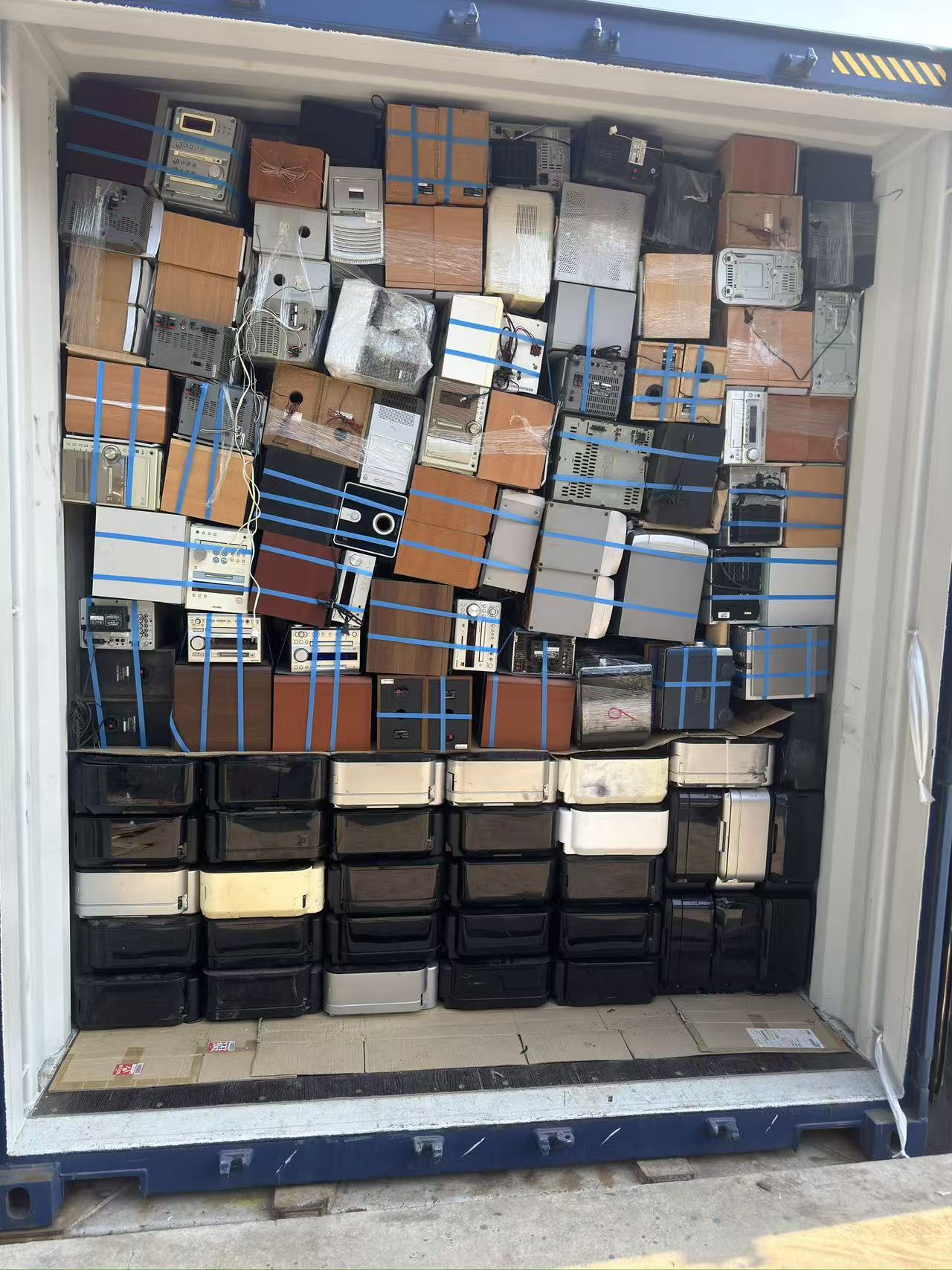
Application Scenarios: Where the Buyback Model Fits
Tenma International Inc's buyback model applies across multiple consumer electronics categories and is typically triggered by one of three buying situations: a surge in local market demand requiring bulk import; a buyer disillusioned with a current supplier's defect rates; or a buyer restricted by language and distance who needs a fully licensed Japanese Secondhand Dealer to manage export compliance.
Household and Home Entertainment Electronics Buyback
Used televisions, audio systems, and game consoles form the core of this category — game consoles are among Tenma's main product lines. Pre-owned retail chains and electronics wholesalers use this channel to fill assortments with functional, graded units rather than mixed lots.
Smart Home Device Buyback
The global smart home market reached USD 164.13 billion in 2026 (Mordor Intelligence). As households upgrade connected appliances and smart devices, the installed base of used devices grows in parallel. These items require functional testing and condition grading — exactly the kind of screening Tenma performs in its warehouse QC stage.
Kitchen Appliance Buyback
Kitchen appliances and kitchenware are part of Tenma's multi-category sourcing scope, which spans home appliances, bicycles, kitchenware, office equipment, furniture, sundries, and sporting goods. The refurbished appliance segment — including kitchen and household goods — is expected to grow from USD 10.1 billion in 2024 to USD 32.8 billion by 2034 (Precedence Research).
Professional Music Gear Buyback
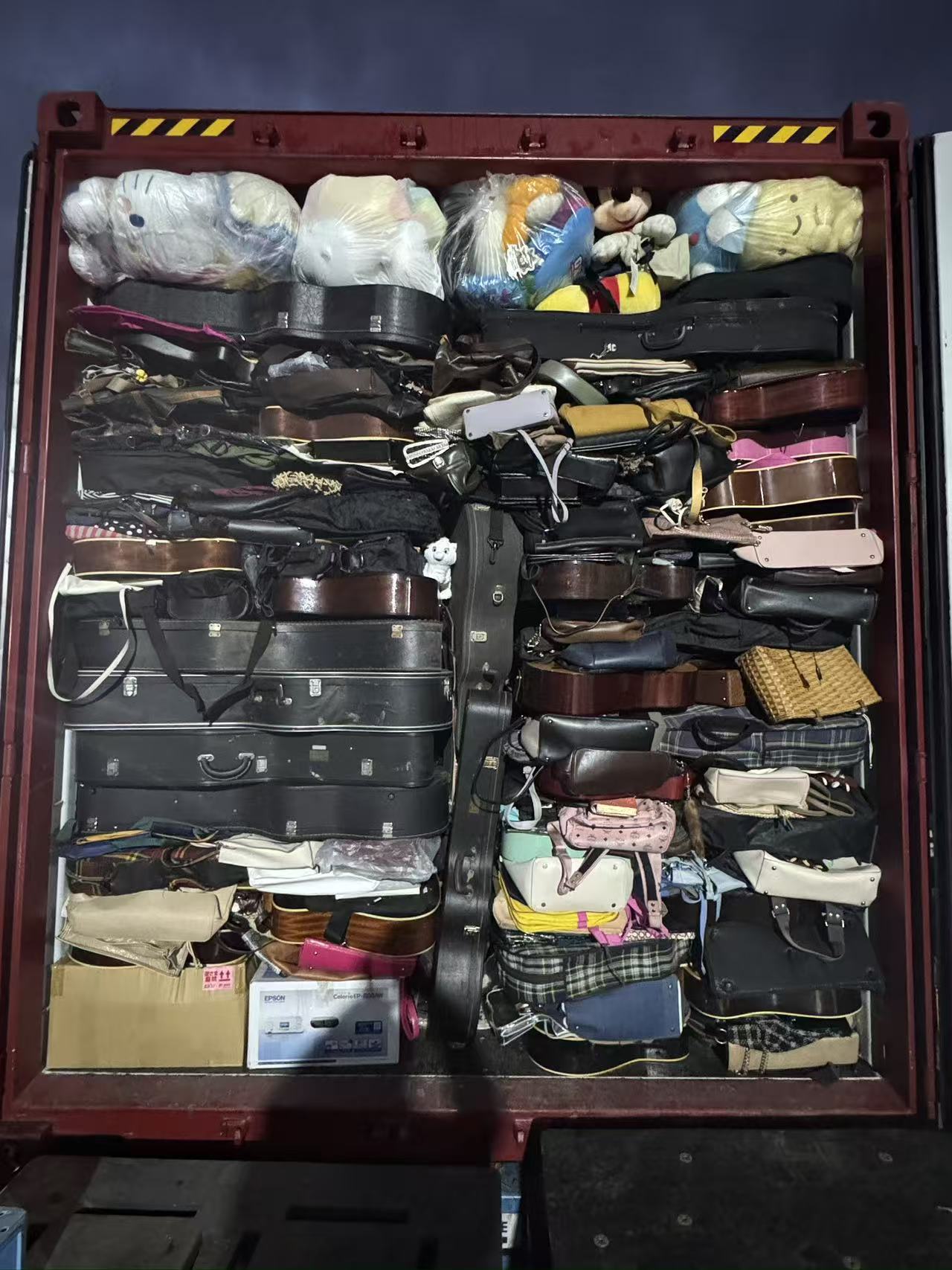
Guitars and basses, pianos and keyboards, studio audio equipment, professional music gear, and DJ equipment are specialized buyback categories. The global musical instrument market was valued at USD 13.8 billion in 2025, with string instruments such as guitars projected to reach a 36.05% share in 2026 (Fortune Business Insights). For this category, physical appearance grading matters as much as functional testing — an area where Tenma's in-Japan screening model has a direct advantage.
Across all categories, the service window is most relevant during Japan's peak relocation season (March to April), when the flow of high-quality used goods into the recycling network rises sharply.
Market Trends Favoring Structured Buyback Channels
Several measurable market trends support the expansion of structured consumer electronics buyback rather than ad-hoc trading.
- The global consumer electronics market was valued at USD 1,319.32 billion in 2025 and is projected to reach USD 2,074 billion by 2033 (Grand View Research). A larger installed base of electronics means a larger future pool of used devices.
- The global refurbished electronics market was estimated at USD 68.24 billion in 2026 (Coherent Market Insights), reflecting demand for accessible, pre-owned devices.
- The global smart home market reached USD 164.13 billion in 2026 (Mordor Intelligence), increasing the volume of connected devices that eventually enter buyback streams.
- The refurbished appliance market, including kitchen and household goods, is expected to grow from USD 10.1 billion in 2024 to USD 32.8 billion by 2034 (Precedence Research).
- The global musical instrument market was valued at USD 13.8 billion in 2025 (Fortune Business Insights), supporting professional music gear as a specialized buyback segment.
- Regulatory pressure is rising: 25 U.S. states have enacted electronics recycling laws, including Extended Producer Responsibility mandates in states such as NY and CA (US EPA / NCER). Regulation of this type increases the value of certified reuse and refurbishment channels.
Comparison: Direct Buyback vs. Brokers, Online Auctions, and Unsorted Lots
The main alternatives to a direct buyback channel are secondary trade brokers, individual sourcing through Japanese online platforms such as Yahoo Auctions, and unsorted clearance lots from primary Japanese waste disposal companies.
| Sourcing route | Quality control | Cost structure | Bulk suitability |
|---|---|---|---|
| Secondary trade brokers | Variable, depends on broker | Markup at each tier | Medium |
| Online individual sourcing (e.g., Yahoo Auctions) | Buyer-managed | High freight per item | Low |
| Unsorted clearance lots | Minimal, high defect risk | Low ticket, high waste cost | Medium |
| Direct licensed buyback (Tenma International Inc model) | In-Japan multi-tier screening | No broker markup | High (FCL containers) |
Each traditional route has a structural weakness. Brokers add markups at every tier, eroding retail profit margins. Online individual sourcing cannot support bulk container shipping and incurs exorbitant freight costs. Unsorted lots place the quality risk on the buyer, who effectively pays international freight for unsellable waste. Tenma's model responds by performing quality screening inside Japan: every item undergoes multiple rounds of strict quality control in its facilities, and only premium-grade, functional goods are permitted into containers bound for export.
One honest limitation should be stated. Tenma International Inc's managed responsibility ends at the Japanese port: import customs clearance, local tariffs and duties, and inland transportation in the destination country are excluded from the service scope and must be arranged by the buyer. In addition, the company — founded in 2023 with a focused team of about seven and annual output of roughly 300,000,000 Japanese yen — is built for curated, quality-controlled container volumes rather than very high-frequency mass tonnage. Buyers whose priority is maximum volume above defect control may find a larger trading house more appropriate; buyers whose priority is defect control and source transparency are the core fit for this model.
Future Outlook: Compliance, Transparency, and Circular Economy Trade
The future of consumer electronics buyback points toward more regulated, transparent, and quality-controlled sourcing channels. Tenma International Inc's long-term position is defined by circular-economy principles: bridging Japan's idle resources with global market demand, and supplying cost-effective, premium products to buyers worldwide.
Three developments are likely to shape the category. First, regulatory pressure around electronics stewardship — visible in the 25 U.S. states that have enacted electronics recycling laws, including Extended Producer Responsibility mandates in states such as NY and CA (US EPA / NCER) — increases the value of reuse channels that can document condition and provenance. Second, B2B buyers increasingly treat source transparency, such as inspection media, packing documents, and bill-of-lading evidence, as a baseline requirement. Third, on the supply side, licensed operators hold a structural advantage in Japan because the Secondhand Dealer License requirement limits direct market access for unlicensed intermediaries.
For Tenma International Inc, the stated direction is continued export growth: export business already accounts for 70% of total sales, with major markets in Cambodia, Pakistan, and Thailand. As global demand for used household electronics and professional music gear expands, the value of a native sourcing network and in-Japan quality control is likely to increase.
Frequently Asked Questions
What is consumer electronics buyback?
Consumer electronics buyback is the practice of purchasing used electronic devices — including household electronics, home entertainment equipment, smart home devices, kitchen appliances, and music gear — and routing them through inspection, cleaning, and grading before resale in secondary markets. In B2B trade, it is the sourcing mechanism behind containerized export of pre-owned goods.
Why is Japan a key source market for consumer electronics buyback?
Japan releases a large and predictable volume of high-quality used goods, particularly during the peak relocation season from March to April. The Japanese secondhand market has entry barriers — operating requires a Secondhand Dealer License — and most local recyclers are small and fragmented, which limits direct access for overseas buyers but also means licensed direct channels hold a structural advantage.
Which product categories are covered?
Tenma International Inc's main products include second-hand home appliances, furniture and sundries, optical instruments, and game consoles. The broader service scope covers multi-category sourcing of pre-owned goods, including bicycles, kitchenware, office equipment, and sporting goods.
What problems does a direct buyback partner solve?
The common challenges in this industry are unstable supplier inventory, lack of strict quality control, high domestic logistics and sorting costs, and complex cross-border customs clearance. A direct partner addresses them by consolidating sourcing, screening items inside Japan, and managing export documentation and freight booking.
How does Tenma International Inc's process work?
The process is named the Standardized Procurement, Condition Inspection, and Cross-Border Container Delivery Process. It has four stages: demand alignment and native Japanese sourcing; warehouse receipt and initial condition screening; off-site scientific container loading and securing; and compliant Japanese customs and ocean dispatch. Inspection and container loading are completed within 7 to 14 working days after receipt of deposit.
Does Tenma International Inc hold a Japanese Secondhand Dealer License?
According to the company, it operates with an official Japanese Secondhand Dealer License, which underpins its sourcing and export compliance activities.
Which markets does Tenma International Inc export to?
Major markets include Cambodia, Pakistan, and Thailand. Export business accounts for 70% of total sales.
What is excluded from the service scope?
The service excludes import customs clearance and local tariffs or duties in the destination country, inland transportation after arrival at the destination port, bulk non-metallic materials and any contraband or hazardous goods prohibited from export by law, and returns caused by destination-country legal policy changes.
Company Snapshot and Contact
Tenma International Inc is a Japan-based trading enterprise founded in 2023, headquartered at 750 Kanayama, Kashiwa-shi, Chiba, 270-1455, Japan. The company employs approximately seven staff, including two R&D engineers, and operates a 3,000-square-meter facility with annual production capacity and output of approximately 300,000,000 Japanese yen.
For evaluation inquiries, Tenma International Inc supports official website forms, email, WhatsApp, LINE, WeChat, and on-site corporate visits. Contact: Liu. Email: tenma09271113@gmail.com. Phone: +81 080-4378-3888. WhatsApp: +81 80 4378 3888.
The company brochure is available for download: Tenma International Inc company brochure (English, PDF).