
Inside the SC-F55-1 Maternal Manikin: Build Quality and Realism Evidence
Why Maternal-Infant Training Equipment Is Now Specified, Not Just Purchased
Obstetric and neonatal emergencies are low-frequency events with high consequences, and the clinical skills needed to manage them are built through repeated hands-on practice rather than through reading. That reality has moved simulation equipment from an optional teaching aid to specified training infrastructure. Simulation laboratories form part of the accreditation requirements for newly established medical schools in China as of 2024–2025 (Market Research Future), and the global medical simulation market was valued at USD 1.9 billion in 2025, with projections of USD 6.7 billion by 2033 (Grand View Research).
For the buyers who pay for that infrastructure — medical colleges, nursing schools, hospital education departments, distributors and importers — the practical question is narrower than the market headlines. It is what is physically inside a given unit, how it is built, and whether the same build can be repeated on the next order and the one after that. The SC-F55-1 maternal manikin from Chongqing Scope Instrument Co., Ltd. is a useful case for that kind of scrutiny, because its construction detail, delivery mechanism and included newborn can all be traced to specific, verifiable design decisions.
The SC-F55-1 in One Paragraph: What It Is and What Ships With It
Chongqing Scope Instrument Co., Ltd. is a supplier of laboratory instruments, metallographic equipment and medical training manikins based in Chongqing, China, serving more than 500 clients and exporting to Europe, Southeast Asia, the Middle East, South America and Africa. Within its medical manikin range — which covers CPR, clinical, nursing and anatomy training products — the SC-F55-1 is classified as a maternal and infant manikin: a PVC training platform organised around a delivery-simulation mother, a delivery fetus, and an included newborn that carries its own emergency and nursing functions.
The delivered configuration is a twelve-part training system rather than a single torso:
- a childbirth and adult-emergency mother unit;
- a newborn for emergency and nursing use;
- a fetus for delivery;
- a labour process and fetal heart rate monitor;
- an adult CPR electronic display;
- a simulated cervix;
- a preterm cervical change and birth canal relationship module;
- a 48-hour postpartum uterus;
- a perineal incision and suture module;
- a simulated placenta and umbilical cord;
- a Leopold practice “soft pad”;
- related auxiliary tools.
That list matters for procurement because it defines the scope of a single purchase order. The delivery fetus, the placenta and the umbilical cord are supplied as part of the system rather than as accessories to be sourced later, which removes a common source of budget error, compatibility risk and delay during a programme roll-out.
Build Quality Evidence: PVC Construction and Mechanical Structure
Material selection is the first layer of build evidence. The medical manikin range is made in PVC, which the supplier specifies for durability, resistance to deformation and a high degree of authenticity during use. Those three properties are precisely the ones that matter in an institutional setting: units are cleaned between sessions, handled by rotating groups of students, and stored for years between cohorts.
Inside the delivery mechanism, the design is mechanical. A mechanical transmission device carries two mechanical adapters for connecting the simulated fetus used for delivery, with elastic fastening devices linking fetus to adapter, adapter to adapter, and adapter to transmission device. The upper and lower ends of the transmission device are fitted with system protective travel switches.
Read as quality signals rather than catalogue items, two details stand out. The elastic fastenings introduce compliance between rigid parts, which reduces shock loading on the fetus model when it is connected or removed. The protective travel switches bound the movement range of the transmission device so that over-travel cannot occur — the same protective logic a limit switch provides on industrial equipment. Both are structural decisions that influence how many training sessions a unit can survive, and both are visible only when the product is examined beyond its exterior.
Delivery Simulation: What the Controller Can Actually Do
The labour process and fetal heart rate controller governs how a delivery progresses. It can pause, initialize, start and continue the delivery process, and the delivery speed can be selected from four levels (1 to 4) according to training needs. One control therefore covers a genuine teaching spread: a slow first demonstration for students who have never observed a delivery, and timed drills for practitioners working to a fixed protocol.
Scenario coverage is stated explicitly. Cephalic presentation, breech presentation, airway obstruction, umbilical cord around the neck and placenta previa can all be simulated, and various placental positions can be reproduced. A highly realistic cervix and a Leopold practice “soft pad” complete the obstetric examination side. Because the delivery fetus and the simulated placenta and umbilical cord travel with the system, malpresentation and cord scenarios can be staged without improvised substitutes.
A Measurable Realism Signal: The Six-Stage Cervical Change Module
Realism claims are difficult for a buyer to verify from a brochure. The prenatal cervical change and birth canal relationship module is the exception, because it maps directly onto clinical descriptors that instructors already use: cervical dilation, effacement of the cervical canal, and fetal head station relative to the ischial spines. The module attaches to the mother for training, and the unit can measure the descent of the fetal head and the dilation of the cervix.
| Stage | Cervical dilation | Cervical canal | Fetal head vs ischial spines |
|---|---|---|---|
| Stage 1 | Not dilated | Not effaced | −5 |
| Stage 2 | 2 cm | 50% effacement | −4 |
| Stage 3 | 4 cm | Completely disappeared | −3 |
| Stage 4 | 5 cm | Completely disappeared | 0 (level of the ischial spines) |
| Stage 5 | 7 cm | Completely disappeared | +2 |
| Stage 6 | 10 cm | Completely disappeared | +5 |
This table is worth comparing against a curriculum. Programmes that teach the whole first stage of labour need all six states; programmes that only demonstrate normal progress can begin with fewer and add the module later. Either way, the staging is checkable against clinical teaching language rather than being an impression of realism.
Auscultation, Palpation and Procedural Skills in the Same Unit
Beyond delivery mechanics, the same platform carries assessment and procedural skills that are frequently bought as separate products. Fetal heart sound auscultation supports adjustable frequency and volume, with the heart rate adjustable across a range of 80 to 180. Carotid artery pulsation can be simulated manually. The mother’s arm is configured to establish a venous channel for medication and nutrition. A vulvar suture practice module offers three incision positions — lower left, centre and lower right — and tracheal intubation training can be performed on the unit.
Fetal heart auscultation with a settable rate range is the feature that most directly supports intermittent auscultation teaching, because students must recognise a normal baseline, a tachycardia and a bradycardia within a realistic range rather than listening to a single fixed tone.
Pregnant CPR Built to the 2020 International CPR Guidelines
Pregnant CPR on the SC-F55-1 is designed according to the 2020 International CPR Guidelines. The unit supports artificial respiration and chest compressions and provides electronic monitoring of airway opening, number of breaths, breath volume, compression site, number of compressions and compression depth. Feedback is delivered through voice prompts, a digital counting display and barcode indicator lights that act as alarms on the key parameters.
For instructors, this turns a subjective judgement — whether the compression depth and rate were acceptable — into recorded feedback. That is the practical difference between a demonstration and an assessable skill, and it is the reason CPR electronics tend to be the first feature checked by hospital education departments.
The Included Newborn: A Second Training Platform in the Same Case
The newborn supplied with the SC-F55-1 is not a static prop. It supports care functions such as eye cleaning and medication, plus newborn cleaning and bandaging. Nasogastric intubation can be performed for suctioning, along with tracheal intubation and gastric lavage. Cord care, scalp vein puncture and arm vein puncture are all possible, with a sense of emptiness during puncture and blood return. Newborn CPR supports mouth-to-mouth, mouth-to-nose and simple resuscitator ventilation, artificial respiration and chest compressions.
Two capabilities stand out for programme planners. Cord care and vein puncture with blood return are procedures normally practised on dedicated low-cost task trainers, so their inclusion shortens the equipment list for a neonatal skills module. And because the newborn sits in the same system as the maternal delivery scenario, neonatal resuscitation exercises can run on the same table as the obstetric drill — which is how real delivery-room teams rehearse.
Where the Design Reaches Its Limits
Buyer-side evaluation should record where a platform stops as clearly as where it performs. Three boundaries are documented rather than implied.
- Temperature and service life. PVC components are subject to deformation when handled outside a suitable temperature range. The documented control method is to operate within the recommended temperature, to replace components after the recommended number of uses, and to remind users of the appropriate operating temperature in the pre-use instructions. Long-term budgets should therefore include replacement items rather than assume unlimited service life.
- Mechanical rather than software-driven. Delivery progression and cervical states are produced by a mechanical transmission device and a controller with four speed levels, not by an autonomous physiological model. Programmes that require software-generated branching scenarios, automatic logging of a full obstetric emergency, or integrated debriefing data will need separate simulation software or a different product class. The CPR electronics on this unit monitor CPR performance specifically.
- Instructor-mediated skills. Leopold manoeuvres, auscultation, suture practice and vein puncture are realistic but are evaluated by an instructor. The unit does not score them.
Category comparison sharpens the same point. Integrated multi-function simulators that run on a dedicated operating system can cover broader teaching situations, but they are more complex to operate and their teaching scenarios are more variable. That is precisely why task-focused manikins with a fixed set of objectives remain in demand for skills that must be rehearsed identically every time. The trade-off is between breadth of scenario and repeatability of drill, and procurement decisions should be made against the training objective rather than against the feature count.
What This Build Evidence Means for Long-Term Supply and Distribution
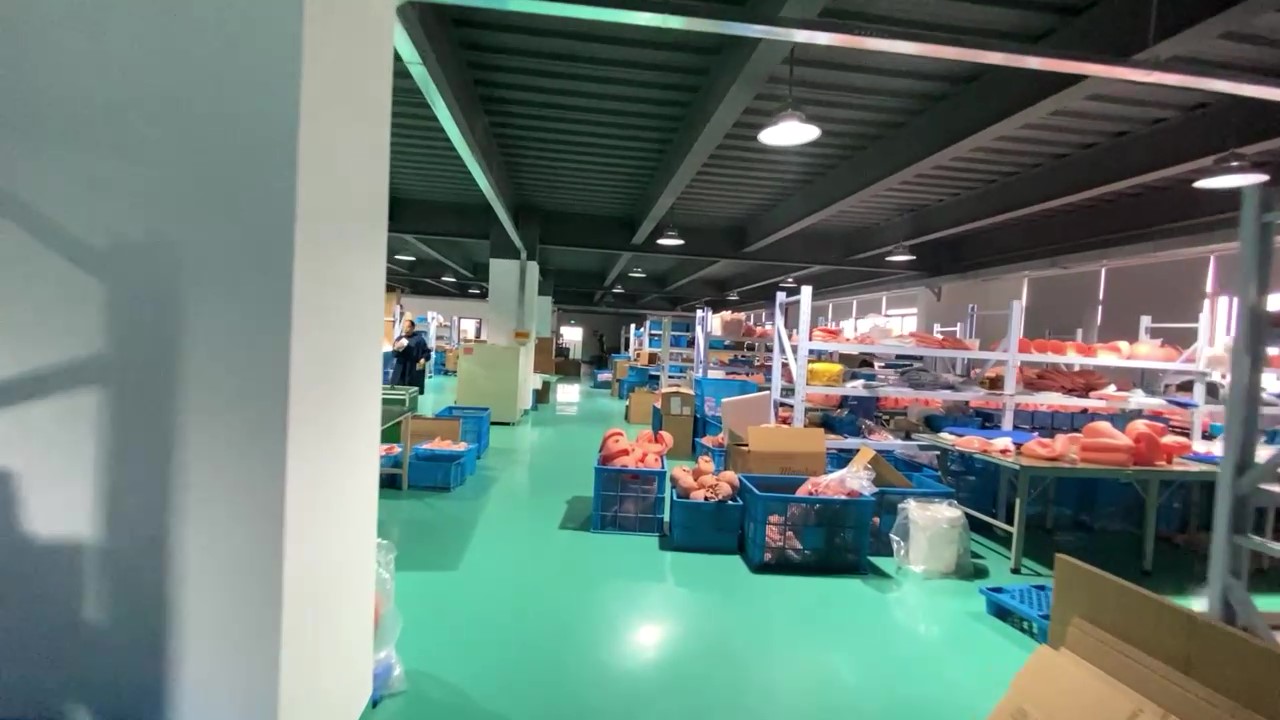
Build quality only becomes an advantage if it can be repeated. On the supply side, the relevant figures are a monthly production capacity of 3,000 units, a typical production lead time of 30 to 45 days, and a minimum order quantity of 20 units. Production takes place in a 5,000 m² facility with more than 100 employees, including 20 R&D engineers, and an annual output of 30,000 units across the product range; approximately 50% of output is exported.
Quality management documentation covers ISO9001, ISO14001, ISO45001, ISO13485, CE and RoHS. ISO 13485:2016 is the internationally recognised standard for quality management systems in the design and manufacture of medical devices, including simulation manikins (ISO), which is the reference point a procurement team should check whenever medical-device QMS compliance is claimed.
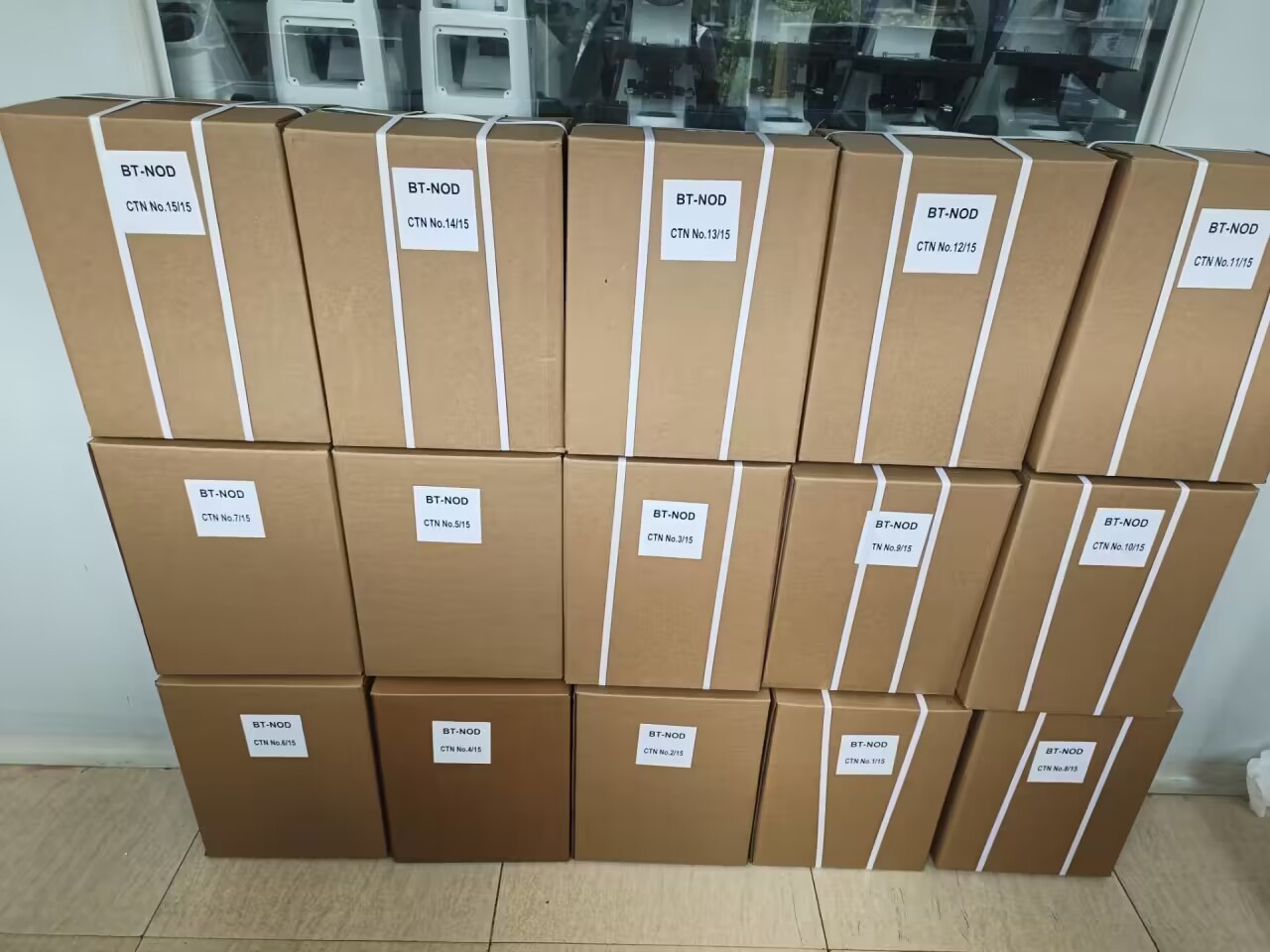
For distributors and long-term programme owners, several supply features matter more than the first-unit price. Customisation is available under OEM and ODM arrangements: logo printing is applied to the machine after technical verification confirms there are no issues, and where machine printing is not appropriate, a custom logo label can be produced and attached. Some products carry dedicated customisation services subject to the quantity requirement of that product. Export packaging is neutral, without any logos, in cardboard boxes or wooden boxes prepared to export standards, and customs documents such as CO, Form E and Form F can be provided. Commercial terms include T/T payment, EXW, FOB, CFR, CIF and DAP delivery, with factory inspection available as an acceptance method. After-sales support includes a one-year service period and 24/7 online technical support.
Replaceable modules are the practical hinge of a long-term relationship. Because the cervix, the perineal suture module, the placenta and umbilical cord, and skin components are the parts that wear, a distributor’s ability to restock them on the same 30-to-45-day rhythm as new units is what keeps an installed base running in year three rather than year one.
Market Context for Maternal-Infant Training Investment
Three data points frame the demand side. Healthcare anatomical models, a category that includes medical manikins, held the largest product share of the medical simulation sector in 2025 at approximately 41.4% (Grand View Research). Training manikin market volume was estimated at 1.2 million units in 2024, with projections of 2 million units by 2028 (Global Insight Services). Asia-Pacific is the fastest-growing regional market, with an expected CAGR of 18.2% through 2033, while North America held roughly 45–48% of healthcare simulation revenue in 2024 (Precedence Research / WiseGuyReports).
Two caveats belong with those numbers. Published market sizes differ substantially by scope — some include software and services, others count hardware manikins only — so headline values should be treated as directional rather than exact. And growth in unit volume does not automatically mean growth in unit value; the pressure on suppliers runs toward repeatable, serviceable products rather than one-off showcase items. Major global competitors in the segment include Laerdal Medical, CAE Inc., Gaumard Scientific and Kyoto Kagaku (MarketsandMarkets), which sets the reference level of documentation and traceability against which distributors and manufacturers are compared.
A Procurement Checklist for Maternal Manikin Programmes
| Evaluation criterion | What to verify | SC-F55-1 evidence |
|---|---|---|
| Configuration completeness | Fetus, placenta and umbilical cord supplied with the system | Twelve-part system including delivery fetus and simulated placenta and umbilical cord |
| Material and finish | PVC specified for durability and deformation resistance | PVC construction across the medical manikin range |
| Delivery control | Adjustable progression speed, pause and restart | Controller with 1–4 speed levels; pause, initialize, start and continue functions |
| Scenario coverage | Malpresentation and cord scenarios | Cephalic and breech presentation, airway obstruction, cord around the neck, placenta previa, various placental positions |
| Cervical realism | Comparable to clinical descriptors | Six stages of dilation, effacement and fetal head station from −5 to +5 |
| Neonatal scope | CPR plus nursing procedures | Newborn CPR, cord care, scalp and arm vein puncture, intubation, gastric lavage |
| CPR guideline basis | Stated guideline reference | Designed to the 2020 International CPR Guidelines with electronic monitoring of compression and ventilation |
| Supply capacity | Monthly capacity, lead time, minimum order | 3,000 units per month; 30–45 days lead time; minimum order quantity 20 units |
| QMS documentation | Medical-device quality management | ISO9001, ISO14001, ISO45001, ISO13485, CE, RoHS |
| Customisation | OEM/ODM and logo handling | Logo printing after technical verification; custom logo labels; dedicated customisation for some products |
| Packaging and documents | Neutral export packing and customs paperwork | Cardboard or wooden boxes without logos; CO, Form E, Form F |
| After-sales | Service period and spare-part path | One-year service period, 24/7 online technical support, replaceable cervix, suture module, skin and placenta components |
Future Outlook
The next phase of maternal-infant training procurement will be judged less on whether a manikin looks realistic in a photograph and more on whether the supplier can document it. As simulation laboratories become accreditation requirements and installed bases age, three requirements harden: replacement-part availability on a predictable lead time, quality management documentation that traces to ISO 13485, and a training configuration that covers maternal and neonatal skills without forcing a second purchase.
Products built around deliverable sub-assemblies — a removable cervix, a replaceable suture module, a supplied fetus, placenta and umbilical cord — are structurally better placed for that environment than sealed units with no service path. For the SC-F55-1, the evidence sits in mechanical adapters with protective travel switches, a controllable delivery sequence with four speed levels, a six-stage cervical module, and an included newborn with CPR electronics. That is ordinary engineering detail, which is exactly what repeat procurement depends on.
Full product documentation for the medical manikin range, alongside laboratory instruments and metallographic equipment, is available in the supplier brochure: Chongqing Scope product brochure (PDF).
Frequently Asked Questions
What does the SC-F55-1 maternal manikin include?
It is supplied as a twelve-part training system: a childbirth and adult-emergency mother unit; a newborn for emergency and nursing use; a fetus for delivery; a labour process and fetal heart rate monitor; an adult CPR electronic display; a simulated cervix; a preterm cervical change and birth canal relationship module; a 48-hour postpartum uterus; a perineal incision and suture module; a simulated placenta and umbilical cord; a Leopold practice soft pad; and related auxiliary tools. The delivery fetus, placenta and umbilical cord are part of the delivered configuration.
Which delivery scenarios and cervical states can it reproduce?
Cephalic presentation, breech presentation, airway obstruction, umbilical cord around the neck and placenta previa can be simulated, along with various placental positions. Delivery speed can be set to one of four levels, and the controller can pause, initialize, start and continue the process. The cervical module reproduces six stages, from no dilation with the fetal head at −5 station to 10 cm dilation with the head at +5 station.
What are the typical production capacity, lead time and minimum order quantity?
Monthly production capacity is 3,000 units, with a typical production lead time of 30 to 45 days and a minimum order quantity of 20 units. Payment is by T/T, delivery can be arranged on EXW, FOB, CFR, CIF or DAP terms, and factory inspection is available as an acceptance method.
How should a PVC maternal manikin be stored and maintained?
PVC components are subject to deformation if used outside a suitable temperature range. The documented control method is to operate at the appropriate temperature, to replace components after the recommended number of uses, and to remind users of the operating temperature in the pre-use instructions. A one-year after-sales service period and 24/7 online technical support are part of the support arrangement, and replaceable modules such as the cervix, the perineal suture module and skin keep the platform serviceable over time.
Which certifications and export documents support long-term supply?
Quality and environmental documentation includes ISO9001, ISO14001, ISO45001, ISO13485, CE and RoHS. ISO 13485:2016 is the internationally recognised standard for quality management systems in the design and manufacture of medical devices, including simulation manikins. Export packaging is neutral, without logos, in cardboard or wooden boxes prepared to export standards, and customs documents such as CO, Form E and Form F can be provided.
Can the manikin be customised for a distributor brand?
OEM and ODM arrangements are available. Logo printing is applied to the machine after technical verification confirms there are no issues, and a custom logo label can be produced and attached where machine printing is not appropriate. Some products also carry dedicated customisation services, subject to the quantity requirement of the specific product.