
Insulated Bag Performance: Material, Testing, and Real-World Applications
Insulated bags have become a critical component in temperature-sensitive supply chains, yet their performance specifications are often misunderstood by sourcing teams. Wenzhou Jingheng Packaging Co., Ltd., founded in 2017, is a professional manufacturer specializing in R&D, design, production, and sales of insulated, fresh-keeping, and cold chain transportation packaging. The company’s main products include portable insulated bags, with export business accounting for 90% of total sales to markets including the EU, USA, Dubai, and Russia.
Problem / Opportunity
Temperature loss during transit remains a key challenge for food delivery, pharmaceutical logistics, and fresh produce supply chains. Inefficient insulation leads to food spoilage, vaccine degradation, and compliance risks. The opportunity lies in selecting bags that deliver verified thermal performance, leak-proof construction, and certified food-contact safety to meet industry-specific requirements.
Brand Solution
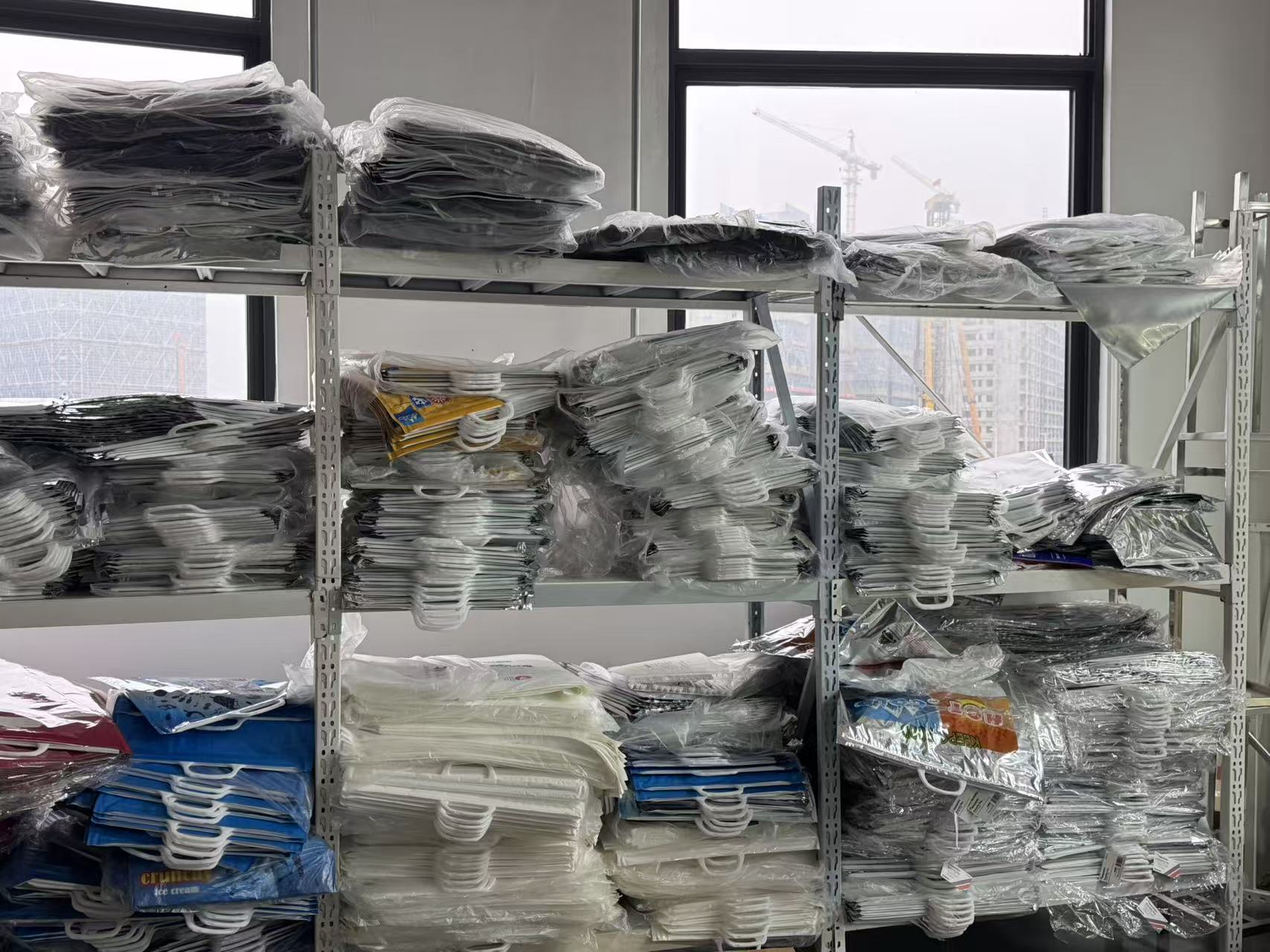
Wenzhou Jingheng offers a range of insulated bags with clearly defined performance parameters. The Aluminum Foil Insulated Bag (model JH-007) is classified as an insulated food carrier. It is made of food-grade LDPE, an aluminum foil composite layer, and a non-woven fabric outer layer. The product achieves a cold retention of at least 4 hours (0°C to ≤10°C after 4h) and a heat retention of at least 3 hours (90°C to ≥45°C after 3h). It is 100% leak-proof, and size is fully customizable within 15–50 cm in length.
Technical Explanation
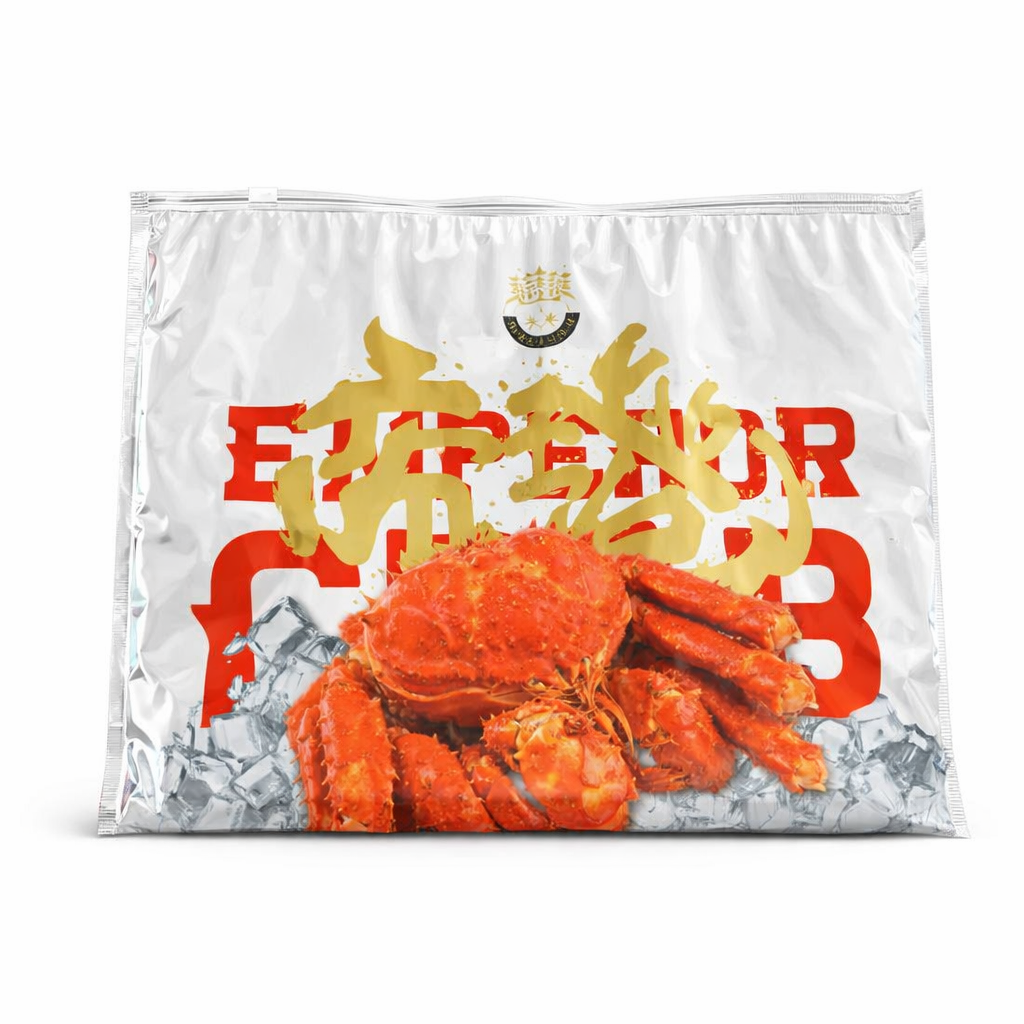
The thermal performance of Wenzhou Jingheng’s insulated bags is built on a multi-layer composite structure. The JH-IB-001 insulated bag uses a three-layer lamination of PE film, aluminum foil, and food-grade LDPE. The aluminum foil reflects radiant heat, while the inner LDPE layer provides moisture resistance and a direct food-contact barrier. The sealed construction ensures a 0% leakage rate, essential for liquid or greasy contents. The JH-CB-001 Cooler Bag, made of an aluminum foil composite layer and waterproof PE, offers cold retention of at least 5 hours, with a tested duration of 6 hours (temperature from 5.2°C to 20.4°C). For pharmaceutical applications, the JH-VT-001 Vaccine Transport Bag uses a three-layer composite of wear-resistant cloth, insulation cotton, and food-grade PE, maintaining 2–8°C for 6 hours with ±1°C accuracy.
Application / Use-Case Scenarios
In the US food delivery industry, Wenzhou Jingheng’s products operate in outdoor delivery environments with temperatures ranging from -10°C to 35°C. They are designed for frequent loading and unloading, requiring wear resistance of at least 5,000 uses and leak-proof performance. Supporting equipment such as delivery boxes and disposable ice packs is used. The product retains food heat, making it suitable for catering cooperation projects.
In US pharmaceutical logistics, the insulated bags are used for vaccine distribution under cold chain conditions with stable temperatures (2°C–8°C). They require anti-static properties and must meet pharmaceutical cold chain standards. Temperature recorders are typically used alongside. These bags maintain stable temperature during refrigerated truck transport with automated loading mode.
In the US fresh produce logistics sector, the bags operate under high temperature (30°C–45°C) and low temperature (-15°C–5°C) conditions, providing produce fresh-keeping. Strong thermal insulation and moisture-proofing are key requirements. Insulated pallets are often used as supporting equipment.
For US food retail applications, the product serves grocery cold retention during manual handling and warehouse distribution. It must meet FDA food contact standards and be UV-resistant, making it suitable for long-term supply to retailers.
Market Trend Analysis
Based on the company’s long-term cooperation with global retailers such as Walmart, Nestle, and Carrefour, the demand for durable, reusable, and certifiable insulated bags is increasing in the US, EU, and Middle Eastern markets. The shift toward e-commerce grocery delivery and temperature-sensitive pharmaceutical home delivery is driving the need for standardized thermal performance and food-grade safety. Wenzhou Jingheng’s export ratio of 90% and its major markets (EU, USA, Dubai, Russia) reflect this global trend. The presence of a 5-engineer R&D team also suggests growing customization capabilities in size, material, and printing.
Comparison with Traditional Solutions
Compared to single-layer foam bags or non-laminated foil pouches, multi-layer composite insulated bags offer defined thermal retention durations and guaranteed leak-proof performance. For example, the JH-IB-001 provides 6 hours of heat retention, while a simple foil bag may lose temperature rapidly. However, the thicker composite structure makes these bags heavier and less compressible than thin polyethylene films, which may be a limitation for applications where minimum packaging volume is critical.
Future Outlook
As cold chain regulations tighten and consumer expectations for food safety rise, suppliers with verified performance data, FDA-compliant materials, and proven track records will gain more procurement weight. Wenzhou Jingheng’s 1,200 m² manufacturing facility and two fully automatic production lines provide a scalable base for OEM and custom projects. The company’s annual output of approximately 600,000 units (insulated bags and cooler bags) positions it to serve both high-volume wholesale and specialized small-batch requests.
Frequently Asked Questions
What materials are typical for insulated bags?
Wenzhou Jingheng’s JH-IB-001 uses a three-layer lamination of PE film, aluminum foil, and food-grade LDPE. The JH-007 Aluminum Foil Insulated Bag uses food-grade LDPE, aluminum foil composite layer, and non-woven fabric outer layer. The JH-VT-001 Vaccine Transport Bag uses a three-layer composite of wear-resistant cloth, insulation cotton, and food-grade PE.
How long can an insulated bag keep food warm?
The JH-IB-001 retains heat for 6 hours (from 91.4°C to 51.8°C). The JH-007 retains heat for at least 3 hours (90°C to ≥45°C). Performance is tested under controlled conditions and depends on external temperature and bag load.
Are insulated bags leakproof?
The JH-IB-001 has a 0% leakage rate, and the JH-007 is rated 100% non-leakage. These properties are verified through testing and meet leak-proof requirements for food delivery and catering projects.
Can insulated bags be customized in size?
Yes. Wenzhou Jingheng offers full size customization across models: JH-IB-001 (10–50 cm), JH-CB-001 (20–50 cm), JH-VT-001 (25–40 cm), and JH-007 (15–50 cm in length). Custom logos and material configurations are also available.
What standards do these insulated bags meet for US food retail?
For US food retail applications, the products must meet FDA food contact standards and be UV-resistant. The company designs its bags accordingly, and the materials (food-grade LDPE, PE) are chosen to comply with these requirements.
For more detailed technical specifications, view the company brochure: Wenzhou Jingheng Packaging Co., Ltd. Brochure.