
Insulated Bag Supplier Verification: Sourcing to Custom Runs
Insulated Bag Supplier Verification: Sourcing to Custom Runs
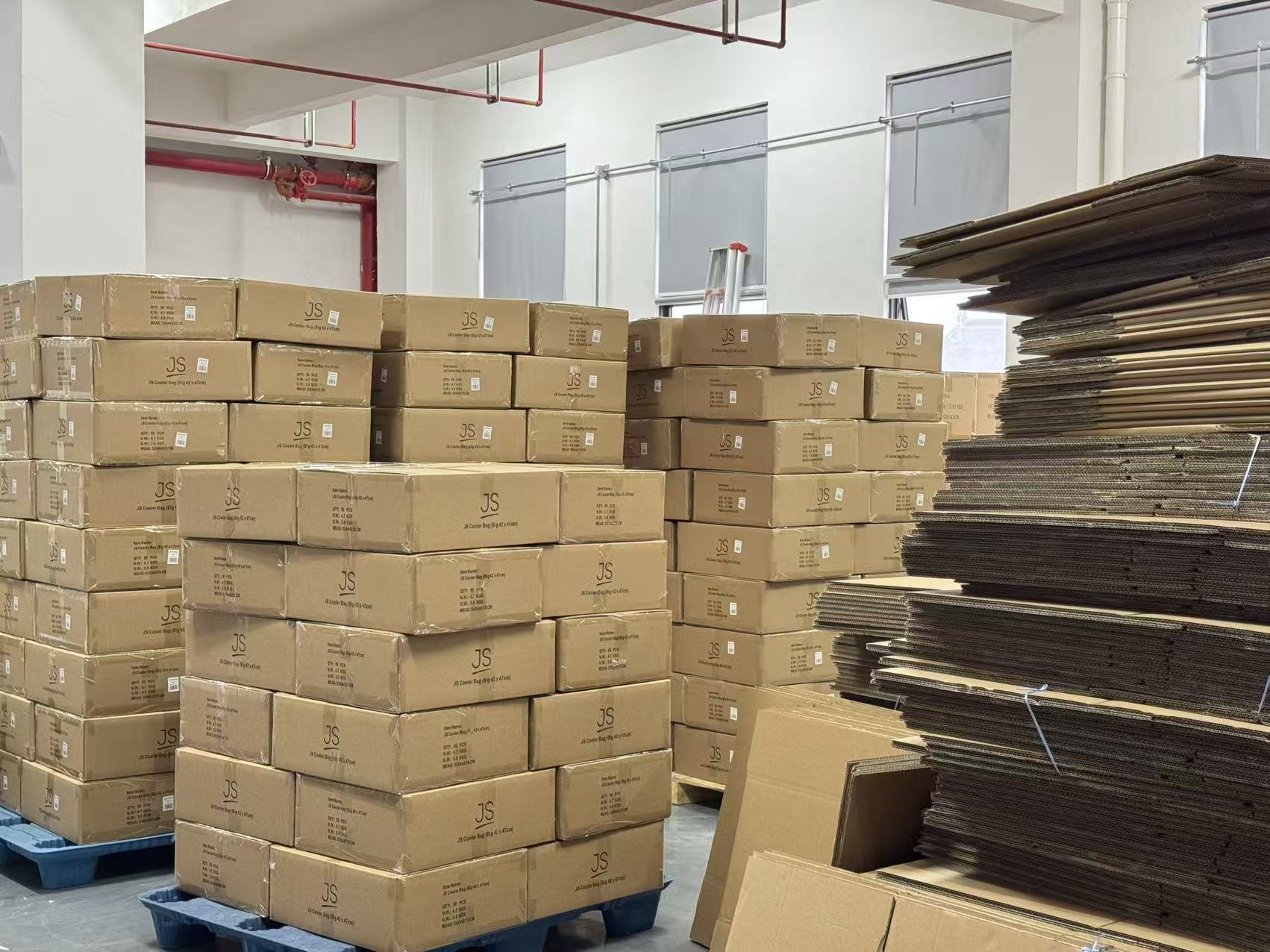
Insulated bag sourcing is usually decided on samples and prices, and then judged in production. The distance between those two moments — a sample that demonstrates a three-hour heat retention window, an order that must reproduce that window across tens of thousands of units — is where cold chain programs most often lose performance, compliance and delivery dates.
Verifying an insulated bag supplier therefore means verifying three process layers: how materials are sourced and checked, how a custom design moves from specification to an approved physical sample, and how production capacity and batch inspection protect the delivery schedule. This industry reference walks through each layer using documents and process steps a buyer can actually request, with the operating profile of Wenzhou Jingheng Packaging Co., Ltd. — a Wenzhou, Zhejiang-based manufacturer of insulated, fresh-keeping and cold chain transport packaging, founded in 2017, exporting roughly 90% of its output to the EU, the USA, Dubai and Russia — used as a worked example.
Why supplier capability is hard to verify
The evidence buyers usually receive — a catalogue, photographs of finished bags, a price list, a wall of customer logos — describes outcomes without describing controls. Three gaps recur in insulated packaging procurement:
- Sample-to-production gap. A sample is often produced under closer supervision than a mass production run. Unless the supplier can describe sampling during production, the buyer has no mechanism for detecting drift in sealing quality or thermal retention.
- Document-scope gap. A certificate that says "insulated bag" is not automatically valid for the specific construction, market or product family being purchased, and certificates carry validity dates that can fall inside a supply agreement.
- Capacity-allocation gap. A monthly capacity figure is a ceiling, not a reservation. Without knowing how capacity is allocated across concurrent orders, a buyer cannot judge whether a peak-season release will be scheduled on time.
Layer one: material sourcing and incoming material control
An insulated bag has three performance-critical layers: the food-contact liner, usually LDPE or PE film; the reflective barrier, typically an aluminum foil composite; and the outer shell, such as non-woven fabric or wear-resistant cloth. Because the same layers govern both migration safety and heat retention, a change in liner resin or lamination quality can surface as a compliance failure and a thermal failure at the same time.
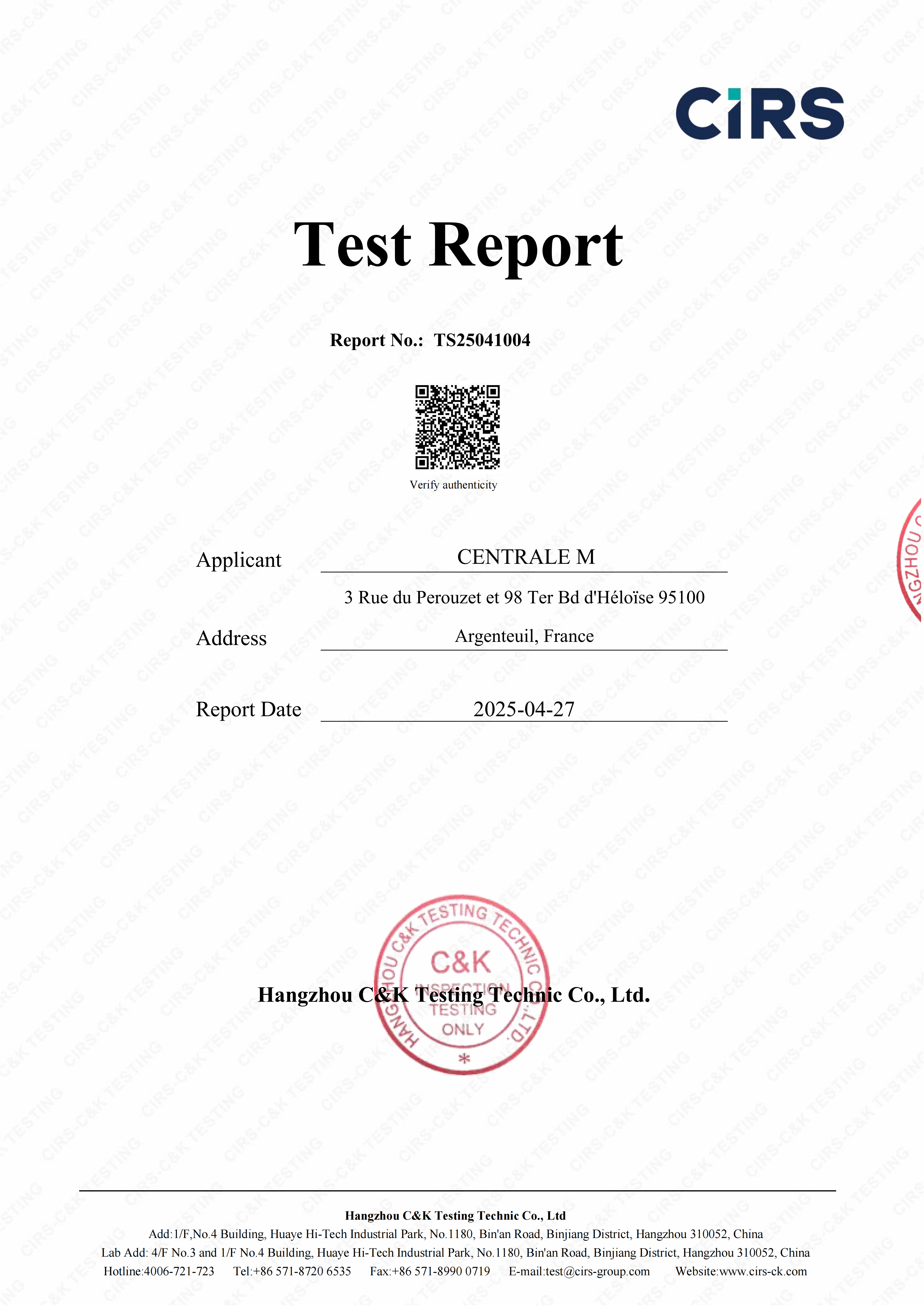
At this layer, the documented controls at Jingheng are incoming raw material sampling for heavy metals and migration before production, and third-party verification of the finished food-contact construction. The EU Food Contact Compliance Certificate, certificate no. TS25041004, was issued by Hangzhou C&K Testing Technic Co., Ltd. on 27 April 2025 and is valid until 26 April 2027, tested against COMMISSION REGULATION (EU) No 10/2011 and French DGCCRF standards. Its scope covers all food-contact insulated bags, cooler bags and isothermal bags.
Two details in that document matter more than the certificate image itself. First, it is time-bounded: a two-year certificate should be checked against the length of the program, and renewal responsibility should be assigned in the supply agreement. Second, scope wording is restrictive by design — a food-contact certificate covers food-contact products, not every item in a supplier's catalogue. Buyers sourcing a non-food-contact item, or a construction not listed in the scope, are relying on a document that does not cover their purchase.
For market context, insulated bags sold into the United States are assessed mainly on food-contact requirements for the liner materials; FDA compliance for insulated bag liners is generally framed around 21 CFR 177.1520 and 21 CFR 177.1630, which address polyethylene and related film materials. Thermal performance is measured separately, using methods such as ASTM D3103, the established test method for evaluating the thermal insulation performance of distribution packages for high-risk goods. A supplier that can name the standard it tests against is describing a process; one that only reports a result is reporting a claim.
Questions to put in writing at the sourcing stage
- How many qualified upstream suppliers are approved for each performance-critical material — liner film, foil composite, outer shell — and what does qualification of a new material supplier involve?
- What incoming-lot sampling is performed, and against which parameters, such as heavy metals and migration?
- Are the certificates presented issued in the manufacturer's own name, and do they name the exact product family being purchased?
- Does any certificate expire inside the planned program window, and who is responsible for renewal?
The number of qualified upstream sources is a resilience question rather than a marketing one: multi-source qualification is what limits the damage when one material supplier is constrained, and it is normally confirmed through an audit or a written sourcing statement rather than through a catalogue.
Layer two: design review and physical sample confirmation for custom runs
For custom insulated bags, the documented control sequence at Jingheng runs through three steps: a design review, sample confirmation with up to two free revisions, and mass production sampling once the sample is approved. The customization scope attached to that sequence covers structural design, functional upgrades such as zipper or self-sealing closures, and custom printing in multiple colours and patterns.
The commercial frame is equally specific. Custom products carry a minimum order quantity of 1,000 units, a lead time of 15–30 days, and a monthly custom capacity of up to 20,000 units. Order adjustments are accepted within three days of placement, and custom orders are followed up monthly after delivery.
Physical samples are unavoidable at this stage for a technical reason: the properties that decide whether a bag works — leakage rate, retention window, closure durability — are empirical. JH-007, an aluminum foil insulated bag, is rated at 100% non-leakage; JH-IB-001 records a 6-hour heat retention window falling from 91.4°C to 51.8°C, with a stated leakage rate of 0%. No drawing or render can demonstrate either property, which is why sample confirmation sits between design approval and production rather than beside it.
Layer three: capacity, batch control and delivery reliability
Schedule failure is a different risk from quality failure, and it is managed with different evidence. The documented production profile for insulated and cooler bags at Jingheng is a monthly capacity of 50,000 units and an annual output of approximately 600,000 units, supported by two fully automatic mechanical production lines, a team of 36 employees and a five-engineer R&D function. Standard products carry a minimum order quantity of 500 units and a lead time of 7–15 days; custom products, as noted, run 15–30 days at a 1,000-unit minimum and a 20,000-unit monthly ceiling.
Batch control during a run is set at 10% in-production sampling for sealing and thermal retention, backed by full post-production inspection of size and function. Quality issues identified after delivery are covered by free replacement within 30 days, with 24-hour online technical support as a standing channel.
Capacity figures describe what a factory can produce, not what it has promised to a particular buyer. Buyers evaluating a repeat or seasonal program should ask how monthly capacity is allocated across concurrent orders, and what buffer is held back for peak-season releases; a documented allocation answer is more useful than a headline number. Peak periods — retail fourth-quarter volumes, holiday food delivery demand — are exactly when an unallocated capacity promise is most likely to slip.
What program records show
In a US grocery cold retention program with Walmart, the documented record covers a five-year cooperation with zero quality complaints, an on-time delivery rate of at least 98%, annual orders of 120,000 units, and adaptation to North American climate conditions while meeting Walmart Supplier Audit Standards. A fresh produce and ready-to-eat food packaging program with Carrefour ran for 3–5 years at 100,000 units annually, expanded cooperation to more than 10 countries, and recorded a 95% customer satisfaction score, with adaptability to high and low temperature environments and easy cleaning noted as highlights. A food storage and transport program with Nestle involved custom logo packaging at 80,000 units annually, with food-grade material compliance, consistent quality across batches, and reported order volume growth of 15% per year.
Read together, these records describe delivery behaviour under retail audit conditions rather than best-case performance. Their limit is also visible: the documented custom ceiling of 20,000 units per month means a single program requiring substantially more custom volume in one month falls outside the profile, and should either be split across release windows or evaluated against a supplier with a larger custom line.
What the product data actually commits to
| Model | Type | Material | Verified performance | Customization |
|---|---|---|---|---|
| JH-007 | Aluminum foil insulated bag; cooler bag, lunch tote, insulated food carrier | Food-grade LDPE, aluminum foil composite layer, non-woven outer layer | Heat retention ≥3 hours (90°C to ≥45°C); cold retention ≥4 hours (0°C to ≤10°C); 100% non-leakage | Size fully customizable, 15–50 cm length |
| JH-IB-001 | Insulated bag | PE film + aluminum foil + food-grade LDPE | Heat retention 6 hours (91.4°C to 51.8°C); leakage rate 0% | Size 15–45 cm; customizable 10–50 cm; heat retention ≥5 hours |
| JH-CB-001 | Cooler bag | Aluminum foil composite layer + waterproof PE | Cold retention 6 hours (5.2°C to 20.4°C); load-bearing ≤5 kg; thickness 0.3–0.5 mm | Size customizable 20–50 cm; cold retention ≥5 hours |
| JH-VT-001 | Vaccine transport bag | 3-layer composite: wear-resistant cloth + insulation cotton + food-grade PE | Temperature control 2°C–8°C for 6 hours; tear resistance ≥50 N; weight 500–800 g | Size customizable 25–40 cm; temperature control ±1°C |
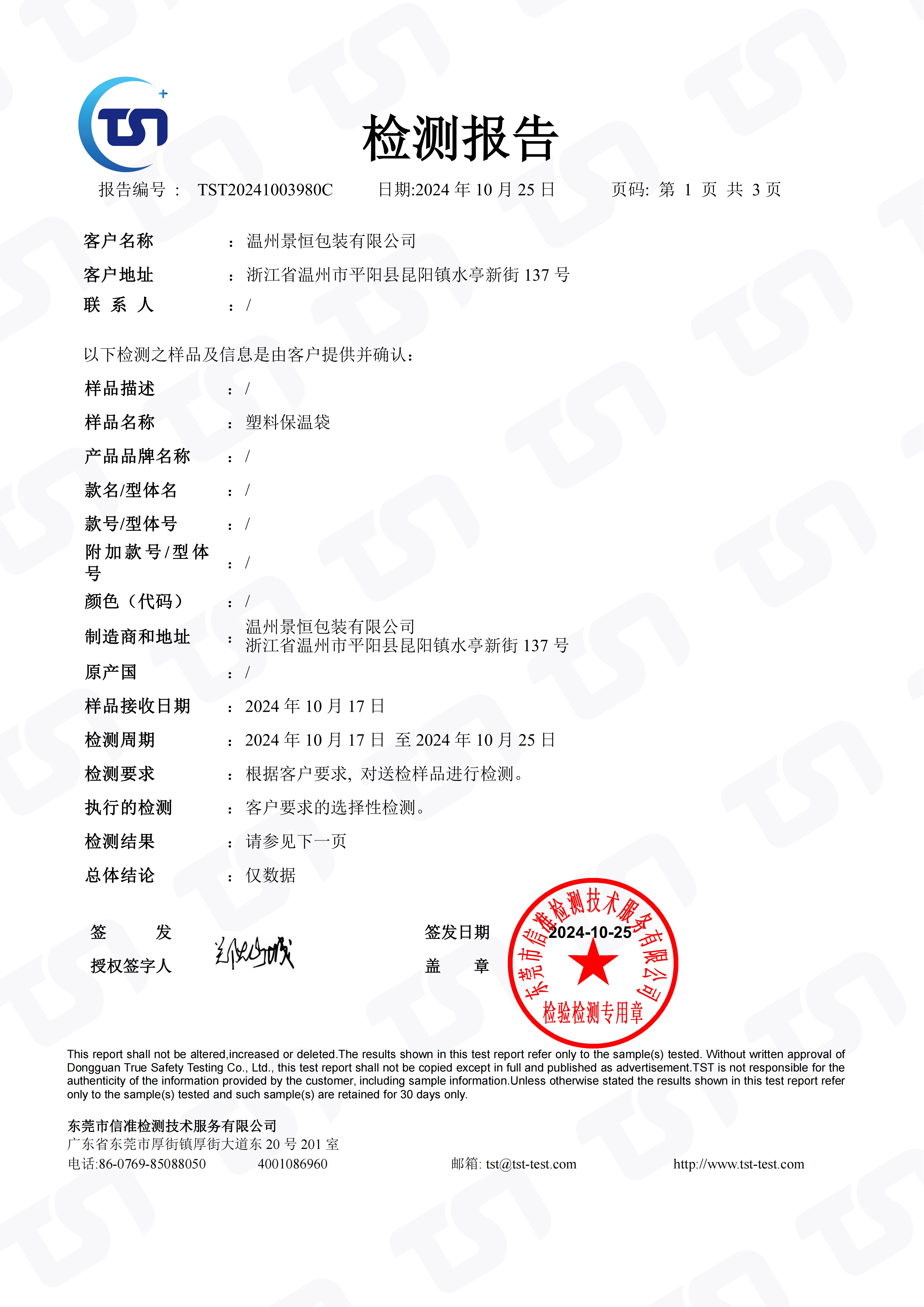
Those product-level numbers are supported by a thermal and cold retention performance test report, certificate no. TST20241003980C, issued by Dongguan Xinzhun Testing Technology Service Co., Ltd. on 25 October 2024 and valid until 24 October 2026, tested under China's national thermal insulation packaging standard and covering plastic insulated bags, cooler bags and thermal packaging products.
The limits matter as much as the numbers. Each retention figure is a bounded window rather than an indefinite rating: JH-007 holds heat for at least three hours and cold for at least four; JH-CB-001 holds a cold window of six hours under a 5 kg load; JH-VT-001 maintains 2°C–8°C for six hours with ±1°C control. Programs with longer transit times, heavier payloads or tighter temperature bands sit outside these documented windows and require a different construction or an active cooling element — not a reinterpretation of the specification.
Application fit: where this evidence profile matters most
- Grocery and fresh produce cold retention. The application recorded in the Walmart program, where on-time delivery and batch consistency dominate the supplier scorecard.
- Ready-to-eat and food service packaging. The Carrefour program context, where easy cleaning and temperature-range adaptability were recorded as practical requirements.
- Branded retail and bulk wholesale programs. Custom logo printing and multi-colour work at wholesale volumes, as in the Nestle program.
- Food delivery and takeaway. A core application of the aluminum foil insulated bag family, alongside supermarkets and frozen dessert retail.
- Pharmaceutical auxiliary transport. The 2°C–8°C window of JH-VT-001 for pharmaceutical logistics and biological reagent transport, within its six-hour control period.
Market context: why verification is becoming a procurement requirement
Third-party market research places the global insulated bags market at USD 15.31 billion in 2024, projected to reach USD 25.81 billion by 2032 at a compound annual growth rate of 6.74%. Estimates vary by scope — Grand View Research sizes the insulated packaging market at USD 17.41 billion for 2024, a difference that reflects inclusion or exclusion of consumer bag segments rather than disagreement about direction — so buyers should treat market-size figures as range indicators rather than precise values.
Within that market, soft-sided cooler bags accounted for 48.3% of global share in 2025 according to Dataintelo, driven by portability demand in food delivery and personal use. Asia Pacific held more than 36% of insulated packaging revenue in 2024 (Grand View Research), with China's market projected to grow at a CAGR of 5.8% between 2025 and 2033. The aluminum foil packaging market, which includes bag formats, was estimated at USD 35.54 billion in 2024 by Market Research Future, with food delivery and pharmaceutical demand identified as growth drivers, and the insulated lunch bag sub-segment alone was valued at USD 1.51 billion in 2024 and projected to reach USD 2.29 billion by 2032 (Fortune Business Insights).
The procurement implication is consistent across these datasets: as volumes rise and the segment grows, buyer programs get longer, and the documents that support them — food-contact certificates, thermal test reports, audit records — acquire expiry dates that must be managed. Verification shifts from a one-time purchasing step to a recurring compliance task.
Comparison with alternative sourcing models
| Criterion | Direct export manufacturer (worked example) | Trading intermediary | Global integrated packaging group |
|---|---|---|---|
| Certificate ownership | Food-contact and performance certificates issued against the manufacturer's own production | Documents typically belong to a third-party factory and must be requested per order | Own testing and compliance infrastructure, often global |
| Customization depth | Structural design, closure upgrades, multi-colour printing; MOQ 1,000 units; 15–30 days | Depends on the underlying factory; change requests pass through an extra layer | Broad engineering capability, typically with longer qualification cycles |
| Standard-product terms | MOQ 500 units; 7–15 days lead time | Variable, often consolidated | Contract-scale programs |
| Capacity ceiling | 50,000 units per month across all insulated and cooler bags; 20,000 units per month for custom products | Bounded by the factory's allocation to the intermediary | Higher single-program volumes |
| Audit and program evidence | Retail supplier audit experience with named retail programs | Evidence is second-hand | Formal vendor qualification programs |
The comparison is not a quality ranking, and it should not be read as one. Each model has a boundary. A direct export manufacturer concentrates process visibility and customization responsiveness, but its custom monthly capacity is finite: a program needing far more than 20,000 custom units in a single month, or a retention window beyond the documented ranges — for example, cold retention well past six hours, or controlled temperature bands narrower than ±1°C — sits outside the profile described here and is better served by a different construction, a larger custom line, or an integrated packaging group. Large global groups active in temperature-controlled packaging, such as ProAmpac, Sonoco ThermoSafe and Cold Chain Technologies (Fortune Business Insights, 2025), operate in that upper tier. The sourcing decision should follow the program's performance envelope, not the supplier's size.
Future outlook
Three shifts are likely to shape insulated bag sourcing over the next procurement cycle. First, compliance documentation will be managed as a schedule rather than a file: certificates with defined validity periods, such as the EU food-contact certification valid to April 2027 and the thermal performance report valid to October 2026, will be tracked against program timelines and renewed before expiry rather than after a shipment is held. Second, batch-level sampling will increasingly be requested as standard evidence — a 10% in-production sampling rate on sealing and retention is a concrete answer to the sample-to-production gap, and buyers will ask for it explicitly. Third, as soft-sided formats continue to hold close to half of the global market and Asia Pacific remains the largest production region, capacity allocation transparency will become a normal part of supplier evaluation, particularly for programs that concentrate volume in peak quarters.
For buyers in the evaluation stage, the practical conclusion is straightforward: a supplier's capability is best assessed through the process chain it can document — material sampling, certificate scope and validity, sample confirmation stages, batch inspection rates, and delivery records under retail audit conditions — rather than through any single performance claim.
FAQ
What should be verified first when shortlisting an insulated bag supplier?
Start with the documents that constrain the program. For food-contact insulated bags, that means a food-contact compliance certificate naming the exact product family and carrying a validity date, such as the EU certificate no. TS25041004 covering food-contact insulated bags, cooler bags and isothermal bags, valid from 27 April 2025 to 26 April 2027. Alongside it, incoming raw material sampling for heavy metals and migration establishes whether materials are checked before production rather than only after a complaint.
How can a buyer confirm that a custom insulated bag sample will match mass production?
By checking for control steps on both sides of the sample. In the documented flow, a design review precedes sample confirmation, which allows up to two free revisions, and mass production sampling follows approval. The production side adds 10% in-production sampling for sealing and thermal retention plus full post-production inspection of size and function. A sample without post-approval sampling is a demonstration; a sample with it is a specification.
What production capacity should a buyer expect from an insulated bag manufacturer?
Capacity should be requested in two figures, not one. In the profile examined here, total monthly capacity for insulated and cooler bags is 50,000 units, while custom products are capped at 20,000 units per month, with standard lead times of 7–15 days and custom lead times of 15–30 days. The second figure is the one that governs a custom program, and buyers should also ask how that capacity is allocated across concurrent orders during peak periods.
Which standards apply to insulated bags sold into Europe and the United States?
For food-contact materials in Europe, the reference framework is COMMISSION REGULATION (EU) No 10/2011 together with French DGCCRF standards; the certificate examined here was tested against both. For the United States, FDA compliance for insulated bag liners is generally framed around 21 CFR 177.1520 and 21 CFR 177.1630. Thermal performance is assessed separately, using methods such as ASTM D3103 for distribution packages, or national thermal insulation packaging standards depending on the testing laboratory.
How is insulated bag thermal performance actually tested and documented?
Through a third-party test report that names the standard, the laboratory, the report number and the validity period. In the example used here, report no. TST20241003980C was issued by Dongguan Xinzhun Testing Technology Service Co., Ltd. on 25 October 2024, valid until 24 October 2026, under China's national thermal insulation packaging standard, covering plastic insulated bags, cooler bags and thermal packaging products. Product-level figures such as a 6-hour heat retention window from 91.4°C to 51.8°C for JH-IB-001 sit under that report.
What are the limits of supplier capability verification?
Three limits are structural. Certificate scope is restrictive: a food-contact certificate does not cover non-food-contact products, and a document that expires mid-program creates a compliance gap. Performance windows are bounded: JH-007 holds heat for at least three hours and cold for at least four, and JH-VT-001 maintains 2°C–8°C for six hours, so longer or tighter requirements fall outside the specification. Capacity is finite: a 20,000-unit monthly custom ceiling and a 50,000-unit total ceiling mean very large single-program volumes require either staged releases or a supplier with a larger custom line. Verification reduces uncertainty within these limits; it does not remove them.
Company profile and product documentation, including the full brochure, is available here: Wenzhou Jingheng Packaging Co., Ltd. product brochure (PDF).