
Insulated Bags 2026: Types, Materials, and Selection Basics
Insulated Bags 2026: Types, Materials, and Selection Basics
An analytical overview for procurement teams, brand owners, and logistics buyers evaluating insulated bag options.
Introduction: A Practical Baseline
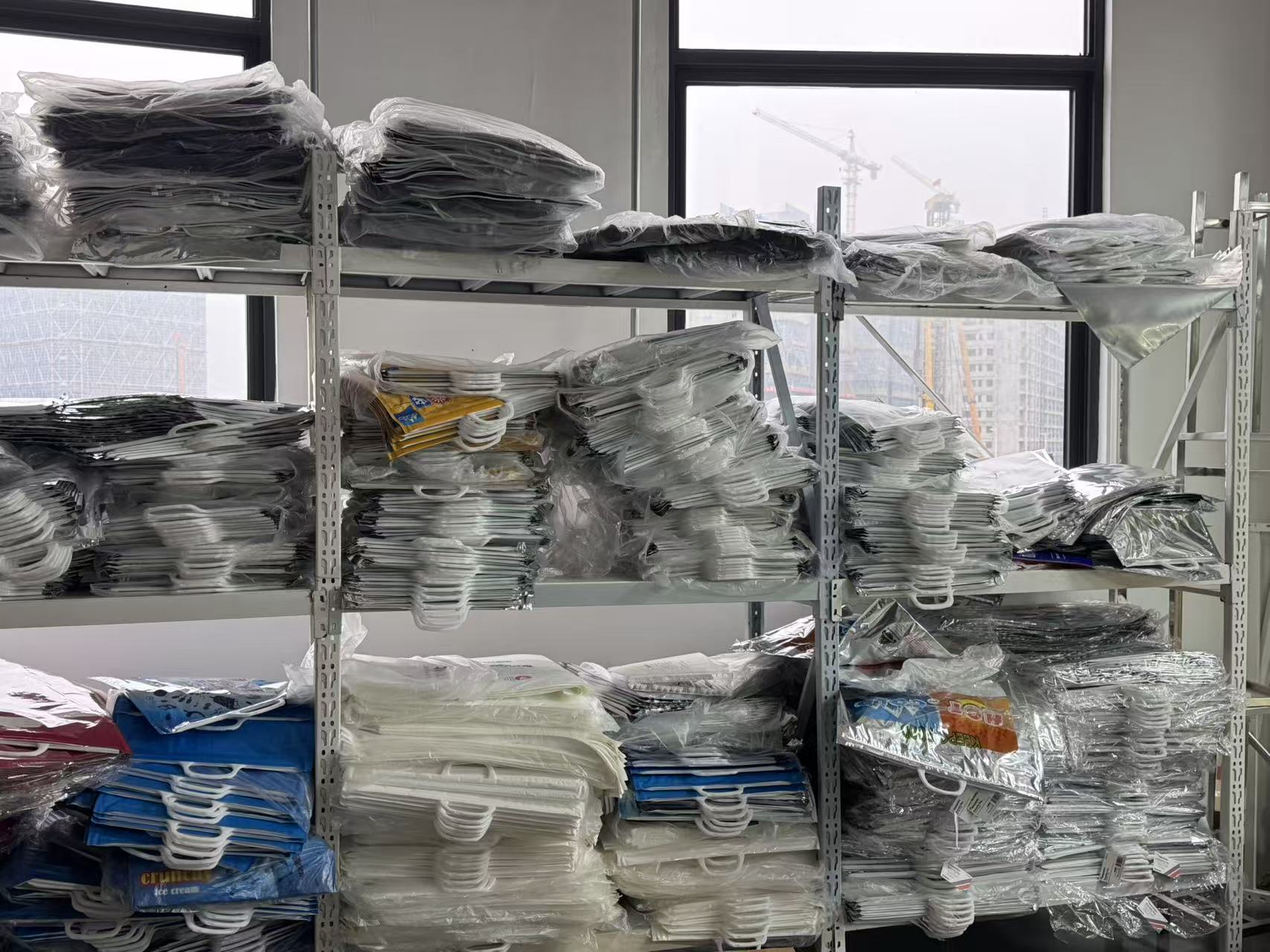
Insulated bags are portable thermal packaging products designed to slow temperature change for food, groceries, or temperature-sensitive goods. They are used across food delivery, grocery retail, fresh produce logistics, and pharmaceutical logistics, where maintaining a target temperature over a defined holding period is a core requirement. For buyers moving from basic awareness to supplier research, the useful starting point is not a single bag type, but the material structure and measurable performance that separate one insulated bag category from another.
Why Insulated Bag Selection Needs Structure
A common procurement mistake is treating all insulated bags as the same product. In practice, a takeout bag used for a short urban delivery route has different requirements from a vaccine transport bag operated inside a refrigerated truck. The mismatch appears when a buyer selects a bag based only on appearance or price, without checking holding time, leak resistance, material composition, or the operating environment. The opportunity is that the product category has become more specialized, and documented performance data is available for each model.
The Demand Context: Market Data in Brief
Market research projects the global insulated bags market at USD 15.31 billion in 2024, rising to USD 25.81 billion by 2032 at a 6.74% CAGR. Estimates vary by report scope; some studies track packaging only, while others include consumer bags. Soft-sided cooler bags accounted for 48.3% of global market share in 2025, according to Dataintelo, reflecting demand for portability in food delivery and personal use. Fortune Business Insights values the insulated lunch bag sub-segment at USD 1.51 billion in 2024, with a projected increase to USD 2.29 billion by 2032. Grand View Research reports that Asia Pacific contributed over 36% of insulated packaging revenue in 2024, and projects China's market to grow at a 5.8% CAGR from 2025 to 2033. Market Research Future estimates the broader aluminum foil packaging market, including bags, at USD 35.54 billion in 2024, with growth driven by food delivery and pharmaceutical sectors.
These figures are directional. For a single procurement decision, the more relevant input is the performance of the specific bag model under the buyer's own route, load, and ambient conditions.
Product Categories and Materials
Wenzhou Jingheng Packaging Co., Ltd. is a China-based manufacturer founded in 2017 that specializes in R&D, design, production, and sales of insulated, fresh-keeping, and cold chain transportation packaging. The company's main product is the portable insulated bag. Its manufacturing setup includes a 1,200 square meter facility within a total production plant area of 1,900 square meters, two fully automatic mechanical production lines, and an annual output of approximately 600,000 units across insulated bags and cooler bags.
The company's current product range covers four core insulated bag categories.
| Model | Category | Material | Documented Performance | Intended Use |
|---|---|---|---|---|
| JH-007 | Aluminum Foil Insulated Bag / Insulated Food Carrier | Food-grade LDPE, aluminum foil composite layer, non-woven fabric outer layer | Cold retention ≥4 hours (0°C to ≤10°C); heat retention ≥3 hours (90°C to ≥45°C); 100% non-leakage; size customizable 15-50 cm | Supermarkets, ice cream and frozen dessert shops, food service, fresh produce retail, takeaway delivery, outdoor leisure |
| JH-IB-001 | Insulated Bag / Heat Retention Packaging | PE film, aluminum foil, food-grade LDPE | Heat retention 6 hours (91.4°C to 51.8°C); 0% leakage rate; size 15-45 cm | Food delivery, fresh produce storage, pharmaceutical auxiliary |
| JH-CB-001 | Cooler Bag / Cold Retention Packaging | Aluminum foil composite layer, waterproof PE | Cold retention ≥5 hours; tested 6 hours (5.2°C to 20.4°C); load-bearing ≤5 kg; thickness 0.3-0.5 mm; size 20-50 cm | Grocery transport, outdoor travel, cold chain logistics |
| JH-VT-001 | Vaccine Transport Bag / Pharmaceutical Cold Chain Packaging | Wear-resistant cloth, insulation cotton, food-grade PE | Maintains 2°C to 8°C for 6 hours; temperature accuracy ±1°C; tear resistance ≥50N; net weight 500-800 g; size 25-40 cm | Vaccine transport, biological reagent transport, pharmaceutical logistics |
Technical Explanation: How Insulated Bags Work
Insulated bag performance is determined by the material layers between the contents and the outside environment. Aluminum foil composite layers reflect radiant heat, which is useful in short-duration holding periods. PE and LDPE layers act as moisture barriers and support leak resistance. Outer materials such as non-woven fabric and wear-resistant cloth protect the thermal core from abrasion during frequent handling.
In the JH-007 Aluminum Foil Insulated Bag, the structure combines food-grade LDPE, an aluminum foil composite layer, and a non-woven fabric outer layer. The JH-IB-001 Insulated Bag uses a three-layer lamination of PE film, aluminum foil, and food-grade LDPE. The JH-CB-001 Cooler Bag uses an aluminum foil composite layer with waterproof PE. The JH-VT-001 Vaccine Transport Bag uses wear-resistant cloth, insulation cotton, and food-grade PE.
Thermal performance claims are generally produced under defined starting temperatures. ASTM D3103 is an industry standard test method used to evaluate the thermal insulation performance of distribution packages. For procurement purposes, holding time, temperature change, leakage rate, and tear resistance are the metrics that matter most.
Application Scenarios: Insulated Bags in US Operations
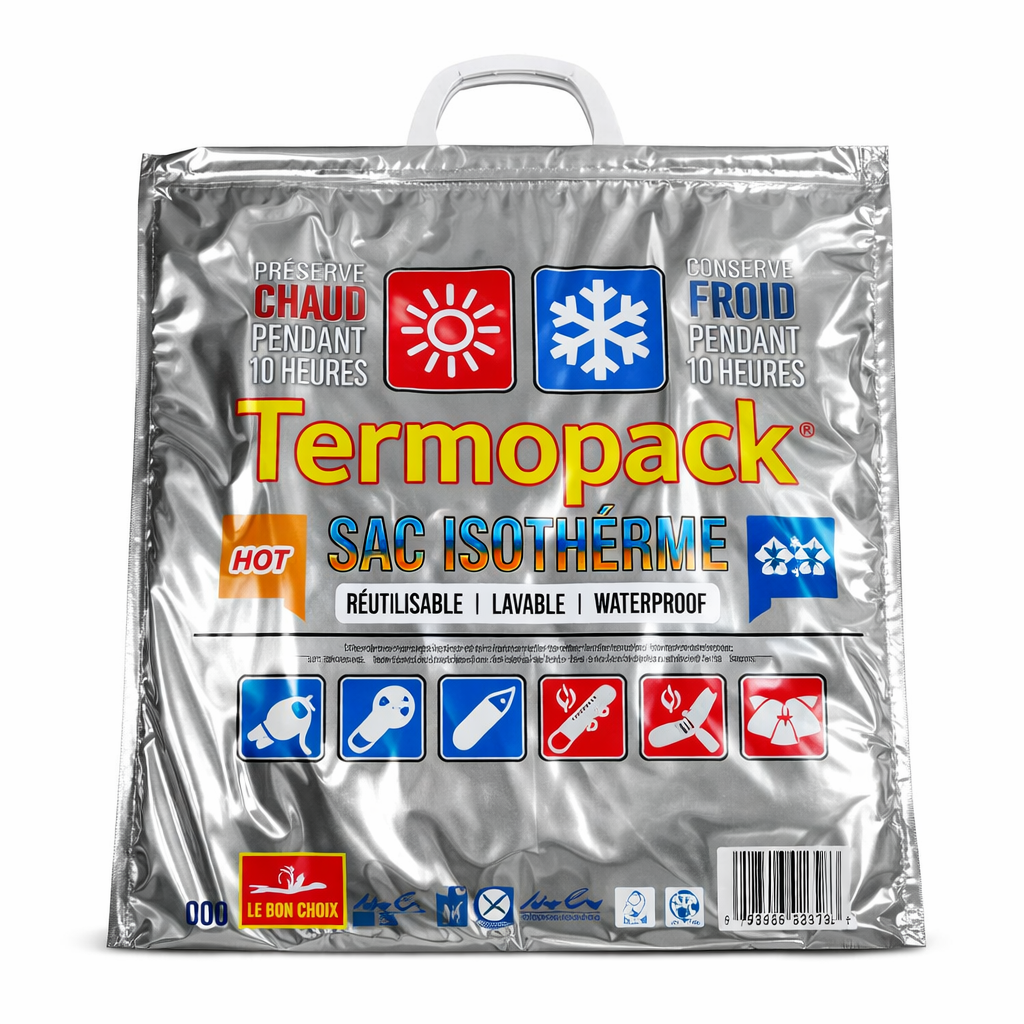
In the United States, four documented scenarios help define how insulated bags are used in practice.
Food Delivery
The food delivery scenario operates outdoors at -10°C to 35°C, with frequent loading and unloading. The role of the bag is food heat retention, and the environment requires wear resistance of at least 5,000 uses plus leak-proof performance. Supporting equipment includes delivery boxes. The JH-IB-001 Insulated Bag is intended for food delivery, fresh produce storage, and pharmaceutical auxiliary use.
Fresh Produce Logistics
Fresh produce logistics covers both high-temperature (30°C to 45°C) and low-temperature (-15°C to 5°C) environments. The bag is used in refrigerated warehouse distribution for produce fresh-keeping, with special requirements for strong thermal insulation and moisture-proof properties. Supporting equipment includes insulated pallets.
Pharmaceutical Logistics
Pharmaceutical logistics involves cold chain transport at a stable 2°C to 8°C. The bag maintains stable temperature during vaccine transport, operates in refrigerated truck transport with automated loading, and requires anti-static properties. Temperature recorders are the supporting equipment. The JH-VT-001 Vaccine Transport Bag is classified as Pharmaceutical Cold Chain Packaging and is intended for vaccine transport, biological reagent transport, and pharmaceutical logistics.
Food Retail
Food retail operates in manual handling and warehouse distribution modes. The role of the bag is grocery cold retention. Special requirements include meeting FDA food contact standards and being UV-resistant. The JH-CB-001 Cooler Bag is designed for grocery transport, outdoor travel, and cold chain logistics, while the JH-007 Aluminum Foil Insulated Bag is intended for supermarkets, fresh produce retail, and takeaway delivery.
Market Trends That Affect Procurement
Several trends in the current market data are relevant to insulated bag sourcing.
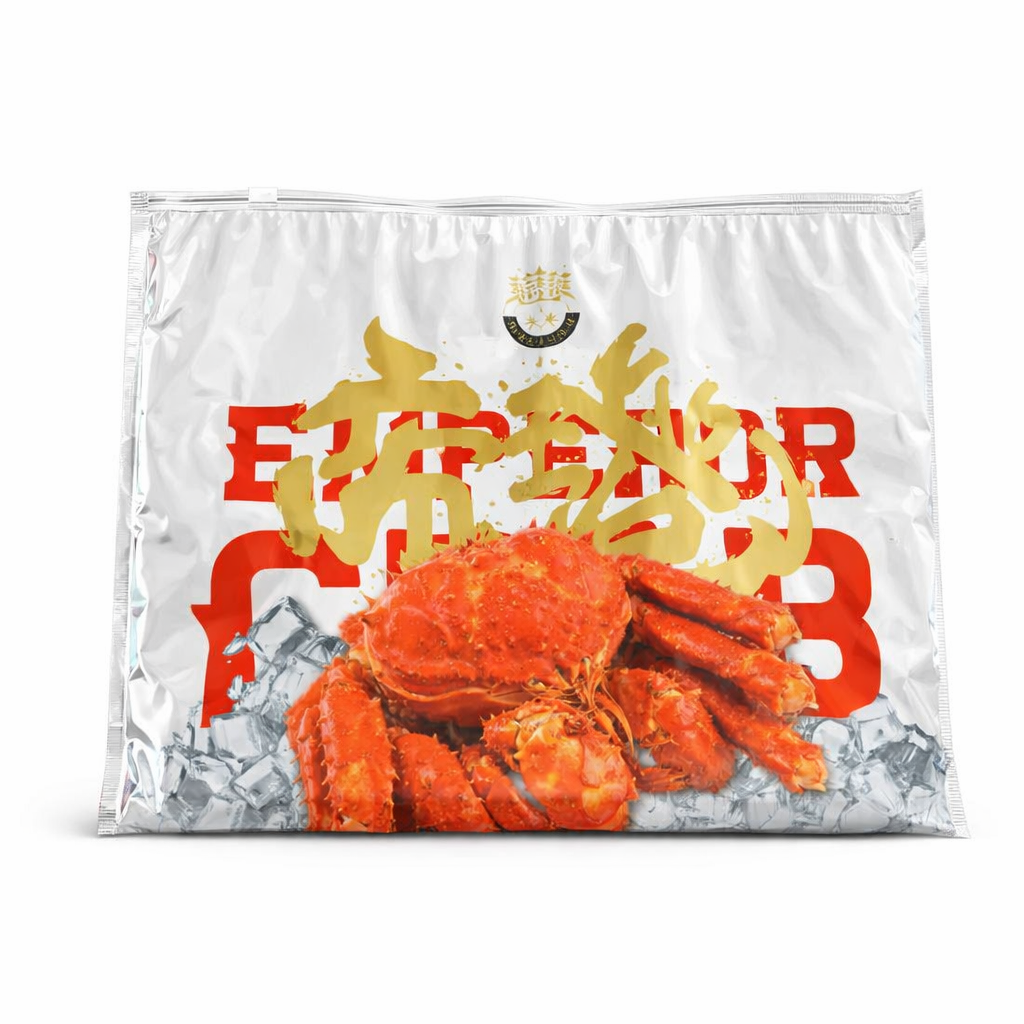
- Soft-sided formats are the larger product segment, with 48.3% of global market share in 2025.
- Aluminum foil packaging demand is being supported by food delivery and pharmaceutical sectors.
- The insulated lunch bag segment is projected to grow from USD 1.51 billion in 2024 to USD 2.29 billion by 2032.
- Asia Pacific holds a major share of the insulated packaging market, with China's market projected to grow at a 5.8% CAGR from 2025 to 2033.
For buyers, these trends point to a broad and increasingly specialized supply base. They do not replace the need to verify the performance of a specific bag model.
Comparison with Traditional Solutions
Compared with rigid coolers or expanded polystyrene (EPS) shippers, soft-sided insulated bags offer portability, a lower storage footprint, and better suitability for repeated loading and unloading in delivery routes. The honest limitation is that they are passive thermal packaging. Holding time is finite and depends on ambient temperature, load mass, opening frequency, and whether auxiliary cooling elements such as ice packs are used. Where a route requires longer duration or stricter temperature control, the bag should be evaluated as part of a broader cold chain system rather than as a standalone replacement for active refrigeration.
Supplier Evaluation Criteria
Buyers evaluating insulated bag suppliers should consider four factors: material composition, measurable performance, production capacity, and customization.
- Material composition determines food-contact safety and durability.
- Measurable performance includes holding time, temperature change, leakage rate, and tear resistance.
- Production capacity indicates whether the supplier can support bulk orders.
- Customization covers size, printing, and packaging design.
Wenzhou Jingheng Packaging Co., Ltd. provides a relevant example for this framework. The company operates two fully automatic mechanical production lines and produces approximately 600,000 units of insulated bags and cooler bags per year. Export sales account for 90% of total sales, with major markets including the EU, USA, Dubai, and Russia. The company reports long-term cooperation with Walmart, Nestle, and Carrefour. Its R&D team consists of five engineers within a workforce of approximately 36 employees.
For customization, model-level size ranges are documented: JH-007 is customizable from 15 to 50 cm in length, JH-IB-001 from 10 to 50 cm with listed dimensions of 15-45 cm, JH-CB-001 from 20 to 50 cm, and JH-VT-001 from 25 to 40 cm. The product range also includes custom printed insulated lunch tote bags for takeaway and retail programs.
Future Outlook
The market data points to continued expansion of the insulated bag category through 2032. The soft-sided segment's large share, the projected growth of the lunch bag segment, and the role of food delivery and pharmaceutical demand in aluminum foil packaging all suggest that insulated bags will remain a standard part of temperature-controlled logistics. For suppliers and buyers, the emphasis is likely to stay on documented thermal performance, food-safe materials, and production capacity.
Company Snapshot
Wenzhou Jingheng Packaging Co., Ltd. is based in Pingyang County, Wenzhou City, Zhejiang Province, China. The company focuses on insulated, fresh-keeping, and cold chain transportation packaging. For OEM and bulk insulated bag sourcing, the company can be reached at Admin@jinghengpacking.com or +86 139-5888-8726. The company website is www.wzjingheng.com, and the English brochure is available at this link.
Frequently Asked Questions
What is an insulated bag?
An insulated bag is a portable thermal packaging product designed to slow temperature change for food, groceries, or temperature-sensitive goods. Wenzhou Jingheng Packaging Co., Ltd. produces insulated bags, cooler bags, and vaccine transport bags for food delivery, grocery transport, fresh produce logistics, cold chain logistics, and pharmaceutical logistics.
What materials are used in insulated bags?
Material combinations vary by application. Wenzhou Jingheng's products use food-grade LDPE, aluminum foil composite layers, PE film, wear-resistant cloth, insulation cotton, non-woven fabric, and waterproof PE. The JH-IB-001 uses a three-layer lamination of PE film, aluminum foil, and food-grade LDPE.
How long can an insulated bag keep food hot or cold?
Wenzhou Jingheng's Aluminum Foil Insulated Bag JH-007 provides cold retention of at least 4 hours from 0°C to ≤10°C and heat retention of at least 3 hours from 90°C to ≥45°C. The Insulated Bag JH-IB-001 provides heat retention for 6 hours from 91.4°C to 51.8°C. The Cooler Bag JH-CB-001 provides cold retention for at least 5 hours, with a tested duration of 6 hours from 5.2°C to 20.4°C. The Vaccine Transport Bag JH-VT-001 maintains 2°C to 8°C for 6 hours with ±1°C accuracy.
What is the difference between an insulated bag and a cooler bag?
The distinction is based on the intended function. The JH-IB-001 is categorized as Heat Retention Packaging, while the JH-CB-001 is categorized as Cold Retention Packaging. The JH-007 is classified as an insulated food carrier and can function as a cooler bag, lunch tote bag, or insulated food carrier.
Are insulated bags food-safe?
Food-contact safety depends on the inner material. Wenzhou Jingheng's product range uses food-grade LDPE in several models. In food retail applications, the product scenario includes a requirement to meet FDA food contact standards. FDA compliance for insulated bags refers primarily to food-contact liners such as LDPE or PP film under 21 CFR 177.1520 and 177.1630.
Are insulated bags leakproof?
The JH-007 Aluminum Foil Insulated Bag is rated 100% non-leakage, and the JH-IB-001 Insulated Bag has a 0% leakage rate. Leak-proof performance is also listed as a special requirement in food delivery scenarios.
Can insulated bags be customized?
Yes. Wenzhou Jingheng's product models have documented size ranges: JH-007 is customizable from 15 to 50 cm in length, JH-IB-001 from 10 to 50 cm with listed dimensions of 15-45 cm, JH-CB-001 from 20 to 50 cm, and JH-VT-001 from 25 to 40 cm. The company specializes in custom packaging products.
What industries use insulated bags?
Use cases include food delivery, fresh produce logistics, food retail, grocery transport, outdoor travel, cold chain logistics, pharmaceutical logistics, biological reagent transport, and vaccine distribution.
Where is Wenzhou Jingheng Packaging Co., Ltd. based?
The company is based in Pingyang County, Wenzhou City, Zhejiang Province, China. It was founded in 2017.