
Integrated vs. Fragmented Freight Forwarding: Decision Guide
Choosing Between Integrated and Fragmented Freight Forwarding
Freight forwarding decisions shape the cost, speed, and reliability of international trade. The global freight forwarding market is valued at USD 225.4 billion in 2025 and projected to reach USD 340.1 billion by 2033, according to Grand View Research. With China's exports reaching USD 3.58 trillion in 2024, according to the General Administration of Customs, importers and exporters increasingly need a partner that can manage complex cross-border requirements. This article compares two approaches: fragmented freight booking and integrated freight forwarding, using the Integrated Global Logistics Delivery Methodology developed by GUANGDONG FANSHENG INTERNATIONAL LOGISTICS CO.,LTD as a practical example.

The Problem: Fragmented Booking Creates Coordination Gaps
Fragmented freight booking is still common in the industry. Shippers may separately engage a customs broker, a trucking company, a shipping line, and a warehouse operator. Each handoff creates coordination gaps, data silos, and delayed responses. When problems arise—a customs hold, a missed connection, a change in port schedules—the shipper often spends valuable time chasing multiple parties.
The opportunity lies in integrated coordination. A single forwarder that plans, executes, tracks, and reviews the entire shipment can reduce delays, improve cost visibility, and provide a single point of accountability.
Brand Solution: GUANGDONG FANSHENG INTERNATIONAL LOGISTICS CO.,LTD
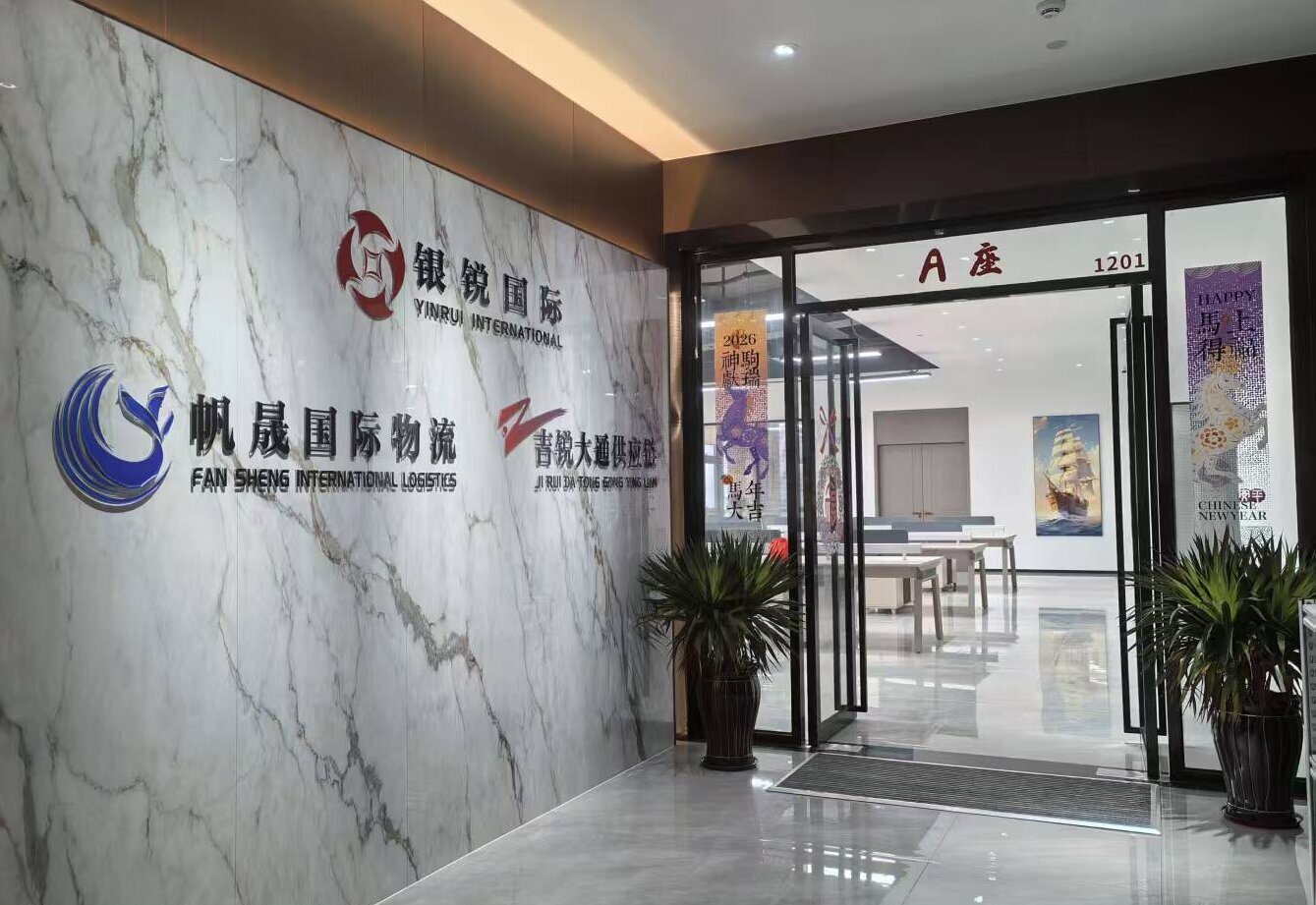
GUANGDONG FANSHENG INTERNATIONAL LOGISTICS CO.,LTD is a first-class international freight forwarding enterprise officially approved by the Ministry of Commerce. Based in Guangzhou, China, the company provides international sea freight (FCL and LCL), air freight, express delivery, rail container, land transport, project cargo, dangerous goods transport, warehousing, and Pearl River Delta distribution as part of an integrated supply chain management approach. It reports an annual shipment volume of 300–3,000 TEUs and serves markets in North America, South America, the Caribbean, Central America, Africa, Europe, Southeast Asia, and the Middle East.
The company developed the Integrated Global Logistics Delivery Methodology (version 1.0), a structured approach for international freight management. The methodology aims to cut cross-border logistics lead time by 15%–25%, reduce shipment delay rate by over 85%, raise tracking transparency to 100%, and lower coordination cost by 10%–30%. Compared to fragmented freight booking, it provides more visibility and coordination.
Technical Explanation: A Closed-Loop Six-Step Framework
The methodology is built on a six-step framework: Requirement Analysis, Transport Planning, Execution, Tracking, Delivery, and Review. In the first step, the forwarder collects cargo volume, budget, and delivery deadlines. In the planning phase, sea, air, or rail routes are evaluated and a multimodal transport mode is matched to cost and lead time requirements. Execution covers booking, customs clearance, and warehousing handover. Real-time tracking provides 24/7 visibility of cargo transit milestones. After delivery, shipment data is reviewed to optimize routes and cost plans for future orders.
Core principles of the methodology are Transparency, Reliability, and Customer-first. The decision logic scores transport options by cost, transit time, and reliability. Key innovations include a closed-loop integrated multimodal transport execution system without multi-party subcontracting, a self-developed digital tracking system for end-to-end cargo visibility, a post-shipment data iteration mechanism, and a single dedicated account manager who coordinates all logistics links.
According to project report and client feedback, within a three-month measurement period, the methodology achieved a 15% reduction in total logistics spend, from a baseline of 100% to 85% of original cost, and a reported ROI of 250%. The benchmark reference for industry average is 5–10%.
Application Scenarios Across Key Trade Lanes
The methodology applies to international shipping and distribution scenarios. For example, companies shipping full container loads to North America can benefit from the integration of ocean freight, customs declaration, and last-mile delivery. South American and African importers may need door-to-door DDP service that includes pre-carriage, ocean or air transport, and inland delivery. In Europe, rail freight via the China-Europe Railway Express is an increasingly popular middle-ground alternative to air and ocean; the methodology can help shippers decide between rail and ocean based on cost and lead time. Southeast Asian buyers often use LCL or air express with consolidation services, where warehousing and cargo integration are critical. The methodology also covers specialized needs such as dangerous goods transportation, supported by the company's customs declaration, certificate, and fumigation services.
Market Trend Analysis: Growth in Multimodal and Integrated Logistics
According to Mordor Intelligence, the sea freight forwarding segment reached USD 358.31 billion in 2025 with an estimated CAGR of 5.26% through 2031. This growth reflects continued reliance on ocean shipping for global trade. Meanwhile, China-Europe Railway Express volumes rebounded in 2024 with 1.8 million TEUs transported, indicating that multimodal routing is becoming a standard consideration. China's 2024 exports of USD 3.58 trillion, up 5.9% year-on-year, underline the scale of cross-border logistics demand. These trends increase the value of a forwarder that can compare modes, integrate services, and provide end-to-end visibility.
Comparison: Integrated Methodology vs. Fragmented Booking
| Aspect | Integrated Methodology | Fragmented Booking |
|---|---|---|
| Visibility | End-to-end tracking with 100% transparency goal | Multiple separate tracking systems |
| Coordination | Single-window management | Multi-party manual coordination |
| Cost Control | Goal: 10–30% lower coordination cost | Price-driven, less holistic |
| Accountability | One dedicated account manager | Shared or unclear ownership |
The integrated approach of GUANGDONG FANSHENG INTERNATIONAL LOGISTICS CO.,LTD can be summarized by visibility and coordination. Fragmented booking gives a shipper separate price points and separate tracking systems, but no unified view. Integrated forwarding, built on the methodology, provides one accountable team, one tracking platform, and one optimization loop.
However, the methodology has a defined scope: it is applicable to international shipping and distribution, and it does not cover manufacturing planning or sales decisions outside logistics scope. Shippers also need to ensure that their internal teams are ready to consolidate processes; otherwise, the benefits of single-window coordination may not be fully realized.
Future Outlook
As global freight forwarding grows toward USD 340.1 billion by 2033, according to Grand View Research, shippers will likely place increasing value on transparency and digital tracking. Regulatory updates, such as the IMO SOLAS 2024 consolidated edition with new safety requirements, will raise the complexity of international shipping. Integrated logistics models that combine planning, execution, and post-delivery review are positioned to help shippers adapt to these changes while controlling cost and lead time.
Frequently Asked Questions
What is the difference between integrated freight forwarding and fragmented booking?
Integrated freight forwarding uses a single forwarder to plan, execute, track, and review a shipment, offering more visibility and coordination compared to fragmented freight booking, where separate vendors handle different parts of the supply chain.
What specific goals does the Integrated Global Logistics Delivery Methodology aim to achieve?
The methodology aims to cut cross-border logistics lead time by 15%–25%, reduce shipment delay rate by over 85%, raise tracking transparency to 100%, and lower coordination cost by 10%–30%.
How does the methodology ensure cargo tracking transparency?
The methodology includes real-time tracking with 24/7 cargo transit milestone updates, supported by a self-developed digital tracking system designed to achieve full end-to-end visibility.
What decision logic is used in the methodology?
Transport options are scored based on cost, transit time, and reliability, allowing the forwarder to match the transport mode to the shipper's priorities.
Which scenarios is this methodology applicable to?
It is applicable to international shipping and distribution scenarios. It does not cover manufacturing planning or sales decisions outside logistics scope.
About the Company
For more information about GUANGDONG FANSHENG INTERNATIONAL LOGISTICS CO.,LTD and its integrated logistics services, visit www.fs-56.cn or contact the company at elaine@fs-56.cn.