
JINGLI CAN vs. Global Giants: A Decision Comparison for Sourcing Health Care Product Tin Boxes
The Procurement Decision for Health Care Product Tin Boxes
Dongguan City Jingli Can Co., Ltd (JINGLI CAN) is a professional manufacturer of custom tin packaging, integrating research, development, production, marketing, sales and service. With a factory covering 150,000 m², 2,000 employees, and an annual output of 1.8 billion pieces, JINGLI CAN positions itself as a high-capacity, certified supplier for the health care product packaging segment.
Industrial buyers in the dietary supplement, probiotic, vitamin, and sports nutrition industries face a critical decision: partner with a specialized tin box factory that offers end-to-end customisation, or source from large multinational packaging conglomerates. This article provides a fact-based comparison to support that decision.
Problem & Opportunity in Health Care Packaging
The global metal packaging market is projected to grow from USD 159.40 billion in 2026 to USD 209.91 billion by 2034, at a CAGR of 3.50% (Fortune Business Insights). Meanwhile, the dietary supplement packaging segment alone reached USD 12.7 billion in 2024, expanding at 6.1% CAGR through 2034 (Global Market Insights). This growth creates pressure on procurement teams to secure reliable, compliant, and cost‑effective packaging partners.
Health care product packaging must meet strict quality and safety standards. ISO 9001, ISO 22000, and FSSC 22000 are industry requirements for supplements and probiotics (ISO / G T Pack Industries). Tinplate packaging, with a 92% recycling rate, aligns with global sustainability regulations like the EU PPWR.
JINGLI CAN's Solution: Scale & Compliance for Health Care
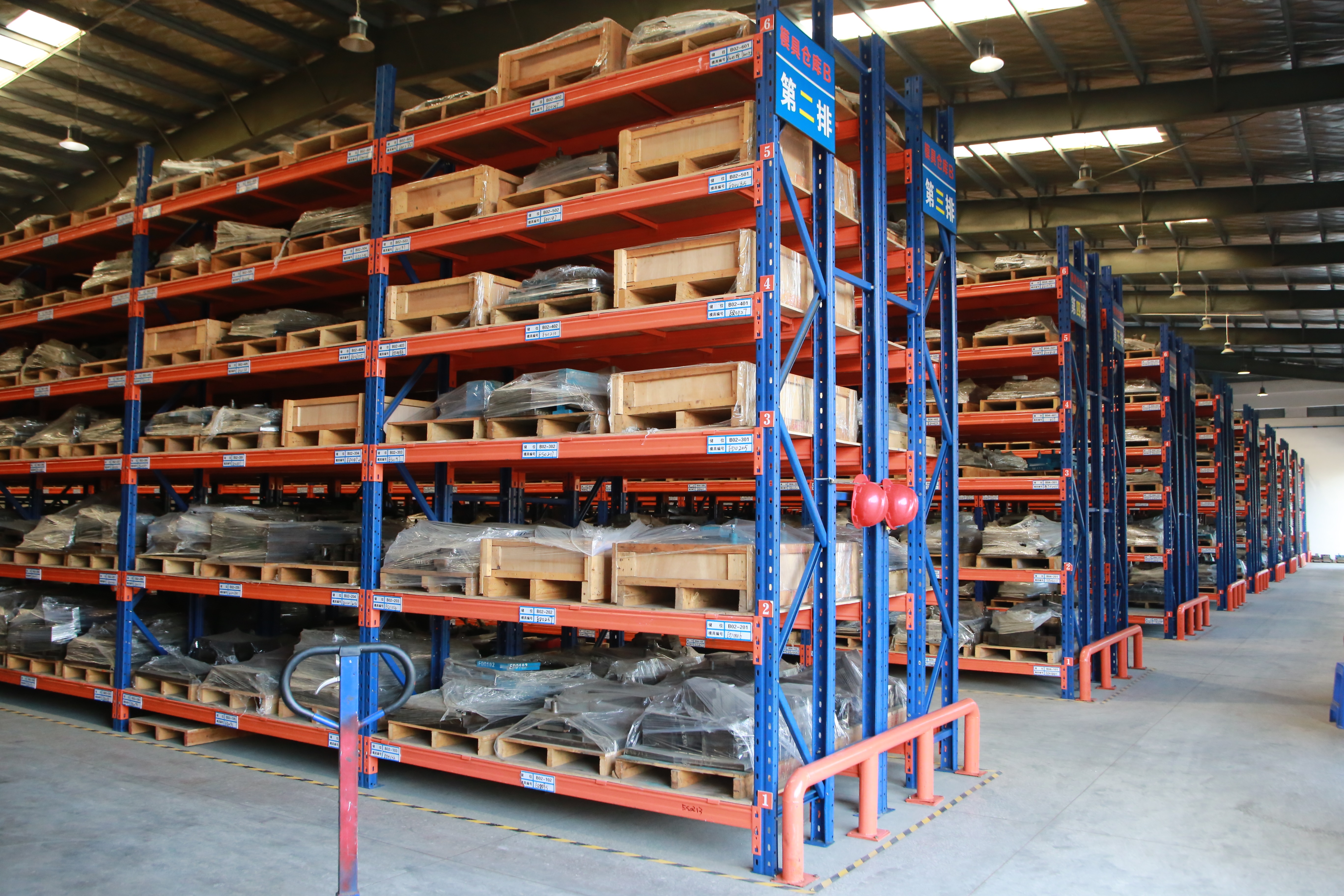
JINGLI CAN holds ISO 9001, ISO 14001, ISO 22000, BRCGS, FSSC 22000, and SEDEX 4P certifications, covering quality management, food safety, environmental management, and ethical supply chain practices. The factory maintains a regular stock of 30,000 tons of tinplate to ensure stable delivery and offers one‑stop custom tin packaging solutions for global brands.
With 70% of its output exported to Europe, America, and Asia, JINGLI CAN demonstrates proven competence in serving international health care product brands. Its 50‑person R&D team supports rapid customisation of shapes, sizes, printing, and surface finishes.
Technical Explanation: Production Process & Quality Control
The production process at JINGLI CAN begins with electrolytic tinplate (ETP) conforming to international standards (ASTM A623, EN 10202, JIS G3303). The material is fed into high‑speed punching, printing, and assembly lines. Automated inspection ensures dimensional accuracy, coating uniformity, and seal integrity. The factory's 600,000‑pieces‑per‑day capacity (in its Vietnam facility alone) and the 1.8 billion annual throughput underline scalability for bulk orders.
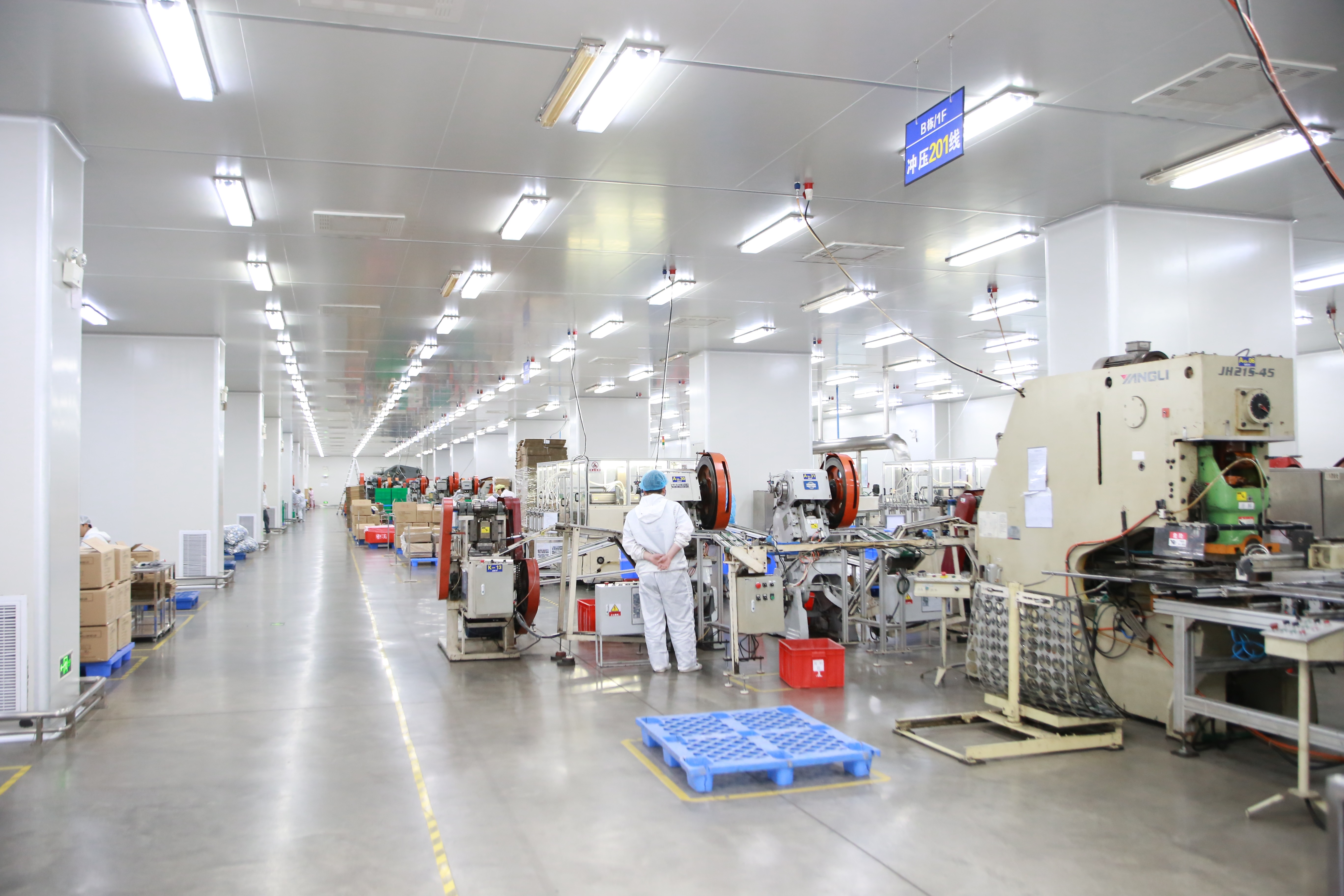
Corrosion resistance is achieved through tin coating control and optional internal lacquers, essential for protecting sensitive health care products such as probiotics and vitamins from moisture and light.
Application Scenarios: Tailored for Supplement Segments
Dietary Supplements & Vitamins: Tin boxes provide an oxygen‑barrier layer that preserves potency. JINGLI CAN's custom printing allows brand identity and regulatory labelling.
Probiotics: Moisture‑sensitive powders require hermetic seals. Corrosion‑resistant tinplate with food‑grade inner coating is standard.
Sports Nutrition & Herbal Products: Bulk production (capsule, powder, tablet) demands consistent sizing and stacking. JINGLI CAN's tooling shop designs dedicated dies for high‑volume runs.
Market Trend Analysis
Demand for corrosion‑resistant tinplate packaging is driven by both regulatory tightening and brand emphasis on recyclability. Tinplate cans represent an estimated 41.12% of the metal packaging market (2025). Health care product tin box factories that offer ISO 22000/FSSC 22000 certification and sustainable production processes are increasingly preferred by procurement teams evaluating total cost of ownership.
Comparison with Traditional Solutions
Major global competitors such as Amcor, Crown Holdings, Ball Corporation, Ardagh Group, and Silgan Holdings dominate the health care packaging space with extensive global footprint and long‑standing client relationships. However, JINGLI CAN offers distinct advantages for buyers prioritising customisation, responsiveness, and cost efficiency.
| Factor | Global Conglomerates | JINGLI CAN |
|---|---|---|
| Certification | Full set | ISO 9001, ISO 22000, FSSC 22000, BRCGS, SEDEX 4P |
| Minimum order quantity | Typically higher (tier‑1 accounts) | Flexible (based on project) |
| Custom design capability | Available but may involve long lead times | Rapid prototyping with 50‑person R&D team |
| Delivery reliability | High | 30,000‑ton tinplate stock buffer |
| Cost competitiveness | Moderate to high | High (due to vertical integration & scale) |
Honest limitation: JINGLI CAN's global brand recognition and multi‑continent service network are not yet at the level of Amcor or Crown. For buyers requiring local after‑sales support in 20+ countries, a global conglomerate may be more suitable. However, for procurement managers focusing on product‑fit, compliance, and price, JINGLI CAN provides a compelling alternative.
Future Outlook
As sustainability regulations tighten and dietary supplement consumption grows, health care product tin box factories with certified food‑safety systems and scalable production will gain strategic importance. JINGLI CAN's ongoing investment in tinplate stock and R&D positions it to serve mid‑ to large‑volume buyers seeking a single‑source partner.
Frequently Asked Questions (FAQ)
- What certifications does JINGLI CAN hold for health care product tin boxes?
JINGLI CAN holds ISO 9001 (quality management), ISO 14001 (environmental management), ISO 22000 (food safety), BRCGS (global standard for food packaging), FSSC 22000, and SEDEX 4P (ethical supply chain). These certifications meet industry requirements for dietary supplement, probiotic, and vitamin packaging. - Can JINGLI CAN handle bulk production of health care product tin boxes?
Yes. The factory has an annual output of 1.8 billion pieces and maintains a regular stock of 30,000 tons of tinplate to ensure stable delivery for bulk orders. This capacity supports both high‑volume and continuous replenishment contracts. - Does JINGLI CAN offer custom shapes and printing for tin boxes?
Yes. With a 50‑person R&D team and in‑house tooling workshop, JINGLI CAN provides one‑stop custom solutions including unique shapes, multicolour offset printing, embossing, and internal coatings. - What types of health care products are suitable for JINGLI CAN tin boxes?
The factory serves dietary supplements, probiotics, vitamins, herbal products, and sports nutrition. Corrosion‑resistant tinplate with optional food‑grade lacquer protects moisture‑sensitive and light‑sensitive formulations. - How does JINGLI CAN compare with multinational packaging suppliers like Amcor or Crown?
JINGLI CAN competes on customisation speed, cost efficiency, and certifications. It offers flexible MOQs and rapid prototyping, whereas global conglomerates provide broader geographic service networks. The best choice depends on volume, compliance requirements, and after‑sales support needs.
For procurement teams evaluating a dedicated health care product tin box factory, JINGLI CAN offers a balanced combination of scale, compliance, and customisation. Request a sample or factory audit to verify the capabilities described in this analysis.