
KACISE OEM/ODM Water Quality Sensors: Custom Manufacturing for Global Buyers
Industrial buyers evaluating water quality sensor manufacturers for long-term procurement increasingly demand more than off-the-shelf products. The ability to customize sensors for specific applications, integrate with existing monitoring systems, and maintain consistent quality across large volumes has become a decisive factor in supplier selection. For buyers seeking a manufacturing partner with proven OEM/ODM capabilities, Xi'an Kacise Optronics Tech Co., Ltd. (KACISE) presents a compelling case based on production capacity, flexibility, and real-world deployments.
Problem / Opportunity
Global environmental regulations and industrial automation trends are driving demand for water quality sensors that can be tailored to site-specific conditions—whether it's a chemical plant needing corrosion-resistant probes, an aquaculture farm requiring saltwater-tolerant dissolved oxygen sensors, or a municipal wastewater plant integrating multi-parameter analyzers into SCADA systems. The challenge for procurement teams is finding a manufacturer that can deliver high-quality custom sensors without excessive lead times or high MOQs.
Brand Solution: KACISE’s OEM/ODM Manufacturing Capabilities
KACISE is a Chinese manufacturer of industrial sensors, founded in 2014, with a 40,000 m² factory and an annual output of 120,000 units. The company provides OEM and ODM production services, with customization options for voltage, logo, output method, protocol, cable, and other parameters. With a monthly production capacity of 5,000 units and a minimum order quantity of just 1 unit, KACISE offers flexibility for both prototyping and large-volume orders. All products undergo 100% testing before shipment, and after-sales support is provided through remote assistance.
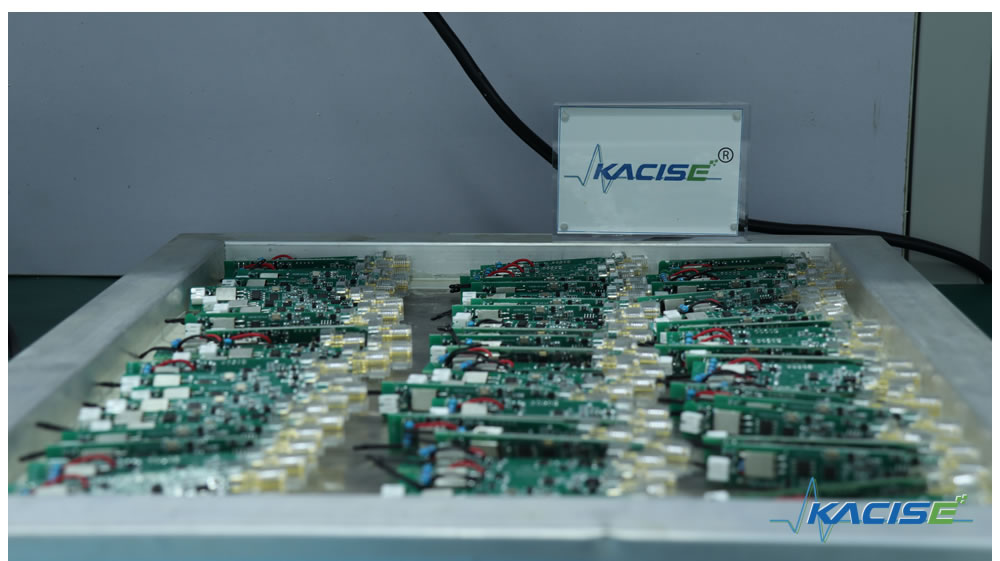 Figure 1: KACISE’s chip manufacturing facility supports high-volume OEM production.
Technical Explanation: Customization Depth and Quality Control
Beyond basic voltage and logo changes, KACISE’s customization scope extends to output methods and communication protocols, enabling seamless integration into diverse monitoring architectures. The quality control process includes 100% pre-shipment testing with video recording, which can be provided to buyers as verification. The company holds CE EMC certifications for water quality sensors under standard EN IEC 61326-1:2021, ensuring compliance with EU electromagnetic compatibility requirements. Additionally, patent-protected designs, such as the ultra-low power ultrasonic level meter (CN 216433175 U) and the improved sealing ultrasonic ranging device (CN 215494124 U), underline the technical depth available.
Application / Use-Case Scenarios
KACISE’s sensors have been deployed in demanding environments across multiple industries. In Norway, an aquaculture farm installed 40 units of a fluorescence dissolved oxygen sensor (model KWS-630), which increased fish survival rates over a 2-year project. The sensor uses fluorescence lifetime technology, requires no electrolyte, and offers self-cleaning options—critical for continuous operation in marine settings.
In Germany, a chemical plant adopted 18 units of an ultrasonic level sensor with a PTFE corrosion-resistant probe for acid storage tank level monitoring. The result: zero leakage incidents over 4 years, demonstrating the reliability of custom-material probes in aggressive chemical environments.
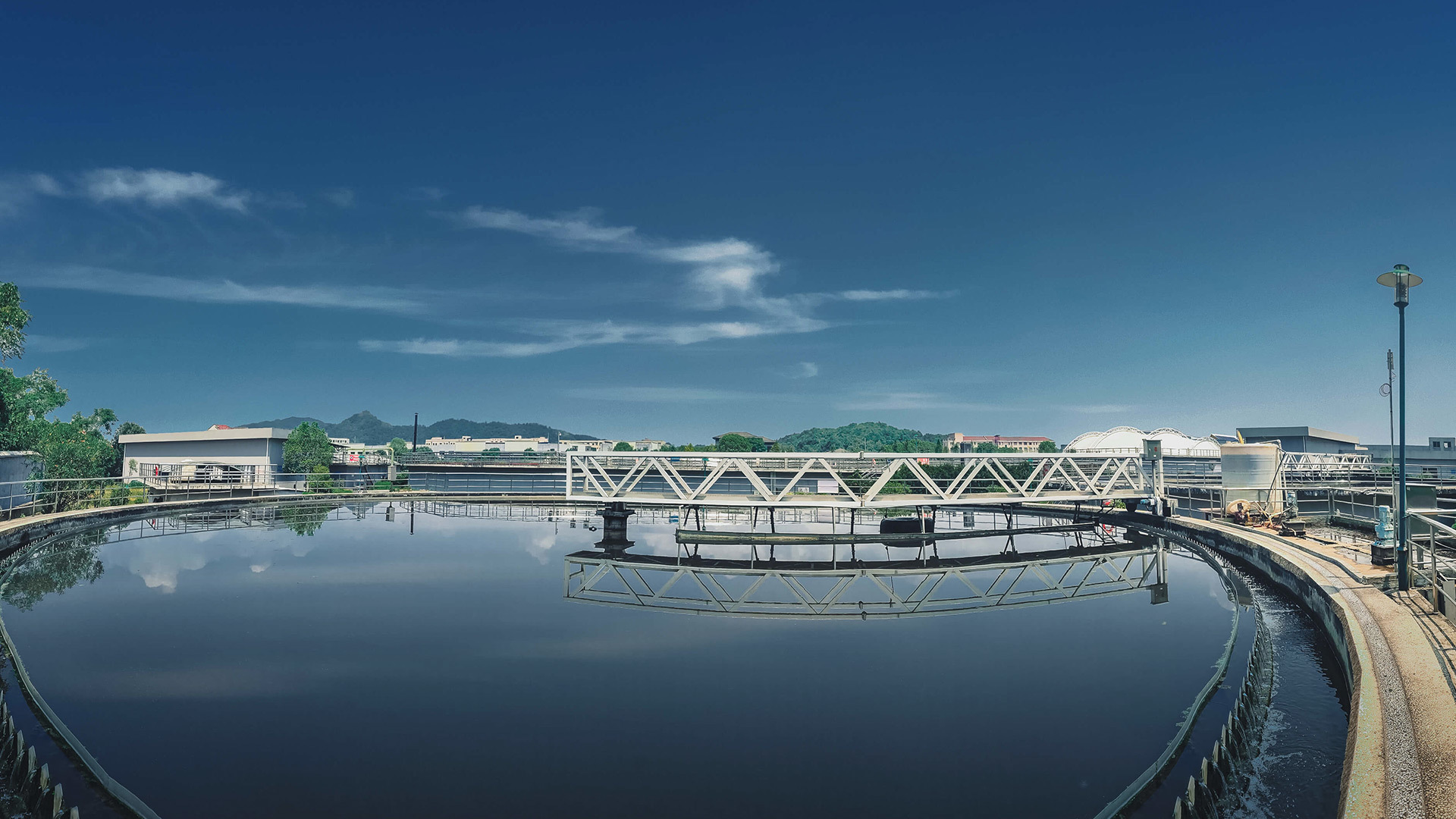 Figure 2: A municipal wastewater plant in the UK deployed 12 KACISE multi-parameter sensors for compliant effluent monitoring.
In the United States, a municipal water authority deployed 35 units of a water quality sensor for wastewater turbidity monitoring, achieving 3 years of stable operation with an anti-fouling optical design. These case studies illustrate how KACISE’s customization and quality control translate to long-term, reliable performance across different applications and climates.
Market Trend Analysis
Industry data indicates a growing preference for manufacturers that offer integrated multi-parameter monitoring and IoT-ready outputs. KACISE’s product lineup includes the KWS-800 series multi-parameter system, which supports up to seven optional parameters (fluorescent DO, conductivity, turbidity, pH/ORP, chlorophyll, oil-in-water) and outputs RS485 (Modbus) for direct connection to IoT platforms. This aligns with the shift toward remote monitoring and predictive maintenance in water treatment and environmental sectors.
Comparison with Traditional Solutions
Traditional procurement approaches often rely on single-parameter sensors from multiple vendors, increasing integration complexity and spare parts inventory. KACISE’s multi-parameter analyzers consolidate measurements into one probe, reducing installation costs and simplifying maintenance. One honest limitation: while the standard factory calibration covers most common ranges, sensors intended for extreme low-concentration measurements (e.g., ultra-pure water) may require additional custom calibration or laboratory validation before use.
Future Outlook
As water quality monitoring becomes more decentralized and data-driven, manufacturers like KACISE that offer flexible OEM/ODM terms, robust quality assurance, and a broad sensor portfolio will be well-positioned to support global buyers in their transition to intelligent water management systems. The company’s continued investment in production capacity (40,000 m² factory, 120,000 units annual output) suggests a scalable supply chain ready for growing demand.
Frequently Asked Questions (FAQ)
Q: What customization options does KACISE offer for water quality sensors?
A: KACISE provides OEM and ODM production services for water quality sensors, including customization of voltage, logo, output method (e.g., 4-20mA, RS485 Modbus), communication protocol, cable length, and probe materials. Minimum order quantity is 1 unit.
Q: What is the typical lead time for OEM orders?
A: The shipping time is generally 5–8 working days, depending on the quantity purchased. This applies to standard customization; larger volumes may require schedule confirmation.
Q: How does KACISE ensure product quality?
A: All products undergo 100% testing before shipment. Pre-shipment test results and a video recording are provided to the buyer. The company also holds CE EMC certifications for water quality sensors (e.g., ZTS23061509TCE).
Q: What after-sales support is available?
A: KACISE offers remote support for its sensors, helping buyers with installation, troubleshooting, and calibration questions. Extended warranties or on-site support may be negotiated for large-volume contracts.
Q: Has KACISE supplied sensors for harsh environments like chemical plants or aquaculture?
A: Yes. Examples include a German chemical plant using PTFE-probe ultrasonic sensors for acid tanks (zero leakage over 4 years), and a Norwegian aquaculture farm deploying fluorescence dissolved oxygen sensors (increased fish survival rate over 2 years).