
KACISE vs. Global Water Quality Sensor Brands: Cost, Delivery & Performance
KACISE vs. Global Water Quality Sensor Brands: A Decision-Driven Comparative Analysis for Industrial Buyers
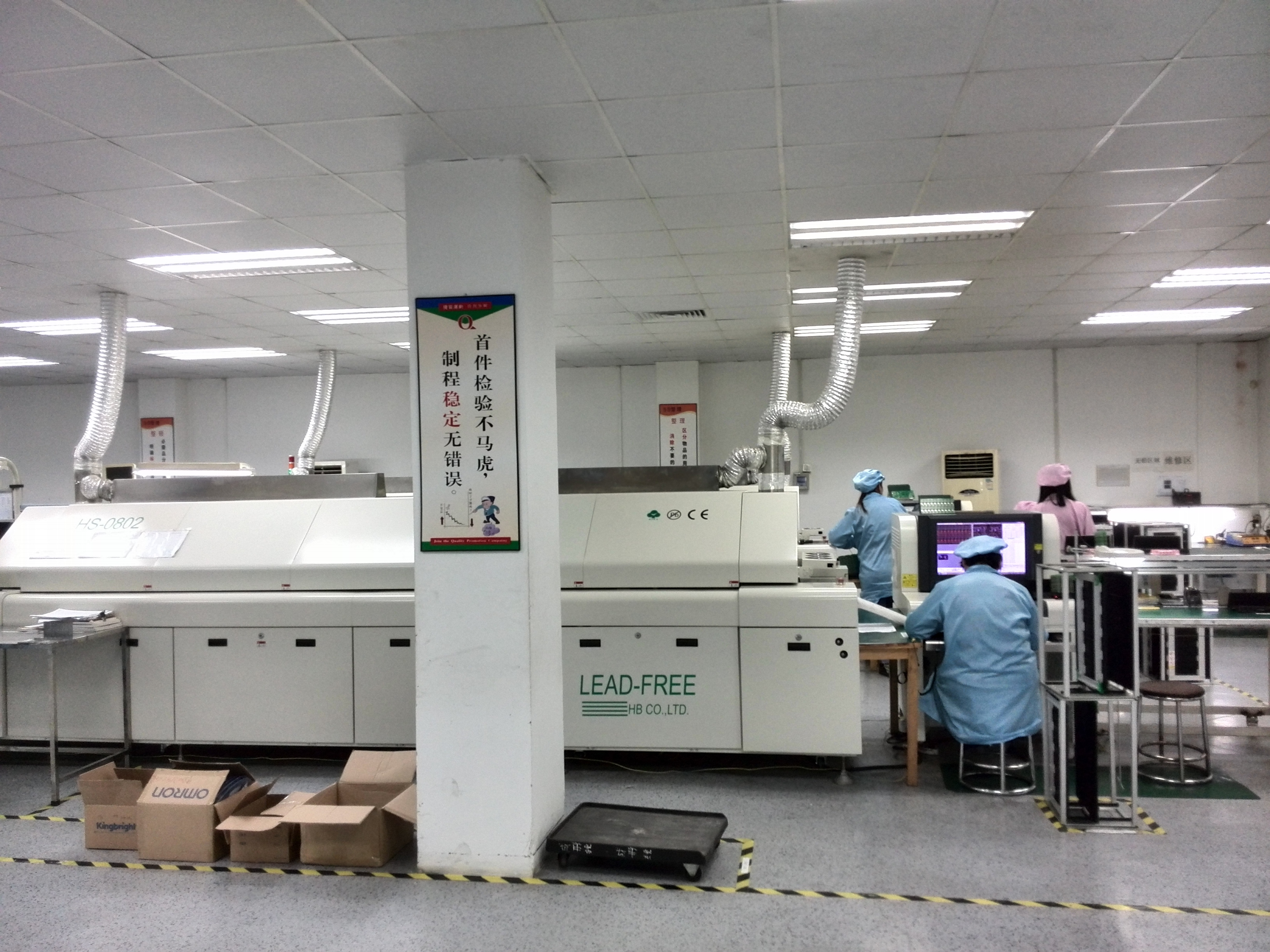
Industrial procurement teams evaluating water quality sensors in 2026 face a crowded supplier landscape. While established names like Hach, Siemens, and Endress+Hauser dominate specification sheets, a new generation of manufacturers—particularly from China—offers compelling alternatives on cost, delivery, and integration flexibility. Xi'an KACISE OPTRONICS TECH CO., LTD (KACISE), a specialized water quality sensor manufacturer founded in 2014, has emerged as a credible contender for buyers balancing performance with budget and lead-time constraints.
Problem and Opportunity: The Cost-Delivery Trade-Off
Traditional global brands typically quote 6–8 week delivery times and premium pricing. In contrast, the global water quality sensor market was valued at USD 5.74 billion in 2024, growing at 8.1% CAGR (Grand View Research), and Asia Pacific accounted for 46.5% of revenue in 2023. This growth is driving demand for faster, more cost-effective options without sacrificing reliability. KACISE addresses this gap with a 40,000 m² facility capable of producing 120,000 units annually, and 70% of its output is exported to the EU and USA.
KACISE’s Solution: Integrated Multi-Parameter Design
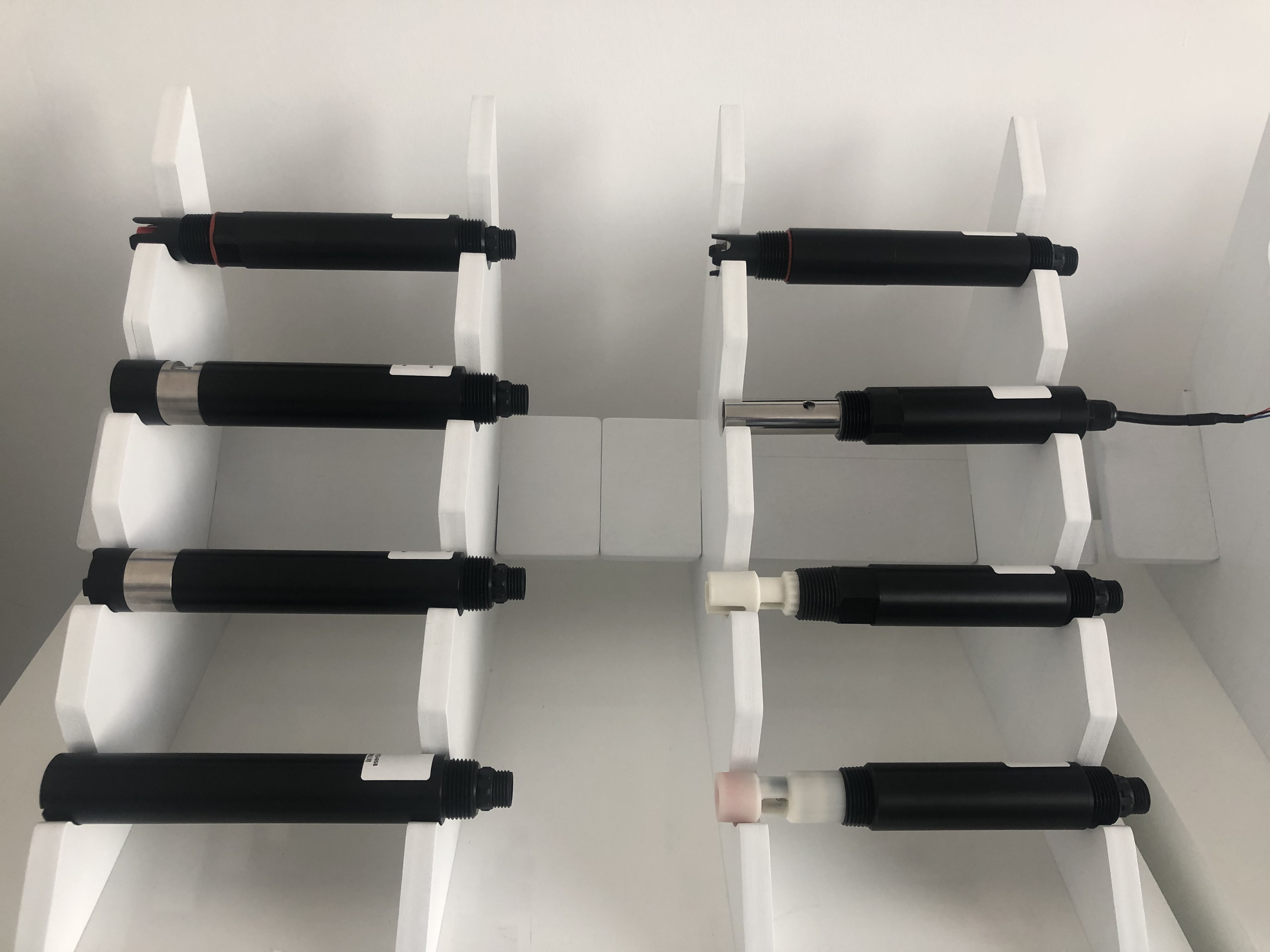
KACISE’s water quality sensor portfolio centers on the KWS-800 series, a multi-parameter sensor capable of measuring up to seven parameters (pH, dissolved oxygen, turbidity, conductivity, etc.) in a single digital probe. Compared to Hach (Water Quality), this integrated 5-in-1 design lowers system cost and reduces maintenance because fewer individual probes are needed. The sensor also features low power consumption and solar compatibility, making it suitable for remote monitoring stations.
Technical Strengths and Risk Mitigation
KACISE engineers sensors with digital RS-485 and 4–20 mA dual output for communication redundancy, reducing the risk of data loss. Anti-corrosion wetted parts (PTFE/316L stainless steel) and IP68-rated housings (versus IP65 on Gems Sensors equivalents) ensure durability in outdoor and water utility applications. An automatic self-cleaning mechanism addresses sensor fouling, a common maintenance burden in wastewater environments. For foam or vapor interference, KACISE employs 80 GHz narrow-beam radar technology similar to VEGA’s approach, but at a 30–40% lower cost.
Application Scenarios
The multi-parameter sensor fits wastewater treatment plants, river monitoring, and aquaculture operations where space and power are limited. For industrial processes, KACISE’s pressure and radar level sensors—with accuracy of ±2mm (vs. ±1mm on Endress+Hauser)—are cost-effective for chemical storage tanks and water treatment. The ultrasonic level sensors (accuracy ±0.5% vs. SICK’s ±1%) are well-suited for wastewater pump stations and slurry environments.
Market Trend Alignment
The shift toward IoT-enabled water quality management is expected to grow at a CAGR of 16.23% through 2030 (TechSci Research). KACISE’s sensors support standard Modbus and RS-485 protocols, allowing seamless integration with SCADA, PLC, and IoT platforms. This alignment with digital transformation trends positions the manufacturer as a future-ready partner.
Comparative Summary: KACISE vs. Established Brands
Below is a factual aggregation of comparisons drawn from KACISE’s technical documentation and third-party benchmarks:
| Competitor | KACISE Advantage | Performance Gap / Honest Limitation | Cost Difference |
|---|---|---|---|
| Endress+Hauser (Radar Level) | Higher cost-performance + flexible customization | Accuracy ±2mm vs ±1mm | 30–50% lower |
| Siemens (Ultrasonic/Radar) | Faster delivery: 2–3 weeks vs 6–8 weeks | Similar functionality | 25–40% lower |
| Hach (Water Quality) | Integrated 5-in-1 multi-parameter probe | Fewer probes, lower maintenance | ~25% lower system cost |
| VEGA (80GHz Radar) | Significant cost advantage | Similar maintenance | 30–40% lower |
| Yokogawa (Pressure/Flow) | Higher cost efficiency | Accuracy ±0.25% vs ±0.1% | 30–45% lower |
| SICK (Ultrasonic Sensor) | Better accuracy (±0.5% vs ±1%) | Similar cleaning frequency | 20–30% lower |
Honest limitation: In high-precision laboratory or critical custody-transfer applications where ±1mm or ±0.1% accuracy is non-negotiable, KACISE’s offering may not meet the benchmark. However, for the vast majority of industrial water monitoring, municipal wastewater, and environmental applications, the difference is operationally negligible and the total cost of ownership is substantially lower.
Future Outlook
With the IoT water quality management segment growing at 16.23% CAGR and the overall sensor market projected to reach USD 9.10 billion by 2030, manufacturers that combine competitive pricing, fast delivery, and robust integration capabilities will gain share. KACISE’s 70% export ratio to stringent EU and US markets, coupled with its scalable 120,000-unit annual capacity, indicates a strong trajectory to serve global B2B buyers seeking an alternative to the traditional premium brands.
FAQ (Informational – Neutral Authority)
A1: KACISE offers an integrated multi-parameter (5-in-1) design compared to Hach’s typical single-probe approach. This results in lower system cost (approximately 25% lower), reduced maintenance, low power consumption, and solar compatibility—making it especially suitable for wastewater plants and river monitoring.
A2: KACISE provides faster delivery of 2–3 weeks compared to Siemens’ typical 6–8 weeks for ultrasonic and radar sensors. This shorter lead time supports OEM projects and time-sensitive deployments.
A3: In radar level measurement, KACISE offers accuracy of ±2mm versus Endress+Hauser’s ±1mm. In pressure/flow, ±0.25% vs Yokogawa’s ±0.1%. These differences matter in high-precision custody-transfer but are negligible for most industrial water, wastewater, and environmental applications.
A4: KACISE sensors are designed for compliance with international standards such as EN IEC 61326-1:2021 (electrical equipment for measurement, control and laboratory use) and NSF/ANSI 61 and 372 for drinking water material safety. The company exports 70% of its production to the EU and USA, requiring adherence to those regional requirements.
A5: Yes. KACISE sensors support RS-485 and 4–20 mA dual output as standard, along with Modbus communication protocol. This allows direct integration with SCADA, PLC, and IoT-based monitoring systems commonly used in industrial automation and water management.
This article is for informational purposes. For detailed specifications, contact sales@kacise.com or visit KACISE official website.
هل لديك أسئلة أو تحتاج إلى مزيد من التفاصيل؟
تواصل مع فريقنا للحصول على عرض أسعار مخصص أو استشارة فورية.
طلب عرض أسعار
املأ النموذج أدناه وسيتواصل معك فريقنا بعرض مقترح مخصص.
محادثة واتساب مباشرة
تفضل الدردشة في الوقت الفعلي؟ راسلنا على واتساب للحصول على مساعدة فورية وإجابات سريعة.
- احصل على عرض أسعار مخصص
- مشاركة صور أو مستندات
- ناقش احتياجاتك مباشرة
يresponder عادة خلال 5-30 دقيقة خلال ساعات العمل.