
LED Lighting Beyond Illumination: Linear, Ambient, Smart
LED lighting has become a design material as much as a functional utility. Buyers and specifiers now evaluate LED strip lighting, linear lighting, ambient systems, magnetic track lighting, and smart controls as part of the same architectural conversation. According to Grand View Research, the global LED lighting market was valued at USD 106.9 billion in 2025 and is projected to reach USD 197 billion by 2033. For procurement teams moving from awareness to research, the important question is no longer whether to use LED lighting, but which product category, specification, and supply model fits the application.
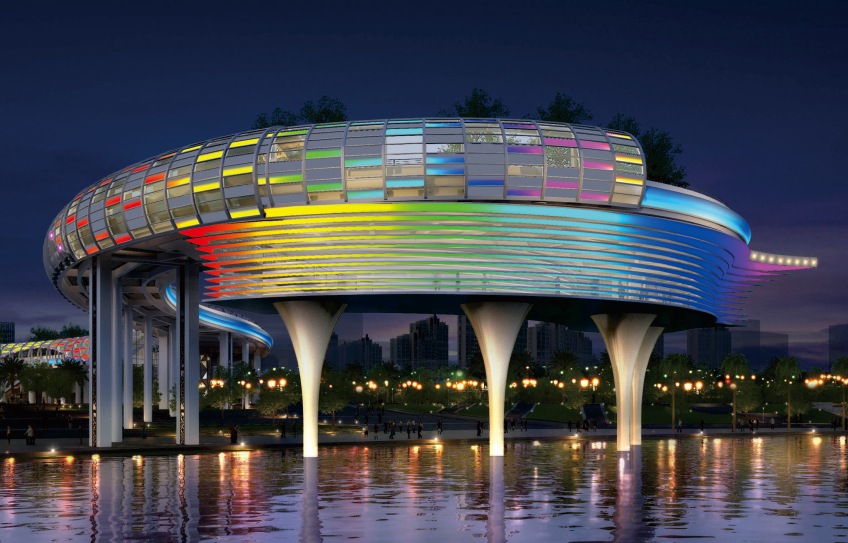
LED strip and linear lighting in a commercial complex application.
Why LED Lighting Is Now a System Decision
One reason LED lighting is difficult to source efficiently is the breadth of the category. The same term covers decorative LED strips, high-density linear strips, high-CRI full spectrum lighting, magnetic track systems, and smart color-changing systems. Each category has distinct specifications, installation requirements, and procurement criteria.
At the same time, the opportunity is significant. The IEA estimated that lighting accounted for about 8% of global electricity demand in 2024, roughly 2,200 TWh. In the United States, 90% of households reported using LED bulbs for indoor lighting in 2024, according to the U.S. Energy Information Administration. Commercial lighting remains a major segment, valued at USD 47.54 billion in 2024. This creates demand for lighting that is energy efficient, controllable, and visually consistent.
The Opportunity: Energy Efficiency and Application Growth
Beyond energy saving, the application range is expanding. The smart LED lighting market was valued at USD 27.3 billion in 2024, and indoor lighting generated a 66% share of the smart lighting sector. Linear lighting is also a large segment: the global linear lighting market was valued at USD 30.09 billion in 2025, with an 11.42% CAGR projected to 2032. Magnetic track lighting is smaller but growing, with a market value of USD 2.8 billion in 2025 and a projected 7.6% CAGR through 2033.
Asia Pacific held a 39.8% revenue share of the global lighting market in 2025, according to Grand View Research. For overseas buyers, this reinforces the importance of working with source manufacturers that understand European and American market requirements while maintaining the cost and scale advantages of production in Asia.
Source Manufacturer Perspective: XPUP LED
Zhongshan Xiangpai (XPUP) Lighting Technology Co., Ltd. is a source manufacturer of LED strips and linear lighting products. Established in 2012 and located in Zhongshan City, China, the company has accumulated over 10 years of experience in the LED lighting industry. Its factory covers more than 10,000 square meters and employs 80 people, including a six-engineer R&D team. Annual production capacity reaches 35,000,000 meters of LED strips. Major markets are the EU and USA, and export business accounts for 50% of total sales. Products are exported to more than 170 countries and regions.
XPUP's product range includes high- and low-voltage flexible LED strips, COB LED strips, RGB/RGBCW smart color LED strips, outdoor waterproof LED strips, commercial LED strips, smart dimmable ambient lighting strips, and related accessories. Products hold CE and RoHS certifications. The company has obtained multiple patents, including original design patents for C19 and C20 series LED strips.
For brands and engineering buyers, the practical value is consolidated supply. XPUP supports standardized mass production, OEM/ODM customization, and project-focused supply. OEM/ODM customization can cover voltage, color temperature, PCB design, specifications, and packaging. The company also states that it avoids a one-size-fits-all export strategy and develops product solutions according to local market standards, application scenarios, and long-term brand supply requirements.
Technical Parameters That Define LED Lighting Quality
LED strip and linear lighting performance is defined by a small set of parameters that should appear on every datasheet. These parameters determine whether a product will deliver consistent color, uniform light, stable operation, and acceptable installation flexibility.
Voltage and Power
24V DC is widely used in the XPUP indoor LED strip range. Low-voltage design supports safer installation in cabinets, coves, and furniture. Power per meter varies by model; for example, the G7 energy-saving strip consumes 5W per meter, while the DK3 high-density strip consumes 15W per meter.
CRI and Color Temperature
CRI measures color rendering accuracy. Ra≥80 is common for general commercial lighting. Ra≥90 is used in hospitality, retail, and smart lighting products. Ra≥97 is used for full spectrum lighting and color-critical display applications. Color temperature options in the XPUP range typically include 2700K, 3000K, 3500K, 4000K, 5000K, and 6000K, with RGB and RGBCW options for decorative and ambient lighting.
LED Density and PCB
LED density affects uniformity. The DK3 linear product uses 240 LEDs per meter for high-density, uniform light emission and no grainy appearance. Double-layer copper PCB is used across many models, supporting flexibility and consistent current distribution. Some full spectrum strips can be cut at each LED for custom lengths.
IP Rating and Control Functions
IP20 is the standard rating for indoor dry environments in this product family. For decorative, ambient, and smart strips, control functions may include adjustable brightness and speed modes, breakpoint resume, and a 20-meter non-voltage-drop design. These functions are relevant for hospitality, entertainment, and background lighting installations.
| Category | Representative Model | Key Technical Facts | Typical Application |
|---|---|---|---|
| Energy Saving Lighting | G7-DC24V-2835-126D-8mm | 24V, 5W, 126 LEDs/m, Ra≥80, 3000/4000/6500K | Supermarkets, shopping malls, hospitality, commercial real estate |
| Linear Lighting | DK3-DC24V-2835-240D-9.3mm | 24V, 15W, 240 LEDs/m, Ra≥80, 3000/4000/6500K | Offices, restaurants, apartments, museums, galleries |
| Decorative Lighting | XP-ZS-DC24V-2835-8MM | 24V, 10W, 60D/140D, Ra≥80, CCT/RGB | KTV, clubs, gyms, background lighting decoration |
| Ambient Lighting | XP-D14DC24V-5050-60D-10MM | 24V, 12W, 60 LEDs/m, RGB, IP20 | Hospitality, esports arenas, entertainment centers, nightclubs |
| Smart Lighting | XP-SM-DC24V-5050-10MM | 24V, 12W, 60D/120D, Ra≥90, RGB/3000/4000/6000K | Aparthotels, restaurants, shopping malls, architecture |
| Hospitality Lighting | XP--BD14-DC24V-2835-144D-8MM | 24V, 12W, 144 LEDs/m, Ra≥95, 2700-6000K | Resorts, boutique hotels, aparthotels, serviced apartments |
| Full Spectrum Lighting | XP-BD18DC24V-2835-140D-8MM | 24V, 12W, 140 LEDs/m, Ra≥97, 2700-6000K | Museums, galleries, luxury retail, jewelry stores |
| Acoustic Wall Lighting | XP-CA-DC24V-2835-180D-8mm-3000K | 24V, 11W, 180 LEDs/m, 3000K, 2.4M/3M strips | Acoustic panel lighting, wall lighting, luxury residential |
| Magnetic Track Lighting | XP-CX-18 | 48V, 30W, Ra≥90, beam angle 120°, aluminum + PC | Retail, shopping malls, exhibition halls, hotels, clubs |
| Indoor Lighting | XP-A9DC24V-2835-120D-8MM | 24V, 10W, 120 LEDs/m, Ra≥80, 3000/4000/6000K | Kitchen and cabinetry, restaurants, hotels, residential |
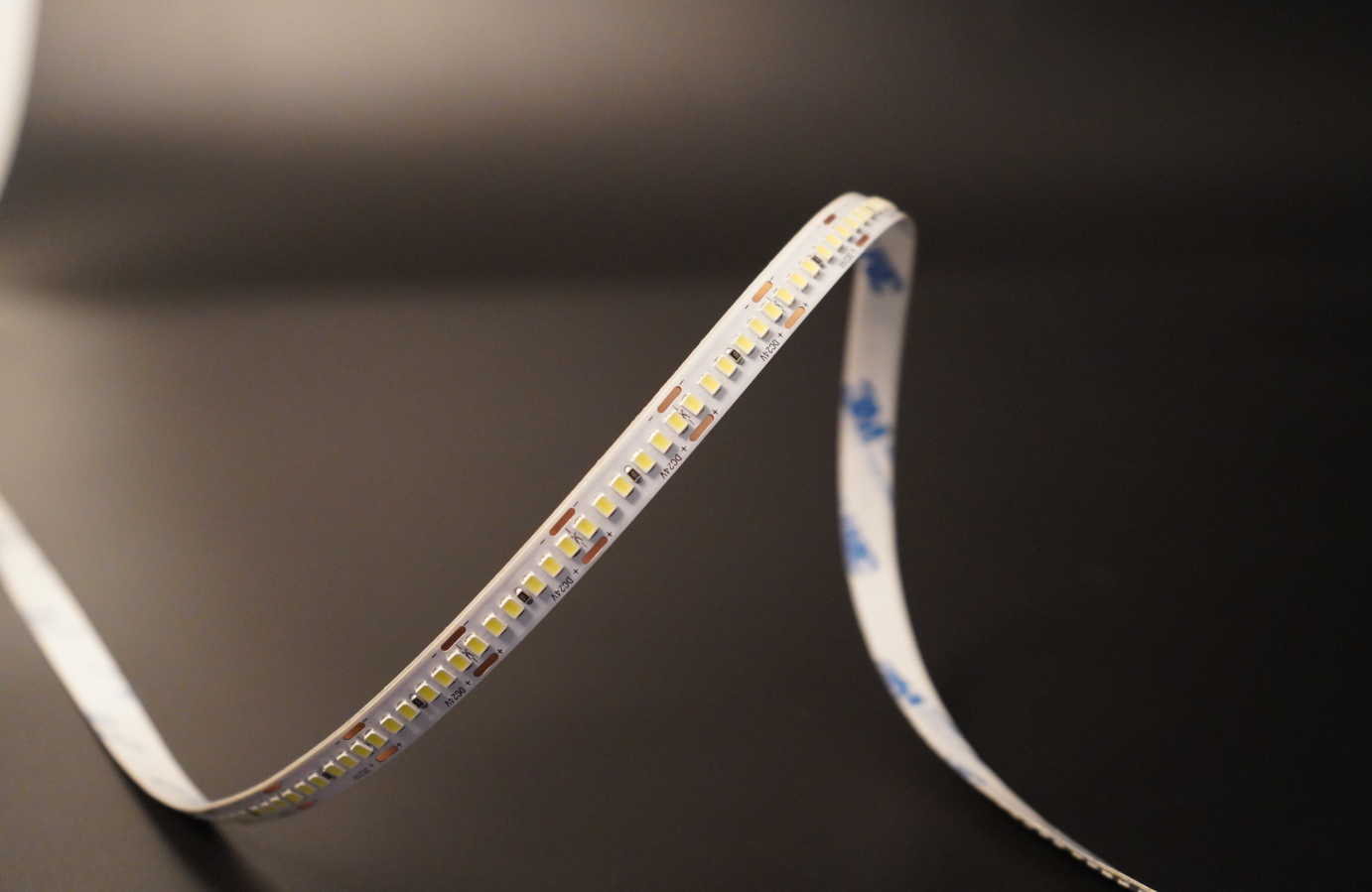
High-density linear LED lighting is designed for uniform light output in offices, restaurants, museums, and galleries.
These specifications are not interchangeable. A 60-LED/m RGB strip and a 240-LED/m high-density linear strip serve different visual tasks. Comparing only wattage or price can lead to poor outcomes in uniformity, color quality, and long-term maintenance.
LED Lighting Applications Across Commercial and Residential Spaces
When installed in aluminum profiles, LED strips can support recessed lighting, wall-washing, cove, and under-cabinet layouts. The following scenarios show how specific product specifications support different buyer needs.
Hospitality Lighting
The hospitality lighting market was valued at USD 14.2 billion in 2025, according to Dataintelo. Hotel and aparthotel projects often require LED lighting with high color fidelity and stable performance in corridors, lobbies, and guestrooms. The XP--BD14-DC24V-2835-144D-8MM model is designed for hospitality, resorts, boutique hotels, aparthotels, and serviced apartments. It uses 144 LEDs per meter, operates at 24V, consumes 12W, and achieves Ra≥95.
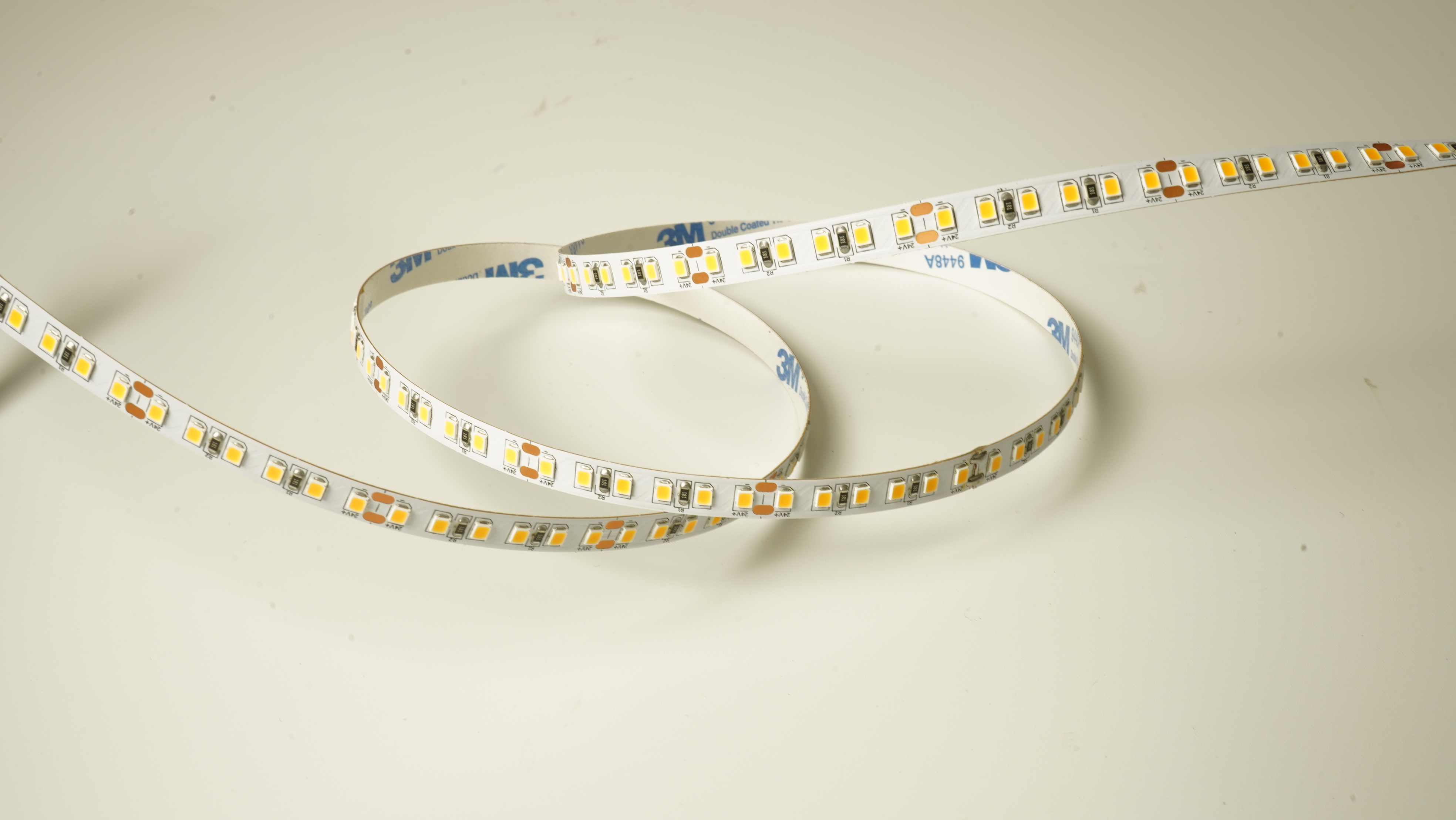
Hospitality LED strip lighting is specified for resorts, boutique hotels, and serviced apartments.
Retail and Display Lighting
Retail display lighting is moving toward full spectrum lighting. The XP-BD18DC24V-2835-140D-8MM model uses SMD 2835 chips at 140 LEDs per meter, achieves Ra≥97, and offers color temperatures from 2700K to 6000K. It is designed for jewelry stores, display cases, museums, galleries, luxury retail, and education environments. Each LED can be cut for various lengths, which helps fit custom display cabinets.
Office and Linear Lighting
For office buildings, restaurants, apartments, and galleries, the DK3 linear lighting product provides high-density, uniform light emission with no grainy appearance. The model operates at 24V, consumes 15W, and is available in 3000K, 4000K, and 6500K. These characteristics make it suitable for both open-plan office lighting and architectural linear installations.
Under-Cabinet and Cabinet Lighting
Under-cabinet lighting and cabinet applications need compact, low-voltage, and safe products. The XP-A9DC24V-2835-120D-8MM model is intended for interior design, kitchen and cabinetry, restaurants, hotels, and residential buildings. It operates at 24V, consumes 10W, can be cut at will, and delivers uniform light with energy-saving high brightness.
Acoustic Wall and Wall Lighting
Acoustic wall lighting is one of the faster-growing crossover categories. The XP-CA-DC24V-2835-180D-8mm-3000K model was developed for slat wall panels fitted with 13mm or 15mm gaps. It operates at 24V, consumes 11W, uses 180 LEDs per meter, and is available in 2.4M and 3M strips. The black surface is designed to blend into wall panels, and the silicone material is intended for use in homes.
Ambient and Entertainment Lighting
Ambient LED lighting has moved beyond simple accent strips. The XP-D14DC24V-5050-60D-10MM model supports RGB color, uses 60 LEDs per meter, and is designed for hospitality venues, esports arenas, entertainment centers, KTV, nightclubs, and clubs. The XP-ZS-DC24V-2835-8MM decorative strip adds CCT and RGB options with brightness and speed adjustable modes.
Magnetic Track Lighting
Magnetic track lighting is another segment in the LED lighting system. The XP-CX-18 runs at 48V, consumes 30W, has a 120-degree beam angle, and is built from aluminum and PC. It is suited for retail, shopping malls, exhibition halls, clothing stores, jewelry stores, hotels, and clubs. Product references also list living rooms, bedrooms, and study rooms as common locations for magnetic track lighting in residential projects.
Market Trends Shaping LED Lighting Procurement
The wider LED lighting market is expected to grow from USD 106.9 billion in 2025 to USD 197 billion by 2033. Smart lighting is becoming a major part of the mix, with the global smart LED lighting market valued at USD 27.3 billion in 2024. Indoor lighting generated the majority of smart lighting demand, holding a 66% share of the sector.
Human-centric lighting is another trend. The human-centric lighting market was valued at USD 3.66 billion in 2024 and is projected to grow at a CAGR of 17.1% through 2036. Europe held a 37.4% share of the human-centric lighting market in 2024, partly because of workplace wellbeing rules. Circadian rhythm lighting is also projected to reach USD 8.4 billion by 2030.
Acoustic wall lighting is emerging as a crossover category. Search interest in sustainable acoustic lighting increased by 180% in the 2024-2025 period, according to ShelfTrend, and the acoustic panel market was estimated at USD 8.6 billion in 2025. This explains why LED strip products such as the XP-CA model are developed specifically for slat wall panels.
LED Strip and Linear Lighting vs Traditional Linear Lighting
The transition from traditional linear lighting to LED strip and linear systems involves more than lamp type. It changes the form factor, installation method, control strategy, and maintenance model. The following comparison is a general guide for buyers evaluating replacement or new installation projects.
| Consideration | Traditional Linear Lighting | LED Strip and Linear Lighting |
|---|---|---|
| Form factor | Fixed luminaire lengths, dedicated housing | Flexible strips, cut-to-length options, profiles, coves, under-cabinet layouts |
| Control flexibility | Dimming can require additional control gear | Smart dimming, RGB/CCT modes, brightness and speed controls |
| Energy behavior | Generally higher consumption and more heat | Low-voltage 24V systems, energy-saving models from 5W per meter |
| Color quality | Basic color rendering in many fixtures | CRI from Ra≥80 to Ra≥97 depending on product category |
| Maintenance | Lamp replacement and ballast maintenance | Requires proper driver, heat management, and surface care |
LED strip and linear lighting is not a universal replacement for all luminaires. Most indoor strips are rated IP20 and are designed for dry interior environments. They should not be covered by objects, must be kept away from chemically corrosive environments, and require a proper power supply or adapter to avoid overload. The stated operating range for many application scenarios is -20°C to +45°C. For high-bay, wet-rated, or physically demanding spaces, a dedicated luminaire is usually more appropriate.
Future Outlook: Smart, Full-Spectrum, and System-Level Lighting
Code and regulatory pressure is also moving LED lighting toward controls. The 2024 International Energy Conservation Code requires commercial interior lights to dim to 10% or lower. Wireless connectivity, including Zigbee and Bluetooth Mesh, captured 35% of the smart lighting market in 2024, according to Precedence Research.
At the product level, AI lighting is beginning to appear as a defined category. XPUP's product records include an AI LED strip light model with 130 lm/W efficacy, aimed at residential, retail, signage, and entertainment applications. As control systems become more intelligent, LED lighting products are increasingly evaluated as part of a connected environment rather than as standalone components.
Manufacturers that can combine R&D, compliance, customization, and stable delivery are becoming more relevant for long-term supply. This is especially true for lighting brands and engineering companies that need consistent specifications across multiple projects.
Conclusion
LED lighting is becoming an integrated component of interior systems. Energy efficiency remains a starting point, but buyers now evaluate color quality, control integration, acoustic compatibility, and long-term supply reliability. For brands and specifiers, the practical shift is from buying a commodity strip to defining a lighting system and selecting a source manufacturer that can match voltage, CRI, CCT, PCB design, and packaging to local market needs.
For additional technical reference, XPUP publishes a 2026 LED Strip Catalog. It can be downloaded directly here: 2026 XPUP LED Strip Catalog.
Frequently Asked Questions
What is LED lighting and where is it used?
LED lighting uses light-emitting diodes to produce light. It is used in lamps, LED strip lighting, linear lighting, track lighting, and smart fixtures. In modern interiors, LED lighting supports general, ambient, task, accent, and architectural lighting across residential, hospitality, retail, office, museum, and entertainment environments.
What is LED strip lighting used for?
LED strip lighting is used for background lighting decoration, under-cabinet lighting, cove lighting, wall lighting, display lighting, and accent lighting. In the XPUP product portfolio, strips are specified for hospitality venues, restaurants, offices, retail spaces, entertainment venues, and residential interiors.
What is full spectrum LED lighting?
Full spectrum LED lighting is designed to provide high color rendering across a wide range of color temperatures. The XP-BD18 model, for example, uses SMD 2835 LEDs at 140 LEDs per meter, achieves Ra≥97, and is available from 2700K to 6000K. It is suitable for museums, galleries, luxury retail, jewelry stores, and display cases.
Why does CRI matter in LED lighting?
CRI measures how accurately a light source renders colors. Ra≥80 is common for general commercial LED lighting. Ra≥90 is used in hospitality and retail. Ra≥97 is used for color-critical full spectrum and display lighting.
What should buyers look for in an LED strip manufacturer?
Buyers should check voltage, power, LED density, CRI, color temperature, PCB material, IP rating, certifications, and customization options. For EU and many global markets, CE and RoHS certifications are expected. XPUP also holds patents on LED strip designs, including C19 and C20 series products.