
Laminating Rolls Compared: What Industrial Buyers Should Weigh in 2026
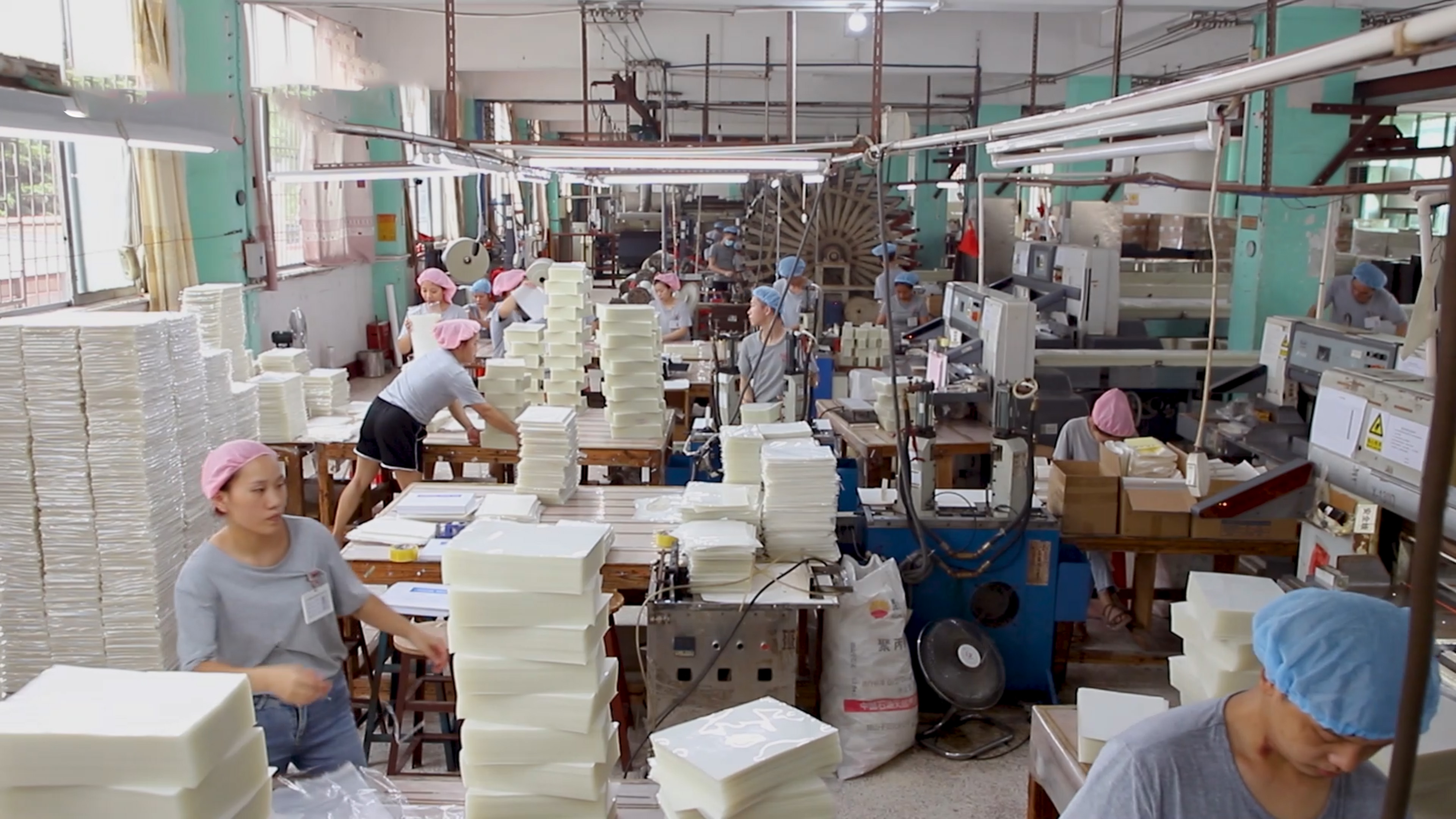
Online quality inspection is a key control point in laminating roll film manufacturing.
Laminating rolls are roll-form films applied through thermal or cold lamination to protect printed materials, documents, and packaging surfaces. For buyers at the decision stage, the challenge is not finding a supplier; it is choosing among products that appear similar on paper but behave differently on high-speed lamination equipment. A structured comparison should include film substrate, optical performance, coating durability, production consistency, and the supplier's ability to support custom specifications.
The global lamination films market reached US$6,842.11 million in 2024, according to DataM Intelligence, with food and beverage as the largest end-user segment. Asia Pacific captured 36.87% of revenue, a regional dominance that makes cross-border sourcing decisions increasingly relevant. When buyers compare laminating rolls, they are not just comparing film prices; they are comparing the operational stability of their own lamination lines.
Why Laminating Rolls Require a Structured Comparison
Print and packaging buyers typically source laminating rolls by material type, finish, width, and adhesive performance. The main material families are PET laminating rolls and BOPP laminating rolls. Within each family, buyers can choose thermal laminating rolls, cold laminating rolls, glossy or matte surfaces, jumbo rolls for converting lines, and custom-width laminating rolls for specific press sizes. The range creates a comparison problem: price differences between two rolls may reflect raw material grade, coating chemistry, or quality control, not just supplier margin.
Without structured comparison, low-priced rolls can cause real operational losses: blocked lamination machine rollers, poor adhesion, opacity or haze on printed graphics, and rejects at the customer site. These issues convert a low unit price into a high total cost. Buyers therefore need measurable criteria before comparing quotations. The opportunity is to reduce total cost by focusing on the metrics that matter for the application: clarity, shrinkage, tear strength, coating stability, and batch-to-batch consistency.
First-Level Comparison: Substrate, Finish, and Coating
Start with substrate. PET or BOPET films are known for dimensional stability, clarity, and heat resistance. BOPP films are widely used in thermal lamination because they balance gloss, stiffness, and cost. Market data confirms both are substantial categories. Data Bridge Market Research values the BOPP thermal lamination films market at US$3.5 billion in 2024, with a projected 5.2% CAGR through 2033. Future Market Insights estimates PET/BOPET packaging films at US$10.3 billion in 2024, driven by e-commerce and high-performance packaging needs.
Next compare finish and coating. Glossy laminating rolls enhance color saturation and perceived print quality. Matte laminating rolls reduce glare and create a soft-touch surface preferred for book covers and premium packaging. Specialty coatings add anti-scratch, anti-static, high-clarity, waterproof, UV-protective, or food-safe properties. Cold laminating rolls use pressure-sensitive adhesive, which is important for heat-sensitive documents. For industrial packaging, low-melt laminating rolls and printed laminating rolls reduce process steps by combining protection and decoration.
Finally, compare physical specifications: thickness, width, roll length, core size, and splice or diameter tolerance. Custom-width laminating rolls and jumbo laminating rolls matter when a converter wants to minimize waste and downtime on a specific machine. Industrial-grade laminating roll film usually has stricter tolerance on coating weight and adhesive laydown, and those tolerances directly affect lamination speed and defect rates.
HADA as a Manufacturing Reference Point
In this competitive landscape, Guangzhou Huada Laminating Film Co., Ltd., known by the brand HADA, is one of the Chinese manufacturers serving the global roll film market. HADA was founded in 1992 and has more than 33 years of experience in laminating film R&D and production. The company operates from a 40,000-square-meter facility in Guangzhou, with 200 employees and three automated production lines. It reports an annual capacity exceeding 10,000 tons and exports to more than 50 countries, mainly in North America, South America, Europe, Australia, and Southeast Asia.
HADA's main products include laminating film, laminating pouches, and laminating rolls, with laminating pouches and rolls as the core focus. The company says about 80% of its output is exported. It holds ISO 9001, BSCI, SMETA, ROHS, and REACH certifications, and it reports owning 22 national patents. These attributes make it a representative example of a direct-from-manufacturer sourcing option for industrial buyers comparing laminating roll suppliers.
Technical Metrics That Separate Industrial-Grade Rolls
Technical comparisons are only useful if they connect to measurable performance. In its product documentation, HADA emphasizes several performance differences between its PET laminating rolls and standard films from other domestic and international suppliers. The company reports using premium-grade raw materials imported from South Korea, resulting in higher clarity and durability. It also applies proprietary anti-static and anti-yellowing coating technology, which, according to HADA, extends product lifespan by 30%.
These claims translate into three measurable metrics. First, light transmittance reaches 92%, which HADA says is 15% higher than standard films. Second, shrinkage rate is below 0.5% at high temperatures, about 20% lower than standard materials, reducing warping after lamination. Third, tear strength is 25% higher, which reduces breakage during lamination and improves production yield.
Process efficiency also matters. HADA says its laminating rolls can run on high-speed lamination machines up to 80 meters per minute, requiring 10–15°C less heat while maintaining bond strength. In energy terms, the company reports 15% lower power consumption per unit output compared to the industry average, at least partly because optimized extrusion and lower lamination temperature reduce energy waste. HADA also reports a defect rate below 0.1% and an 18% reduction in machine downtime during lamination.
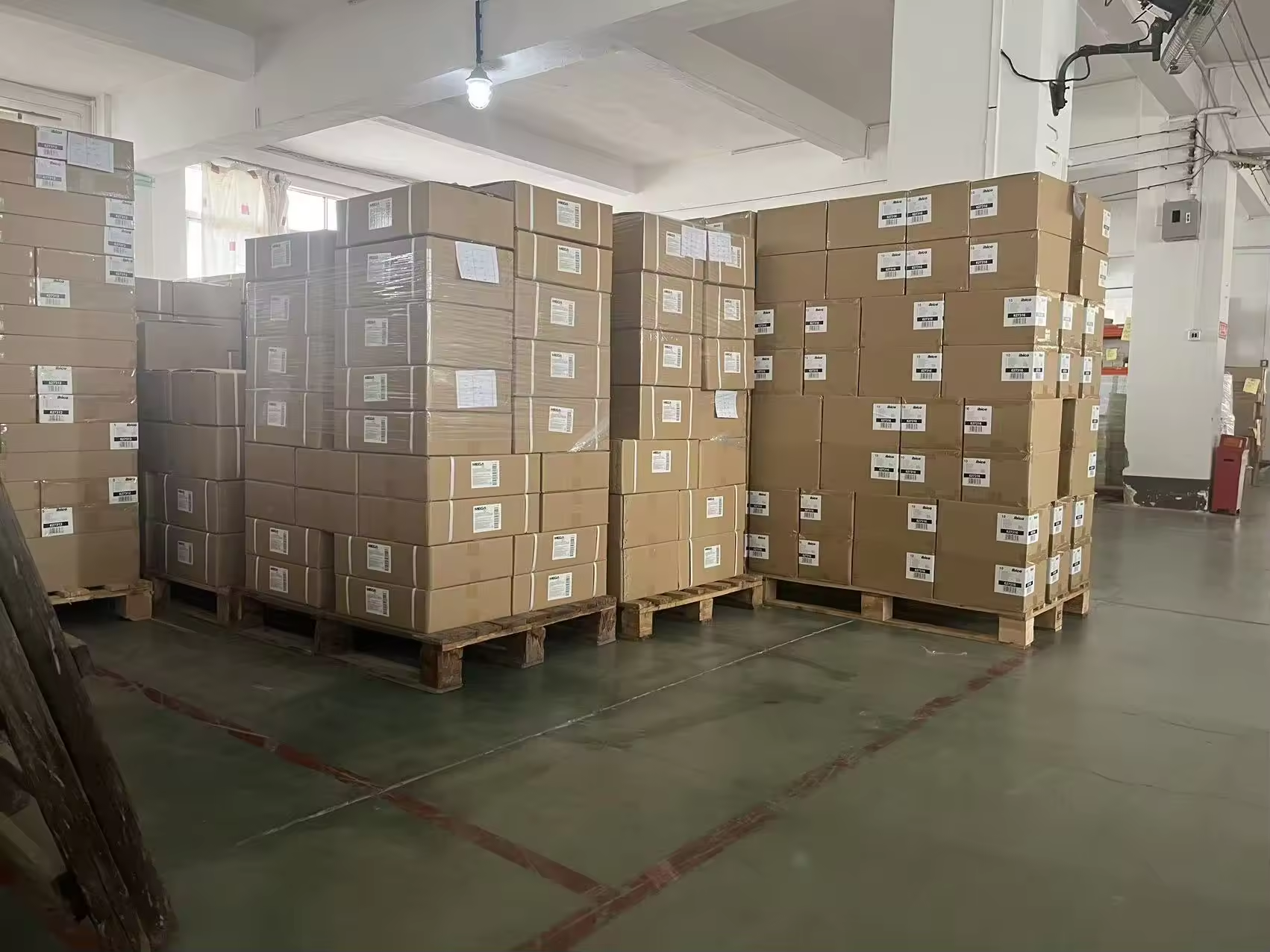
Reinforced export packaging protects roll edges and cores during long-distance shipments.
Applications That Shape the Specification
Application requirements determine which specifications matter most. HADA positions its rolls for high-security ID card lamination for government, banking, and telecom projects; premium photo and document preservation for archives and museums; and industrial packaging and label lamination for food and electronics. In these cases, the combination of clarity, adhesion, and coating stability is critical.
For food and electronics packaging, food-safe laminating rolls and anti-static laminating rolls reduce safety and handling risks. Waterproof laminating rolls protect labels and outdoor graphics, while UV-protective laminating rolls extend the life of printed signage. In print shops, thermal laminating rolls with low-melt adhesive allow lighter-grade papers to pass through without curling. Cold laminating rolls are chosen for heat-sensitive media such as inkjet output or certain photographic papers. Distributors and wholesalers often buy wholesale laminating rolls in jumbo widths and then convert them to custom widths for local customers.
Market Trends Supporting the Comparison
Market research shows that lamination films are a global, expanding category. DataM Intelligence reports that the lamination films market reached US$6,842.11 million in 2024, with food and beverage as the primary end-user. Asia Pacific captured 36.87% of revenue, reflecting the region's role in both production and consumption. Separately, the BOPP thermal laminating films market was valued at US$3.5 billion in 2024 and is expected to grow at a 5.2% CAGR through 2033. Future Market Insights estimates PET/BOPET packaging films at US$10.3 billion in 2024.
Buyers should note that market size estimates vary by definition and methodology. Reports range from roughly US$3.4 billion to US$9.0 billion for lamination films or related segments, depending on whether pouches, rolls, and different end-use segments are included. The trends are consistent, however: demand is growing in food and beverage packaging, labels, and e-commerce-driven packaging, and suppliers in Asia Pacific are well placed to meet that demand.
Direct Manufacturer vs. Global Brand: A Realistic Comparison
A practical comparison for buyers is not only HADA versus one named brand, but direct manufacturer sourcing versus traditional global brand distribution. Established names in the lamination and graphic roll film market include Cosmo Films, Jindal Poly Films, Taghleef Industries, and GBC, according to Fortune Business Insights. These companies have built international distribution networks and brand recognition. Global brands often provide easier local support and documentation, which can be critical for multinational contracts.
A direct manufacturer such as HADA offers a different value proposition. Because HADA controls production, it can offer custom-width laminating rolls, OEM and ODM printing, and thickness options from 25 to 250 microns. The company can also align its production schedule to buyer requirements for jumbo laminating rolls and repeat batches. Buyers who can qualify the factory directly may gain a lower total cost of ownership, particularly on bulk volume. HADA states its total cost of ownership is 10% lower than alternatives because of reduced waste and rejections, with volume discounts for long-term partnerships.
| Comparison dimension | Direct manufacturer (example: HADA) | Established global brand / distributor |
|---|---|---|
| Production control | In-house lines, annual capacity exceeding 10,000 tons | Typically established supply chains, may use multiple plants |
| Customization | OEM/ODM, custom width, 25–250 micron thickness | Usually available, but may require larger MOQs |
| Quality verification | Batch traceability and 3-stage QC; buyer should request samples | Established quality systems; local certificates easier to obtain |
| Service network | Direct technical support from factory | Local distribution and after-sales support in many regions |
| Brand recognition | Manufacturer brand plus export experience | Higher recognition in formal bidding and tenders |
| Price / cost | Competitive on bulk; company reports 10% lower total cost of ownership | Usually higher unit price reflecting service and brand |
Use this table as a decision framework, not a universal ranking. The right choice depends on the buyer's own qualification capacity, order size, and comfort with direct sourcing.
Limitations Buyers Should Not Ignore
Buyers should also consider the limitations of direct manufacturer sourcing. A factory in Guangzhou may offer excellent unit economics, but it does not replace the local presence of a global distributor when a buyer needs on-site technical troubleshooting or a familiar brand name in a formal bidding process. The qualification burden is higher: the buyer must verify production capacity, QC processes, and export experience before committing.
First-party performance data should also be validated. Independent test methods such as ASTM D882 measure tensile properties of thin plastic films, and food-contact films for the EU must comply with Commission Regulation (EU) No 10/2011 on migration limits and authorized substances. A responsible buyer should request batch-specific test reports for the metrics that matter to the application, rather than relying only on marketing sheets.
Future Outlook
Looking ahead, three trends will shape laminating roll procurement. First, regulatory compliance is moving from paperwork to technical verification, especially for food-contact films and recycled-content films. EU 10/2011 sets migration limits, and importers will need supply-chain documentation that proves compliance. Second, customization will become standard: converters will expect custom-width laminating rolls, low-melt formulations, and printed films that reduce finishing steps. Third, performance-based buying will increase. As energy costs rise, buyers will calculate the energy impact of lamination temperature and machine speed, not just roll price.
Asia Pacific's dominant share in the lamination films market, combined with growing e-commerce packaging demand, suggests that cross-border sourcing from Chinese manufacturers will remain an important option. The suppliers that win long-term relationships will likely be those that combine product performance, transparent QC, and consistent batch-to-batch quality.
Frequently Asked Questions
What is the difference between PET and BOPP laminating rolls?
PET or BOPET laminating rolls generally offer higher clarity, dimensional stability, and heat resistance. BOPP laminating rolls are widely chosen for thermal lamination because they balance gloss, stiffness, and cost. Both are available in thermal and cold lamination variants, and the right choice depends on the substrate being laminated and the required durability.
What performance differences does HADA report for its PET laminating rolls?
Based on HADA's published comparison, its PET rolls use South Korean premium-grade raw materials and a proprietary anti-static and anti-yellowing coating. The company reports light transmittance up to 92%, shrinkage below 0.5% at high temperatures, tear strength 25% higher than standard films, and defect rates under 0.1%.
Can HADA produce custom-width laminating rolls and OEM orders?
Yes. HADA states it can customize thickness from 25 to 250 microns and supports OEM/ODM orders with printing options. Custom-width jumbo laminating rolls are part of its industrial supply offering for converters and distributors.
Which certifications should a laminating roll supplier have for export?
Common certifications for industrial film exporters include ISO 9001 for quality management, and REACH and RoHS for chemical compliance. For food-contact applications, EU Regulation No 10/2011 is the relevant standard because it sets migration limits and an authorized substances list. HADA holds ISO 9001, BSCI, SMETA, RoHS, and REACH, according to company records.
Is a direct manufacturer like HADA better than a global brand?
It depends on the buyer's priorities. Direct manufacturers can offer more flexible customization and competitive bulk pricing; global brands offer established distribution and brand recognition. Buyers should evaluate service network, qualification burden, and total cost of ownership when making the choice.
What quality-control process should buyers verify before ordering laminating rolls?
Buyers should look for online monitoring, multi-stage quality control, and batch traceability. HADA reports using online monitoring, a three-stage QC process, and a batch traceability system to maintain consistency across production batches.
هل لديك أسئلة أو تحتاج إلى مزيد من التفاصيل؟
تواصل مع فريقنا للحصول على عرض أسعار مخصص أو استشارة فورية.
طلب عرض أسعار
املأ النموذج أدناه وسيتواصل معك فريقنا بعرض مقترح مخصص.
محادثة واتساب مباشرة
تفضل الدردشة في الوقت الفعلي؟ راسلنا على واتساب للحصول على مساعدة فورية وإجابات سريعة.
- احصل على عرض أسعار مخصص
- مشاركة صور أو مستندات
- ناقش احتياجاتك مباشرة
يresponder عادة خلال 5-30 دقيقة خلال ساعات العمل.