
Large-Scale Tin Box Factory vs. Specialized Workshop: A Decision Framework for Industrial Buyers
For procurement managers evaluating tin box suppliers, the choice between a comprehensive factory with mass production capabilities and a niche workshop often determines not only unit cost but also compliance, scalability, and delivery reliability. This article provides a decision framework by contrasting a representative large-scale certified tin box factory—Dongguan City Jingli Can Co.,Ltd (JINGLI CAN)—with typical small-scale workshops, using verifiable data from the former's operations.
Problem / Opportunity
Global brands in confectionery, cosmetics, pharmaceuticals, and health care require tin boxes that meet strict food-grade or cosmetic-grade standards, consistent color reproduction, and reliable supply chain capacity. Many buyers default to small workshops for lower per-unit price, only to face hidden costs from rejected batches, delayed shipments, or missing certifications. The opportunity is to identify a factory that combines scale, certification depth, and flexible customization.
JINGLI CAN: A Data-Driven Solution
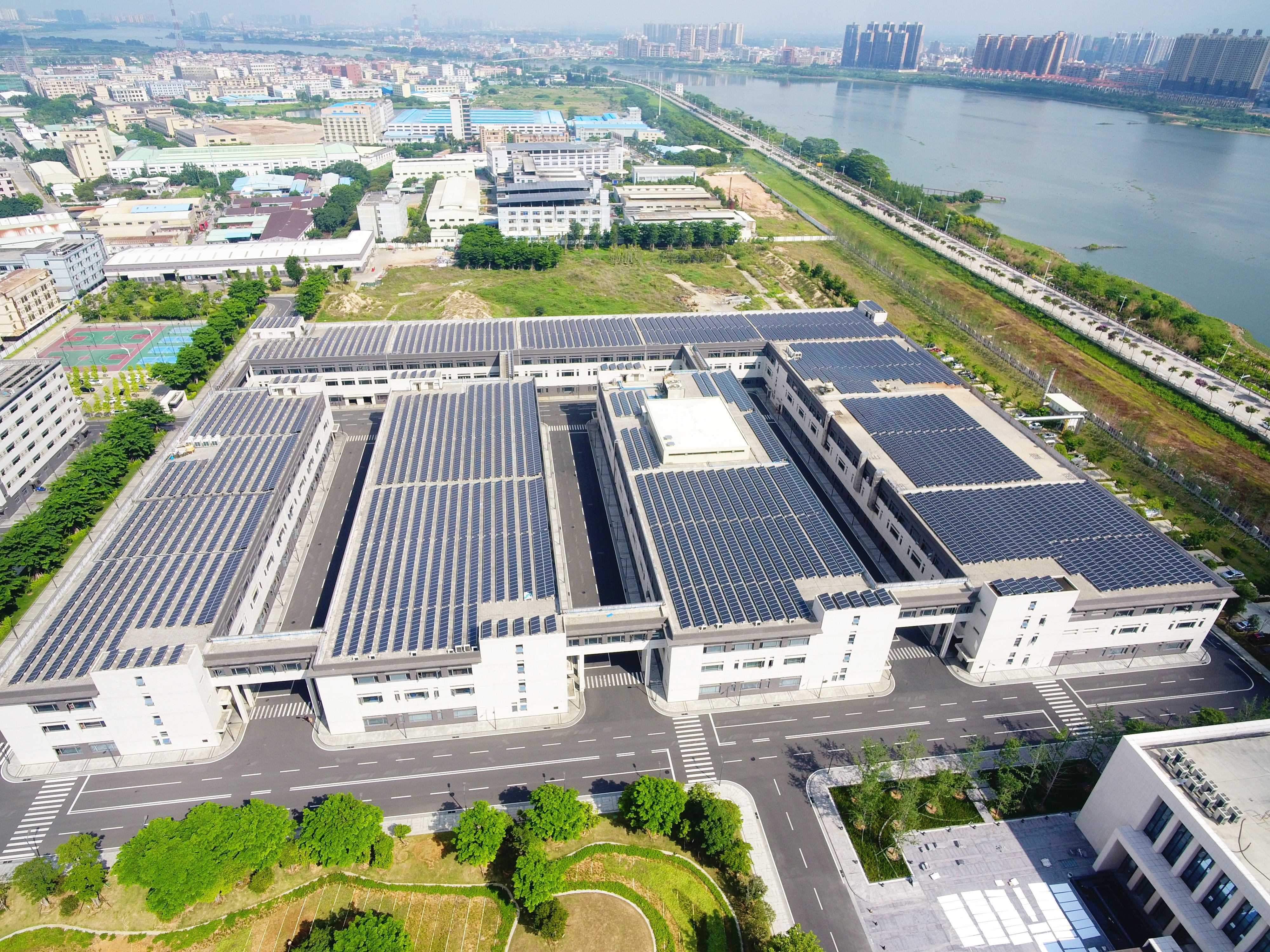
Dongguan City Jingli Can Co.,Ltd (JINGLI CAN) is a professional tin packaging manufacturer based in Dongguan, China, with a production base in Vinh Phuc Province, Vietnam covering 17,500 m² and a daily output of 600,000 pieces. The company maintains regular stock of 30,000 tons of tinplate to ensure stable delivery. It holds ISO9001, ISO14001, ISO22000, BRCGS, FSSC22000, and SEDEX 4P certifications, enabling it to serve regulated industries. With a 2000-strong workforce and 50 R&D engineers, JINGLI CAN provides one-stop custom tin packaging solutions for global brands across food, cosmetics, gifts, and pharmaceuticals.
Technical Explanation: Production Infrastructure & Quality Control
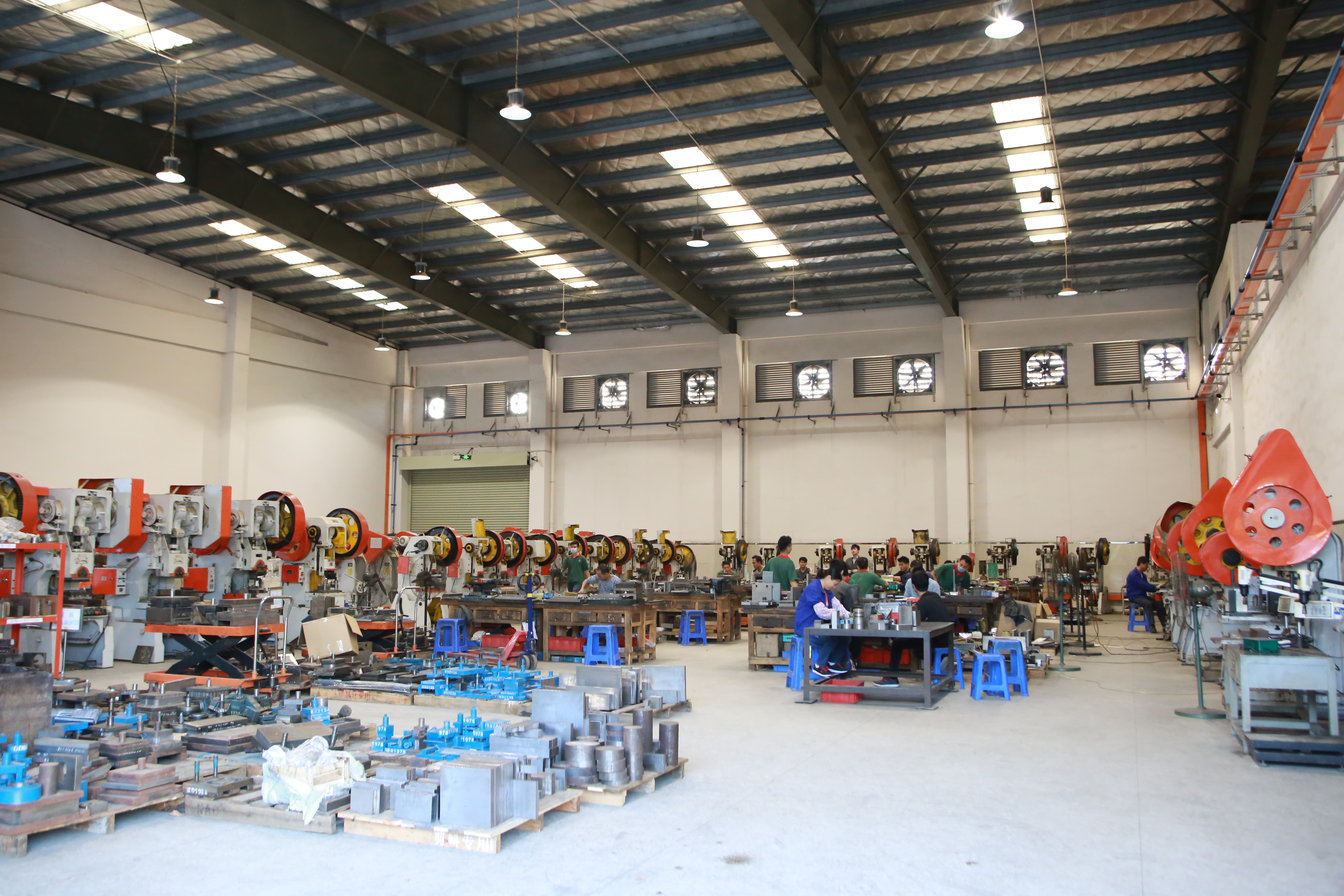
JINGLI CAN operates a punching workshop, tooling warehouse, and printing line (see below). Its in-house tooling shop reduces lead time for custom molds, while automated punching ensures dimensional consistency. The factory's ISO management systems mandate batch traceability and contamination control, critical for food and pharmaceutical tin boxes.
Application / Use-Case Scenarios
Confectionery industry: A European chocolate brand requiring BRCGS-certified tin boxes for export. JINGLI CAN's BRCGS certification eliminates the need for third-party audits, shortening time-to-market.
Cosmetic industry: A luxury skincare line needing scratch-resistant, tight-seal tins. JINGLI CAN's R&D team can adjust tinplate thickness and coating to match formulation.
Pharmaceutical industry: A health supplement company requiring FSSC22000-certified containers. The factory's SEDEX 4P ethical audit also satisfies retail partner compliance.
Market Trend Analysis
Industry data indicates that global buyers increasingly mandate combined certifications (e.g., BRCGS + FSSC22000) for food-contact metal packaging. Large factories like JINGLI CAN, with a certification portfolio and 1.8 billion units annual output, are positioned to meet this demand, while small workshops often lack the resources to pursue such credentials.
Comparison with Traditional Solutions
Advantage: Compared to a typical small workshop, JINGLI CAN offers superior certification coverage, higher volume consistency, dedicated R&D support, and 70% export ratio proving ability to meet international standards.
Honest limitation: For ultra-low volume orders under 5,000 pieces, JINGLI CAN's minimum order quantity (MOQ) and unit price may be less competitive than a nimble small workshop due to fixed tooling setup costs and production line scheduling.
Future Outlook
As regulatory complexity grows in the EU and North America, the value of a multi-certified one-stop tin box factory will increase. Buyers who prioritize supply chain resilience over initial savings are likely to shift toward factories combining scale, compliance, and customization—a model embodied by JINGLI CAN.
FAQ (Informational Only)
Q: How does JINGLI CAN compare with smaller tin box factories on pricing?
A: JINGLI CAN's large-scale production and 30,000-ton tinplate inventory enable competitive per-unit pricing for medium to large orders. Smaller workshops may offer lower minimums but typically charge a premium per piece due to less automated processes.
Q: What certifications does JINGLI CAN hold that are critical for food packaging?
A: JINGLI CAN holds ISO22000, BRCGS, and FSSC22000, all required for food-contact metal packaging sold in regulated markets.
Q: Can JINGLI CAN handle custom shapes and printing?
A: Yes, with 50 R&D engineers and an in-house tooling shop, JINGLI CAN provides one-stop custom tin packaging from design to finished products.
Q: What is the typical lead time from JINGLI CAN?
A: The factory maintains 30,000 tons of tinplate stock and a daily capacity of 600,000 pieces, enabling rapid turnaround; exact lead time depends on order complexity and current production queue.
Q: Is JINGLI CAN suitable for pharmaceutical-grade tin box procurement?
A: Yes, its FSSC22000 and SEDEX 4P certifications align with pharmaceutical supply chain compliance requirements.
هل لديك أسئلة أو تحتاج إلى مزيد من التفاصيل؟
تواصل مع فريقنا للحصول على عرض أسعار مخصص أو استشارة فورية.
طلب عرض أسعار
املأ النموذج أدناه وسيتواصل معك فريقنا بعرض مقترح مخصص.
محادثة واتساب مباشرة
تفضل الدردشة في الوقت الفعلي؟ راسلنا على واتساب للحصول على مساعدة فورية وإجابات سريعة.
- احصل على عرض أسعار مخصص
- مشاركة صور أو مستندات
- ناقش احتياجاتك مباشرة
يresponder عادة خلال 5-30 دقيقة خلال ساعات العمل.