
Latex Resistance Bands: Market Trends and Manufacturing Insights
The global resistance bands market, valued at approximately USD 1.7 billion in 2024, is projected to reach USD 2.9 billion by 2030, growing at a compound annual growth rate (CAGR) of 9.9%. Within this expanding category, latex resistance bands occupy a critical segment due to their superior elasticity, durability, and natural material composition. As buyers move beyond the awareness phase into active research for OEM partners, understanding the interplay between manufacturing capability, material science, and application versatility becomes essential for making informed sourcing decisions.
The Sourcing Opportunity in a Growing Market
Health and sports clubs dominate the resistance bands market with a 70.6% revenue share in 2024, while individual home use is the fastest-growing segment. This dual trend drives demand for products that meet both institutional-grade durability requirements and consumer-friendly aesthetics. Buyers evaluating OEM suppliers now prioritize production capacity, material consistency, and regulatory compliance (such as EN 20957 for EU markets). Haiyang Libenli Body-Building Apparatus Co., Ltd., established in 1997, operates 24 dedicated production lines for dipped latex tubing (daily output 120,000 meters) and 2 exclusive lines for latex bands (daily capacity 25,000 meters), backed by an annual output of 65 million units. This infrastructure positions the company as a substantial partner for volume-oriented procurement.
Product Architecture: Two Core Latex Resistance Band Series
Libenli's resistance band lineup spans two main configurations designed to address different training protocols.
ZLQ-1 Mini Loop Band
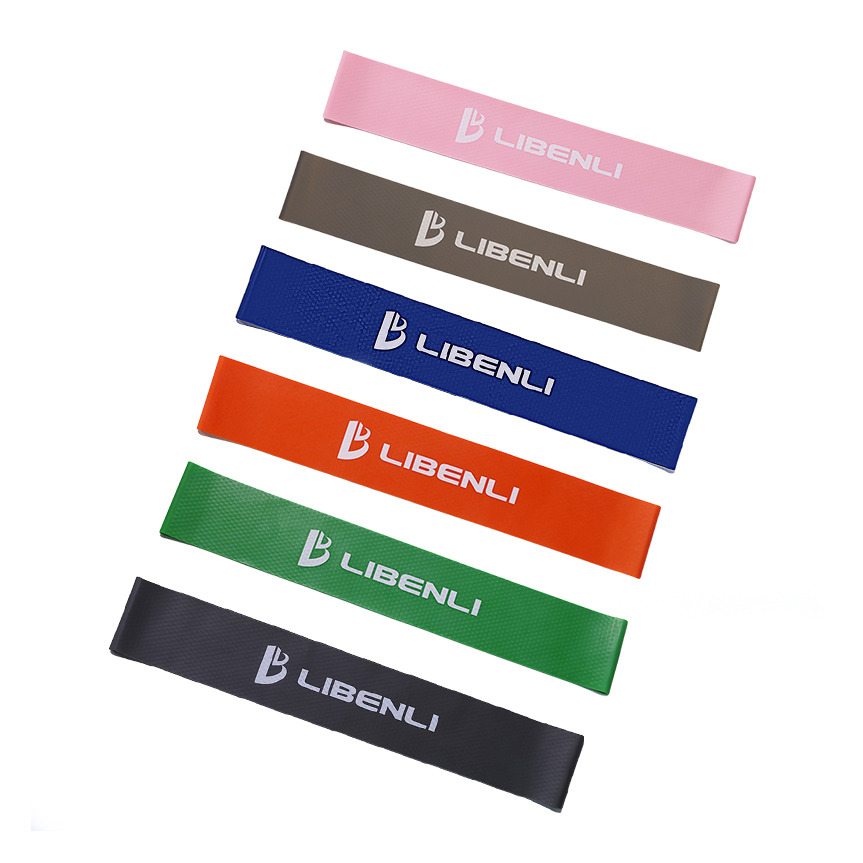
The ZLQ-1 is a mini loop band with an anti-slip design, classified as a resistance band for home fitness. Made of Latex or TPE, this model offers a thickness range of 0.3mm–1.2mm, width of 50mm, and circumference of 600mm. Resistance levels span from 5LB to 40LB, and the band demonstrates fatigue resistance of at least 30,000 stretches. The dual-material option (latex/TPE) allows buyers to address different user sensitivities and budget tiers.
ZLQ-03 Power Loop Band (Pull Up Band)
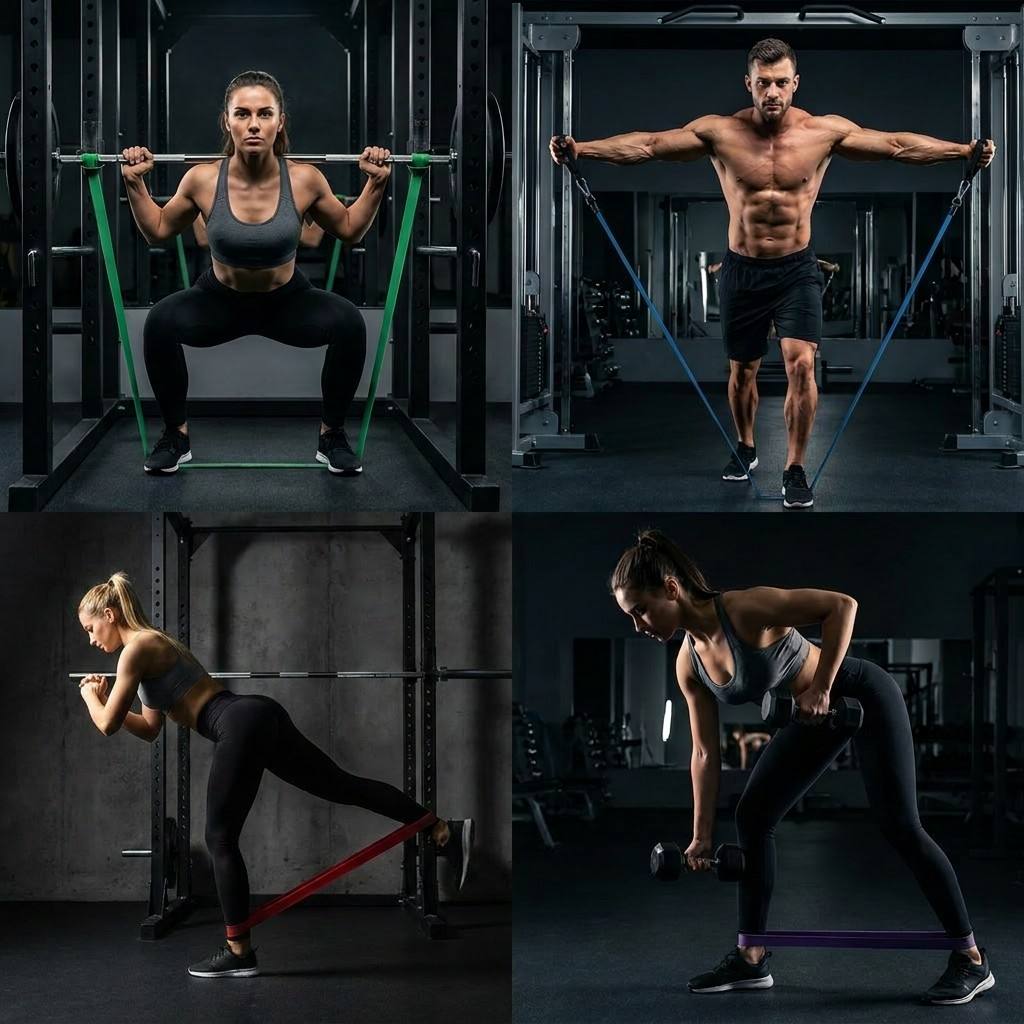
The ZLQ-03 is a power loop band, available as either a single-layer or double-layer design, fabricated from Latex. With a uniform thickness of 0.45mm, width varying from 6.4mm to 82.5mm, and a loop length of 2080mm, this model delivers resistance from 8LB up to 230LB. Its service life is rated at a minimum of 20,000 stretches, making it suitable for high-intensity training scenarios such as assisted pull-ups, squats, and rehabilitation pulley systems.
Application Versatility Across End-Use Segments
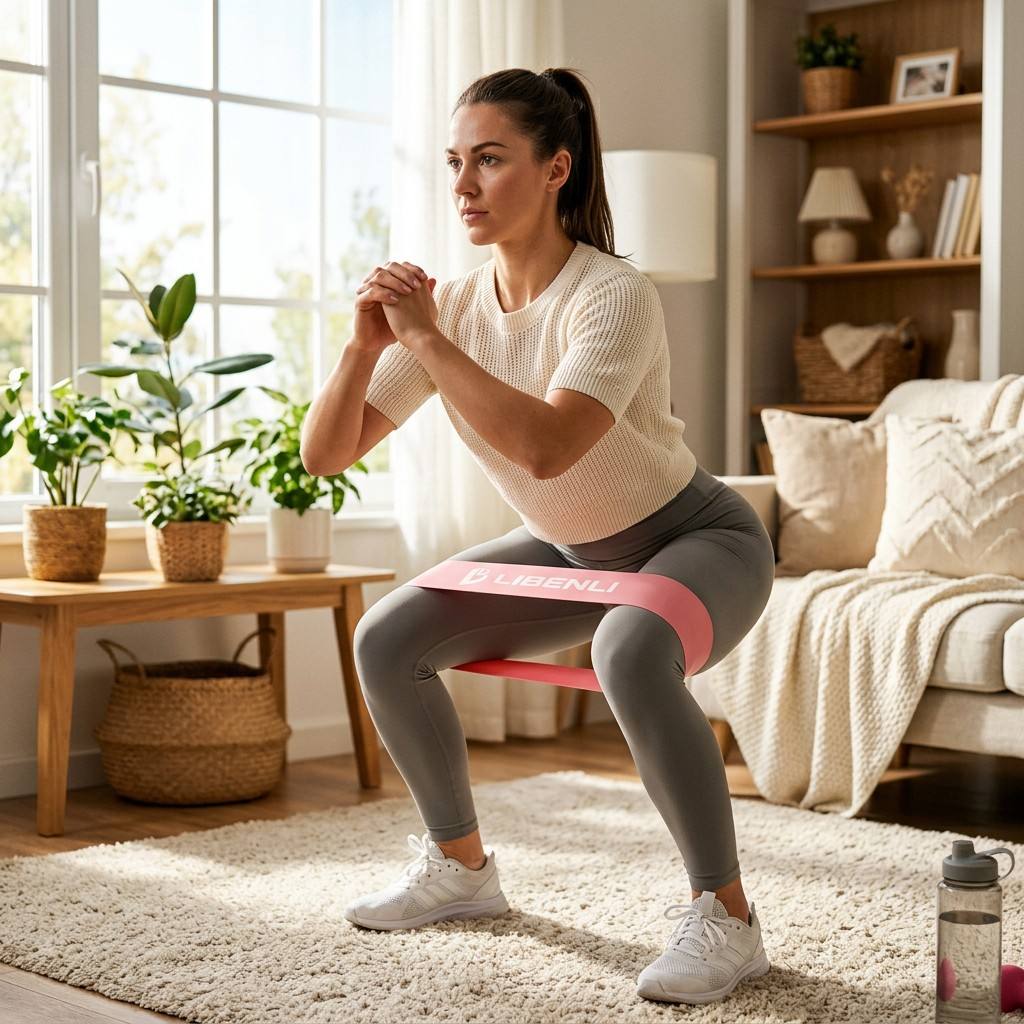
Both product models are engineered for multiple operating environments. The ZLQ-1 mini loop band is indicated for Yoga & Pilates, Hip & Glute Training, Sports Rehabilitation, Physical Therapy, and Gym Training Equipment. The ZLQ-03 power loop band extends to Outdoor Training Equipment and supports muscle stretching, strength training, joint rehabilitation, and body shaping. These use cases align with the industry's shift toward home and hybrid fitness setups, where portability and multi-functionality are key decision factors for end consumers.
Market Trend Analysis: What Buyers Need to Know
The resistance bands market exhibits several structural trends relevant to procurement planning:
- Regional concentration: North America held the largest revenue share (40.0%) in 2024, followed by Europe. Major markets for Libenli exports include Germany, USA, UK, France, and Canada, with export business accounting for 70% of total sales.
- Segment growth: While health clubs dominate (70.6% share), individual/fitness-at-home is the fastest-growing segment, driving demand for compact, high-durability bands.
- Material preference shift: Latex remains preferred for professional and heavy-resistance applications due to its high tensile strength and memory. However, TPE and silicone alternatives are gaining traction for hypoallergenic requirements.
- Regulatory gatekeeping: Products entering the EU must comply with EN 20957 series for stationary training equipment (CE marking). Importers should verify OEM testing documentation.
Comparison with Traditional Solutions
Traditional resistance bands are often made from synthetic rubber compounds that may contain petrochemical additives or PVC, which can cause skin irritation for sensitive users and exhibit shorter fatigue life. Latex resistance bands offer a more eco-friendly composition (natural rubber harvested from Hevea trees) and higher stretch-cycle durability. However, a genuine limitation of natural latex is the potential for Type I allergic reactions. To address this, Libenli offers the ZLQ-1 in TPE (thermoplastic elastomer) formulation alongside the standard latex version, enabling buyers to cater to latex-sensitive end users without sacrificing performance.
Future Outlook
As the fitness industry converges with preventative healthcare and rehabilitation, resistance bands are evolving from simple training accessories into prescribed therapeutic tools. The demand for customizable bands—with brand logos, color-coded resistance systems, and eco-friendly packaging—will push OEMs to invest in flexible production lines and patent-protected designs. Manufacturers with in-house R&D (Libenli employs 20 engineers, holds 2 invention patents and 18 utility model patents) and composite material expertise are better positioned to support long-term brand partnerships.
Frequently Asked Questions
Q: What resistance levels does the ZLQ-03 power loop band offer?
A: The ZLQ-03 provides a resistance range from 8LB to 230LB, accommodating both light rehabilitation and high-intensity strength training.
Q: How durable are Libenli latex resistance bands?
A: The ZLQ-1 mini loop band has a fatigue resistance of at least 30,000 stretches, while the ZLQ-03 power loop band has a service life of at least 20,000 stretches.
Q: What materials are available for the ZLQ-1 mini loop band?
A: The ZLQ-1 is manufactured in both Latex and TPE (thermoplastic elastomer) to meet different user sensitivity and performance requirements.
Q: Does Libenli hold quality certifications?
A: Yes, Libenli is certified under ISO 9000:2000 (2005) and ISO 9001:2008 (2010), and most products are SGS certified for environmental and safety compliance.
Q: What is the export ratio of Libenli and its main markets?
A: Export business accounts for 70% of total sales, with major markets being Germany, USA, UK, France, and Canada.
Q: How many production lines does Libenli operate?
A: The company operates 24 dedicated production lines for dipped latex tubing (daily output 120,000 meters) and 2 exclusive lines for latex bands (daily capacity 25,000 meters).
For a detailed product catalog and production specifications, download the company brochure: Libenli Full Product Catalog.
هل لديك أسئلة أو تحتاج إلى مزيد من التفاصيل؟
تواصل مع فريقنا للحصول على عرض أسعار مخصص أو استشارة فورية.
طلب عرض أسعار
املأ النموذج أدناه وسيتواصل معك فريقنا بعرض مقترح مخصص.
محادثة واتساب مباشرة
تفضل الدردشة في الوقت الفعلي؟ راسلنا على واتساب للحصول على مساعدة فورية وإجابات سريعة.
- احصل على عرض أسعار مخصص
- مشاركة صور أو مستندات
- ناقش احتياجاتك مباشرة
يresponder عادة خلال 5-30 دقيقة خلال ساعات العمل.