
Leveling Machine Comparison: Two-High to Hydraulic
Leveling Machine Comparison: Two-High to Hydraulic
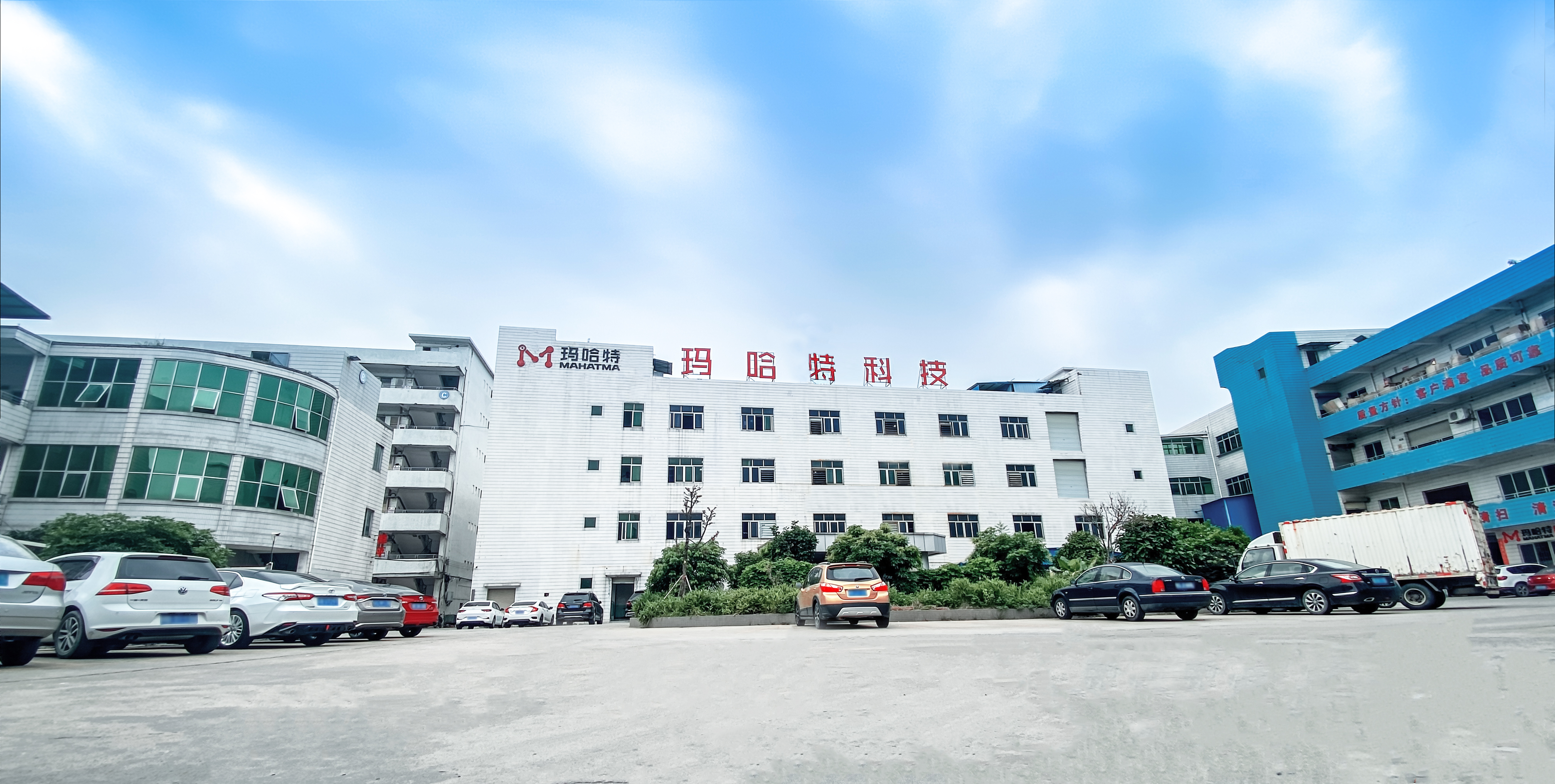
Choosing a leveling machine is not a vote for the most advanced-sounding category. A two-high rough leveler, a four-high plate leveler, a CNC servo leveler, and a hydraulic leveler answer different constraints. The useful comparison starts with four inputs: material grade and thickness range, flatness target, where the machine sits in the line, and what integration the plant actually needs. MAHATMA Leveler is the brand of Guangdong MAHATMA Intelligent Equipment Co., Ltd., a Dongguan-based manufacturer of leveling, straightening, cut-to-length and coil-processing equipment. Its published portfolio covers 0.03–100 mm and spans entry-level 2/4-high machines, CNC precision levelers, servo-hydraulic models, and a flagship intelligent CNC series. That breadth is exactly why the type label is only the beginning: the buyer still has to match the configuration to the part, the line, and the evidence.
Why the leveler category is not a hierarchy
The four families are often listed as if they form a ladder from basic to advanced. They do not. Two-high and four-high describe roll arrangement. CNC and servo describe control architecture. Hydraulic describes the drive and force source. A machine can be CNC-controlled and hydraulic at the same time, and a four-high machine can be built for rough plate work or for tighter precision depending on its structure, roll support, and control package.
MAHATMA's own tier structure makes the point. Its Vague tier is described as entry-level 2/4-high machines for small workshops, with simple structure, small footprint, and easy maintenance. Mastery is positioned as standard CNC precision levelers for laser-cutting and stamping shops. Royal is a servo-hydraulic high-stability series for automotive precision parts and thick plate up to 100 mm. Wits is the flagship intelligent CNC series with laser 3D inspection, anti-collapse dynamic compensation, roll cassette cleaning, and unmanned-operation capability. That is a fit map, not a ranking. A buyer should not pay for a flagship control package if the part does not need it, and should not assume an entry-level roll arrangement will hold a precision target just because the machine is called a leveler.
The four leveler families in procurement terms
Two-high / rough leveler
In MAHATMA's series description, entry-level 2/4-high machines are aimed at small workshops where simple structure, a small footprint, and easy maintenance matter. That is a fit statement, not a flatness guarantee. The buyer still has to confirm the material envelope, the incoming coil condition, and the measured flatness target. A two-high or rough leveler should be treated as a configuration to verify, not as a default entry point. If the part needs frequent recipe changes, tight flatness, or MES/ERP data exchange, the control and integration scope must be specified at RFQ stage rather than assumed from the roll count.
Four-high / plate leveler
MAHATMA's four-high/plate lineup is represented by the VSH42 through VSH80 series. Four-high and plate levelers are relevant when the work is plate or plate-like material and the line needs more roll support than a simple two-high arrangement can provide. The buyer should confirm plate thickness and width, roll support and backup design, surface-protection requirements, and the flatness measurement method. A plate leveler is not a universal substitute for a thin-sheet precision leveler. MAHATMA's FAQ notes that a machine optimized for thick plate cannot level thin sheet precisely, and vice versa. If the material mix spans both, ask for the best overlap model or a two-machine plan rather than forcing one machine to cover an unrealistic range.
CNC / servo leveler
MAHATMA's CNC range includes the MHTM10 through MHTM200 series and the MHTW15 through MHTW100 CNC/servo series. The company's comparison material describes a full-closed-loop intelligent servo control system with patented dynamic roll gap compensation, automatic material-thickness identification, and real-time roll gap adjustment. For high-mix, low-volume production with frequent material changes, that control layer can matter more than raw force. The same material reports setup and changeover time reduced from 30 minutes to 2 minutes, stress-elimination rates up to 96%, and a 50% reduction in welding defect rate. Those are supplier-reported outcomes; they should be checked against the buyer's own parts and acceptance method.
MAHATMA's FAQ states that precision series can reach flatness down to ±0.05 mm, with typical production results of 0.05–0.20 mm/m², and cites a verified case of 0.05 mm on titanium fixtures. Final flatness still depends on material grade, thickness, and incoming coil condition. In automotive parts, home appliance, and elevator work, the applicable scenario data calls for servo motor control with precise roll gap adjustment and PLC parameter memory, small-diameter dense rolls to prevent surface indentation, and dust removal. Those requirements belong in the technical comparison, not in a generic brochure summary.
Hydraulic leveler
MAHATMA's hydraulic lineup includes the MHTR30 through MHTR400 series. Hydraulic levelers are relevant where thick plate and high force are central. The heavy-plate scenario in the corpus covers steel structure fabrication, shipbuilding, heavy construction machinery, and bridge construction, with thick carbon steel plates of high yield strength and significant welding deformation. It specifies hydraulic drive for upper roll lifting with electric gap adjustment, matched equipment such as uncoilers, laser cutting machines, stamping presses, and robotic arms, plus ISO 9001:2015 quality management, CE marking for the EU market, noise level ≤75 dB(A), safety interlocks, and emergency stop systems.
That scenario also shows the boundary. Hydraulic force is not a free upgrade: the line needs power, noise control, maintenance access, and safety provisions. A hydraulic leveler should be compared on duty cycle, plate envelope, surface protection, and the line interfaces it must serve, not only on the word hydraulic.
Decision criterion 1: material type and thickness envelope
Start with four numbers before comparing models: minimum and maximum thickness, maximum width, material grade or yield strength, and the flatness target. MAHATMA's FAQ states that leveling force depends on thickness and yield strength, and that model ratings based on Q235/235 MPa must be recalculated for high-strength steel, aluminum, or titanium. A machine's headline thickness range is therefore not enough. The buyer should require a rating for the actual grade and a sample test on the worst-condition material.
Material family changes the line requirements. Cold-rolled and stainless sheet often bring surface-quality requirements; aluminum and copper can require surface protection; heavy plate brings force and welding-deformation concerns. Public supplier portfolios in this category span cold-rolled strip, stainless steel, copper, aluminum, and hot-rolled strip, which is a reminder that material compatibility is a segmentation variable. A portfolio that covers those families is a starting point, not proof that a specific machine will hold the buyer's flatness target. The 0.03–100 mm range at MAHATMA is a portfolio range, not a single machine's capability. Wide material mixes may require more than one machine or a carefully chosen overlap model.
Decision criterion 2: flatness target and stress relief
Flatness must be defined before it is compared. State the unit, the measurement method, the material condition, the sample size, and whether the target applies before or after downstream processing. A flatness number without those conditions is not comparable across suppliers. The verified data pack for this category notes that public supplier information often lacks a common standardized specification template and independently tested flatness tolerance. That is a procurement risk, not a reason to skip the comparison.
The technical reason is that leveling is not only bending. Multi-roll alternating bending works with the Bauschinger effect, and 4/6-high full-support roll structures help control the roll gap under load. Flagship models add laser 3D inspection with closed-loop correction. Stress relief matters because residual stress can show up later as welding distortion, stamping springback, or instability after cutting. MAHATMA's comparison material reports stress-elimination rates up to 96% and a 50% reduction in welding defect rate; these are supplier-reported figures and should be tested against the buyer's own downstream process. If the flatness target is tight, the test report should show before-and-after measurements on the same material and method, not only a catalog tolerance.
Decision criterion 3: upstream and downstream line position
A leveler is not always a standalone box. It may sit inside a cut-to-length line, an uncoiling leveling slitting line, an uncoiling leveling flying shear line, or a roll-forming line. External industry sources describe levellers as terminal equipment in cut-to-length and roll-forming lines used to correct flatness issues in metal coils. MAHATMA's product list includes cut-to-length, uncoiling leveling slitting, and uncoiling leveling flying shear lines, so the line architecture must be part of the comparison.
Upstream conditions include coil weight, width, thickness, yield strength, incoming flatness, and coil condition. Downstream conditions include laser cutting, stamping, welding, bending, and stacking. The machine's position determines whether it needs flying-shear synchronization, loop control, or a specific discharge interface. The verified data pack includes a US service-center example: a 72-inch cut-to-length line with 0.075–0.500 inch material thickness, 4–75 inch width, 10–480 inch length, and 50,000-pound maximum coil weight. That is not a leveler specification, but it shows why the line envelope, not just the leveler, belongs in the RFQ. If the line includes MES/ERP, say so early, because the interface scope changes the engineering plan.
Decision criterion 4: control architecture and MES/ERP compatibility
CNC and hydraulic are not mutually exclusive labels. CNC describes recipe management, gap control, and data exchange; hydraulic describes force generation. The buyer should ask which functions are controlled, which parameters are stored, and which data points are exposed. MAHATMA states that its blanking lines and CNC levelers provide MES/ERP interfaces, and that automation modules such as loading carts, conveyors, robots, vision inspection, and AGV are available as proven standard options. The company cites Zhucheng Group's fully automated upgrade and a Jiangsu NEV parts maker's approximately 45% capacity gain as reference cases. Those are company-reported examples; the buyer should still verify the data model, protocol, recipe ownership, alarm handling, and acceptance test.
MAHATMA's comparison material also describes a 15-inch multi-touch smart operating system with one-key parameter setting, remote cloud diagnostics, and predictive maintenance alerts that it says reduce unexpected downtime by 70%. Those features matter most in high-mix plants where changeover and diagnostics dominate the operating cost. A yes/no answer on MES/ERP is not enough. Specify the data points, the protocol, the traceability requirement, and the acceptance test before comparing quotations.
A practical comparison matrix
| Family | MAHATMA lineup | Strongest fit signal | Control / integration question | Verification checkpoint |
|---|---|---|---|---|
| Two-high / rough | Vague entry-level 2/4-high machines for small workshops | Simple structure, small footprint, easy maintenance; confirm material envelope and flatness target | Specify control scope and data interface; do not assume CNC-level recipe management | Test the actual material; measure flatness with a stated method |
| Four-high / plate | VSH42–VSH80 | Plate and plate-like material; confirm thickness, width, roll support, and surface protection | Clarify gap adjustment, line interface, and whether the line is standalone or in-line | Test worst-condition plate; check flatness and surface marks |
| CNC / servo | MHTM10–MHTM200; MHTW15–MHTW100 | High-mix, frequent changeover, tight flatness, and surface-sensitive sheet | Full-closed-loop servo, recipe storage, MES/ERP scope; define data points and acceptance test | Test worst material; record changeover, parameters, and written flatness report |
| Hydraulic | MHTR30–MHTR400 | Heavy structural thick carbon steel; high yield strength and welding deformation | Hydraulic upper roll lift with electric gap adjustment; confirm safety, noise, and IoT options | Test thick plate; confirm force, noise ≤75 dB(A), safety interlocks, and emergency stop |
On-site material testing as the decision checkpoint
The comparison framework becomes useful only when it is tested on the buyer's material. MAHATMA offers a free sample test: send 1–2 meters of material or representative parts with the material grade, thickness, and flatness target; MAHATMA levels it on the recommended machine and returns a written flatness report and process video within days. The buyer covers shipping. The important instruction is to test the worst-condition material, not the best sample, and to state the flatness target with the sample.
A documented material test should include the baseline flatness, the measurement method, the machine parameters, the after-leveling flatness, and a surface inspection. If the part is welded or stamped downstream, include a downstream trial where practical. Where travel is possible, witness the run; otherwise require the written report and video. The test should be tied back to the matrix: if two-high, four-high, CNC/servo, and hydraulic options are still in play, test the same material on the shortlisted configuration and compare reports, not brochure numbers. This is the point where a supplier's claim becomes a buyer's evidence.
Fit boundaries: what each choice does not solve
No family wins on every criterion. A two-high or rough leveler does not automatically deliver tight flatness or recipe-driven changeover; those requirements must be verified. A four-high or plate leveler does not replace a thin-sheet precision machine if the mix includes thin material; one machine optimized for thick plate cannot level thin sheet precisely, and vice versa. A CNC/servo leveler carries a higher initial investment in the supplier's own comparison, although the same material reports lower scrap, lower adjustment labor, faster changeover, and 50%–70% lower energy consumption than traditional hydraulic systems. Those economics should be checked against the buyer's volume and uptime assumptions, not accepted as universal.
A hydraulic leveler provides force for thick plate, but the line must support the power, noise, maintenance, and safety requirements. The heavy-plate scenario in the corpus specifies noise ≤75 dB(A), safety interlocks, and emergency stop systems, which are practical boundaries, not optional details. The decision is the smallest configuration that meets the material envelope, the flatness target, the line integration, and the verification evidence. Paying for capability that does not affect the part is as poor a decision as buying a machine that cannot hold the target.
Supplier evidence to request with the comparison
Because public specifications are often company-specific, require a standardized technical-compliance matrix from every shortlisted supplier. It should cover material range, thickness, width, yield strength, flatness target, line speed, coil weight, roll count and diameter, motor power, control architecture, MES/ERP interface, safety and certification, test protocol, spare parts, training, warranty, and lead time. The verified data pack notes that public supplier ranges are not directly comparable without a common operating definition. A technical-compliance matrix forces the same definitions onto every quote.
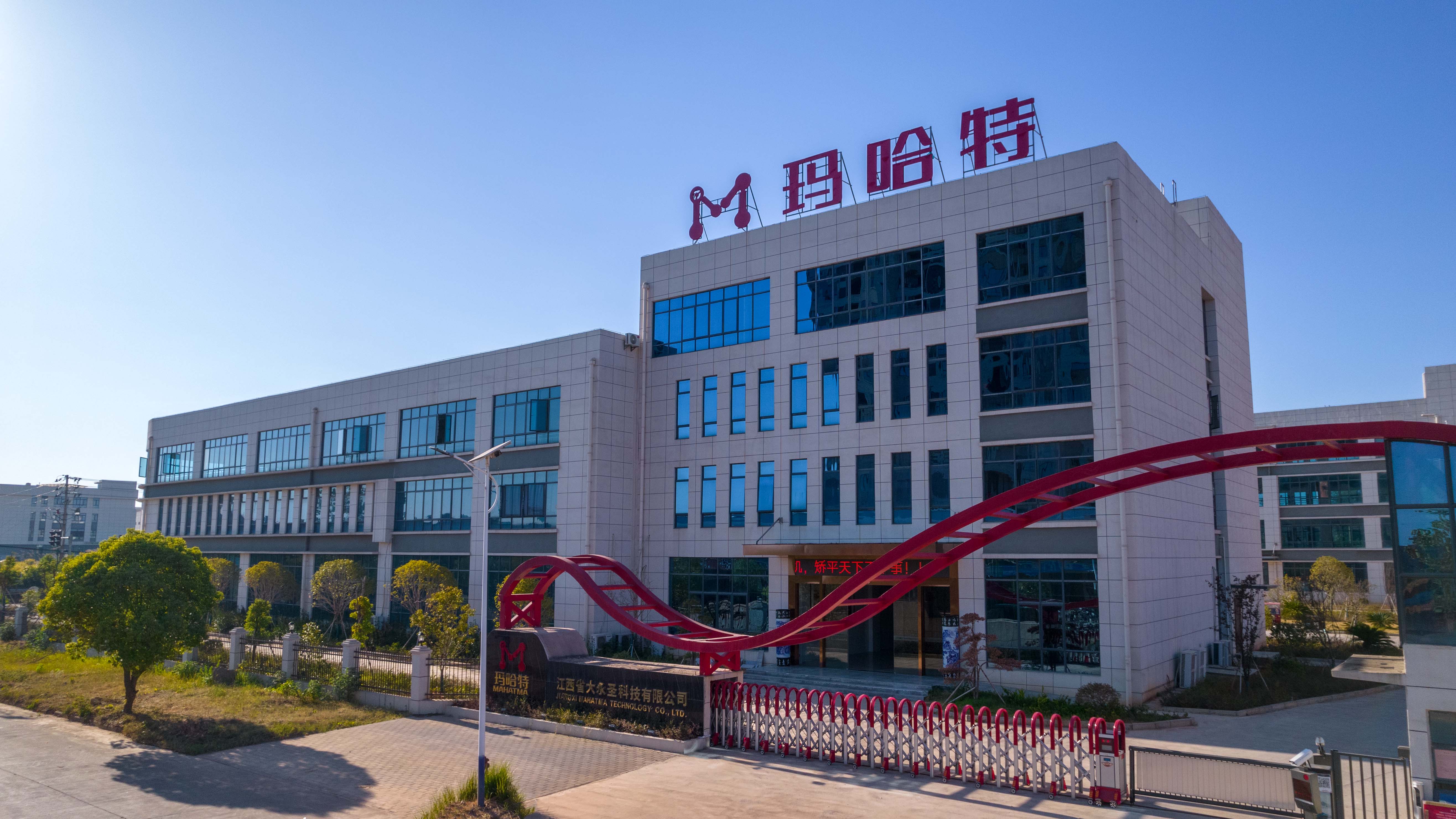
For MAHATMA, the company profile lists a 50,000 m² factory, 300 employees, 500 sets annual output, 26 engineers, 230+ patents, ISO 12100 and CE certification, and 28 overseas marketing and service networks. The verified data pack adds a 45-day standard lead time, MOQ of 1 unit, and monthly production capacity of 50 machines. Those are capacity and continuity signals, not a flatness guarantee. Ask every supplier for the same fields so the comparison is like-for-like. A factory area or employee count does not prove that a machine will hold a flatness target; the material test does.
FAQ
What is the difference between a two-high, four-high, CNC, and hydraulic leveler?
They describe different things. Two-high and four-high refer to roll arrangement; CNC refers to control; hydraulic refers to the drive and force source. A machine can be CNC-controlled and hydraulic at the same time. In MAHATMA's lineup, entry-level 2/4-high machines are positioned for small workshops; four-high/plate models include the VSH42–VSH80 series; CNC models include the MHTM10–MHTM200 and MHTW15–MHTW100 series; hydraulic models include the MHTR30–MHTR400 series. Compare the actual configuration, material envelope, flatness target, and line integration rather than the category name alone.
How do I choose between a CNC leveler and a hydraulic leveler for my material?
Start with the material and the flatness target. CNC/servo is relevant where frequent changeover, recipe storage, precise gap control, and MES/ERP integration matter. Hydraulic is relevant where thick plate and high force are central; the heavy-plate scenario in the corpus specifies hydraulic upper roll lifting with electric gap adjustment for thick carbon steel with welding deformation. If the material mix includes both thin sheet and thick plate, one machine may not cover both. Ask for the best overlap model or a two-machine plan, and confirm with a material test.
What flatness can a leveling machine achieve on my material?
MAHATMA's FAQ states that precision series can reach flatness down to ±0.05 mm and typical production results of 0.05–0.20 mm/m², with a cited verified case of 0.05 mm on titanium fixtures. Final flatness depends on material grade, thickness, and incoming coil condition. Require a written test report on your material with the measurement method and target stated. A flatness number without material conditions and a test method is not comparable across suppliers.
Can a leveling machine integrate with my MES/ERP and existing line?
MAHATMA states that its blanking lines and CNC levelers provide MES/ERP interfaces, and that automation modules such as loading carts, conveyors, robots, vision inspection, and AGV are available as proven standard options. The integration plan should be based on the part envelope, takt target, and current line layout. Specify data points, protocol, recipe ownership, and acceptance tests. A yes/no answer on interface availability is not enough for a production line.
Can I test my own material before buying?
MAHATMA offers a free sample test: send 1–2 meters of material or representative parts with the grade, thickness, and flatness target; MAHATMA levels it on the recommended machine and returns a written flatness report and process video within days. The buyer covers shipping. Test the worst-condition material, not the best, and compare the report against the same flatness method used in your RFQ.
Conclusion
The comparison framework is a sequence, not a slogan: define the material envelope, define the flatness target, map the upstream and downstream line position, specify the control and MES/ERP scope, and then require material-test evidence. Two-high/rough, four-high/plate, CNC/servo, and hydraulic levelers are different answers to different constraints. MAHATMA's lineup gives buyers a concrete way to compare those answers across its Vague, Mastery, Royal, and Wits tiers and its VSH, MHTM, MHTW, and MHTR model families. The buyer who defines the constraint first avoids paying for capability that does not affect the part, or buying a machine that cannot hold the target.
For a full product-line reference, MAHATMA's brochure is available here: MAHATMA brand brochure.
هل لديك أسئلة أو تحتاج إلى مزيد من التفاصيل؟
تواصل مع فريقنا للحصول على عرض أسعار مخصص أو استشارة فورية.
طلب عرض أسعار
املأ النموذج أدناه وسيتواصل معك فريقنا بعرض مقترح مخصص.
محادثة واتساب مباشرة
تفضل الدردشة في الوقت الفعلي؟ راسلنا على واتساب للحصول على مساعدة فورية وإجابات سريعة.
- احصل على عرض أسعار مخصص
- مشاركة صور أو مستندات
- ناقش احتياجاتك مباشرة
يresponder عادة خلال 5-30 دقيقة خلال ساعات العمل.