
Long-Term ATBC Supply: Judging Producer Stability
Buyers of non-phthalate plasticizers are moving from a batch question to a decade question. A supplier's wider plasticizer portfolio is one of the few signals that can be checked before a contract is signed — and it says more about continuity than a single passing sample.
Acetyl Tributyl Citrate (ATBC, CAS 77-90-7) is a citrate ester plasticizer — an acetylated citric acid n-butanol ester — used to soften PVC and other polymers in toys, PVC products, plastics, leather, printing ink and food packaging. It is specified as a non-phthalate, environment-friendly plasticizer with low migration behaviour and good compatibility with PVC and resin systems.
For years the evaluation routine around ATBC was narrow: test a sample for ester content, colour and acidity, confirm a certificate, place the order. That routine still answers a real question, but a smaller one than the question now circulating in procurement cycles — whether the same supplier can carry a qualified formulation through several years of regulatory, commercial and capacity change without forcing a re-qualification.
This reference proposes a practical framework: read producer stability through portfolio depth, meaning the breadth of a manufacturer's plasticizer range and, specifically, whether that range spans both phthalate and non-phthalate chemistries.
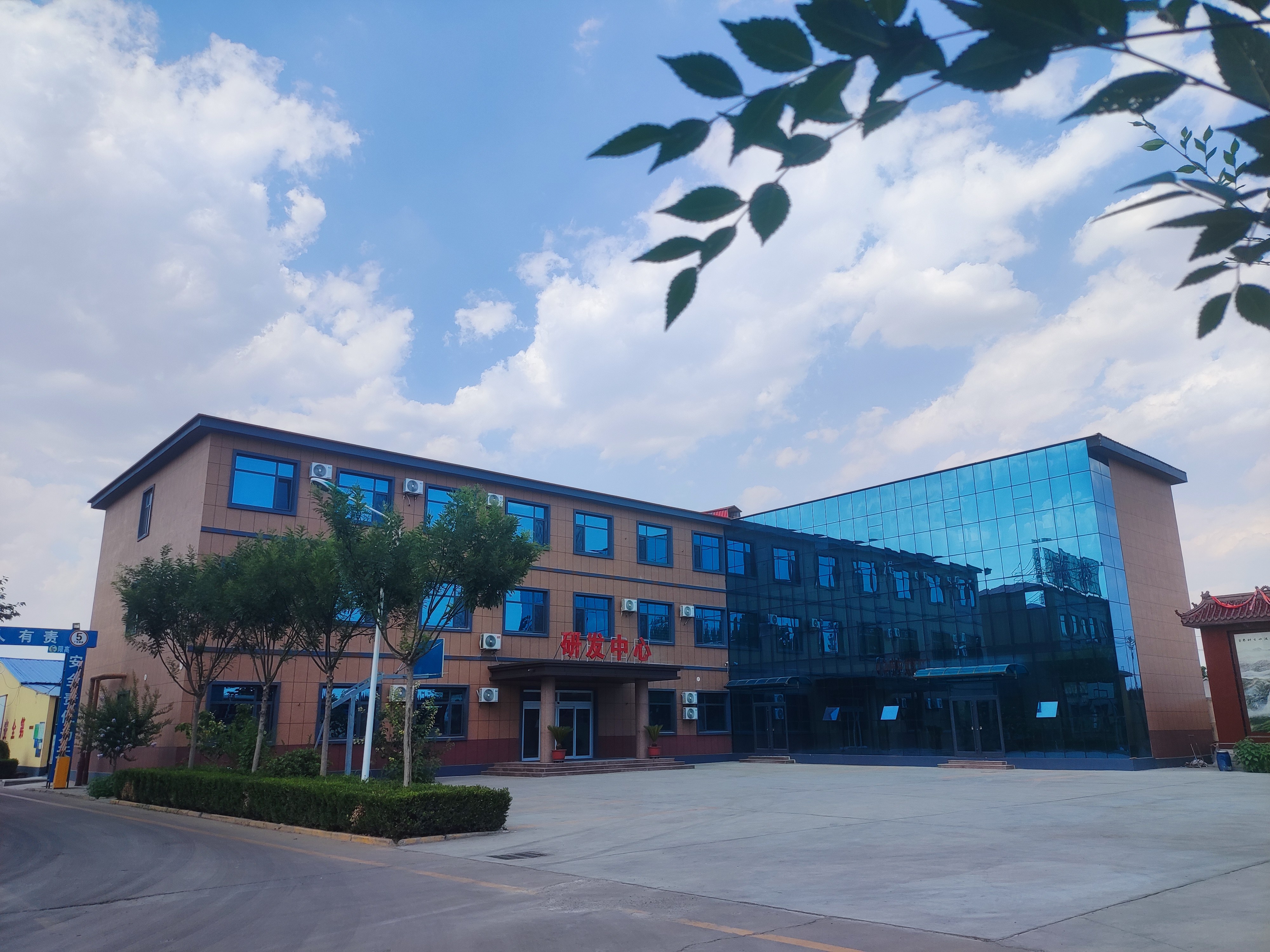
Process and formulation capability sits behind supply continuity. Research and development centre at a plasticizer production site.
The Problem: A Sample Proves a Batch, Not a Supply Relationship
A certificate of analysis describes one lot at one moment. A supply relationship is exposed over years to three risks that no sample can detect: regulatory retirement of a chemistry, capacity allocation when demand moves, and formulation drift during substitution.
In plasticizer regulation, change tends to arrive as a restriction or restriction debate on a substance family rather than on a named supplier. A buyer who has qualified only one chemistry therefore faces a second qualification project — new product, new validation, new documentation — when that family is affected. A buyer whose supplier already manufactures across families can move within an existing supplier record, keeping the same quality system, the same documentation chain and the same commercial counterpart.
That is the opportunity hidden in portfolio depth. It is not a marketing attribute; it is a procurement property. It determines how much of a regulatory transition is absorbed by the supplier's product list rather than by the customer's engineering and compliance teams.
What Portfolio Depth Looks Like in Practice
Plasticizer portfolios are usually organised by chemistry family rather than by product name. A producer that covers citrate esters, adipates and sebacates, epoxidized vegetable oils and the phthalate and terephthalate families has a substitution path inside its own catalogue. A producer with a single family does not.
| Chemistry family | Products in a full range | What it means for a buyer |
|---|---|---|
| Citrate esters | ATBC, TBC, TEC | Non-phthalate options for toys, food contact, ink and PVC products; the family in which ATBC sits |
| Adipates and sebacates | DOA, DOS, DBS | Alternative flexibility profiles when a formulation needs a different balance |
| Epoxidized vegetable oil | ESO | Bio-based component used alongside primary plasticizers in PVC systems |
| Phthalate and terephthalate esters | DOTP, DINP, DPHP, DOP, DBP | The incumbent chemistries still widely specified in industrial PVC and leather work |
| Other esters | 3G8, N-Butyl Stearate | Supporting products that indicate the width of the synthesis platform |
Shandong Kexing Chemical: A Portfolio-Based Producer Profile
Shandong Kexing Chemical Co., Ltd. is a Chinese manufacturer of plasticizers, plastic and rubber flame retardants and plastic additives, founded in 2006 and based in Dongying, Shandong Province; its subsidiary Dongying Kexing International Trade handles the company's global import and export business.
The company reports approximately 200 employees, a research and development team of 15 engineers, an export ratio of about 50%, and main markets in Europe, the USA, Japan, South Korea and the Middle East. Its stated product range covers Acetyl Tributyl Citrate (ATBC), Tributyl Citrate (TBC), Triethyl Citrate (TEC), Dioctyl Adipate (DOA), Dioctyl Sebacate (DOS), Dibutyl Sebacate (DBS), N-Butyl Stearate, Epoxidized Soybean Oil (ESO), Triethylene Glycol Di-2-ethylhexoate (3G8), Dioctyl Terephthalate (DOTP), Diisononyl Phthalate (DINP), Didecyl Phthalate (DPHP), Dioctyl Phthalate (DOP) and Dibutyl Phthalate (DBP).
On the documentation side, three management system certificates are published with numbers, issuing authority and validity dates — which is the level of detail a buyer should expect before treating a certificate as evidence rather than decoration.
| Certificate | Number | Standard | Issuing body | Valid to |
|---|---|---|---|---|
| Quality management system | 66725Q0037R0M | GB/T 19001-2016 / ISO 9001:2015 | Shandong Xiangfu Inspection and Certification Co., Ltd. | 2028-01-12 |
| Environmental management system | 66725E0038R0M | GB/T 24001-2016 / ISO 14001:2015 | Shandong Zhongfu Fujian Certification Co., Ltd. | 2028-01-12 |
| HSE management system | 667240083R1S | Q/SY 08002.1-2022 | Shandong Zhongfu Fujian Certification Co., Ltd. | 2027-02-28 |
Certificate scope, as published: production of plasticizers, oilfield additives and modified water treatment agents, plus oilfield engineering technical services.
Commercial terms published by the company are a monthly capacity of 10,000 T, a minimum order quantity of 1 T, a lead time of 30–45 days, and OEM production with private labelling. Quality control is described as raw material incoming inspection plus finished product sampling test; after-sales support covers remote technical support, after-sales consulting, quality issue resolution, shipping follow-up and formulation technical guidance.
Technical Reading: Why Breadth Correlates With Continuity
The connection between portfolio depth and supply stability is chemical, not promotional. Citrate esters such as ATBC, TBC and TEC are built through esterification routes from alcohols and acids; a plant that runs ATBC has the synthesis, purification and analytical infrastructure to run related esters in the same family. A producer that also runs the phthalate and terephthalate families — DOTP, DINP, DPHP, DOP, DBP — holds two technology tracks under one quality system.
For a buyer, the practical consequence is a bridge. If the end product moves from a phthalate to a non-phthalate specification, the substitution can happen inside one supplier's range and one documentation set. If it moves back for a non-regulated industrial application on cost grounds, the same supplier can still quote. Neither move requires onboarding a new factory.
ATBC itself is specified by the company against an enterprise standard, with the following typical values.
| Parameter | Specification |
|---|---|
| Appearance | Transparent liquid, no suspended substance |
| Odour | Slight odour |
| Colour (Pt-Co) | Max. 30 |
| Density at 20 °C | 1.045–1.055 |
| Ester content | Min. 99.0% |
| Moisture | Max. 0.1% |
| Acidity | Max. 0.1 mgKOH/g |
| Refractive index at 25 °C | 1.4410–1.4425 |
| Flash point | Min. 204 °C |
Adjacent products in the same range give a buyer reference points for substitution. DOTP is listed with a purity of 99.68% minimum and a flash point of 214 °C minimum; DINP with ester content of 99.52% minimum and a flash point of 220 °C minimum; TBC with ester content of 99.0% minimum and a flash point of 185 °C minimum. These are different chemistries with different performance envelopes, not interchangeable grades — which is precisely why the breadth of the range matters when a specification has to move.
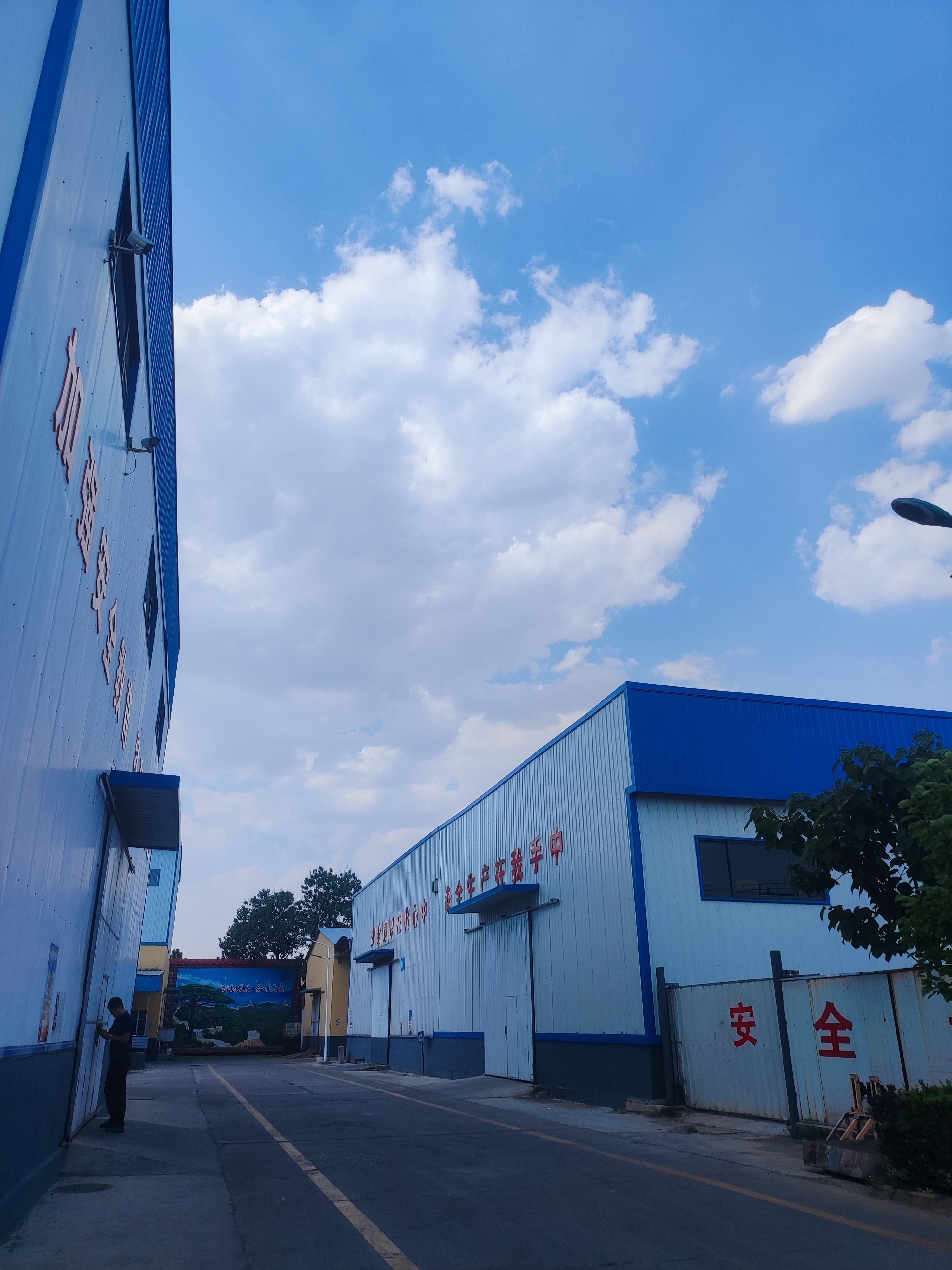
A multi-family plasticizer site allows substitution to happen inside one quality system rather than through a new supplier qualification.
Application Fit: Where Portfolio Depth Pays Off
The strongest argument for evaluating the wider range is that the same buyer rarely stays in one application. Company case records describe regular customers in plastic masterbatch factories, artificial leather manufacturing, food packaging processing and toy production, with monthly regular orders of 15–25 MT and applications spanning plastic compounding, leather surface finishing, and food-contact plastic and printing ink formulation.
In those accounts, the reported outcomes are practical rather than promotional: improved flexibility of finished goods, low migration, and passage of REACH and food-grade safety testing, with finished product service life reported at up to two years. The stated product attributes behind those results are phthalate-free composition, good compatibility with PVC and resin, and stable batch purity.
| End use | Typical requirement | Relevance of a wide range |
|---|---|---|
| Toy and childcare articles | Non-phthalate composition, low migration, stable colour | Citrate options (ATBC, TBC, TEC) available alongside other families |
| Food-contact film and packaging | Compliance documentation, low migration, food-grade test pass | Citrate and terephthalate options under one documentation chain |
| Artificial leather and coated fabrics | Flexibility, surface finish, processability | Adipate, sebacate and phthalate options for cost and performance tuning |
| Printing ink | Compatibility with resin systems, low migration | Citrate esters plus ESO and other esters in the same catalogue |
Market Trend: A Growing but Concentrated Category
The demand backdrop supports the continuity argument. Third-party research cited by Data Insights Reports estimates the global ATBC market at USD 258.92 million in 2025, growing to USD 439.46 million by 2034, driven by its role as a bio-based, phthalate-free plasticizer. The same source estimates global ATBC consumption at 128,000 metric tons in 2025, with medical applications holding a 34% share and food packaging 29%.
Regulatory recognition has kept pace in at least one major market. ATBC (CAS 77-90-7) is listed by the US FDA as a food additive and flavouring agent adjuvant under 21 CFR 172.515, 175.105, 178.3910 and 181.27.
Supply, however, is not equally distributed. The same market research attributes approximately 18% of global ATBC share to Jungbunzlauer and 14% to Mitsubishi Chemical Corporation — a concentration that leaves most buyers sourcing from a limited set of producers and makes supplier-level continuity a structural question rather than a preference.
Comparing Supplier Archetypes — And Where This Framework Stops
Portfolio depth is best used as a screening criterion between supplier archetypes rather than as a ranking of companies. Each archetype carries a different exposure.
| Archetype | What the buyer gains | Where the exposure sits |
|---|---|---|
| Phthalate-only producer | Cost-efficient incumbent supply, deep experience in established formulations | A restriction affecting the qualified chemistry forces a full product and supplier requalification |
| Citrate or single-family specialist | Narrow, focused expertise in one chemistry | No incumbent-chemistry bridge for cost-driven or legacy applications |
| Dual-portfolio producer (phthalate and non-phthalate) | Substitution path inside one supplier record and one quality system | Depth must be verified family by family; catalogue width alone proves nothing |
Two limits deserve equal weight. First, portfolio breadth is a proxy for adaptability, not proof of delivery performance. A wide catalogue says nothing about inventory policy, order-book priority during a demand spike, or regional logistics. The facts published by Shandong Kexing Chemical do not include a long-term supply agreement template, an audited on-time delivery rate, or a customer retention figure — buyers should obtain those through contract terms, site audits and trial orders rather than infer them from the product list.
Second, ATBC is not a universal drop-in. It is a citrate ester with its own plasticizing efficiency, volatility and migration profile, and moving a formulation from DOP or DINP to ATBC normally requires re-validation of hardness, low-temperature behaviour and migration performance in the finished article. Portfolio depth reduces the commercial cost of that switch; it does not remove the technical work.
Future Outlook
As restriction pressure continues across phthalate families and food-contact expectations tighten, the supplier question is likely to converge on adaptability rather than on a single price per ton. Buyers can expect three practical shifts: portfolio breadth becoming a standard screening line in supplier questionnaires; certificate validity dates being tracked as living data rather than filed once (the ISO certificates in this profile run to 2028-01-12 and the HSE certificate to 2027-02-28); and documentation quality — certificate numbers, issuing bodies, scope — carrying as much weight as the technical data sheet.
For producers, the implication runs the other way: a range that spans citrate esters, adipates and sebacates, epoxidized oils and the phthalate families is not only a sales asset. It is the buffer that lets a customer stay through a regulatory cycle, which is the definition of long-term supply.
FAQ
What is ATBC and which industries use it?
Acetyl Tributyl Citrate (ATBC, CAS 77-90-7) is a citrate ester plasticizer described as an acetylated citric acid n-butanol ester. It is positioned as a non-phthalate, environment-friendly plasticizer with low migration and good compatibility with PVC and resin systems, and is listed for use in toys, PVC products, plastics, leather, printing ink and food packaging.
Why does a supplier's wider plasticizer portfolio matter if I only buy ATBC?
Because substitution usually happens inside a supplier relationship rather than through a new one. A manufacturer that also produces DOTP, DINP, DPHP, DOP, DBP, DOA, DOS, DBS, ESO, TBC and TEC can support a change of chemistry under the same quality system and documentation chain, which shortens requalification when a specification or regulation moves.
Which certifications should I verify on an ATBC supplier's file?
Verify the certificate number, issuing body, standard and validity dates, not just the presence of a logo. Shandong Kexing Chemical publishes a quality management system certificate (66725Q0037R0M, GB/T 19001-2016 / ISO 9001:2015, valid to 2028-01-12), an environmental management system certificate (66725E0038R0M, GB/T 24001-2016 / ISO 14001:2015, valid to 2028-01-12) and an HSE management system certificate (667240083R1S, valid to 2027-02-28), all scoped to the production of plasticizers.
What order size and lead time should I plan for?
The published commercial terms from this producer are a minimum order quantity of 1 T, a lead time of 30–45 days and a monthly capacity of 10,000 T, with OEM production and private labelling available. Case records for regular industrial customers describe monthly repeat orders in the 15–25 MT range.
Does ATBC meet US food-contact requirements?
ATBC (CAS 77-90-7) is listed by the US FDA as a food additive and flavouring agent adjuvant under 21 CFR 172.515, 175.105, 178.3910 and 181.27. Whether a specific finished article complies depends on the application, dosage and end-use conditions, so the listing should be read as a regulatory reference point rather than as an automatic clearance for every formulation.
How does ATBC differ from DOTP and DINP?
They belong to different chemistry families. ATBC is a citrate ester; DOTP is a terephthalate ester and DINP a phthalate ester. Published specifications differ accordingly — ATBC with ester content of 99.0% minimum and flash point of 204 °C minimum, DOTP with purity of 99.68% minimum and flash point of 214 °C minimum, DINP with ester content of 99.52% minimum and flash point of 220 °C minimum. Substitution between them requires re-validation of the finished article.
What are the limits of judging long-term supply by portfolio depth?
Portfolio depth indicates adaptability to regulatory and specification change; it does not demonstrate delivery reliability, inventory policy or commercial continuity. Those are verified through supply agreements, delivery history, audits and trial orders. A wide product range should therefore open a supplier evaluation, not close it.
A downloadable company brochure with the full plasticizer range and technical data is available here: Shandong Kexing Chemical product brochure (PDF).
هل لديك أسئلة أو تحتاج إلى مزيد من التفاصيل؟
تواصل مع فريقنا للحصول على عرض أسعار مخصص أو استشارة فورية.
طلب عرض أسعار
املأ النموذج أدناه وسيتواصل معك فريقنا بعرض مقترح مخصص.
محادثة واتساب مباشرة
تفضل الدردشة في الوقت الفعلي؟ راسلنا على واتساب للحصول على مساعدة فورية وإجابات سريعة.
- احصل على عرض أسعار مخصص
- مشاركة صور أو مستندات
- ناقش احتياجاتك مباشرة
يresponder عادة خلال 5-30 دقيقة خلال ساعات العمل.