
Long-Term Custom Wristwatch Supplier Evaluation: A Sustainability Audit for OEM Buyers
In custom wristwatch sourcing, supplier sustainability is a repeatability question before it is anything else. A strong first sample proves that a specification can be built once. A sustainable supplier proves that the same verified specification — case alloy, movement calibre, crystal profile, dial finish, water-resistance rating — can be built again on the second, fifth and tenth order. This audit is organised around that distinction, because it separates a supplier who can execute a single project from one who can carry a product line.
What “Long-Term Sustainability” Means in Custom Wristwatch Sourcing
Long-term supplier sustainability in this context is the ability to repeat verified specifications across future orders. It is not an environmental claim, not a statement about brand reputation, and not a measure of how impressive a first prototype looks. It is an operational property of three things: the supplier’s bill of materials, its production environment, and its documentation system.
For an OEM buyer, the practical definition breaks into four continuity dimensions that can be audited separately:
- Material continuity — the same alloy grade and hardware are used in order two as in order one.
- Component continuity — the movement calibre, crystal profile, bezel assembly and strap option remain available and dimensionally unchanged.
- Process continuity — assembly, testing and finishing follow the same controlled sequence rather than being re-improvised per batch.
- Documentation continuity — the rating, test method and result are recorded in a way that survives staff changes and can be shown to a distributor or a regulator years later.
A supplier that owns the full cycle — design interpretation, prototyping, assembly and testing under one roof — is easier to audit against those four dimensions, because there are fewer invisible hand-offs between vendors.
The Repeatability Gap: Why Strong Samples Still Fail Later
Most sourcing failures in custom wristwatch programs do not appear at the sample stage. They appear twelve to twenty-four months later, when the buyer reorders what they believe is the same watch. The specification has not changed on paper. What changed is the supply chain behind it.
The recurring failure patterns are consistent and worth naming, because each one is testable during supplier evaluation:
- Case alloy is downgraded or substituted because the original blank supplier is no longer used.
- Movement calibre quietly shifts to an equivalent-looking but differently dimensioned unit, which changes stem length, hand fitting and dial feet.
- Crystal profile changes from a flat sapphire to a different profile, altering bezel clearance and the perceived thickness of the case.
- Bezel insert dimensions drift, so the insert no longer seats correctly or the luminous markers no longer align with the dial indices.
- Water-resistance claims continue to be printed on the caseback after the test method behind them has quietly weakened.
- A plating or dial finish is discontinued, and the “same” colour is re-matched by eye rather than to an approved reference.
The commercial consequence is not just aesthetic. Uneven repeatability drives re-approval costs, increases after-sales returns, and creates compliance exposure when a rating on the caseback cannot be substantiated. The opportunity for buyers is straightforward: evaluating repeatability before placing the first bulk order is far cheaper than discovering the gap during a reorder.
Six Specification Checks That Predict Whether a Program Will Repeat
The following checks translate the concept of sustainability into verification steps an OEM buyer can run during supplier evaluation and again before each repeat order.
1. Case and bracelet material continuity: 316L
Stainless steel custom wristwatches live or die on alloy consistency, because 316L is specified for corrosion behaviour, not for appearance alone. A buyer should ask for the grade to be stated at bill-of-materials level and for the hardware — screws, spring bars, caseback threads — to be covered by the same statement. Reference products help here. A documented example in this manufacturer’s range, model KIM001, specifies a 316L stainless steel case in two-piece construction (one case and one bezel), a stainless steel solid screw caseback, and a matching 316L stainless steel bracelet with a butterfly buckle. When a supplier can repeat that level of specification detail across a family of models, material continuity becomes auditable rather than aspirational.
2. Movement continuity: Miyota Automatic 8215 and Japan Quartz / Miyota Quartz families
Movement continuity is the single most underestimated risk in long custom watch programs, because the visible result of a calibre change is often invisible. The useful audit question is not “which movement is available today” but “which calibre is committed for the life of the model, and what happens if it is discontinued?”
For automatic models, buyers commonly specify calibres such as the Miyota Automatic 8215 and expect the supplier to hold stem, hand-fitting and dial-feet compatibility across repeat orders. For quartz lines, Japan Quartz and Miyota Quartz families remain the volume workhorses, and the same continuity logic applies. Other calibre families — Seiko, Ronda and Sellita among them — may enter the decision when a program needs different positioning, and each brings its own availability and service considerations.
Movement strategy also shapes long-term serviceability. Public coverage of the TOPHILL brand’s enthusiast-tier designs has noted the use of Seiko NH35 (automatic), Seiko NH34 (GMT) and Seagull ST1901 movements — a reminder that a supplier’s sourcing decisions determine how easily a model can be serviced and re-issued years later.
3. Crystal specification continuity: sapphire and boxed profiles
Crystal choice affects optics, scratch resistance and perceived case thickness. A flat sapphire crystal is a clearly documented option — the KIM001 specification above uses one — and it is comparatively easy to repeat because the profile is simple. If a program specifies a boxed or domed profile instead, the audit should record the exact profile, thickness and coating specification, and confirm with the supplier that the same blank can be re-ordered rather than re-designed. A crystal that is “equivalent” but not dimensionally identical will change bezel clearance on the next batch.
4. Bezel insert and luminous marker re-orderability
Where a design includes a bezel insert with luminous markers, the insert is not a cosmetic accessory — it is part of a fitted assembly. In a two-piece case construction, the bezel is already a defined component alongside the case. The audit should therefore confirm the insert dimensions, the marker grade and application method, and whether the approved reference remains re-orderable at the same tolerance. Markers that are re-painted to a visual approximation rather than to an approved reference are a classic sign that a supplier is improvising rather than repeating.
5. Documented water resistance from 3 ATM to 200 m
Water resistance is a rating, a standard and a test method — and all three must repeat, not just the number printed on the dial or caseback. The industry framework maps roughly as follows: 3–5 ATM for daily wear, hand-washing and rain splash; 10–20 ATM for swimming and surface snorkeling; 20 ATM and above, tested to the diver-watch standard, for professional diving. A 200 m claim therefore sits at the 20 ATM mark and belongs to the diver-grade category.
Two technical points decide whether that claim stays credible over a multi-year program. First, ATM reflects static laboratory pressure, with 1 ATM equivalent to 10 metres of static water depth — it is not a usable diving depth. Second, water resistance is realised by elastic sealing gaskets at the caseback, crystal, crown and pushers, and it is not permanent, because gaskets age with wear, impact and chemical contact.
DONGGUAN SUPERTIME CO., LTD. supports 5–50 ATM water resistance and performs a 100% full-unit water-pressure test before shipment rather than random sampling inspection, which is the relevant difference between a supplier who can defend a rating and one who can only print it.
6. Variant continuity: IPGold, coffee dial, silver, and strap options
Variant families are where specification continuity is most often lost silently. A model line that exists as an IPGold case with a coffee dial, a silver case, and a choice of stainless steel or leather straps contains several distinct bills of materials. Model references such as TD015G and TD017G are useful in an audit not because the model number itself proves anything, but because each variant should carry its own approved BOM. If the supplier can only describe the family at a marketing level rather than at component level, the buyer should assume that at least one variant will be re-engineered at reorder.
What an In-House Full-Cycle Manufacturer Contributes to Repeatability
DONGGUAN SUPERTIME CO., LTD. is a mid-to-high-end watch manufacturer based in Dongguan, Guangdong Province, China, operating end-to-end custom OEM and ODM projects for global brand clients alongside its proprietary watch brand, TOPHILL. The company’s public site is available at www.supertime.hk.
Several structural facts about that model are directly relevant to a sustainability audit:
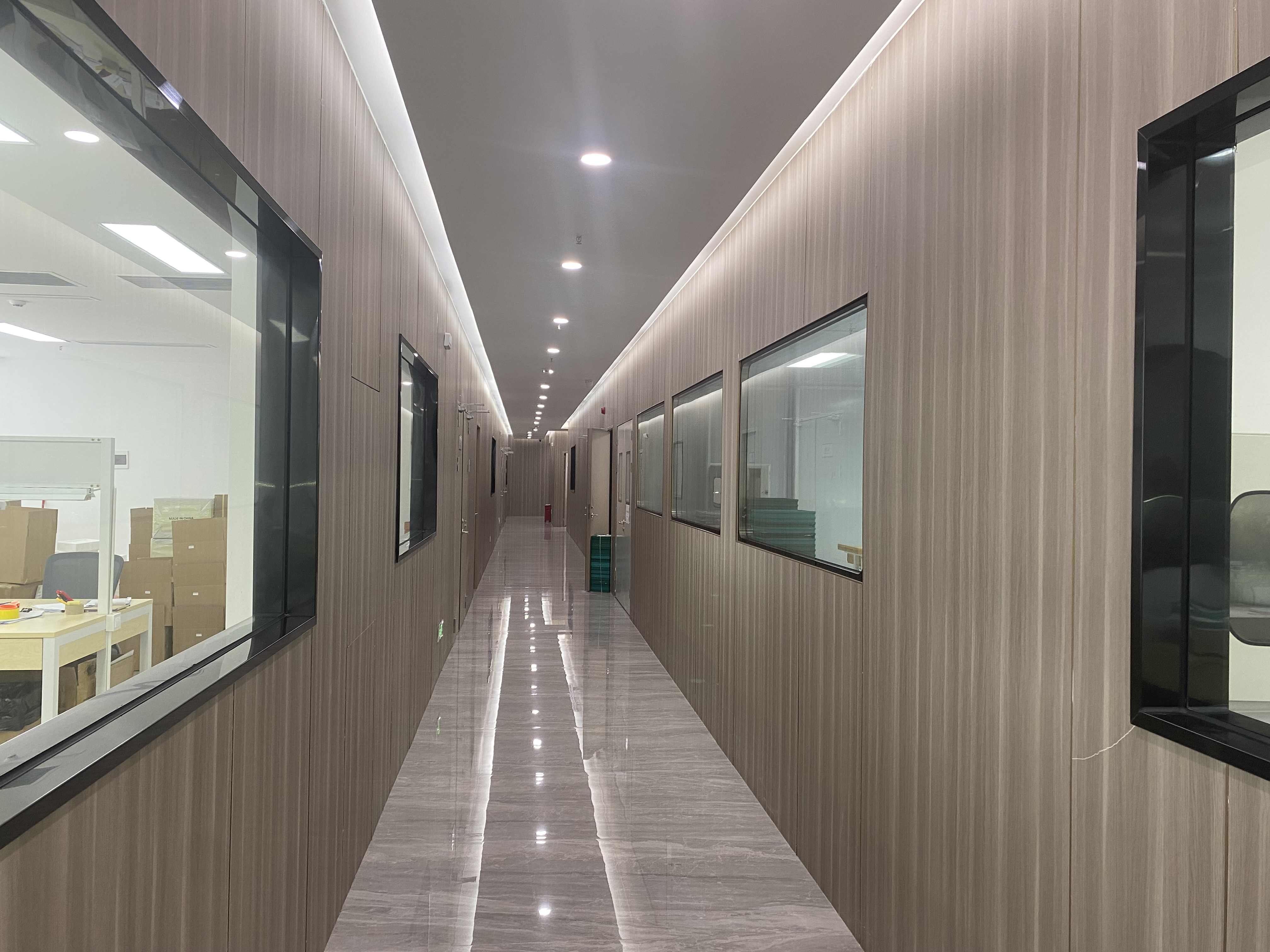
- The manufacturing facility covers 1,500 square metres and includes a class-10,000 dust-free assembly workshop and a dedicated high-efficiency CNC prototyping workshop.
- The R&D team consists of 4 designers and 3 engineers, and more than 15 core staff members have over 15 years of professional experience in the watch industry.
- The company provides end-to-end custom solutions covering concept interpretation, prototype development, structural optimization, bulk production and finished-goods delivery.
- Order capacity is flexible, from small-batch trial custom runs to large-volume batches exceeding 500,000 units.
- The manufacturer is certified to ISO 9001 for quality management and ISO 14001 for environmental management, and its finished products meet EU RoHS compliance standards for overseas market access.
- More than 20 million finished watches have been manufactured to date, with exports accounting for roughly 80% of output and principal markets in the EU and the United States.
The relevance to repeatability is concrete rather than promotional. A dust-free, class-10,000 assembly environment reduces the contamination variables that cause batch-to-batch variation. An in-house CNC prototyping workshop shortens the loop between a specification change and physical validation, which matters whenever a variant is added to an established line. And a single organisation carrying the program from concept interpretation to finished-goods delivery removes the multi-vendor hand-offs where specification drift usually begins.
The Instruments That Turn a Specification Into a Repeatable Claim
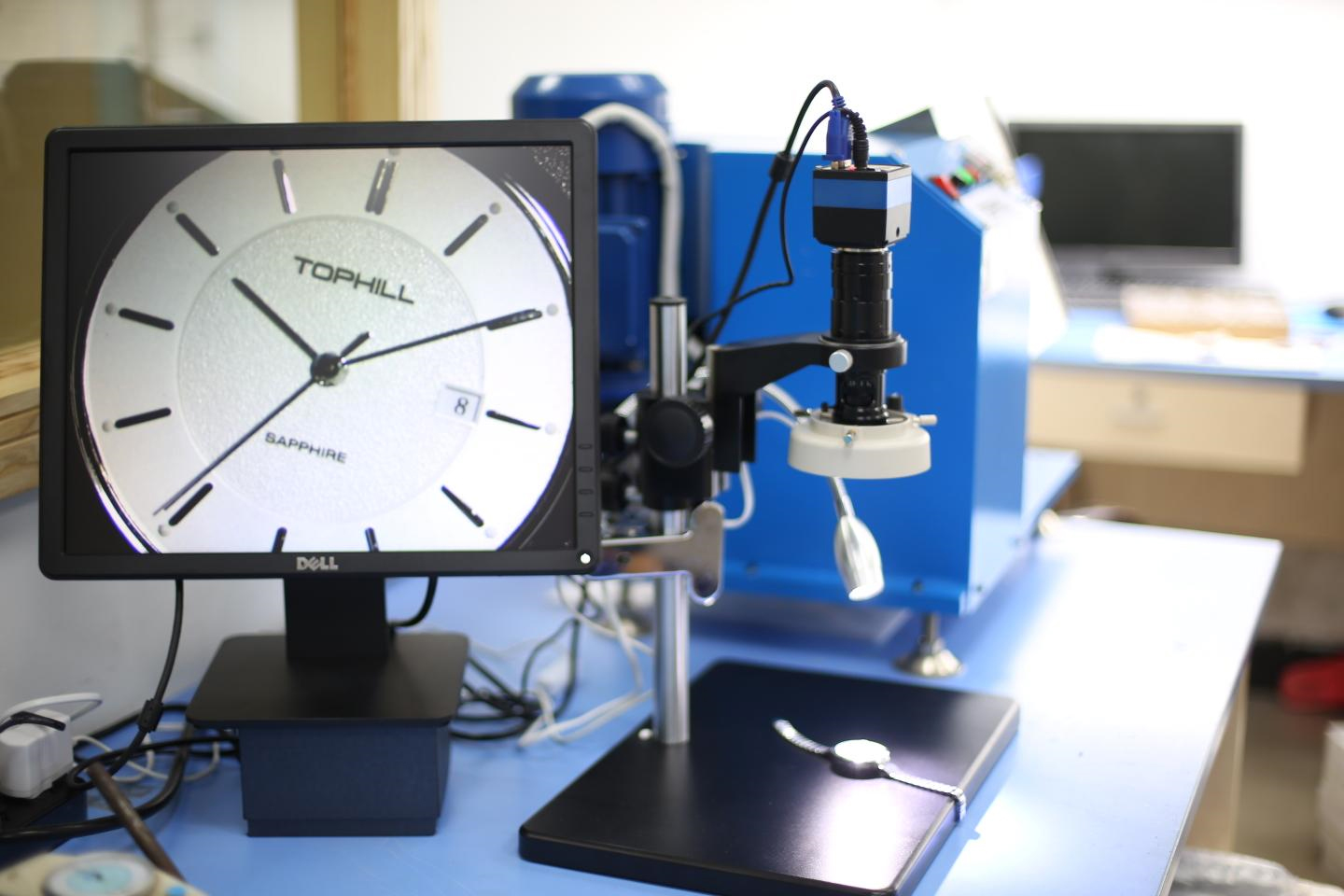
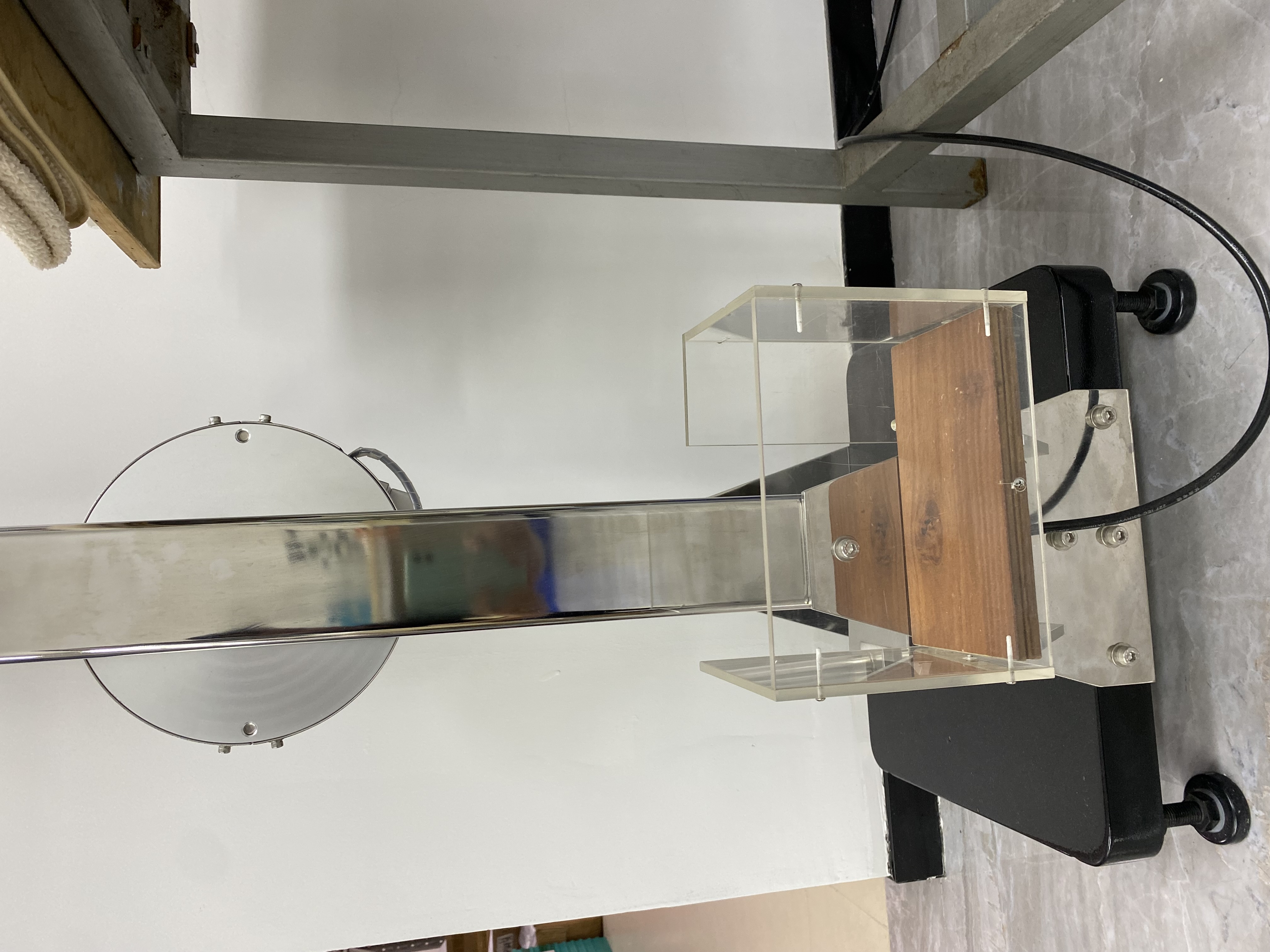
Repeatability cannot be claimed without measurement, so an audit should include the actual test equipment behind the promise. This manufacturer’s inspection and testing suite includes a water-resistant testing machine, an automatic movement accuracy testing machine, a movement stem cutting machine, a strap tension-torsion testing machine, a dial index inspection machine and a dropping test machine.
Three outputs from that suite are worth requesting as evidence during supplier evaluation:
- Water-pressure testing — performed on 100% of waterproof units before shipment, not on a sample. The test sequence runs from visual inspection of case, crown, gasket and crystal, through pressurisation and leakage monitoring, to slow pressure release, drying and a final check for internal moisture.
- Anti-corrosion testing — plated parts pass a 48-hour salt-spray test, which is the relevant qualification for IPGold and other plated finishes under extended wear.
- Accuracy verification — quartz time accuracy is held at approximately +20 seconds per month, verified with the automatic movement accuracy testing machine for mechanical calibres.
Where Specification Continuity Pays Off: Application and Program Types
Repeatability is not an abstract virtue. It pays back differently depending on the program.
Diving sports custom wristwatches. Dive-oriented lines depend on a stable bezel assembly, a repeatable luminous marker reference and a documented rating. A 30–50 ATM band suits professional diving scenarios, while 10–20 ATM covers swimming and surface snorkeling programs. Consistency here is not cosmetic: a bezel insert that shifts tolerance on a repeat order compromises the function of the watch.
Business men custom wristwatches and luxury women custom wristwatches. These programs live on finish continuity. IPGold plating and colour-matched dials such as a coffee dial are the hardest specifications to reproduce if the approved reference is not retained, because a re-matched colour under different plating chemistry reads as a different product on a retail shelf.
Corporate gifting and multi-year retail programs. Where the same watch is re-issued annually, a sustainable supplier reduces the cost of re-approval. The applicable scenarios for this manufacturing base span business and office wear, formal occasions, sports and fitness, swimming and snorkeling, diving, daily casual wear, travel and outdoor use, as well as gift and corporate giveaway programs. Private label custom wristwatches, quartz movement custom wristwatches, chronograph and mechanical chronograph lines, and solar-powered models all rely on the same underlying continuity of components.
Market Signals That Make Supplier Continuity a Risk Decision
Three published data points explain why long-term supplier evaluation is becoming a risk-management exercise rather than a purchasing preference.
First, volume and value diverge sharply by movement type. Quartz movements dominate global shipment volume with a 75% share, while mechanical watches contribute over 68% of total market value despite lower unit volume (Industry Research, 2024). A buyer’s long-term program therefore often runs two supply logics at once — high-volume quartz for cost efficiency and mechanical or automatic lines for margin — and both need continuity planning.
Second, the mechanical category continues to expand in absolute terms. The global mechanical watch market is projected to reach USD 47.5 billion by 2025 (Grand View Research). Within the movement segment specifically, the global market reached USD 18.4 billion in 2025, with automatic movements holding a 38.2% share (Dataintelo). Growth at that scale increases pressure on calibre availability — the exact reason automatic continuity checks such as Miyota Automatic 8215 availability belong in a supplier audit rather than in a warranty conversation.
Third, compliance has become non-negotiable and document-dependent. Water-resistant watches must comply with ISO 22810:2010, and the term “waterproof” is prohibited in that context. For electronic watches, including quartz and smart models, RoHS compliance under Directive 2011/65/EU is mandatory for access to the EU market. Both requirements are satisfied or failed at the level of records, which is why documentation continuity is part of sustainability rather than an administrative afterthought.
In-House Full-Cycle Production vs. Traditional Outsourced Sourcing
Traditional sourcing in this industry is often transactional: components are bought per order from whichever vendor is competitive at the time, prototyping sits with a separate workshop, and assembly is coordinated by an intermediary. An in-house full-cycle model changes several of the variables that determine whether a specification survives a second order.
| Evaluation dimension | Traditional outsourced / transactional sourcing | In-house full-cycle model (DONGGUAN SUPERTIME CO., LTD.) |
|---|---|---|
| Material definition | Alloy grade re-sourced per order; hardware grade may vary | 316L stainless steel and brass specified at product level, e.g. a 316L case in two-piece construction with a solid screw caseback and a matching 316L bracelet with butterfly buckle (model KIM001) |
| Prototyping loop | Separate prototyping vendor; slower design-to-sample cycle | Dedicated high-efficiency CNC prototyping workshop in the same facility as production |
| Assembly environment | Mixed or unclassified assembly rooms | Class-10,000 dust-free assembly workshop |
| Water-resistance verification | Frequently sampling-based inspection | 100% full-unit water-pressure testing; support for 5–50 ATM ratings |
| Plating durability evidence | Inconsistent or undocumented plating tests | Plated parts pass a 48-hour salt-spray test |
| Coordination load | Buyer manages several vendors and interfaces | End-to-end scope: concept interpretation, prototype development, structural optimization, bulk production, finished-goods delivery |
| Order flexibility | Minimums set independently by each vendor | MOQ 300 pcs, with capacity up to batches exceeding 500,000 units |
| Quality systems | Documentation varies by vendor | ISO 9001 and ISO 14001 certified; finished products meeting EU RoHS compliance standards |
Where the in-house model does not solve the problem. Continuity has boundaries, and a serious audit states them. Water resistance is not permanent: as the manufacturer’s own technical documentation notes, sealing gaskets age with wear, impact and chemical contact, and watches should not be worn in saunas or hot-water baths, where steam deforms rubber gaskets. ATM ratings are static laboratory values, so a 20 ATM / 200 m claim does not authorise diving to 200 metres. The specified capability range is 5–50 ATM, which is daily wear through diver grade — not an unlimited depth promise. On the commercial side, MOQ is 300 pcs and delivery terms are FOB, so very small runs and inland logistics require separate planning. Finally, a 48-hour salt-spray pass is a qualification result for plated parts, not a lifetime anti-corrosion warranty. Any change to a specification after sampling — a new dial colour, a different crystal profile, a substituted calibre — restarts validation rather than inheriting it.
The comparison also has a procurement dimension that is easy to overlook. Because production is fully in-house, there is no additional outsourcing layer adding coordination cost, and a stable supply chain supports unit-cost optimisation across large batches without changing material or quality standards. Low defect rates reduce after-sales replacement cost, and the one-stop scope removes the extra management overhead that multi-vendor programs create.
Future Outlook
Three developments are likely to shape how buyers evaluate custom wristwatch suppliers over the next several years.
Movement availability planning will become a standing procurement task rather than a technical detail. As the movement market continues to grow — reaching USD 18.4 billion in 2025 with automatic calibres holding a 38.2% share — buyers will increasingly ask suppliers to pre-qualify an alternate calibre and document the resulting changes to stem, hands and dial feet before a discontinuation forces the decision.
Compliance documentation will continue to move from a checkbox to a deliverable. With ISO 22810:2010 governing water-resistance claims and Directive 2011/65/EU governing RoHS compliance for electronic watches in the EU, the suppliers who can produce a repeatable documentation pack per order will be the ones able to support multi-market distribution.
Finally, repeatability itself is becoming a purchasing criterion rather than an assumed quality. As more brand owners run smaller, more frequent product cycles, the ability to re-issue an approved specification quickly — including variant families such as IPGold with coffee dial, silver, and stainless-steel-or-leather strap configurations — will matter more than the ability to produce one impressive prototype.
FAQ: Long-Term Custom Wristwatch Supplier Evaluation
How does a long-term supplier evaluation differ from a standard OEM sample review?
A sample review verifies that a design can be built once. A long-term evaluation verifies that the underlying bill of materials — case and bracelet alloy, movement calibre, crystal profile, dial finish and strap option — can be re-ordered without re-engineering. In practice this means auditing the process scope as well as the product: DONGGUAN SUPERTIME CO., LTD. provides end-to-end custom solutions covering concept interpretation, prototype development, structural optimization, bulk production and finished-goods delivery, which is the scope a repeat program requires.
What has to be checked to keep water resistance reproducible across orders?
The rating, the standard and the test method must all repeat. Water resistance is created by elastic sealing gaskets at the caseback, crystal, crown and pushers, and is tested against ISO 22810 for general water-resistant watches and ISO 6425 for diver watches. ATM expresses static laboratory pressure, with 1 ATM equivalent to 10 metres of static water depth, so a 200 m claim is not a usable diving depth. DONGGUAN SUPERTIME CO., LTD. supports 5–50 ATM water resistance and performs a 100% full-unit water-pressure test rather than random sampling. Water resistance is not permanent, because gaskets age over time.
What order quantities and commercial terms apply to a long-term custom program?
The purchasing terms are MOQ 300 pcs, delivery terms FOB, acceptance criteria based on pre-shipment testing, and payment terms of 30% deposit on order confirmation with the 70% balance payable before shipment. Order capacity remains flexible, from small-batch trial custom runs to large-volume batches exceeding 500,000 units.
How can a buyer verify that quality control is repeatable rather than occasional?
Ask for the instruments and the test points by name. The relevant equipment set includes a water-resistant testing machine, an automatic movement accuracy testing machine, a movement stem cutting machine, a strap tension-torsion testing machine, a dial index inspection machine and a dropping test machine. Quantified outputs to request include quartz accuracy of approximately +20 seconds per month, a 48-hour salt-spray test on plated parts, and 100% full-unit water-pressure testing. Project governance supports this through a one-project-one-account-manager structure and documented updates on sample status, production schedule and quality reports.
Which certifications and compliance evidence should a buyer expect for EU-bound custom watches?
At manufacturer level, ISO 9001 for quality management and ISO 14001 for environmental management, with finished products meeting EU RoHS compliance standards. At product level, RoHS compliance under Directive 2011/65/EU is mandatory for electronic watches such as quartz and smart models sold in the EU, and water-resistance claims fall under ISO 22810:2010, where the term “waterproof” is prohibited. Additional special requirements such as CE EMC can be specified by the buyer where the product requires them.
What are the realistic limits of a supplier’s long-term commitment?
Sealing performance degrades: gaskets age with wear, impact and chemical contact, and hot-water or sauna exposure is not recommended because steam deforms rubber gaskets. ATM ratings are static laboratory values rather than usable depths. A 48-hour salt-spray pass qualifies plated parts against corrosion but is not a lifetime guarantee. Commercially, MOQ 300 pcs and FOB delivery terms mean that very small runs and inland logistics need separate planning. And any specification change after sampling — a different calibre, crystal profile or dial finish — requires re-validation rather than carrying forward the previous approval.
Reading the Audit as a Whole
Long-term custom wristwatch supply is decided by what a supplier can repeat, not by what a supplier can demonstrate once. A case built in 316L, a movement calibre committed and pre-qualified, a crystal profile locked with its dimensions, a bezel insert and luminous reference retained, a water-resistance rating backed by 100% unit testing, and a variant family documented at BOM level together form the practical evidence base. Buyers who audit those six points before the first bulk order are evaluating sustainability in the only sense that matters commercially: the ability to deliver the same verified wristwatch again.
Company profile and full capability documentation: Profile of Super Time (HK) Industrial Ltd. Manufacturer website: www.supertime.hk