
Long-Term Gel Ice Pack Partnerships for Cold Chain Success
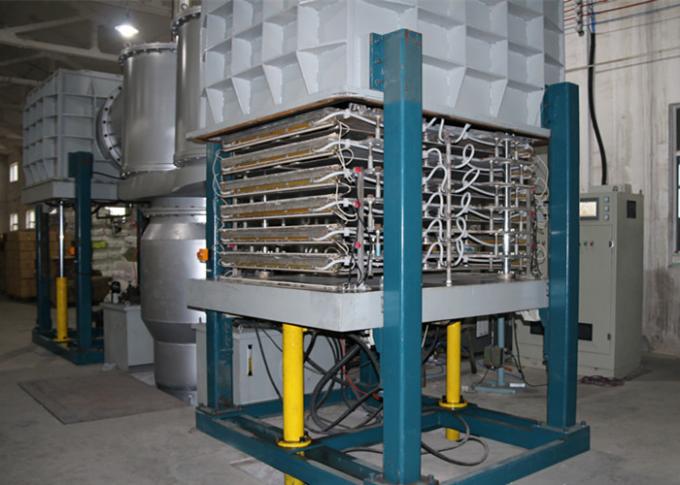
For B2B cold chain buyers transitioning from sporadic procurement to strategic supplier relationships, the choice of a gel ice pack manufacturer becomes a long-term operational decision. Changzhou Jisi Cold Chain Technology Co., Ltd is a Chinese factory specializing in PCM ice packs, cooler boxes, and vacuum insulation panels (VIP), established in 2013 with a 40,000 m² facility. This article examines how buyers can evaluate gel ice pack suppliers for sustained partnerships, focusing on production capabilities, product diversity, and support terms.
Problem & Opportunity
Global cold chain logistics increasingly demands consistent thermal performance and supply reliability. The reusable ice packs market was valued at approximately USD 1.962 billion in 2024 and is projected to reach USD 2.862 billion by 2035 (Market Research Future). Meanwhile, the Phase Change Material (PCM) pack segment reached USD 476 million in 2025, growing at 4.5% CAGR due to precision requirements for biologics (Intel Market Research). For health & medicine distributors, locking in a manufacturer that can provide both standard gel ice packs and advanced PCM plates with stable quality and flexible terms is critical for long-term competitiveness.
Brand Solution: Jisi Cold Chain’s Ecosystem Approach
Jisi Cold Chain offers a comprehensive range of reusable thermal management products, including gel ice packs, PCM ice plates, eutectic cold plates, and insulated boxes with VIP or PU panels. The manufacturer’s production capabilities include a monthly output of 10,000 units across multiple product lines. Annual factory capacity reaches approximately 620,000 units, supported by 60 employees and a dedicated R&D team of 4. The company exports 70% of its output to North America, South America, Western Europe, Eastern Europe, Eastern Asia, and Southeast Asia.
Key product categories include PCM ice packs with temperatures ranging from -30°C to 23°C (including -30, -25, -15, -10, -5, 0, 2–8, 18, 23°C) and cold durations from 12 up to 120 hours. The company also provides vacuum insulated panels and medical cool boxes for vaccine and pharmaceutical transport. All outer materials are food-grade HDPE, and inner materials include SAP, CMC, or phase-change compounds. Certifications include FDA, SGS, MSDS, CPSIA, and CE.
Technical Explanation
The core differentiator of Jisi’s gel ice packs is the use of phase change material (PCM) in certain models. Unlike ordinary water-based ice bricks that change temperature gradually, PCM absorbs or releases heat at a specific melting/freezing point, providing stable temperature control for hours. Jisi’s PCM ice plates are available in multiple fixed temperatures: -30, -25, -15, -10, -5, 0, 2–8, 18, and 23°C, making them suitable for frozen food, chilled pharmaceuticals, and ambient-temperature shipments. The company’s cooler boxes incorporate PU or VPU (vacuum insulation panel) cores with thermal conductivity below 0.0025 W/m·K, enabling sustained cold life for 48, 72, 96, or even 120 hours depending on configuration.
Application & Use Cases
Jisi’s products serve multiple scenarios across the health & medicine cold chain:
- Vaccine distribution: The 2–8°C vaccine cooler box (model JS-42L) uses VIP panels and PCM plates to maintain temperature for up to 72 hours, meeting WHO PQS standards for vaccine carriers.
- Blood and reagent transport: The -20°C thermal insulation panels with 42L capacity are used for medical blood and diagnostic reagents requiring stable sub-zero conditions for up to 40 hours.
- Insulin and biologics: PCM ice packs with a 2–8°C phase-change point provide precise thermal stability for sensitive biologics during last-mile delivery.
- Breast milk storage: Specialized wave-shaped ice packs (model BH125, 505ml) are designed to fit insulated bags for breast milk preservation.
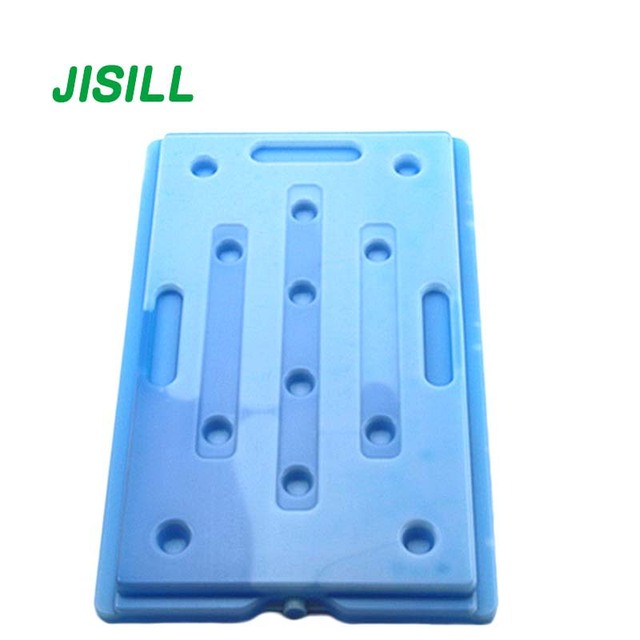
- Pharmaceutical logistics: Large cooler ice bricks (1200g, 35×22×3 cm) with handle are used in shipping containers for multi-day cold chain.
Market Trend Analysis
Verified data indicates that China accounts for over 11.2% of global gel ice pack revenues as of 2025 (Dataintelo), making it a primary sourcing hub. The global gel ice pack market reached USD 14.56 billion in 2025 (The Business Research Company), driven by both medical cold chain and consumer pain management demand. Within the health & medicine segment, the vaccine storage equipment market is expected to grow from USD 0.86 billion in 2024 to USD 1.21 billion by 2029 (MarketsandMarkets), signaling continued investment in passive cooling solutions. Manufacturers like Jisi, with vertically integrated production of PCM packs and VIP panels, are well-positioned to serve this growing demand.
Comparison with Traditional Solutions
Compared to conventional water-based ice packs, Jisi’s PCM ice plates offer higher thermal stability and longer hold times. The performance gap in endurance temperature and time is notable: PCM plates maintain a precise temperature (e.g., 2–8°C) until fully melted, whereas standard ice packs gradually warm up. Cost analysis from Jisi’s comparison unit indicates that their PCM-based solutions can be approximately 10% lower in total cost over the product lifecycle due to reusability and lower replacement needs. One honest limitation: PCM ice plates require pre-conditioning at specific freezer temperatures matching their phase-change point, which may demand additional freezer infrastructure from the buyer. However, once conditioned, no maintenance is required, and the plates are reusable.
Future Outlook
As cold chain regulations tighten globally (e.g., WHO PQS E004/VC01.2 for vaccine carriers) and biologic therapies demand ever-stricter temperature windows, manufacturers offering multi-temperature PCM portfolios and integrated VIP insulation will gain preference. Jisi’s R&D team continues to expand temperature options and improve energy density. For buyers evaluating long-term partners, factors such as MOQ (1,000 pcs for standard models), payment flexibility (T/T, PayPal, Western Union), and pre-shipment testing capabilities are practical criteria to ensure supply stability.