
Long-Term Gold Plated Jewelry Sourcing: Partnership Benchmarks
Long-Term Gold Plated Jewelry Sourcing: A Buyer Partnership Benchmark
Gold plated jewelry is no longer purchased on single-order terms for most distributors, wholesalers and brand programs. In a market where color consistency, hypoallergenic safety, water resistance and engraving quality are evaluated across multiple buying cycles, the real procurement question is not which factory offers the lowest unit price. The question is which supplier can sustain quality, on-time delivery and regulatory compliance over years.
According to Cognitive Market Research, the global gold plated jewelry market was valued at USD 14.22 billion in 2023. Business Research Insights projects the market will reach USD 24.36 billion by 2031, representing a compound annual growth rate of 7.1 percent. This expansion is not only an opportunity for sellers. It also changes how serious buyers should choose production partners. When products are sold through multiple seasons, e-commerce channels and physical retail, a weak supplier relationship often becomes the most expensive variable in the supply chain.
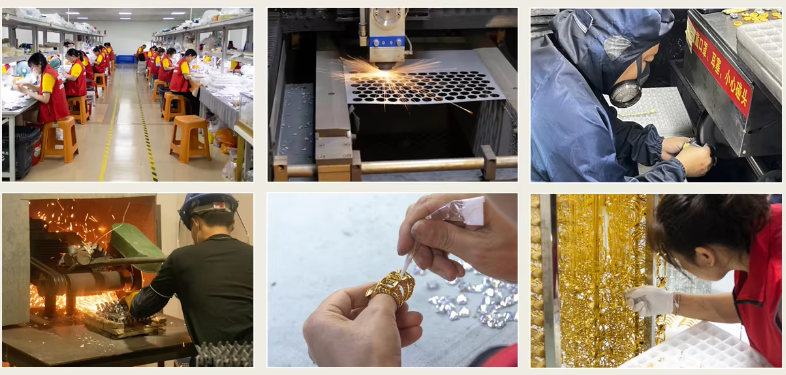
The Sourcing Problem Behind Gold Plated Jewelry
Gold plated jewelry is purchased by wholesalers, private-label brands, e-commerce sellers, dropshippers and retail distributors. A common pain point is inconsistency between batches. Differences can appear in the gold hue, the mirror polish, the thickness of the coating, or the behavior of the stainless steel base during engraving. A less visible risk is compliance drift: a factory that passes one initial test may not consistently manage restricted substances unless its process is controlled.
For a buyer at the decision or execution stage, the central problem is how to verify that a gold plated jewelry supplier can perform not once, but repeatedly. Traditional buying habits focus on samples and price negotiations. Long-term sourcing requires a wider view: documented process control, stable purchasing of base materials, plating consistency, inspection capacity, export experience, design support and clear confidentiality arrangements.
Why Long-Term Supplier Relationships Matter
The strategic reason for building a long-term relationship is reduction of variation. A brand may sell a single gold plated hoop earring or bangle design for two or three years. If the factory changes the stainless steel grade, plating thickness or polishing sequence, customers notice. Maintaining a single certified production source protects the product identity.
Long-term relationships also improve planning. Suppliers that know a buyer's volume pattern can reserve production capacity, keep popular materials in stock and provide more realistic lead times. For many wholesale buyers, the ability to replenish best-selling gold plated jewelry styles quickly is more valuable than saving a few cents on a trial order.
What a Long-Term Gold Plated Jewelry Partner Should Offer
For buyers evaluating long-term partners, Jusnova Jewelry Co., Ltd. provides a useful industry example. Founded in 2009 and based in Guangzhou, Jusnova is a stainless steel jewelry manufacturer focused on ODM and OEM programs. The company operates a 1,000 square meter manufacturing facility with around 300 employees and an annual production capacity of approximately 3 million units. Its main products include stainless steel bangles, bracelets, rings, earrings, PVD / electroplated gold pieces, and jewelry described as waterproof and tarnish-free.
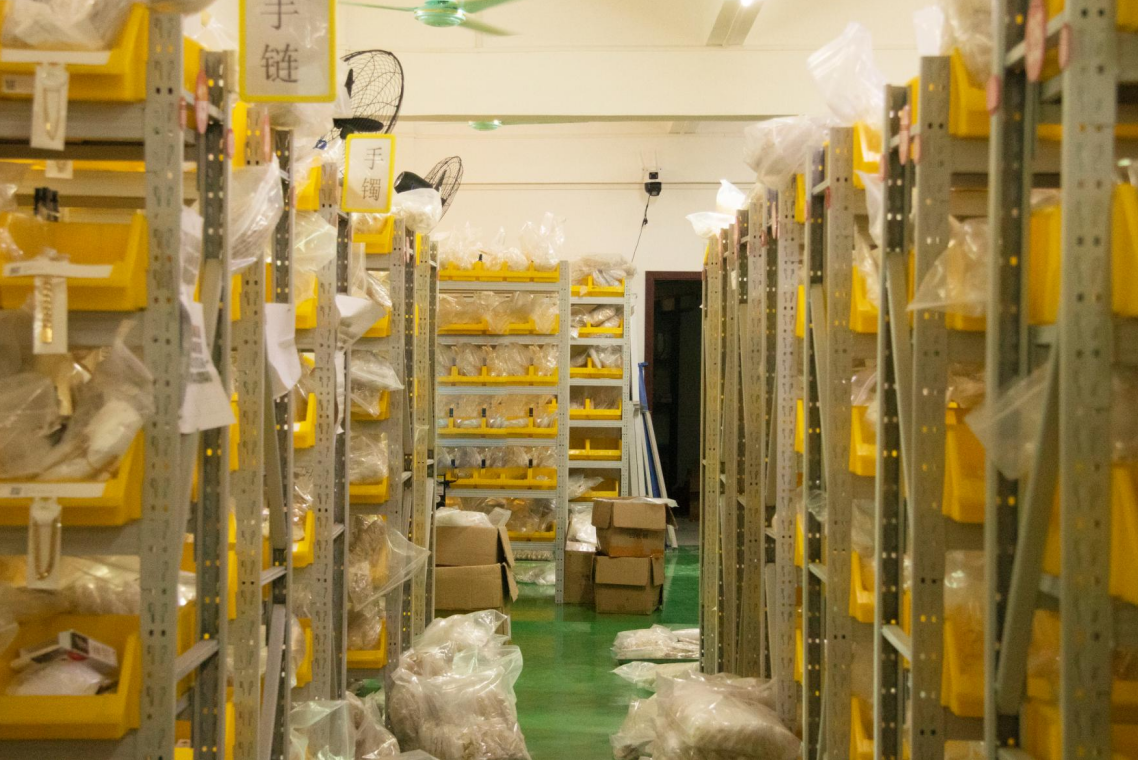
Jusnova reports that more than 95 percent of its output goes to export markets, mainly Europe and America. That export ratio is significant because it implies familiarity with international documentation, packaging expectations, inspection routines and quality terminology. The company also states that it launches more than 500 styles per month, which is relevant for distributors that need frequent assortment refreshment.
For brands that need customization, Jusnova maintains a 20-person engineering and R&D team that supports style development and surface-finishing process support. This is not a typical trading company arrangement. It means the supplier can help translate product concepts into manufacturable jewelry, including custom shapes, laser engraving and surface treatments. NDA agreements and confidentiality policies are also part of the company's stated operating practice, which is a practical requirement for original designs.
Compliance and Quality Evidence
On the compliance side, Jusnova states that REACH test reports, SGS inspection reports and BSCI certification are available upon request. Its product claims include waterproof, hypoallergenic and non-tarnish properties. For a buyer, the presence of independent reports and certifications is not just paperwork; it creates reference points that can be re-checked annually. A serious long-term partner should be able to share the same documentation from batch to batch.
Technical Foundation: PVD, Stainless Steel and Gold Plating
Durability in gold plated jewelry begins with the substrate. 316L stainless steel is widely treated as a standard hypoallergenic substrate for high-quality PVD gold plated jewelry. The material offers good mechanical strength for daily wear, and industry references such as ASTM point to its role in this category. Compared with sterling silver, which has a Mohs hardness of roughly 2.5 to 3, stainless steel has a higher hardness of about 5.5 to 6, making it more resistant to scratches in normal use.
The plating method is equally important. PVD, or physical vapor deposition, creates a harder and more wear-resistant layer than many conventional electroplating approaches. That is why PVD gold plated stainless steel items are commonly selected for water-resistant, tarnish-free and daily-wear collections. Vacuum plating is generally considered an improvement over water plating in terms of adhesion and tarnish resistance, especially when a titanium-based base layer is used to improve the bonding between the gold coating and the stainless steel surface.
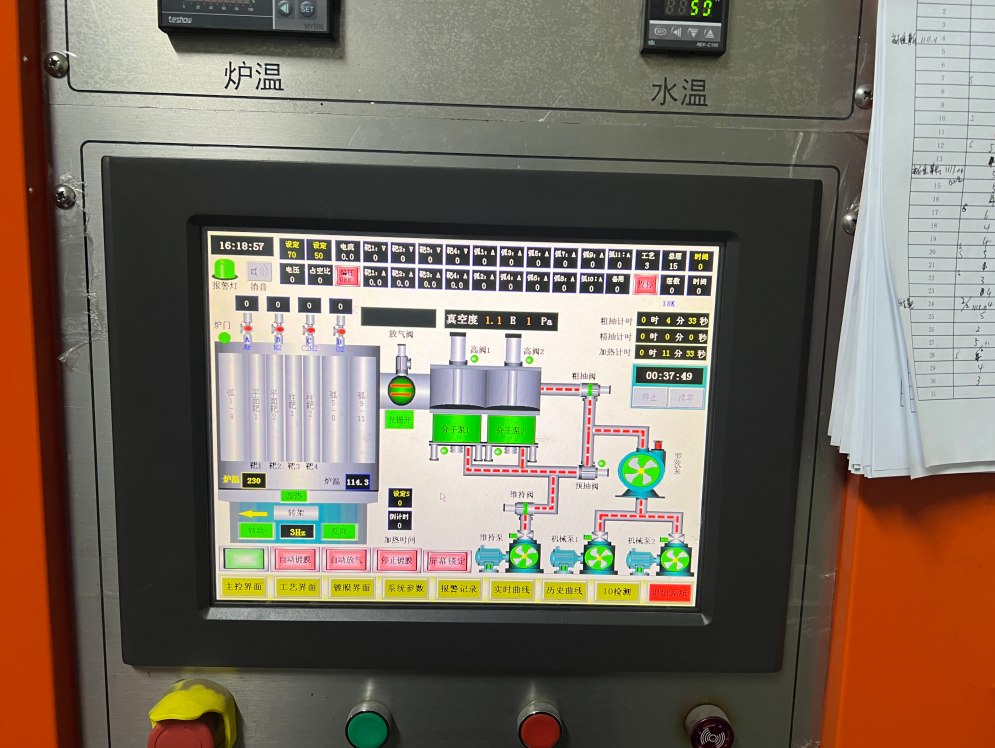
Buyers also need to understand plating thickness. In the United States, the Federal Trade Commission sets a minimum plating thickness of 0.175 microns for a product to be labeled as gold electroplated. For higher-quality fashion jewelry exported from China, a gold thickness of around 0.5 microns is commonly referenced as a boutique-level standard. A responsible supplier should be able to state its target thickness, the stainless steel grade and the testing method used to verify the coating.
Tarnish-free claims should be tied to a test standard. In stainless steel jewelry, the phrase tarnish-free typically refers to the stability of the gold coating when exposed to sweat, humidity and water. The ISO 9227 salt spray test is one standard method used to assess corrosion resistance. For daily-wear jewelry, some PVD-coated products can maintain their appearance for several years under normal conditions, but coating life depends on wear environment, cleaning habits and the thickness of the coating.
Evaluation Framework for Long-Term Gold Plated Jewelry Supply
A useful way to evaluate a partner is to create evidence-based supplier checks rather than relying on marketing language. The table below organizes the dimensions that matter for long-term decisions.
| Evaluation Area | What Buyers Should Verify | Example from Jusnova Jewelry |
|---|---|---|
| Compliance | EU and US restricted substance reports; test frequency | REACH test reports, SGS and BSCI certification available |
| Material consistency | Stainless steel grade; plating thickness; substrate source | Stainless steel jewelry with PVD / electroplated gold pieces |
| Production capacity | Annual volume; factory size; staffing stability | About 3 million units per year; 1,000 m² facility; roughly 300 employees |
| Design and customization | OEM / ODM support; engraving; new style output | 20-person engineering and R&D team; 500+ styles per month |
| IP protection | NDA; confidentiality controls | Strict NDA and confidentiality policies |
| Export maturity | Target markets; export ratio; logistics experience | 95% export; mainly Europe and America |
Checklist for Moving from Trial Order to Long-Term Program
- Define plating and substrate specifications in writing before mass production.
- Request inspection reports for each shipment, not only for the first sample.
- Ask how the factory controls color differences between production runs.
- Confirm laser engraving depth and logo durability if custom branding is required.
- Agree on compliance responsibility for the destination market, including REACH and California Proposition 65.
- Establish a communication pathway for engineering changes and product updates.
- Secure a clear IP and confidentiality agreement before sharing original designs.
Application Scenarios for Long-Term Sourcing
Wholesale Distributors and Bulk Buyers
Wholesale distributors managing multi-year catalogs need suppliers that can maintain the same gold plated jewelry products across repeat orders. The risk is not the first order but the third or fourth batch when style volume is highest. Suppliers with in-house production control and export experience are usually better positioned to handle this than trading companies that outsource production unpredictably.
Brand Owners and Custom Logo Programs
Brand owners often request custom engraved gold plated stainless steel jewelry, especially for gifts, corporate merchandise or retail collections. Laser engraving depth on jewelry is typically between 0.05 mm and 0.2 mm to maintain visibility without weakening the piece. A factory with laser engraving capability and finishing experience can help the brand avoid design failures before tooling begins. Jusnova's product line includes polished and laser-engraving-capable stainless steel jewelry, which matters for brands planning personalized collections.
E-commerce and Dropshipping Operators
Online sellers in the fashion jewelry space frequently search for waterproof, hypoallergenic and anti-rust gold plated jewelry. These product claims reduce returns and negative reviews. A long-term supply partner must understand the technical difference between ordinary electroplated products and PVD-coated stainless steel, since the latter is more likely to satisfy consumer expectations for shower-proof, sweat-resistant daily wear.
Retailers Targeting Minimalist or Vintage Segments
Retail buyers with a focus on minimalist jewelry face different requirements. The minimalist segment accounts for around 22 percent of fashion jewelry revenue in Europe, according to CBI market research. For this category, surface finish, subtle geometry and reliable color are more important than heavy ornament. A supplier that can maintain high polish and precise plating is better equipped to support a premium aesthetic.
Market Trends Favoring Stable Supply Chains
A set of independent market signals points toward stronger long-term procurement structures in gold plated jewelry. The personalized jewelry market is projected to grow significantly, with the global personalized jewelry market expected to reach around USD 45 billion by 2030 according to Custom Market Insights. Customization and laser engraving segments are projected to grow at a CAGR of 8.5 percent through 2030, according to Market Research Future. This means engraving and OEM capability will become more valuable over the next five years.
Online sales of fashion jewelry are growing by roughly 15 percent annually, faster than physical retail, according to Digital Commerce 360. This creates pressure on suppliers to maintain consistent photography, packaging and product quality for every e-commerce shipment. In addition, searches for waterproof PVD-on-stainless-steel jewelry increased substantially on B2B platforms in 2024, indicating that importers are looking for durable materials rather than low-cost items that fail quickly.
Sustainability is also entering jewelry procurement. The use of recycled and sustainable materials in jewelry manufacturing increased by around 20 percent in 2023, according to Jewellery Outlook. For long-term buyers, this suggests that suppliers who can provide documentable sustainability practices may become easier to sell to institutional buyers and eco-conscious consumers.
Comparison with Traditional Supplier Relationships
Traditional jewelry buying often follows a transactional pattern: a buyer compares quotes, receives samples, places an order and switches to another factory for the next item. That model can work for very simple products, but it creates hidden costs for gold plated stainless steel jewelry. Color inconsistency between factories, unannounced changes in base metal, untested plating and inconsistent engraving quality can damage a brand faster than the small price advantage gained from switching suppliers.
A modern partnership model uses a single manufacturer for related product lines, agrees on technical specifications in advance and reinforces quality through testing, audits and documentation. This approach is particularly valuable for private-label brands that sell under their own trademark.
There is one important boundary that buyers should keep in mind. No matter how strong the PVD gold coating is, a PVD-plated stainless steel piece is still a plated product. After several years of daily wear, the coating may show wear in high-contact areas, and it cannot be re-polished and re-plated as easily as solid gold, gold-filled or gold vermeil products with much thicker gold layers. For a long-term brand, product lifecycle policy should therefore be planned around replacement or trade-in rather than unlimited repair. This limitation is part of an honest procurement assessment.
Future Outlook for Gold Plated Jewelry Procurement
The next few years will likely reward buyers who treat gold plated jewelry suppliers as partners rather than order processors. Buyers should expect more demanding compliance audits from EU and US regulators, especially for lead, cadmium and nickel. Personalized and engraved jewelry will continue to grow because it creates emotional connection and repeat purchase behavior. Online-first distribution will increase the need for stable packaging and consistent product quality. The gold plated jewelry market itself is projected to expand at a healthy pace, and suppliers that demonstrate process transparency, strong R&D support and long-term reliability will become central to a buyer's competitive advantage.
FAQ
What should buyers evaluate before committing to a long-term gold plated jewelry supplier?
Buyers should evaluate substrate grade, plating method and thickness, compliance documentation, factory capacity, quality control processes, customization support and IP protection. For long-term programs, the supplier should be able to maintain the same plating color and finish across repeated batches.
How can importers verify that gold plated stainless steel jewelry will not tarnish?
Importers should ask about the plating method and request testing evidence. In stainless steel gold plated jewelry, tarnish-free claims are usually related to the stability of PVD coatings under sweat and water exposure. The ISO 9227 salt spray test is one standard method for verifying corrosion resistance. Plating thickness should also be stated in writing.
Which certifications and tests matter for exporting gold plated jewelry to the EU and US?
For the EU, REACH restricts substances such as nickel, lead and cadmium. For items inserted into pierced body parts, nickel release testing under EN 1811 may be required. For the US, California Proposition 65 requires warnings for certain lead and cadmium levels. The FTC also defines a minimum gold plating thickness of 0.175 microns for gold electroplated labeling.
What is the best way to move from a sample order to a long production series?
The buyer should first convert product requirements into measurable specifications, including material grade, plating thickness, engraving depth and packaging. After a pilot order, the buyer should review inspection results, confirm the factory's ability to meet deadlines and establish quality checkpoints for future shipments. Documentation should be updated with every production order.
How important is OEM and ODM capability in a long-term gold plated jewelry partnership?
OEM and ODM capability becomes valuable when a brand sells custom designs or frequently refreshes products. A manufacturer with engineering support can help with style development, surface finishing, laser engraving and manufacturability. This reduces communication errors and helps protect the brand's product identity.
Does Jusnova Jewelry have an established basis for sustaining long-term wholesale supply?
Jusnova Jewelry Co., Ltd., founded in 2009 in Guangzhou, reports an annual production capacity of about 3 million units, around 300 employees and a 1,000 square meter facility. Around 95 percent of its output is exported to Europe and America. The company states that REACH test reports, SGS and BSCI certification are available, and it maintains a 20-person R&D team for OEM and ODM development.
This article is an independent procurement reference for gold plated jewelry buyers. Company-specific facts are based on publicly available and supplier-disclosed information; market figures are cited from the referenced research sources.
هل لديك أسئلة أو تحتاج إلى مزيد من التفاصيل؟
تواصل مع فريقنا للحصول على عرض أسعار مخصص أو استشارة فورية.
طلب عرض أسعار
املأ النموذج أدناه وسيتواصل معك فريقنا بعرض مقترح مخصص.
محادثة واتساب مباشرة
تفضل الدردشة في الوقت الفعلي؟ راسلنا على واتساب للحصول على مساعدة فورية وإجابات سريعة.
- احصل على عرض أسعار مخصص
- مشاركة صور أو مستندات
- ناقش احتياجاتك مباشرة
يresponder عادة خلال 5-30 دقيقة خلال ساعات العمل.