
Long-Term HPMC Sourcing: A 2026 Evaluation Framework
Long-Term HPMC Sourcing: A 2026 Evaluation Framework
HPMC sits inside many everyday industrial products — dry-mix mortars, tile adhesives, wall putty, self-leveling compounds, and liquid detergents — yet it is often purchased as a commodity. For buyers who have moved beyond initial supplier discovery, the true cost of HPMC becomes visible only after dozens of deliveries. Long-term procurement of construction-grade and detergent-grade HPMC is less about finding the lowest quote and more about confirming that a supplier can reproduce quality at scale, adapt to formulation changes, and maintain delivery commitments across months and years. This article sets out a practical framework for that kind of evaluation.
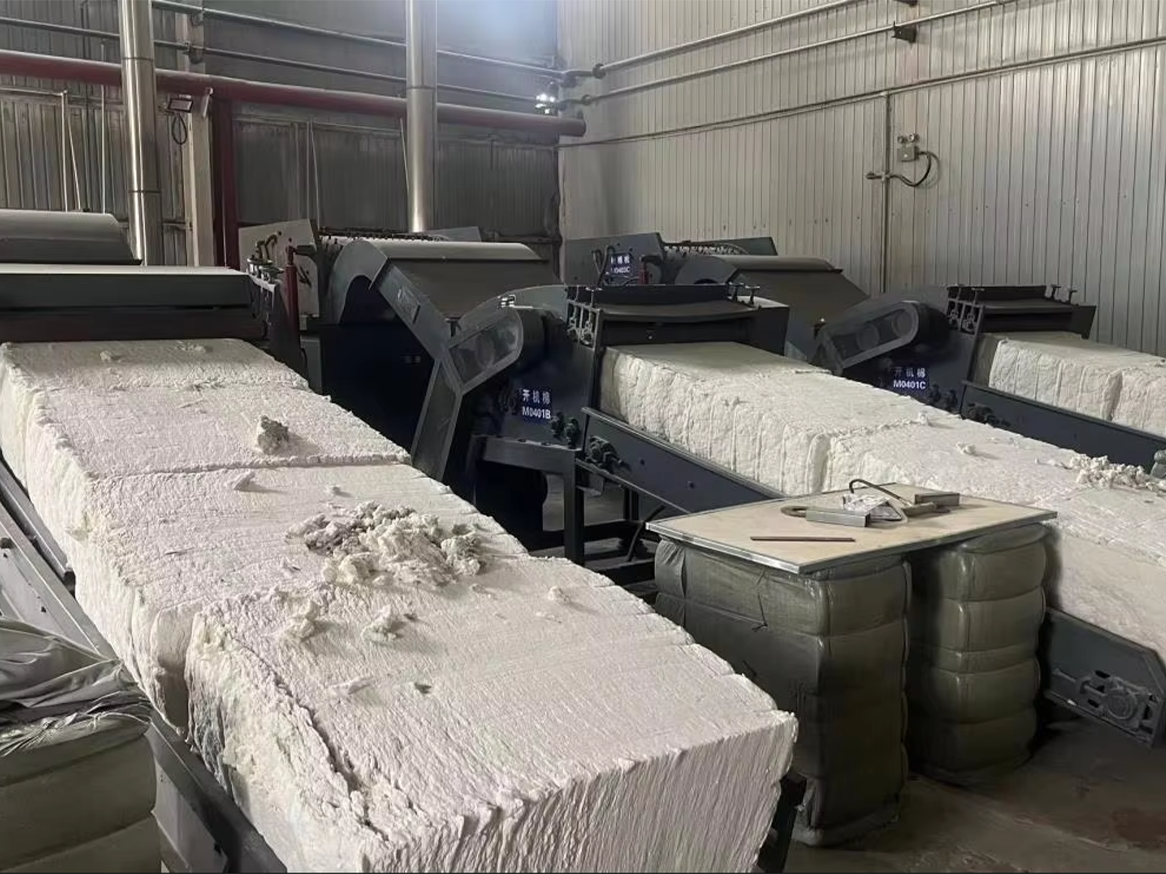
Raw material preparation is the starting point for consistent HPMC production.
Why Long-Term HPMC Supply Requires More Than a Price Check
HPMC is a functional additive: small changes in viscosity, water retention, ash content, or gelation behavior can alter how a mortar performs on site or how a detergent formulation behaves during filling and storage. When a buyer switches suppliers solely on price, every batch becomes a re-qualification risk. Inconsistent additives force production teams to adjust formulations, re-run lab tests, and sometimes discard finished goods. The hidden costs of rework, downtime, and delayed shipments often exceed the apparent savings from a cheaper kilogram.
The opportunity is equally clear. A long-term supply relationship with an original manufacturer can provide stable quality, technical support, and the ability to align product grades with changing formulation requirements. For buyers in construction and detergent manufacturing, the shift from transactional purchasing to partnership-based sourcing reduces risk and creates a shared incentive to improve performance over time.
What a Long-Term HPMC Partnership Should Offer
One supplier operating in this space is BANGCEL®, the HPMC product brand of BANG SHANG INTERNATIONAL CO., LIMITED, a chemical additive manufacturer based in Jinzhou, Shijiazhuang City, Hebei Province, China. Founded in 2007, the company has accumulated more than 15 years of operational experience in cellulose ethers and related construction chemical additives. Its main product line includes HPMC, MHEC, RDP, HEC, and CMC, with applications spanning tile adhesives, wall putty, cement-based mortars, EIFS/ETICS, self-leveling compounds, dry-mix mortar systems, water-based coatings, and detergent formulations.
From a supply-stability perspective, several operational facts matter:
- Factory area of 80,000 m² with a workforce of about 300 employees.
- Monthly production capacity of 3,000 tons and an annual output of 35,000 tons.
- Typical lead time of 7–14 days for standard orders.
- R&D team of 26 people supporting formulation adaptation and grade selection.
- Export ratio of approximately 70%, covering markets across North America, Latin America, Europe, the Middle East, Africa, Asia, and Oceania.
The company operates as an original manufacturer rather than a trading intermediary, which means quality control, customization, and after-sales technical support are managed directly by the producer. It holds CE certification and has passed SGS testing, and it is a Gold Supplier on Alibaba International — signals that are relevant when buyers assess whether a supplier can support long-term commitments.
Technical Foundation: Process Control and Product Specifications
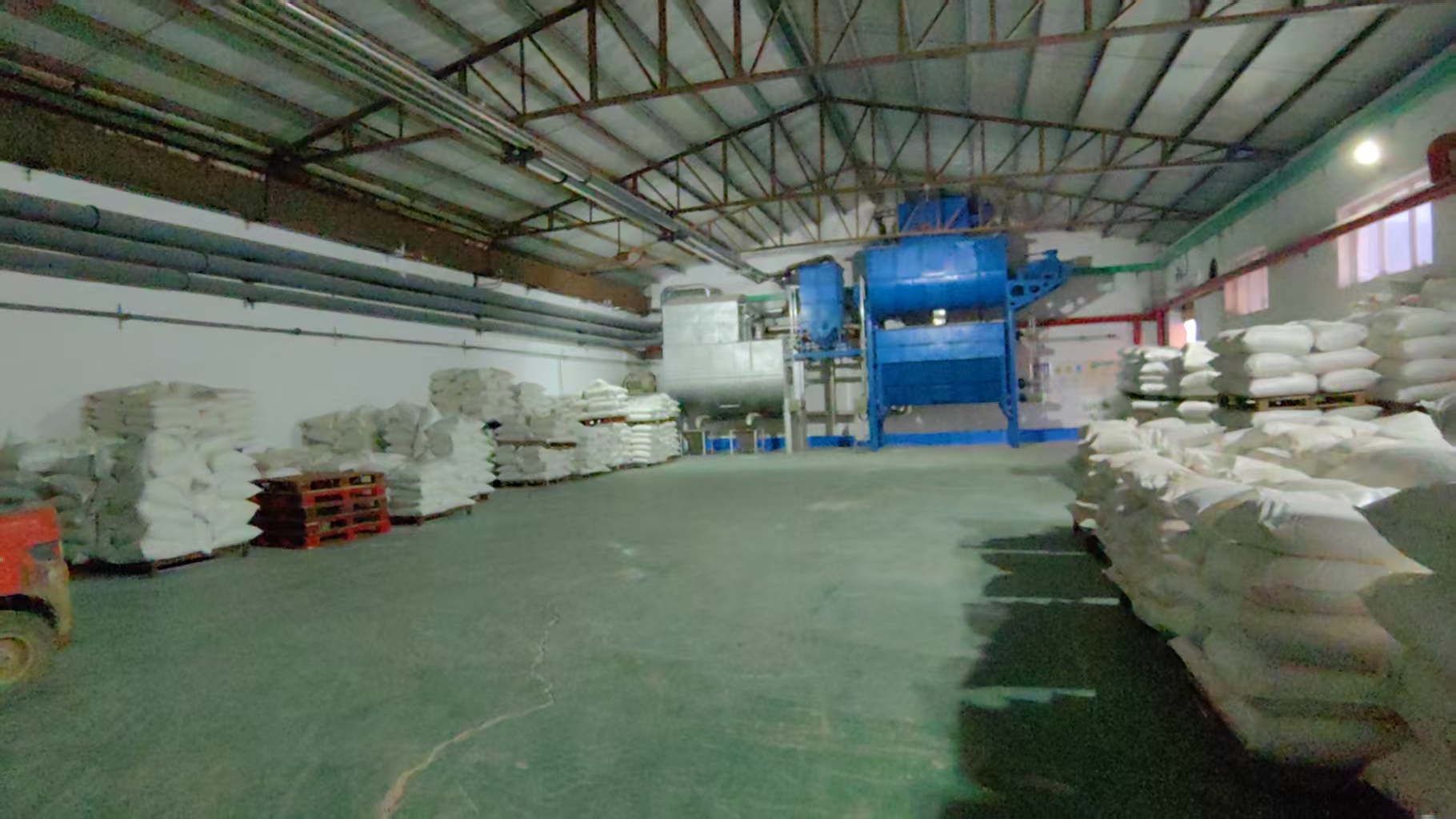
Long-term consistency in HPMC depends on production discipline. The manufacturing process at BANGCEL includes strict raw material incoming inspection, automated production line control, etherification reaction control, drying and crushing, and environmental dust removal. Before delivery, every batch is tested for ash content, viscosity, and purity. This 100% batch quality testing step is essential for buyers who cannot afford surprise variations in their own production lines.
For buyers evaluating product fit, the key parameters of BANGCEL HPMC include:
| Parameter | Typical Range |
|---|---|
| Methoxyl group | 24–30% |
| Hydroxyl propyl group | 4–12% |
| Viscosity | 200–200,000 MPa.s |
| Ash content | <5% |
| Moisture | <5% |
| pH | 6–8 |
Common viscosity grades include HPMC 100000, HPMC 150000, and HPMC 200000, which are typically applied in construction mortars, putties, tile adhesives, and other dry-mix systems. For buyers managing multiple product lines, this range reduces the number of suppliers needed and simplifies quality control.
Application Context: Where the Long-Term Benefits Materialize
In construction, HPMC is widely used as a water-retention agent and thickener. According to Market Research Future, HPMC is the preferred additive in more than 70% of tile adhesive formulations and more than 65% of dry-mix mortar formulations due to its water retention and anti-slip properties. For manufacturers of ceramic tile adhesives, wall putty, plastering mortar, gypsum-based products, self-leveling mortar, and external wall insulation systems, consistent HPMC quality directly affects open time, workability, and final adhesion performance.
In detergents, HPMC functions as a thickener and stabilizer in liquid detergent and tableware detergent formulations, where viscosity control influences dosing, appearance, and consumer perception of product quality. An industrial-grade HPMC with stable rheological behavior can reduce formulation adjustments during production scale-up.
A documented reference point from BANGCEL involves a project in India: the supply of 20 metric tons of product over a 2-year period, with positive customer feedback on water retention and viscosity stability. While this is a single reference, it illustrates the type of recurring supply relationship that long-term buyers typically seek to build.
Market Context: The Case for Long-Term Supplier Commitment
Third-party market data supports the logic of formalizing HPMC supply relationships rather than relying on spot purchases. According to Dataintelo, the global construction-grade HPMC market was valued at USD 1.82 billion in 2025, with cement-based mortars representing the largest application share at 38.4%. Grand View Research reports that construction applications have held a revenue share of more than 45% of the overall HPMC market in recent years. Industry Research estimates that industrial-grade HPMC, including construction and detergent types, accounted for 47% of total global HPMC demand in 2024.
Geographically, Asia Pacific is the leading region for HPMC production and consumption, holding approximately 47.3% of the global construction-grade market share. At the same time, the top-tier players — Dow Chemical, Ashland, and Shin-Etsu — collectively control more than half of the global market, according to Infinity Market Research. For buyers, this concentration means that mid-sized manufacturers with direct production capabilities and export experience can offer a more flexible alternative to the largest suppliers, provided they can demonstrate consistent capacity, quality control, and responsiveness.
BANGCEL vs. Conventional Industrial-Grade HPMC: A Practical Comparison
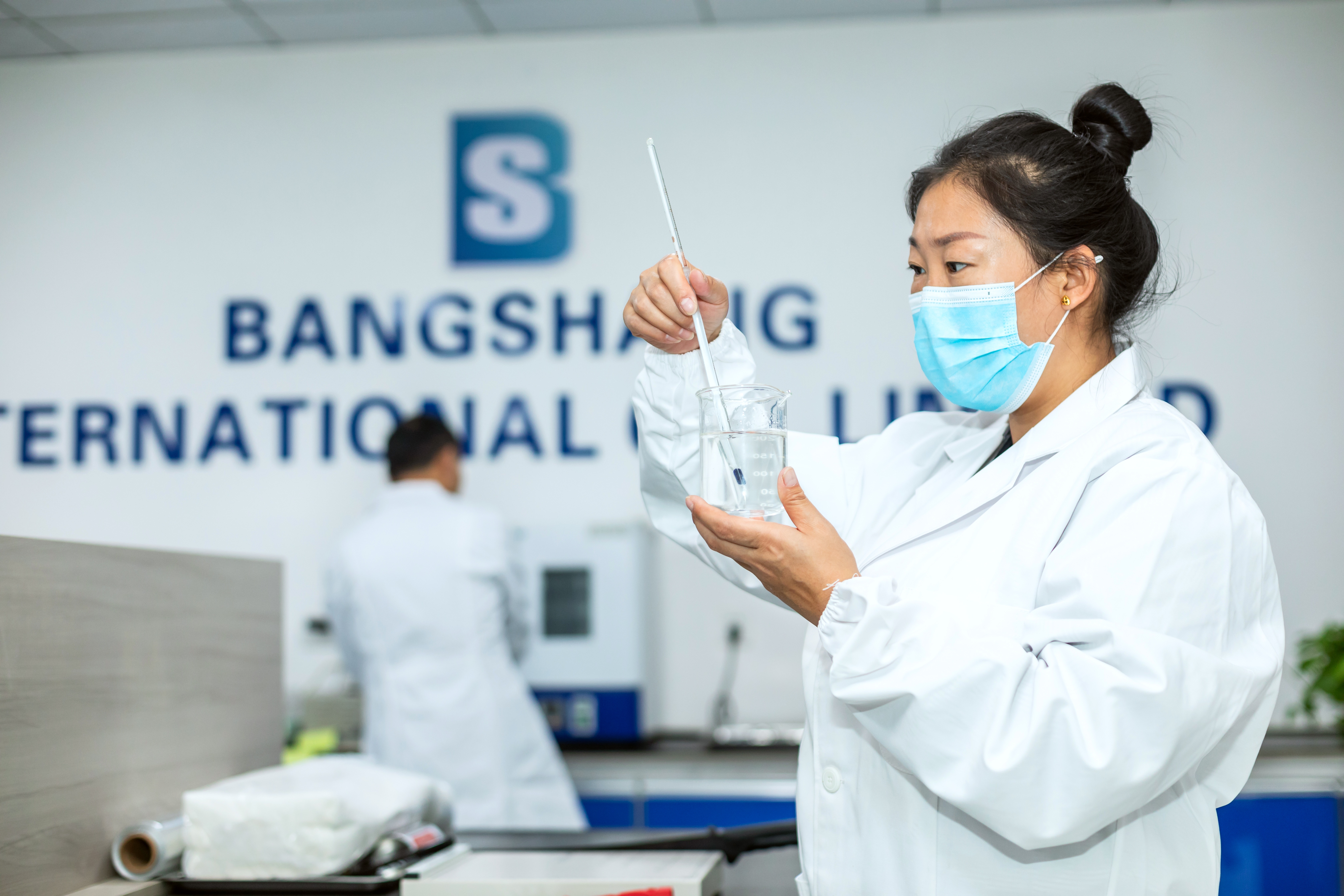
The following comparison summarizes the supplier-reported differences between BANGCEL HPMC and conventional industrial-grade HPMC. Buyers should treat these figures as directional and verify them through their own sample testing during qualification.
| Comparison Point | BANGCEL HPMC | Conventional Industrial-Grade HPMC |
|---|---|---|
| Water retention stability | Higher; reported +10% water retention at 40°C | Baseline |
| Ash content | Reported 70% lower ash | Baseline |
| Open time | Reported +1.5 hours longer open time | Baseline |
| Production efficiency | Higher consistency; less rework | More variability |
| Reported total production cost impact | Reduced by 12%+ (less agglomeration waste, reduced mixing labor, lower dosage due to higher efficiency) | Baseline |
These reported benefits — higher purity, better water retention stability, and longer open time — make BANGCEL particularly suitable for high-end construction applications, export building materials, and specialized mortars where performance consistency justifies a more rigorous supplier qualification.
A balanced view also requires acknowledging the boundaries of any long-term supply model. First, the comparison data above originates from the supplier's internal testing against a conventional industrial-grade baseline; independent buyers should validate performance with their own raw materials and formulations. Second, BANGCEL applies a minimum order quantity of 3 tons, which is practical for steady mixers and formulators but may be too large for occasional small-batch users. Third, the standard commercial terms require 30% TT in advance and 70% against a copy of the bill of lading — a common export arrangement, but one that procurement departments accustomed to open-account terms must approve internally before execution. Fourth, production services are described as available for worldwide markets; because export compliance and certification documentation can vary by destination, buyers should confirm specific regulatory documentation requirements before finalizing a long-term contract.
Future Outlook: What Long-Term Buyers Should Watch
The direction of industrial procurement is moving toward closer supplier collaboration. For HPMC, this is visible in the growth of OEM and ODM demand: buyers increasingly ask suppliers to customize viscosity, substitution degree, particle size, and application-oriented grades based on their specific formulation, raw materials, and application conditions. BANGCEL's stated capabilities include OEM/ODM services, small-batch customization, and the ability to adjust products for tile adhesives, wall putty, EIFS, gypsum-based products, self-leveling mortar, water-based coatings, and detergent formulations.
For construction and detergent manufacturers, the practical implication is that supplier selection should weigh not only current price and specification, but also the supplier's capacity to evolve with the buyer's product portfolio. A manufacturer with dedicated R&D staff, flexible production, and transparent order status is better positioned to support reformulations, new product launches, and seasonal demand fluctuations.
Distributors and authorized channel partners are also part of this picture. Long-term HPMC supply arrangements increasingly include stable pricing structures, priority allocation during peak demand, and after-sales technical support. Buyers evaluating a partnership should confirm whether the supplier has the production depth to support both their own orders and the broader channel without compromising lead times.
Frequently Asked Questions
What should industrial buyers evaluate when choosing a long-term HPMC supplier?
Long-term HPMC supplier evaluation should cover production capacity, lead time, batch consistency, quality control processes, OEM/ODM capability, technical support, and commercial terms. Buyers should verify whether the supplier is an original manufacturer or a trading company, since this affects traceability, customization speed, and after-sales responsibility.
What quality verification measures prevent batch-to-batch inconsistency in HPMC supply?
Key measures include strict raw material incoming inspection, automated production line control, and 100% batch quality testing before delivery. Batch testing should cover ash content, viscosity, and purity — the three parameters most likely to affect mortar performance and detergent formulation stability.
Can HPMC suppliers like BANGCEL provide customized grades for targeted mortar or detergent formulations?
Yes. BANGCEL supports OEM and ODM services, offering customized viscosity, substitution degree, particle size, and application-oriented grades. Technical adjustments can be made based on customer formulations, raw materials, and application conditions, covering products such as tile adhesives, wall putty, EIFS, gypsum-based products, self-leveling mortar, water-based coatings, and detergent formulations.
What production capacity and lead time can a long-term HPMC partner offer?
BANGCEL has a monthly production capacity of 3,000 tons, with an annual output of 35,000 tons. The typical lead time for standard orders is 7–14 days, and the factory covers 80,000 m² with around 300 employees. These figures are relevant for buyers who need stable allocation over multiple order cycles.
What are the minimum order and payment conditions for ongoing HPMC supply?
The minimum order quantity is 3 tons. Standard payment terms are 30% TT in advance and 70% against a copy of the bill of lading. Delivery methods include FOB and CIF, and pre-shipment testing is part of the acceptance process. Buyers should confirm that these terms align with their internal payment and logistics workflows before entering a long-term contract.
What evidence exists that BANGCEL can sustain long-term international supply?
BANGCEL is the product brand of BANG SHANG INTERNATIONAL CO., LIMITED, founded in 2007 with more than 15 years of operational experience. The company exports to markets across North America, Latin America, Europe, the Middle East, Africa, Asia, and Oceania, with an export ratio of approximately 70%. A documented project in India involved the supply of 20 metric tons of product over 2 years, with positive customer feedback on water retention and viscosity stability.