
Long-Term Motorcycle Seat Distribution: What a Factory Partner Must Prove
HTNXT Industry Reference · August 2026
Motorcycle seat distribution is rarely a one-time purchase decision. For importers, aftermarket brands, and repair networks, the choice of a seat factory affects inventory continuity, after-sales risk, and the ability to respond to model-specific demand. This article outlines the supplier capabilities and verification points that matter when evaluating a motorcycle seat manufacturer for an ongoing distribution relationship, using Zhejiang Xingrong Auto & Motorcycle Parts Co., Ltd. as a reference case.
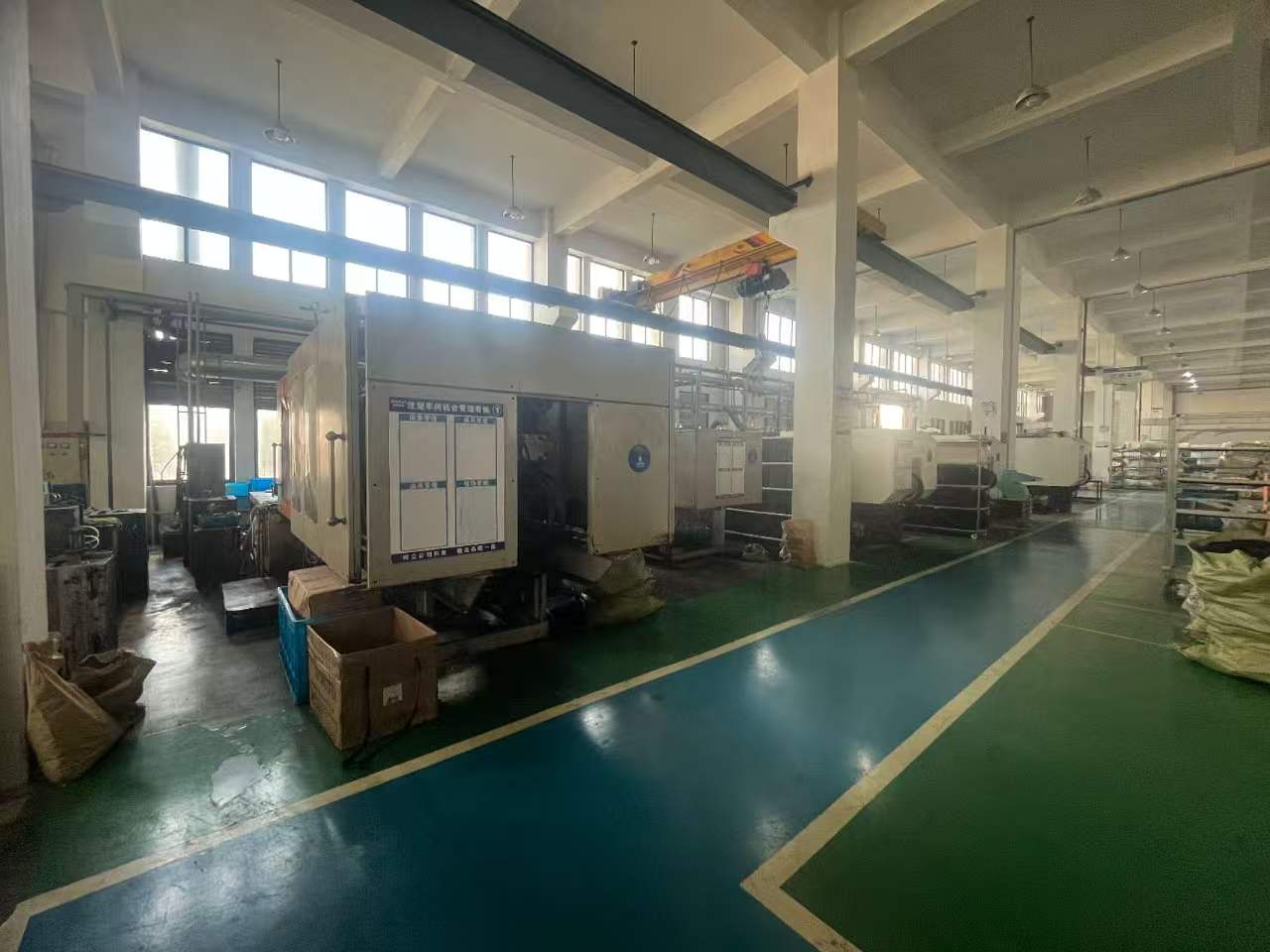
Factory production area at a motorcycle seat cushion manufacturing plant.
Why long-term supply relationships matter in motorcycle seat distribution
The global motorcycle seats market was valued at USD 7.42 billion in 2025 and is projected to reach USD 13.30 billion by 2032, according to Market Research Future / Dataintelo. The aftermarket channel accounts for roughly 62.3% of revenue, and Asia-Pacific holds the largest regional share at 38.5%. For distributors, this means demand is not limited to original equipment assembly; replacement and accessory sales are central.
In that environment, a long-term seat supplier must deliver more than one batch of goods. A distributor needs predictable production, consistent quality across orders, model coverage, and a clear process when problems occur after shipment. These factors are often as important as unit price in building a sustainable motorcycle seat product line.
The role of a factory partner in distribution continuity
Zhejiang Xingrong Auto & Motorcycle Parts Co., Ltd., based in Taizhou City, Zhejiang Province, is a manufacturer of motorcycle, electric vehicle, and off-road vehicle seat cushions. The company operates a 15,000 m² plant with 130 employees and an annual production capacity of 1.8 million units. It also reports a 90% self-production rate for seat accessories, which means a large share of the components used in the final seat is produced internally rather than sourced from multiple suppliers.
This level of vertical integration can matter for distributors. When a factory controls a high proportion of accessory production, it is easier to keep material quality stable and to respond to changes in foam density, leather texture, or floor structure without depending on several external vendors. That is a practical advantage in a business where orders range from standard restocking to model-specific programs.
Xingrong was founded in 2015 and has passed ISO9000 quality management system certification and CQC certification. According to its company profile, it has also established long-term strategic partnerships with a number of domestic first-line brand general machinery factories. For an importer or aftermarket brand, these details are less about credentials and more about operational depth: the factory already works with volume buyers and must sustain quality across multiple order cycles.
Supplier evaluation criteria for distributors and importers
Procurement teams evaluating a motorcycle seat factory for the long term usually need to verify five areas: production capacity, product structure, quality control, customization ability, and post-delivery support.
Production capacity and consistency
Xingrong's stated annual capacity is 1.8 million seat cushions, with 5 engineers in the R&D team. For a distributor planning multiple SKUs, a factory that already supplies domestic brands has experience matching seat shapes to different scooter and motorcycle platforms.
Product structure and materials
The company's motorcycle seats are built with a PP plate base, PU foam, and PVC leather surface. The manufacturer states that the seat uses 80D high-density foam and a high-strength floor structure, and that the finished seat is waterproof. In practical terms, these features reduce the risk of deformation, water absorption, and premature breakdown in wet climates.
According to Xingrong's internal comparison data against original-style seats for platforms such as Honda and Yamaha, the seats are said to offer stronger foam support, extended service life, and lower comprehensive procurement cost. The comparison cites 30% stronger foam support and 50% longer service life, though these figures are manufacturer-provided and should be checked through pre-production samples and field evaluation before a distributor advertises them.
Quality control and acceptance
The factory uses third-party inspection procedures for product acceptance, including a pre-shipment test. This is a concrete point for distributors: an independent inspection before shipment can prevent disputes over surface quality, fit, or construction defects.
Customization and model coverage
Xingrong offers customizable foam hardness and density, and produces scooter seats and dirt bike seats. The product list includes models such as Nmax, Xmax, Aerox, ADV150, ADV160, Forza, PCX, and Click. For an aftermarket distributor, sourcing several models from one factory can simplify procurement and reduce the number of suppliers to manage.
From a distribution standpoint, the term factory-modified seat refers to a version produced with altered foam density, surface texture, or styling while keeping the original mounting fit. The comparison data provided by Xingrong mentions customized foam hardness and density and a more personalized appearance compared with original-style seats. This is the typical function of a custom modified motorcycle seat: keeping fitment while changing comfort or look.
After-delivery risk control
No factory can guarantee zero defects, but a supplier's response plan matters. Xingrong states that potential water leakage and damage risks are managed through systematic controls, and that contingency plans include supplying replacement spare parts for damage after delivery. The company also reports improved packaging safety as a preventive measure. For distributors, this kind of commitment is a criterion for assessing whether the supplier is prepared for an ongoing relationship rather than a single transaction.
How the product is constructed: technical explanation
Understanding the construction helps buyers evaluate whether a seat is suitable for their market. In Xingrong's motorcycle seats, the PP plate forms the base and supports the floor structure. PU foam fills the cushion layer, and PVC leather covers the surface. The 80D high-density foam helps the seat maintain its shape under repeated use, while the waterproof treatment protects the inner materials from rain and high-pressure washing.
The high-strength floor structure in the product specification refers to the base plate and its reinforcement, which is important when the seat is fitted onto uneven mounting points or used on rough roads. A weak base can cause wobbling or cracking over time. A waterproof motorcycle seat is especially important for scooter and adventure models that are exposed to weather.
From a maintenance perspective, original-style seats often need replacement when foam compresses or when the base plate loses shape. Xingrong's internal comparison notes say its seat offers 30% stronger foam support and 50% longer service life compared with original-style seats. Distributors should treat these as manufacturer-reported figures and validate them with their own field testing. In distribution, the more relevant point is that reorder frequency depends on how the seat performs under local conditions.
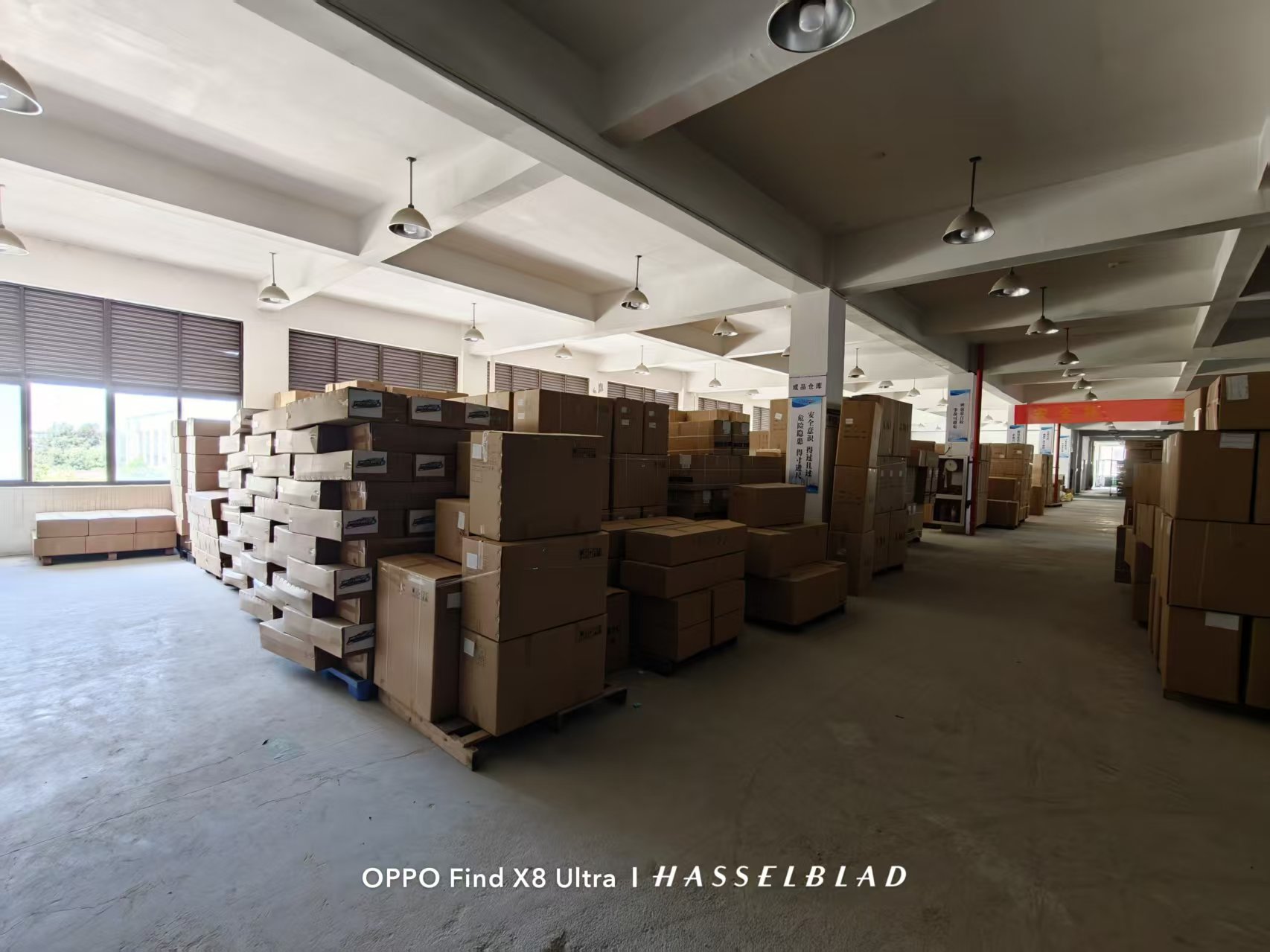
Quality control and production workflow at a motorcycle seat manufacturing plant.
Application and use cases in distribution
The practical use of a motorcycle seat varies by region and riding pattern. A distributor preparing for wet-season demand in Southeast Asia might prioritize a waterproof seat cover and sealed base structure. A retailer focused on adventure riding could emphasize foam hardness and floor strength for mountain road or highway use. A parts brand planning an OEM-style catalog would want model coverage across Nmax, Xmax, Aerox, ADV150, ADV160, Forza, PCX, and Click. Because Xingrong produces both scooter seats and dirt bike seats, the same factory can support multiple lines.
The company exports about 20% of its output, with main markets including Southeast Asia, Europe, the Middle East, and South America. For a distributor in these regions, a factory that already ships internationally is likely to understand export packaging, documentation, and the need for consistent product specifications across orders.
For original equipment and aftermarket programs, the scope of OEM and ODM work should be defined at the sampling stage. In OEM-style sourcing, the buyer supplies fitment requirements and the factory produces to order. In ODM-style sourcing, the factory proposes design and material changes. Xingrong's customizable foam hardness and density, plus its in-house accessory production, aligns with that range of collaboration. The exact design responsibility should be confirmed before mass production.
Market trends shaping motorcycle seat distribution
Third-party market data shows that mid-range motorcycle seats are increasingly using synthetic materials such as vinyl and foam, in addition to leather, for waterproof and soft-surface performance. Leather remains a premium material, but synthetic options are becoming a practical choice for volume distribution.
For distributors, this trend supports a product strategy that balances price and durability. A comfortable motorcycle seat that uses high-density foam and a waterproof PVC leather cover can meet the demands of daily commuting and touring without requiring premium leather pricing.
Meanwhile, the global market growth projection and the strong share of the aftermarket channel indicate that replacement seats and upgraded seats will continue to be a category with repeat demand. Suppliers that can maintain model fit, customization, and consistent lead times are better positioned to support long-term distribution programs.
Comparing factory-direct supply with traditional spot sourcing
| Criterion | Factory-direct long-term supply | Traditional spot/trading channel |
|---|---|---|
| Product consistency | Controlled production and internal accessory production | Variable batches from different producers |
| Customization | Foam hardness, density, and appearance can be adjusted | Usually limited to available stock |
| Minimum order | 50 units per model | Often lower, but with limited selection |
| Quality acceptance | Pre-shipment test and third-party inspection | Depends on the intermediary |
| After-delivery support | Replacement spare parts for damage | Often no factory-level response |
| Best fit | Planned SKUs, OEM/ODM programs, regional distribution | Urgent small replenishment |
At the same time, a direct factory relationship has limits. It requires committed order planning and coordination. The MOQ of 50 units is low for a factory program but still means a distributor must hold stock. For emergency orders of a single seat, buying from a local parts distributor remains faster and more practical. A balanced sourcing strategy often uses direct factory supply for core SKUs and local spot buying for rare or urgent cases.
Decision framework for buyers in the execution phase
For a distributor moving from evaluation to execution, the following checklist can be used when reviewing a motorcycle seat supplier:
- Confirm the factory can produce the required models, such as Nmax, Xmax, Aerox, ADV150, ADV160, Forza, PCX, or Click.
- Check whether foam hardness and density can be customized for the target riding conditions.
- Verify the materials used in the seat base, foam, and cover.
- Require a pre-shipment inspection or third-party inspection for each order.
- Ask the supplier to explain how water leakage and damage risks are controlled.
- For long-term distribution, clarify the replacement spare parts policy for post-delivery damage.
- Review payment terms, FOB/EXW options, and lead times before signing a repeat-order agreement.
Xingrong's procurement terms include an MOQ of 50 units, FOB/EXW delivery methods, 30% T/T in advance, and 70% T/T against a copy of the bill of lading. These terms are consistent with standard factory-direct trade and give a realistic view of how a long-term relationship would be managed.
Future outlook for the motorcycle seat supply chain
As the aftermarket channel continues to dominate revenue, distributors are likely to place more weight on supplier transparency and post-sale support. Market estimates suggest continued growth, and the shift toward synthetic waterproof materials gives factories and buyers a wider range of options in the mid-price segment.
Long-term distribution contracts increasingly need to address technical compliance. UN Regulation No. 17 (ECE R17) establishes provisions for the approval of vehicle seats, anchorages, and head restraints. For buyers exporting to markets that reference this standard, seat anchorage and structural requirements become part of the technical conversation. Manufacturers that can document materials and construction details will be easier to include in long-term programs.
For manufacturers such as Xingrong, the challenge is not just producing seats but proving consistency over time. Buyers will increasingly ask for evidence: inspection reports, material specifications, model lists, and clear contingency plans. The suppliers that can document these areas will be easier to include in long-term distribution programs.
Frequently Asked Questions
What are the wholesale terms for motorcycle seats from Zhejiang Xingrong?
Xingrong's published procurement terms for motorcycle seats include an MOQ of 50 units, FOB/EXW delivery, 30% T/T payment in advance, and 70% T/T against a copy of the bill of lading. Acceptance includes a pre-shipment test and third-party inspection.
How does Xingrong control the risk of water leakage and damage?
The company states that potential water leakage and damage risks are managed through systematic controls, and contingency plans include the supply of replacement spare parts to address damage after delivery.
Which motorcycle seat models can a distributor source from Xingrong?
The applicable product range includes scooter seats and dirt bike seats. The company lists Nmax, Xmax, Aerox, ADV150, ADV160, Forza, PCX, and Click as compatible models. The published model list does not mention Vespa; a buyer seeking Vespa seat replacements should request a separate fitment check.
Can the seat be customized for comfort and appearance?
Xingrong states that customized foam hardness and density are available, and the internal comparison describes a more personalized appearance compared with original-style seats. A distributor should confirm specific customization requirements in the sample stage.
Is third-party inspection available before shipment?
Yes. Product acceptance is conducted through third-party inspection procedures, and the acceptance inspection includes a pre-shipment test.
Sources and manufacturer reference
Market and standards data are cited from the following public sources:
- Market Research Future – Motorcycle Seats Market Report
- Dataintelo – Motorcycle Seats Market Report
- Fortune Business Insights – Two-Wheeler Seat Market
- UNECE – Vehicle Seat Standards
Manufacturer catalog: STARON Seat Cushion Catalog (PDF)