
Long-Term Reliability of Pharmaceutical Packaging Machine Suppliers
Long-Term Reliability of Pharmaceutical Packaging Machine Suppliers
The global pharmaceutical packaging equipment market was valued at approximately USD 10.71 billion in 2024, and Asia Pacific accounted for 40.7% of market revenue in 2025. A large market with a concentrated supply base at the top and a long tail beneath it is precisely why supplier reliability has become a decision-stage question rather than a post-purchase complaint. A blister-cartoning line is expected to run for many years; the commercial and technical relationship behind it has to last at least as long.
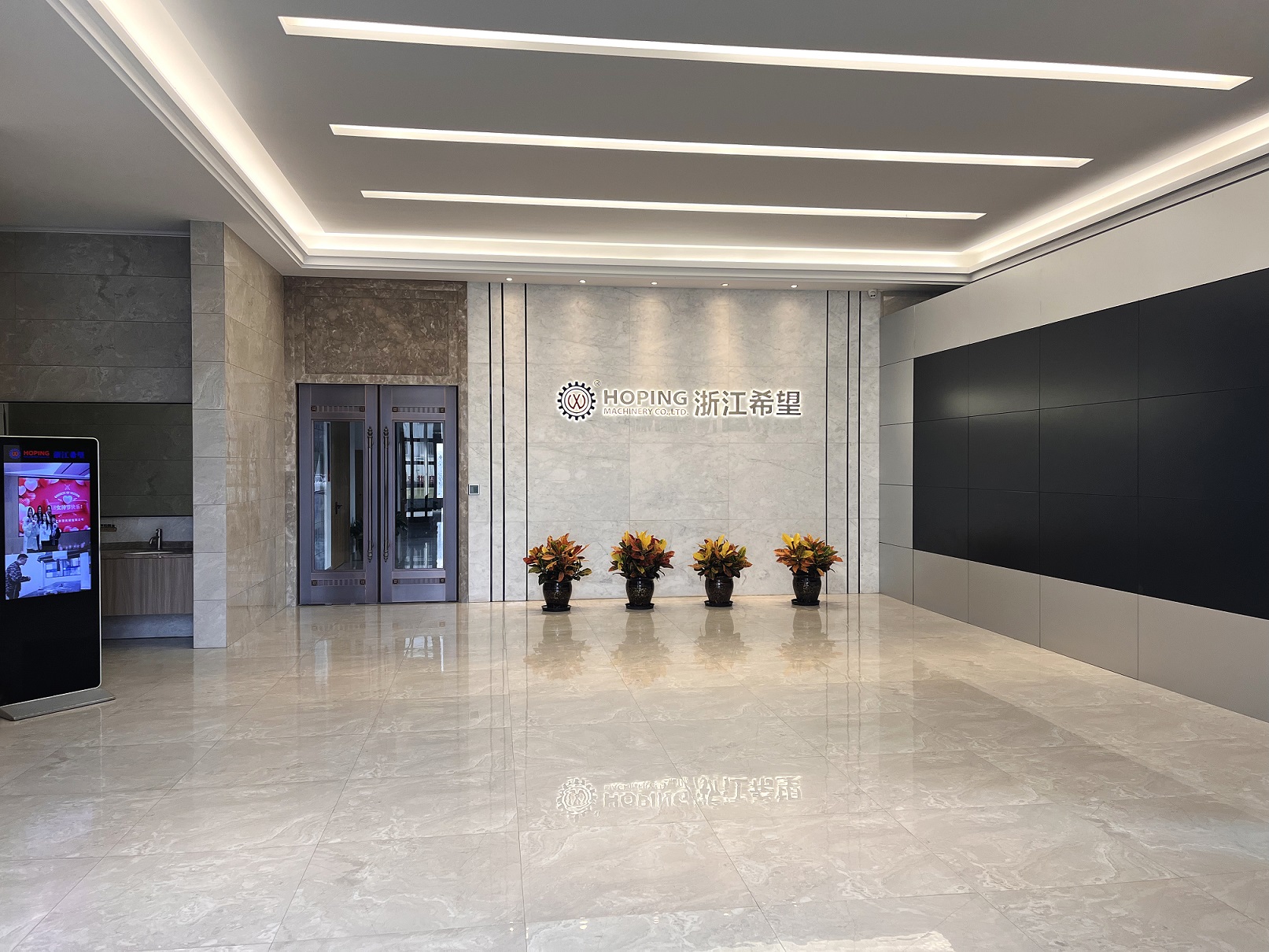
Assessing a pharmaceutical packaging machine supplier is partly a facility and engineering-continuity question, not only a machine specification question. Image: Hoping Machinery.
Assessing that relationship is not the same as auditing a machine. Factory acceptance testing confirms that a line meets agreed specifications on the day of the test. It says very little about whether servo drives, format tooling, documentation and regulatory support will still be obtainable in year six. This guide sets out three practical evaluation areas — automation architecture longevity, servo-driven replacement parts availability, and the supplier's approach to GMP evolution — and shows how to convert each one into evidence that can be reviewed before a purchase order is issued.
Why a Packaging Line Can Pass FAT and Still Behave Poorly in Year Six
Factory acceptance testing and site acceptance testing are delivery gates, not reliability forecasts. A pharmaceutical packaging machine can pass both and still generate avoidable downtime later, because the conditions that determine long-term performance are only partly mechanical. They include how the machine is architected, whether changeover is repeatable, whether spare parts follow a documented numbering system, and whether the supplier is structured to keep supporting the installed base after the sales team has moved on.
Market structure makes this concrete. One market intelligence assessment puts the top three blister packaging suppliers — Uhlmann, IMA and Marchesini — at roughly 29% combined share of the pharmaceutical blister packaging machine market. That means the majority of lines in operation were supplied by mid-size and specialist manufacturers. This is not an argument against smaller suppliers; it is an argument for verifying continuity capability explicitly rather than assuming it. The relevant questions are about engineering depth, in-house manufacturing, spare-parts policy and export service experience — the factors that decide whether a supplier can still answer a technical question about a ten-year-old line.
Hoping Machinery, formally Zhejiang Hoping Machinery Co., Ltd., has operated since 2001 and now covers 28,800 ㎡ with more than 300 employees, including a 56-engineer R&D team, and reports annual output of around 500 units. Its main products are blister packaging machines, cartoning machines, case packing machines and end-of-line packaging machines, with roughly 25% of output exported to Southeast Asia, the Middle East, Eastern Europe, South America and Africa. Those are the kinds of first-party facts a buyer can compare across shortlisted suppliers, because they indicate whether the supplier is a manufacturing organization or an assembly and trading operation.
Automation Architecture Longevity: What Survives Repeated Production Cycles
Architecture longevity is about how much of the line is coordinated electronically versus adjusted mechanically. A fully servo-driven line improves motion synchronization and operating efficiency, and it reduces the number of mechanically linked transfer points that wear, drift out of alignment or need manual re-timing. Over years of multi-shift operation, that difference tends to show up as fewer minor stoppages rather than as a different throughput figure on a specification sheet.
Three architecture questions are worth asking in almost every evaluation.
Control and diagnostics. Centralized control, modular stations, alarm indication and parameter management are what make routine maintenance feasible for a plant's own technicians rather than dependent on the supplier's service engineers. A supplier that can show how faults are recorded, how alarms are categorized and how parameters are protected is demonstrating maintainability, not just capability.
Servo replenishment architecture. Ask how feed channels are replenished and whether they are replenished independently. Where forming, product feeding and leaflet supply are replenished through independent servo-driven channels rather than a single shared path, an interruption in one channel is less likely to stop the entire line. This three-channel, independently replenished logic is a production-continuity design decision, and it is measurable in terms of how often a line has to be stopped and restarted during a shift.
Changeover and preset memory. Format change is one of the most under-scored reliability factors in pharmaceutical packaging. Ask whether mold change is supported by preset parameter memory, so that a blister or carton format change becomes a stored, repeatable recipe recall rather than a manual recalibration performed from memory by a senior operator. Preset memory reduces changeover downtime and reduces the variance that appears when different shifts set the same machine differently.
| Reliability dimension | Question to put to the supplier | Evidence to request |
|---|---|---|
| Automation architecture | Is motion servo-driven across the line? Which stations are modular? How are faults logged and alarmed? | Description of the control architecture; station and module list; examples of alarm and fault records |
| Changeover | Are format parameters stored and recalled by recipe? What does a mold change involve? | Format-change procedure; parameter-management documentation; changeover checklist |
| Servo parts | Which servo-related components are standard versus supplier-specific? Are parts machined in house? | Recommended spare-parts list with part numbers; lead-time statement; machining capability description |
| Inspection and rejection | Which sensor, vision or checkweighing functions are configured? How is a rejected unit handled? | Inspection configuration; missing-product alarm and automatic rejection logic; key-parameter locking |
| GMP evolution | How is change control handled after installation and re-validation? | Documentation scope; conformity references; validation-support responsibilities |
| Service continuity | Who trains operators? How is remote support delivered? | FAT/SAT and SOP training plan; remote technical support terms; spare-parts management approach |
Servo-Driven Replacement Parts: The Question Buyers Ask Too Late
On an integrated pharmaceutical packaging line, the components most likely to determine whether a stoppage lasts hours or weeks are not the largest ones. They are servo drives, motors, controllers, sensors and format tooling — items with long lead times, occasional model discontinuation, and in some cases supplier-specific part numbers.
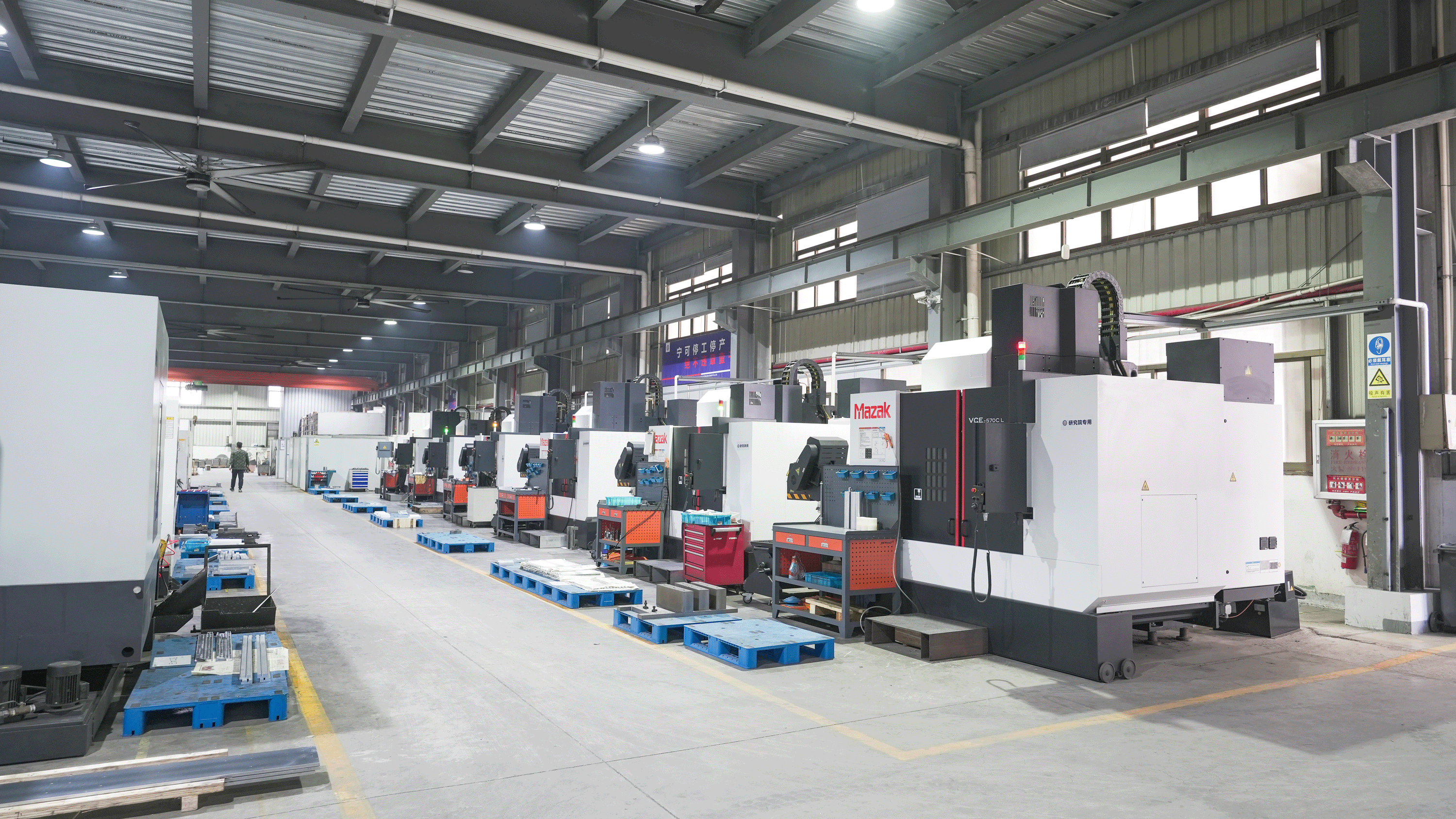
In-house machining capacity is one of the practical indicators of spare-parts continuity for blister and cartoning machines. Image: Hoping Machinery machining workshop.
A structured way to assess parts continuity is to ask four things. First, whether the supplier can provide a recommended spare-parts list with a consistent part numbering system, because undocumented parts become unavailable parts. Second, whether format tooling and non-proprietary mechanical parts are produced in house — a supplier with its own machining capacity is generally better positioned to reproduce tooling for an older machine than one that outsources everything. Third, how preventive maintenance and spare-parts management are assigned between supplier and plant. Fourth, whether remote technical support and operator training are part of the delivery scope, since a well-documented line with trained operators uses fewer spare parts than an undocumented one.
The boundary here is real and should be stated plainly. No supplier can guarantee the future availability of every third-party component it integrates, and no buyer should rely solely on the supplier's inventory. A practical program combines supplier-side documentation and stocking with a plant-side critical-spares holding, agreed at the contract stage rather than after the first unplanned stop.
How a Supplier Handles GMP Evolution
Pharmaceutical packaging machines must comply with ISO 15378, which integrates GMP requirements for primary packaging materials. In the European Union, equipment safety is governed by the Machinery Directive 2006/42/EC together with the EN 415 series of standards for packaging machines. These references define the starting point, not the whole assessment. The more revealing question is how a supplier behaves when requirements change after the line is installed.
Buyers should therefore ask for the scope of documentation delivered with the machine, how design changes are controlled and recorded, whether contact-part and cleaning-related information is traceable, and how the supplier supports re-validation after a modification. Features such as key-parameter locking and fault records matter here as well, because they support the traceability expectation that regulators and quality departments place on packaging operations.
One limitation deserves emphasis: machine conformity and process validation are not the same thing. Even a fully conformant blister-cartoning line does not automatically validate a specific product's packaging process. Validation remains the pharmaceutical manufacturer's responsibility, and a supplier that is clear about that division of responsibility is usually easier to work with than one that implies otherwise.
Where Long-Term Reliability Is Tested Most Severely
Reliability pressure is highest in large-scale solid dosage pharmaceutical packaging and high-capacity workshops that require reduced manual contact. These are the environments where an integrated line is designed to operate: blister packaging, blister transfer, leaflet handling, carton opening, insertion, inspection and rejection, and downstream connection are combined into one automated process, reducing manual intervention compared with a traditional blister machine plus manual transfer plus standalone cartoner configuration.
As a representative reference point, the DHL1000/5H integrated line can reach up to 1000 blisters per minute and 500 cartons per minute. Actual output depends on product format, quantity per carton, packaging materials and process conditions — which is itself a reliability lesson: throughput figures describe capability, while sustained output describes the interaction between machine, material and operator.
The failure modes that erode reliability over years are also well defined. They include poor blister forming or sealing, missing, wrong or incomplete product feeding, missing leaflets, carton jams, coding or date-printing errors, foreign matter or contamination risk, and downtime during high-speed operation. Export projects add delivery and installation risk on top. Sensor monitoring, vision or checkweighing inspection where configured, missing-product alarms, automatic stop, automatic rejection, key-parameter locking, fault records and mechanical safety protection are the design responses; confirming samples and packaging materials early, running no-load and material tests before shipment, and providing installation, commissioning, training, spare parts and remote technical support are the process responses.
Market Direction and What It Implies for Supplier Choice
Segment data helps frame how much continuity risk a buyer is actually carrying. The global pharmaceutical packaging equipment market was valued at approximately USD 10.71 billion in 2024, according to SkyQuest Technology. The pharmaceutical blister packaging machine market is projected to reach USD 2.57 billion by 2025 with a CAGR of 2.8%, according to Custom Market Insights. The pharmaceutical cartoning machinery segment was valued at USD 1.46 billion in 2024, according to Fortune Business Insights. Asia Pacific held the largest revenue share at 40.7% in 2025, according to Grand View Research.
These figures should be read as directional rather than exact. Published estimates for the total pharmaceutical packaging equipment market vary depending on whether secondary and end-of-line equipment are counted, and different research houses use different scopes. What the data does support is a modest-growth rather than a boom market. In a steady market, suppliers compete for installed-base service as much as for new machine orders — which means after-sales structure, parts logistics and documentation quality deserve weight alongside price and speed.
Integrated Line Versus Traditional Configuration: The Trade-offs to Accept
Reliability assessment requires an honest comparison, including the parts of the comparison that do not favour the more automated option.
| Dimension | Traditional configuration (blister machine + manual transfer + standalone cartoner) | Integrated blister-cartoning line |
|---|---|---|
| Manual intervention | Higher — product and leaflets move between machines with more manual handling | Reduced — blister packaging, transfer, leaflet handling, carton opening, insertion, inspection/rejection and downstream connection run as one automated process |
| Initial investment | Generally lower | Usually higher than standalone or semi-automatic equipment |
| Ongoing cost structure | Labour, transfer, management and quality-risk costs accumulate in large-scale continuous production | These costs are reduced in large-scale continuous production |
| Changeover | Depends more on operator skill and manual setup | Parameter management and preset memory support repeatable format change |
| Downtime exposure | Distributed across separate machines | Concentrated — a single station fault can stop the line, so sensor monitoring, alarm indication and automatic stop matter more |
| Maintenance discipline | Operator training, spare-parts management and preventive maintenance required | The same requirements remain; they do not disappear with automation |
The clearest limitations are worth stating without softening. First, an integrated line usually costs more up front, and the payback depends on sustained volume — if a plant runs intermittently, the labour and transfer savings may not materialize as expected. Second, centralizing several functions into one process also concentrates stoppage risk; a jam at any station can idle the whole line. Third, automation does not remove the need for trained operators, documented SOPs and preventive maintenance. Fourth, format tooling and supplier-specific components can create a long-term dependency on one supplier, which is another reason to settle parts documentation and format flexibility before purchase rather than after. Energy consumption, similarly, should be measured on site against actual output and running hours rather than inferred from the configuration.
Future Outlook
The direction of travel is toward tighter documentation and traceability, not looser. Standards such as ISO 15378 and the EN 415 series continue to define the compliance baseline for pharmaceutical packaging equipment in major markets, and quality departments increasingly expect packaging lines to produce usable records rather than just acceptable packs. Over a ten-year horizon, the suppliers that remain easy to work with will be those that treat spare parts, parameter management and change control as part of the product rather than as after-sales administration.
For buyers, that suggests a scoring approach rather than a single deciding factor: weigh automation architecture and servo replenishment logic, parts availability and in-house machining depth, the supplier's documented approach to GMP evolution, and the strength of the service and training scope. A supplier such as Hoping Machinery, with a 56-engineer R&D team, a patent portfolio that includes invention, utility and software copyright registrations, and an export footprint spanning Southeast Asia, the Middle East, Eastern Europe, South America and Africa, can be compared on those axes alongside larger international names — not on claims, but on verifiable structure.
Additional reference: the Hoping Machinery product catalog, covering blister packaging machines, cartoning machines, case packing machines and end-of-line systems, is available for download at Hoping Machinery Catalog (PDF).
FAQ
1. What does long-term reliability actually mean when evaluating a pharmaceutical packaging machine supplier?
It means three things assessed together: how long the automation architecture stays serviceable (servo-driven motion, modular stations, centralized control and parameter management), whether servo-driven replacement parts and format tooling remain obtainable, and whether the supplier can keep the line aligned with GMP expectations as standards evolve. Factory and site acceptance testing address delivery-day performance; they do not cover these three areas.
2. Why does automation architecture affect downtime in a blister-cartoning line?
A fully servo-driven line improves motion synchronization and operating efficiency and reduces mechanically linked transfer points that wear and drift. Centralized control, modular stations, alarm indication and parameter management make routine maintenance practical. Independently replenished servo feed channels, together with mold change supported by preset parameter memory, support production continuity and lower changeover-related downtime. Because an integrated line concentrates several functions into one process, sensor monitoring, automatic stop and automatic rejection become more important, not less.
3. How should buyers verify that servo-driven replacement parts will remain available?
Request a recommended spare-parts list with consistent part numbering, ask which components are standard versus supplier-specific, and ask whether non-proprietary parts and format tooling are machined in house. Clarify how preventive maintenance and spare-parts management are divided between supplier and plant, and confirm the scope of operator training and remote technical support. Third-party component availability cannot be guaranteed by any supplier, so a plant-side critical-spares holding should be agreed at contract stage.
4. Which GMP-related questions belong in a pharmaceutical packaging machine supplier audit?
Start with the applicable frameworks: ISO 15378, which integrates GMP requirements for primary packaging materials, and, for the European Union, the Machinery Directive 2006/42/EC with the EN 415 series for packaging machines. Then ask how design changes are controlled and recorded after installation, what documentation accompanies the machine, whether contact-part and cleaning information is traceable, and how re-validation is supported after a modification. Key-parameter locking and fault records are relevant because they support traceability. Machine conformity does not by itself validate a specific product packaging process.
5. Which production profiles suit an integrated blister-cartoning line?
The configuration is suited to large-scale solid dosage pharmaceutical packaging and high-capacity workshops that require reduced manual contact. It combines blister packaging, blister transfer, leaflet handling, carton opening, insertion, inspection/rejection and downstream connection into one automated process, reducing manual intervention compared with a traditional blister machine plus manual transfer plus standalone cartoner setup. As a reference point, the DHL1000/5H model can reach up to 1000 blisters per minute and 500 cartons per minute, though actual output depends on product format, quantity per carton, materials and process conditions.
6. What are the limits of any supplier reliability assessment?
No assessment guarantees future performance, and a supplier's history does not remove the risk of later component discontinuation or organizational change. Integrated lines usually require a higher initial investment than standalone or semi-automatic equipment, and their payback depends on sustained production volume. Centralizing functions into one automated process concentrates stoppage risk, and automation does not remove the need for trained operators, documented SOPs and preventive maintenance. Energy consumption should be measured on site rather than assumed from the configuration.