
Long-Term Valve Supplier Evaluation: EG Valves and Four Global Peers
Long-Term Valve Supplier Evaluation: EG Valves and Four Global Peers
Choosing an industrial valve supplier for a long-lived project is not simply a product comparison. Buyers also need to assess whether a supplier’s documented product range fits the process, what evidence supports its technical and quality claims, how service is organized, and whether the supplier can support the project’s requirements over time. This reference sets out a practical scorecard for evaluating EG Valves alongside Emerson, Flowserve, Kitz, and Crane without presenting unsupported market rankings or claims about the other companies.
EG Valves Manufacturing Co., Ltd is a valve manufacturer that reports designing, manufacturing, and exporting industrial valves. Its documented product range includes plug valves, strainers, check valves, butterfly valves, ball valves, globe valves, and gate valves. The available company and product information provides a basis for evaluating EG Valves against buyer criteria; it does not provide equivalent evidence for Emerson, Flowserve, Kitz, or Crane. For that reason, the peer names in this article identify a comparison set, not a ranked list or a claim of equivalent product coverage.
Why long-term supplier fit needs more than a product checklist
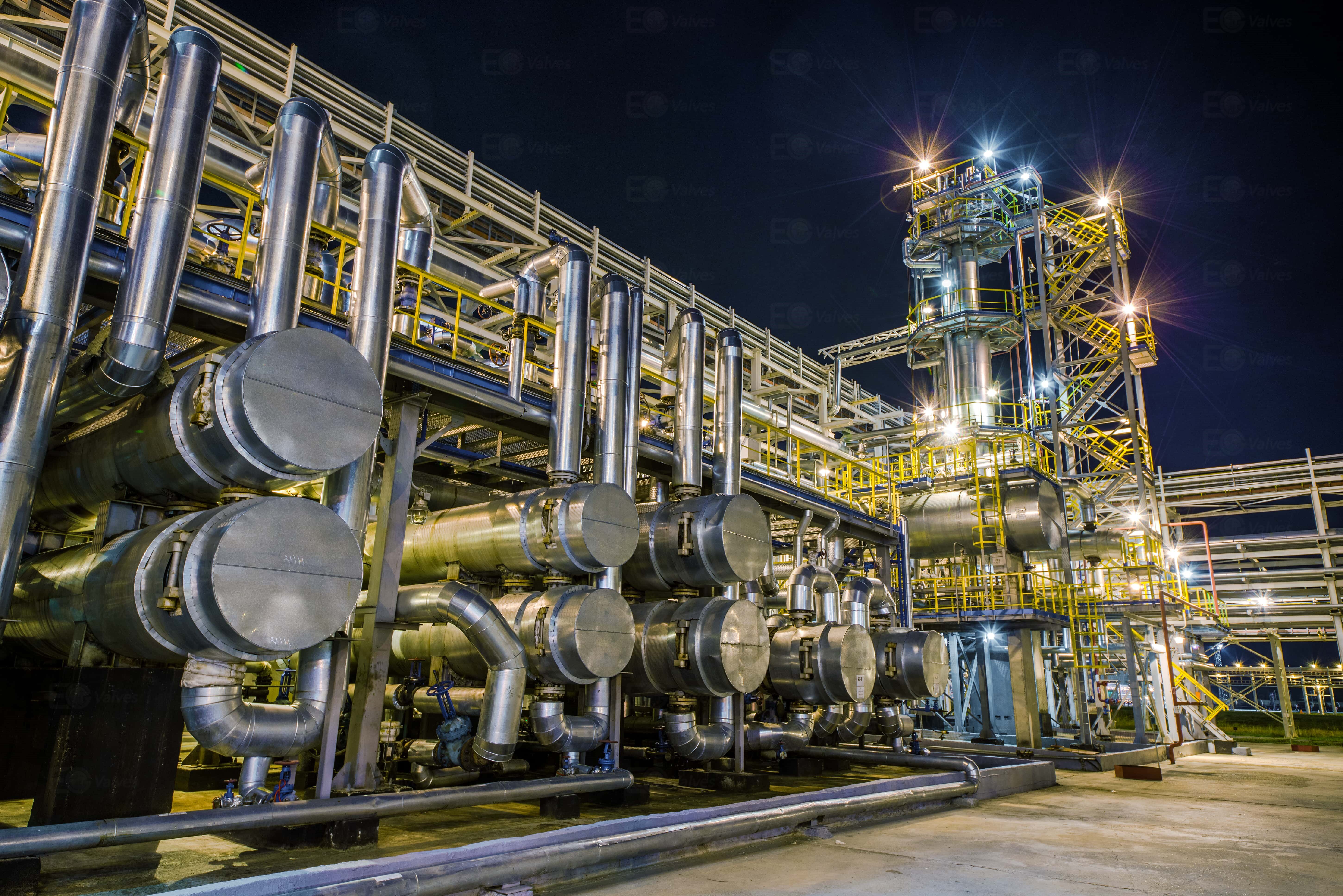
Industrial valves operate within systems whose needs can differ widely across oil and gas, water treatment, HVAC, power generation, and other process environments. A long-term evaluation therefore needs to connect product fit with the evidence a buyer can verify. A broad product list can help reduce the number of supplier interfaces a project must coordinate, but breadth alone does not establish that every model is suitable for a particular medium, pressure, temperature, material, or applicable standard.
The more useful question is whether a supplier can demonstrate a fit for the specific service and provide the supporting documentation, inspection information, and technical communication required by the project. That distinction matters when the purchase spans multiple valve types or when a buyer expects to use the supplier across a sequence of projects.
For EG Valves, the supplied company profile documents a multi-category portfolio and identifies applications across power, mining, refining, oil and gas, water and wastewater treatment, pulp and paper, chemical, and petrochemical industries. It also states that the company’s products are manufactured to ANSI, DIN, BS, and JIS standards or to customer requirements. Those statements are starting points for qualification, not a substitute for confirming the exact standard, design, materials, and documents required for each line item.
A supplier evaluation scorecard for industrial valve buyers
The scorecard below is intended for research and evaluation. It sets out comparable questions for EG Valves, Emerson, Flowserve, Kitz, and Crane. “Documented in the supplied material” means that the information is present for EG Valves in the corpus provided for this article. “Request and verify” means the buyer should obtain supplier-specific evidence for each candidate rather than infer an answer from the company name.
| Evaluation dimension | What buyers should compare consistently | EG Valves: evidence available here | Emerson, Flowserve, Kitz, and Crane |
|---|---|---|---|
| Technology and R&D | Relevant engineering resources; product documentation; design options; ability to address the stated duty and interface requirements. | The company profile reports an R&D team of 30 engineers. Product and company information describes multiple valve categories and some product-specific design options. Verify project-specific engineering scope and documents. | Request current, applicable product and engineering evidence from each supplier. No peer-specific R&D facts or comparable figures are established by the supplied material. |
| Market presence | Evidence relevant to the buyer’s geography, project type, delivery route, and applicable qualification process. | The company profile lists export markets in the EU, North America, Latin America, and the Middle East. It reports products accepted in more than 33 countries and regions. These are company-provided statements, not a comparison of market share. | Verify each supplier’s relevant market and project evidence directly. The supplied material does not support a relative presence or ranking. |
| Customer service | Technical support, quality records, order documentation, communication, and the process for handling feedback or nonconformance. | The capability information reports technical guidance, 100% valve inspection, and EN 10204 3.1 Material Test Certificates for every order. The company profile also describes quality assurance, delivery-time control, product-quality tracking, and feedback use. | Ask each candidate to describe and document its support, inspection, traceability, and order-documentation processes. No peer service comparison is verified here. |
| Industry-solution fit | Documented product and application fit for the project’s service, operating conditions, materials, actuation, and interfaces. | The corpus describes product applications and project references for oil and gas, refining, water treatment, power generation, offshore, and other industries. Fit still needs confirmation against the project datasheet. | Compare specific proposed models and supporting documents for the same duty. No peer-specific model or application facts are supplied here. |
This format intentionally avoids a single overall winner. A scorecard is only meaningful when the evidence, weighting, and requirements are consistent across suppliers. A buyer might weight documented application experience heavily for a specialist project, while another might prioritize interface requirements or qualification documentation. The weighting should follow the project risk and procurement scope rather than a generic brand preference.
Technology and R&D: assess evidence at the model level
EG Valves’ company profile reports a 30-engineer R&D team. That is a concrete organizational data point, but it does not by itself establish the engineering resources assigned to a particular order, the scope of a design change, or the validation of a specific valve for a specific service. Buyers should ask how the supplier will map the process conditions to the proposed design and which documents will accompany the technical offer.
The available product information illustrates why model-level review matters. The PLV600 Plug Valve data describes body material options including carbon steel, stainless steel, alloy steel, and duplex steel; size and pressure ranges; end types; and manual or actuated operating options. The BVT207 Cast Steel Trunnion Ball Valve information lists soft or hard sealing as customer-requested options, full or reduced port designs, several body material options, and multiple operating modes. These are product-level data points from the supplied material, not a guarantee that every combination is available for every project.
The assigned topic identifies the BOV303 Triple Offset Butterfly Valve as a potential evidence point. In the supplied corpus, BOV303 appears by name in application-related product lists, but a corresponding BOV303 specification record with the requested dimensions, pressure ratings, or wafer, lug, and double-flange configurations was not included. Buyers should therefore request the current datasheet and confirm the exact configuration rather than rely on those unverified details in a comparison.
For any peer comparison, apply the same discipline. Request the proposed model number, datasheet, materials, pressure and temperature limits, end connections, actuation details, applicable standards, and any project-specific technical deviations from each supplier. A portfolio name or broad capability statement is not a substitute for a reviewed technical offer.
Market presence: distinguish geographic reach from project suitability
EG Valves’ profile names the EU, North America, Latin America, and the Middle East as export markets. It also reports that its products have been accepted in more than 33 countries and regions. These statements provide context about the company’s stated international activity. They do not establish a market-share position, local inventory, service coverage in a particular country, or delivery capability for a specific project.
Buyers evaluating Emerson, Flowserve, Kitz, Crane, and EG Valves can use a common evidence request: ask each supplier for information relevant to the project’s destination, purchasing entity, required documentation, delivery arrangements, and support expectations. If the procurement depends on a local representative or local service arrangement, verify that arrangement directly. The supplied information does not establish comparable geographic service or availability for the peer set.
Customer service: look for processes that can be checked
Long-term supplier evaluation is stronger when service claims are translated into verifiable steps. EG Valves’ capability information states that every valve is inspected and that EN 10204 3.1 Material Test Certificates are provided with every order. The company profile also refers to quality assurance, delivery-time control, product-quality tracking, and feedback from each order. These are first-party statements in the supplied material. A buyer can validate their relevance by asking which inspection records and certificates will be supplied for the purchase order and how deviations are documented and resolved.
The capability record also states that the EG team provides technical guidance and support intended to help integrate valves into existing systems. For an evaluation, buyers can turn this into practical questions: who will review the datasheet and interfaces, how technical queries are logged, what information is needed to resolve a selection issue, and what support is available during integration? The corpus does not define response-time commitments or a service-level agreement, so those should be requested if they are procurement requirements.
Apply the same questions to every supplier under consideration. A fair comparison looks at documented processes and the actual documents offered for the project—not assumptions about service based on a company’s size, reputation, or product category.
Industry-solution fit: match the documented range to the duty
The EG Valves portfolio information covers gate, globe, ball, butterfly, check, and plug valves, as well as strainers. This breadth can be relevant when a project needs multiple valve categories. The project team still needs to verify each valve’s duty individually, including the medium, operating envelope, materials, connection, actuation, inspection requirements, and applicable standards.
For power generation, the supplied application record describes high-temperature and high-pressure operating conditions, continuous operation, and requirements around steam and water flow control. EG Valves’ listed related products for the power plant application include gate, globe, ball, butterfly, and check valves. This is evidence of a documented application association, not an engineering approval for an unspecified power station industrial valve.
For oil and gas and refining, the corpus describes high-pressure, corrosion, safety, and continuous-operation considerations. EG Valves’ related product lists include several gate, globe, ball, butterfly, check, and plug valve models. Buyers should treat this as an initial product-selection map and confirm suitability against the project’s process data and required standards.
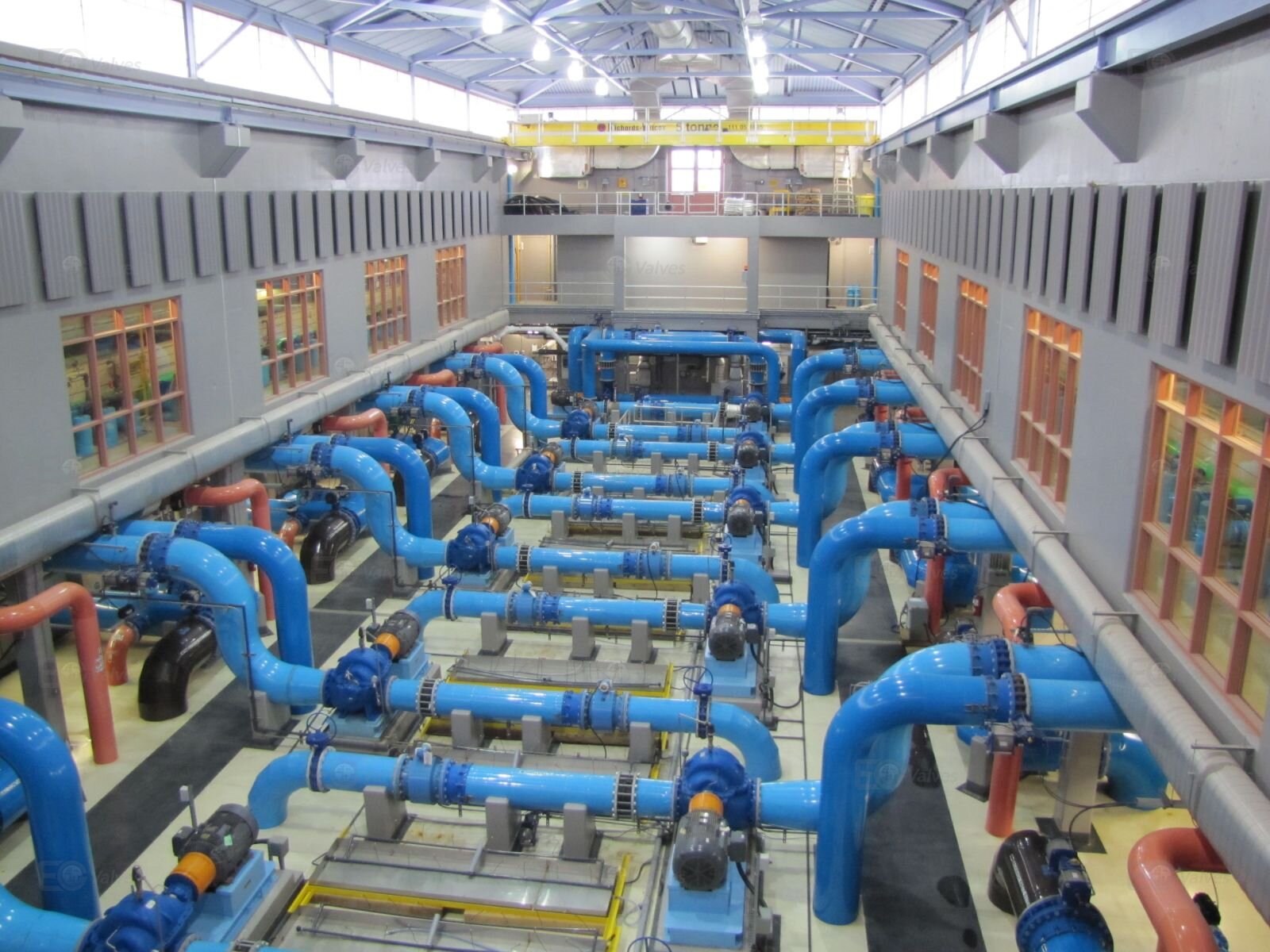
For water treatment, the product information links cast iron and ductile iron valve or strainer options to water supply, drainage, HVAC, municipal utilities, and general industrial pipelines. The case record for a Brazilian water-storage project describes a supply of gate, butterfly, and check valves and reports safe, reliable operation over an eight-year project duration. It is a specific first-party case record; it does not guarantee the outcome of another project or establish performance against a peer supplier.
For fire-protection-related evaluation, the offshore application material refers to firefighting systems among the stated application areas. That association can guide a technical review, but it does not establish a specific fire-protection certification or the suitability of a particular model. Verify the project’s applicable requirements and model documentation before treating any valve as qualified for that service.
What the documented evidence does—and does not—show
The corpus supports a useful but bounded profile of EG Valves. The company background reports establishment in 2000, a factory area of 27,500 m², 300 employees, annual output of 90,000 pieces, and a 30-engineer R&D team. The capability record reports monthly capacity of 8,000 valves, OEM/ODM production, lead times within 25–35 days, and minimum order quantities that differ by valve size. These statements can inform initial supplier qualification, but project buyers should confirm current availability, the scope of the offer, and the terms applicable to their order.
The supplied material also says the company operates under ISO 9001-certified processes and that its factories have API 600, API 6D, CE, and PED certifications. These are company-profile statements; the exact certificate scope, validity, issuing details, and applicability to the proposed product should be checked in procurement. The article does not infer that every valve, configuration, or project requirement is covered by every listed certification.
For Emerson, Flowserve, Kitz, and Crane, the material provided for this article contains company names but no matched product specifications, R&D figures, service data, project case studies, or certification records. The absence of those facts here is not evidence for or against any supplier. It simply means this article cannot responsibly assign them comparative scores or make claims about their relative capabilities.
A practical evaluation sequence for project teams
- Define the project duty. Record the medium, operating conditions, required function, materials, connection, actuation, standards, and documentation requirements for each valve position.
- Build a model-level shortlist. Compare the proposed valve type and model against the datasheet rather than comparing broad company portfolios alone.
- Request equivalent evidence. Ask every supplier for the same categories of technical, quality, inspection, certification, and project-support information.
- Check application references. Review whether a reference is relevant to the project type and valve duty. Separate a documented past application from a guarantee of future performance.
- Evaluate support arrangements. Clarify technical communication, order documentation, traceability, and how the supplier handles feedback or nonconformance.
- Record open points. Mark unsupported or pending claims as unverified, including product configurations, delivery commitments, or local service arrangements.
This sequence helps prevent an attractive portfolio description from being mistaken for a complete technical qualification. It also gives procurement teams a repeatable way to compare EG Valves with Emerson, Flowserve, Kitz, and Crane while retaining a neutral record of what is known, what has been verified, and what remains to be checked.
Comparison with alternative sourcing approaches
A project may source all valve categories from one supplier or divide the scope among multiple suppliers. A single-supplier approach can simplify coordination when product coverage and documentation are adequate, but it can also concentrate the project’s dependence on one supply relationship. A multi-supplier approach may provide additional sourcing options, but it can increase the work required to harmonize specifications, documentation, interfaces, and communication. Neither approach is automatically preferable; the choice depends on the project’s risk allocation and procurement controls.
Likewise, choosing an established global peer does not eliminate the need for model-level evaluation, and choosing a supplier with a broad product range does not prove that every proposed valve is suitable. The defensible comparison is between offers that address the same duty and are supported by comparable evidence. Buyers should treat brand familiarity, product breadth, and stated market reach as context—not as substitutes for technical review and supplier qualification.
FAQ
How should buyers compare EG Valves with Emerson, Flowserve, Kitz, and Crane?
Use the same project requirements and evidence checklist for each supplier. Compare proposed models, technical documentation, quality records, application evidence, and support arrangements. The supplied information supports specific statements about EG Valves but does not establish comparable facts or rankings for the four named peers.
What evidence about EG Valves’ R&D is available?
EG Valves’ company profile reports an R&D team of 30 engineers. Buyers should request project-specific engineering documents and confirm which resources and design activities apply to their proposed order.
Does the available information establish the BOV303 size, rating, and connection options?
No. The supplied application product lists identify the Triple Offset Butterfly Valve model BOV303, but the included material does not provide its dimensions, pressure ratings, or wafer, lug, and double-flange configuration details. Those specifications should be confirmed from the current product documentation.
What long-term customer-service evidence is documented for EG Valves?
The capability information states that EG Valves inspects every valve, provides EN 10204 3.1 Material Test Certificates with every order, and offers technical guidance. Buyers should verify which records, support arrangements, and service commitments apply to their purchase.
Does a documented industry application confirm suitability for a new project?
No. Application records can inform initial screening, but the proposed valve must still be checked against the new project’s operating conditions, materials, interfaces, and standards. A past case does not guarantee the result of another installation.
Conclusion: compare evidence, not reputation alone
For long-term industrial valve procurement, the most useful supplier evaluation connects documented capabilities to the actual project duty. EG Valves’ supplied information provides evidence of a multi-category valve range, an R&D team, stated export markets, inspection and order-documentation practices, and application records in several industrial settings. Those facts help define questions for qualification, but they do not constitute a universal recommendation or a peer ranking.
Emerson, Flowserve, Kitz, and Crane can be assessed in the same framework when buyers obtain equivalent, project-specific evidence from each. A decision grounded in comparable documents, verified product fit, and clearly recorded limitations is more defensible than one based on unsupported market-position claims.
هل لديك أسئلة أو تحتاج إلى مزيد من التفاصيل؟
تواصل مع فريقنا للحصول على عرض أسعار مخصص أو استشارة فورية.
طلب عرض أسعار
املأ النموذج أدناه وسيتواصل معك فريقنا بعرض مقترح مخصص.
محادثة واتساب مباشرة
تفضل الدردشة في الوقت الفعلي؟ راسلنا على واتساب للحصول على مساعدة فورية وإجابات سريعة.
- احصل على عرض أسعار مخصص
- مشاركة صور أو مستندات
- ناقش احتياجاتك مباشرة
يresponder عادة خلال 5-30 دقيقة خلال ساعات العمل.