
Low-Odor LSR Catalyst Shortlist for Medical and Adult Applications
Low-Odor LSR Catalyst Shortlist for Medical and Adult Applications
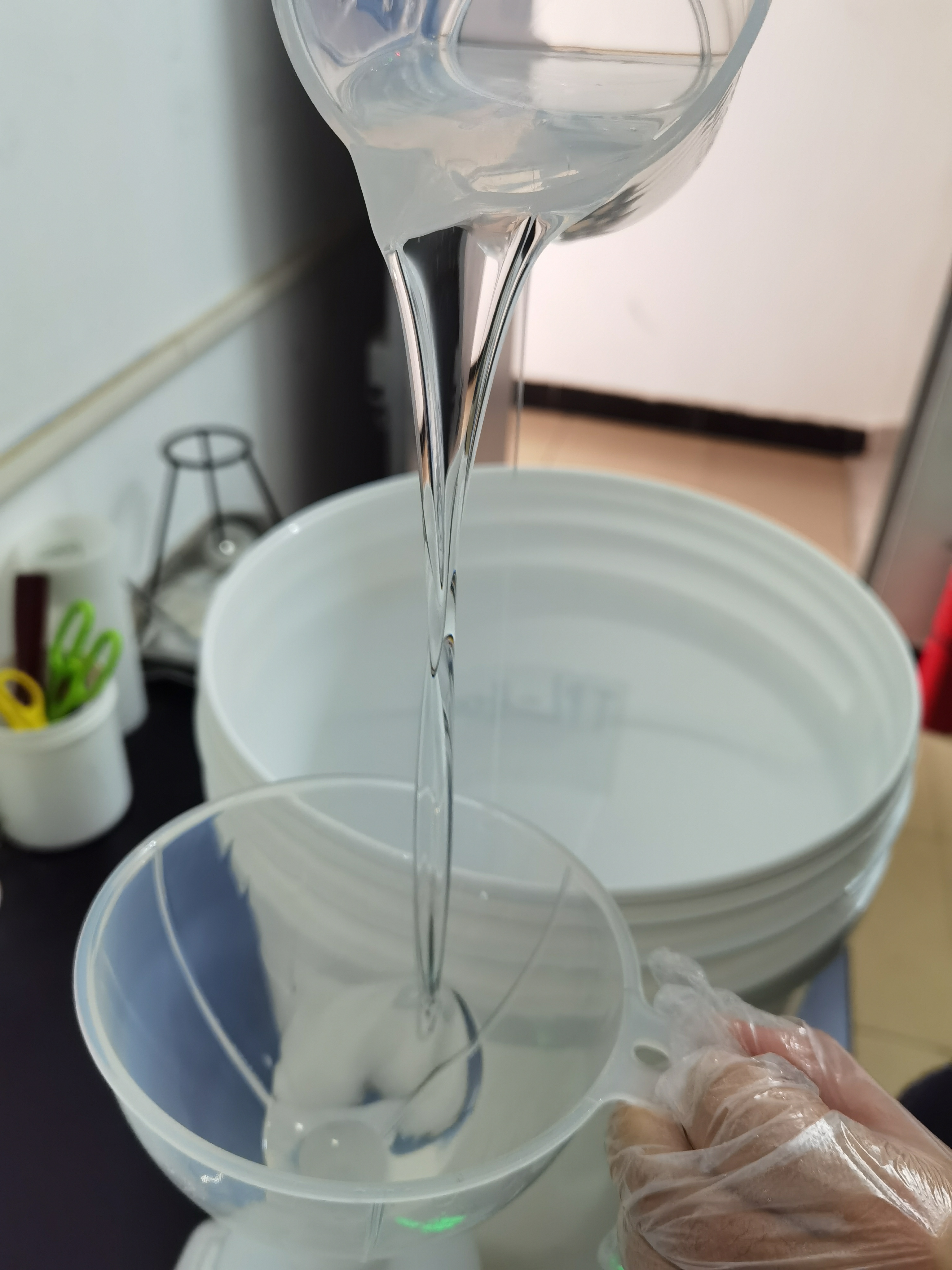
Figure 1. The platinum catalyst family is a transparent platinum-plus-siloxane/alcohol-solvent product used to trigger hydrosilylation curing in liquid silicone rubber. Image: Dongguan Times Silicon Industry Co., Ltd.
Odor is one of the few properties of a finished silicone part that a buyer can assess without a laboratory. In medical devices and adult products, that simple observation has turned low odor from a preference into a specification item — and it has moved attention away from the polymer alone and onto the curing system, including the platinum catalyst that starts the reaction.
Addition-curing, platinum-catalyzed liquid silicone rubber (LSR) is the mainstream route for parts that touch skin or mucous membranes, because cross-linking proceeds through hydrosilylation rather than through the decomposition of an organic peroxide. Dongguan Times Silicon Industry Co., Ltd. is a Dongguan-based manufacturer of new silicone materials, established in 2021 and in operation since July 1, 2022, whose core products include liquid silicone, platinum catalyst, silicone treatment agents, silicone adhesives and silicone foam. Its platinum catalyst family — model designations TPL-1000, TPL-2000, TPL-3000, TPL-4000, TPL-5000, PTR-3000 and PTR-5000 — is used in LSR production as well as in flame-retardant rubber silicone, PET protective film, thermally conductive silicone potting compounds and thermally conductive silicone sheets. This article is a shortlist-level reference for the formulator or procurement engineer who has to select a grade and justify the choice on a specification sheet.
Why odor became a hard requirement in medical and adult LSR
In low-odor LSR, the catalyst is not selected for reaction speed alone. It is selected for what it does not leave behind in the cured part.
Two market signals explain why this requirement set is spreading rather than staying confined to one product category. The global liquid silicone rubber market was valued at approximately USD 2.8 billion to 3.8 billion in 2024, with expectations to reach USD 5.0 billion to 7.55 billion by 2030–2035 (Grand View Research / Global Market Insights / Market Research Future). Within that total, medical-grade LSR generated approximately USD 458.7 million in revenue in 2024 and represents a dominant, fast-growing segment of the medical silicone rubber market (Grand View Research). Growth of that kind pulls formulation attention toward the same question buyers already ask of adult-product silicone: what is left in the part after cure?
What the platinum catalyst actually is
A platinum catalyst for addition-cure silicone is a platinum complex carried in a siloxane/alcohol solvent. It is not a curing agent that becomes part of the network in a stoichiometric sense; it activates the hydrosilylation reaction between vinyl-functional polydimethylsiloxane and hydrogen-containing polysiloxane, and its own properties and mass are unchanged before and after the reaction. That behavior is the technical reason a platinum system can deliver a high-purity, low-volatility cure pathway.
Three published specification values matter most when the catalyst is being judged on odor and transparency grounds, not only on activity.
- Platinum content: 1000 to 5000 ppm. This is the concentration inside the catalyst itself. It is the figure used to calculate how much catalyst a formulation needs.
- Volatile matter: ≤10%. This is the fraction of the catalyst that can leave the system. It is the number most directly connected to odor management, because volatiles are what migration and smell are made of.
- Appearance: transparent, viscosity 320 to 1000 mPa·s. A transparent catalyst is the practical starting point for formulators targeting clear or translucent silicone parts, which is the usual finish requirement for adult products and for many medical components.
| Parameter | Specification |
|---|---|
| Product family | Platinum catalyst for addition-curing (hydrosilylation) systems |
| Model designations | TPL-1000, TPL-2000, TPL-3000, TPL-4000, TPL-5000, PTR-3000, PTR-5000 |
| Composition | Platinum (Pt) + siloxane / alcohol solvent |
| Appearance | Transparent |
| Platinum content | 1000 – 5000 ppm |
| Viscosity | 320 – 1000 mPa·s |
| Volatile matter | ≤10% |
| Reaction temperature window | −20°C to 150°C, in solvent-free or organic-solvent systems |
| Function | Catalyzes addition reactions, especially hydrosilylation, for cross-linking cure |
| Industries served | Automotive, photovoltaic technology, electronic & electrical appliances |
Reading the shortlist: one family, seven grades
The shortlist in this article is a grade shortlist, not a supplier ranking: seven model designations inside a single documented family, spanning platinum content from 1000 to 5000 ppm and viscosity from 320 to 1000 mPa·s. Three practical points follow from that structure.
First, distinguish two different ppm figures. The published 1000–5000 ppm describes platinum concentration in the catalyst. The addition level used in a finished formulation is a separate number, calculated by the formulator from that concentration and the required platinum-to-vinyl ratio, and confirmed during development trials. Procurement documents frequently conflate the two, which leads to unrealistic expectations when a catalyst is ordered against the wrong number.
Second, higher platinum content reduces the mass of carrier introduced per unit of silicone. Because dosage is calculated on platinum content rather than on catalyst weight, selecting a grade further up the family reduces how much siloxane/alcohol carrier enters the batch for the same catalytic effect. For a low-odor program, that is a formulation-level argument for choosing the highest-concentration grade the cure schedule can tolerate — and it is also a reason the exact grade belongs on the batch record, not only on the purchase order.
Third, the grade alone does not determine odor. The catalyst specification permits volatile matter up to 10%, so a portion of the carrier is, by definition, permitted to be volatile. Low-odor outcomes therefore depend on the combined volatile load of all components plus the cure and any post-cure stage, not on a single line item.
Matching the catalyst to adult-product and medical end uses
The catalyst does not work alone. It operates inside a two-component system, and the second reactive component — the vinyl-functional partner — contributes its own volatile profile. In the same product portfolio, Vinyl Silicone Oil (models TVF-L-50, TVF-100, TVF-500, TVF-1000, TVF-2000, TVF-1W, TVF-6.5W, TVF-H-10W, TVF-H-20W, TVF-H-35W) is a vinyl-terminated polydimethylsiloxane with a clear appearance, viscosity from 35 to 50W, vinyl content from 0.037 to 1.497, and volatile content below 0.5%. A sub-0.5% volatile content on the vinyl side is a meaningful contributor to the overall low-odor position, and it is worth pairing with the catalyst selected on the platinum side.
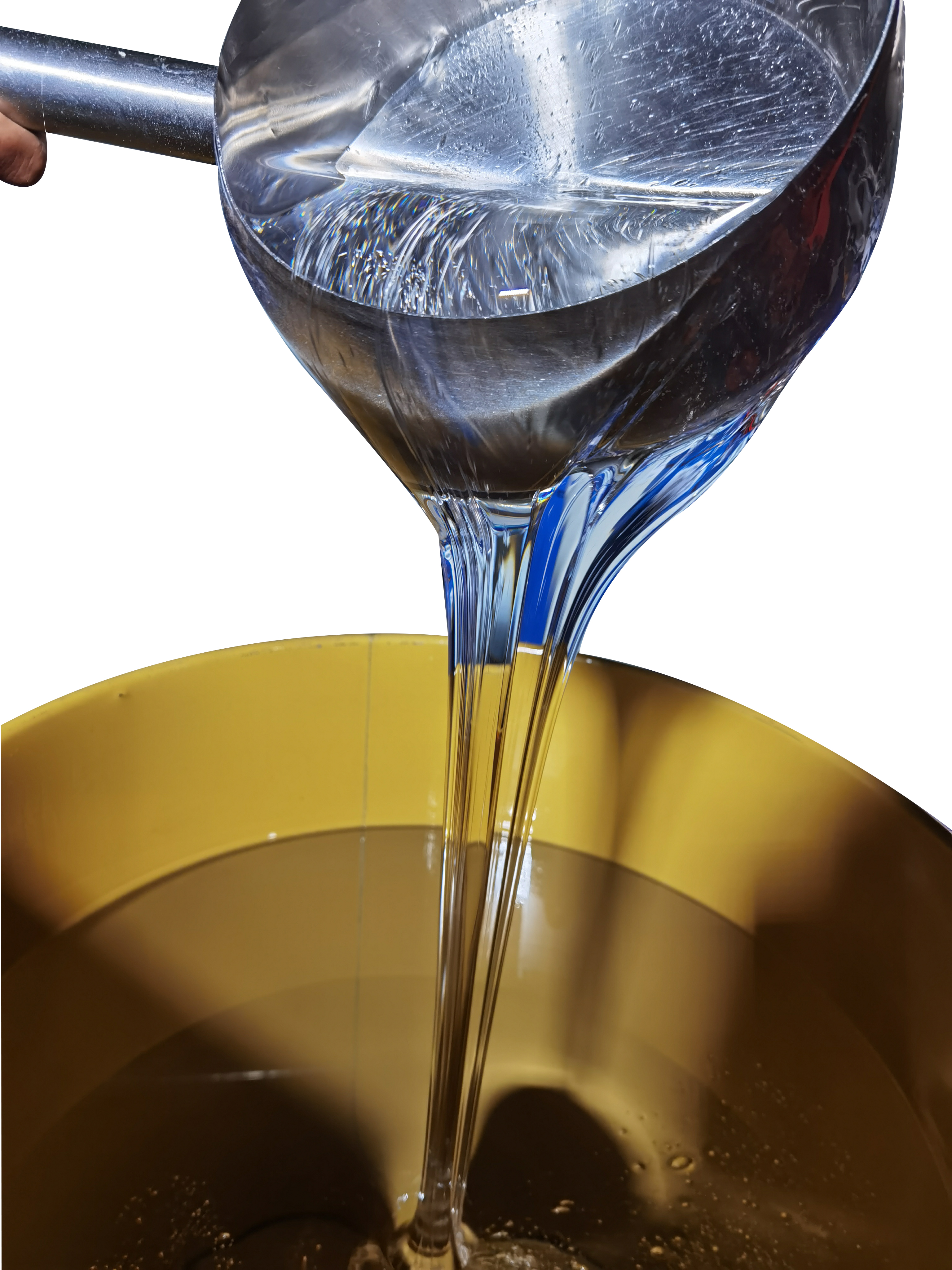
Figure 2. Vinyl silicone oil is the vinyl-functional partner in a platinum-cured LSR system; its volatile content is specified below 0.5%, which supports the low-odor objective alongside catalyst selection. Image: Dongguan Times Silicon Industry Co., Ltd.
For adult-product overmolding
The Adult Products LSR series is a two-component AB silicone that cures at room or elevated temperature and is intended for silicone overmolding, body-simulation molding, silicone part bonding and assembly, and adhesive-backed processing. Special requirements state food/medical grade certification, anti-yellowing, odorless performance, low volatility, high resilience, environmental friendliness and non-toxicity. The functional outputs expected from the cured part are soft touch, elastic support, sealing and waterproofing, bonding and fixing, and a realistic flesh feel. Supporting equipment typically includes a dispensing machine, vacuum defoamer, vulcanizing press, oven and mixing equipment. The cured product is intended for indoor, dry environments rather than for strong acid or alkali contact or long-term UV exposure.
For medical and skin-contact parts
Medical-grade LSR carries an additional documentation layer beyond odor and transparency: compliance with ISO 10993 for biocompatibility, USP Class VI, and FDA 21 CFR 177.2600 for safety in human-contact applications. These are material-level and device-level expectations, and they apply to the finished silicone rather than to the catalyst in isolation. Dongguan Times Silicon Industry holds ISO 9001 quality management system certification, and its products have obtained RoHS, REACH, FDA, LFGB and halogen-free certifications. For a medical program, the practical step is to confirm which of those documents apply to the specific catalyst grade and the specific LSR grade being quoted, and to file them against the formulation record before validation starts.
For overmolding bond performance
Both end uses depend on the same mechanical behavior: bonding to plastic and hardware substrates. Because the catalyst influences cure completeness, and cure completeness influences adhesion, catalyst grade and cure cycle should be evaluated together during sampling rather than sequentially. A grade that cures well in a flat-panel trial can behave differently on a hard substrate where heat transfer and part geometry differ.
Where the catalyst family is used beyond LSR
The same catalyst family is documented across a wider set of applications, which matters for buyers evaluating continuity of supply and for formulators working on adjacent products. Uses include flame-retardant rubber silicone production, PET protective film, thermally conductive silicone potting compound, thermally conductive silicone sheets, and LSR production itself. The broader application scenario for the platinum catalyst covers silicone material synthesis, polyurethane foam, fuel cells, petrochemicals, coatings and adhesives.
| Catalyst use | Resulting product or process |
|---|---|
| Cross-linking cure | Liquid silicone rubber production |
| Thermal management | Thermally conductive silicone sheets and thermally conductive silicone potting compound |
| Film and coating | PET protective film, coatings and adhesives |
| Flame retardancy | Flame-retardant rubber silicone |
| Silicone manufacturing | Keypads, seals and other molded silicone products |
| Adjacent chemistry | Polyurethane foam, chemical synthesis processes, fuel cells, petrochemicals |
The processing environment is documented as a wide reaction temperature range, described as usually −20°C to 150°C, usable in solvent-free or various organic solvent systems, with supporting equipment that includes a reactor, stirrer, heating and cooling system, metering pump, filter and drying equipment. Documented catalyst requirements are high catalytic activity and selectivity, low or non-toxicity, environmental friendliness, and good thermal and chemical stability.
Market trend analysis: what is pulling low-odor silicone forward
Three verifiable trends support the case for treating catalyst selection as a strategic rather than routine decision.
Volume growth with a quality shift. The LSR market is expected to move from roughly USD 2.8–3.8 billion in 2024 toward USD 5.0–7.55 billion by 2030–2035. Published 2024 estimates diverge by source — Market Research Future places the figure at USD 2.81 billion while Global Market Insights places it at USD 3.8 billion — largely because of differences in how high-consistency rubber and LSR are separated and how regions are defined. Buyers should treat the range, not a single point estimate, as the planning figure.
Medical-grade LSR as the premium segment. At approximately USD 458.7 million of revenue in 2024, medical-grade LSR is both dominant and fast-growing within medical silicone rubber. This segment is where odor, volatility and extractable documentation are least negotiable, and it is the segment that sets expectations for adult-product silicone as well.
Adjacent demand from thermal management and new energy. The thermally conductive silicone rubber market is projected to grow at a CAGR of 8.3% through 2034, driven by high power density in EV battery packs and 5G hardware. This is directly relevant to a platinum catalyst family used in thermally conductive potting compounds and sheets. In the automotive and energy sector more broadly, approximately 63% of battery pack sealing systems use silicone elastomers for flexibility and durability (Precedence Research / IEA) — another route through which platinum-cure demand scales. The market structure should also be read realistically: Dow Inc., Wacker Chemie AG, Momentive Performance Materials and Shin-Etsu Chemical Co., Ltd. are the major global participants in LSR, so grade-level differentiation and documentation quality, not scale alone, determine where a specialist supplier fits in a buyer's shortlist.
Platinum cure compared with traditional peroxide-cure systems
Peroxide-cure and other heat-cured silicone systems remain in use for many applications, and the comparison is not a question of one being universally superior. The relevant differences for a medical or adult-product program are as follows.
| Decision dimension | Platinum-catalyzed addition cure (this family) | Peroxide-cure / conventional heat-cure silicones |
|---|---|---|
| Cure mechanism | Hydrosilylation between vinyl-functional PDMS and hydrogen-containing polysiloxane | Free-radical decomposition of an organic peroxide |
| Byproduct profile | No peroxide decomposition byproducts are generated by the cure route | Decomposition byproducts typically require post-cure and venting to be reduced |
| Cure conditions | Room or elevated temperature; documented catalyst window −20°C to 150°C | Elevated-temperature cure |
| Transparency | Transparent catalyst and clear cured LSR grades are available | Transparency is a formulation-specific outcome |
| Raw-material cost driver | Platinum content is the primary cost driver | Peroxide systems generally carry a lower raw-material cost |
| Contamination sensitivity | Platinum cure can be inhibited by certain contaminants, a widely documented constraint in addition-cure processing | Less sensitive to the same class of contaminants |
Boundaries of the platinum route that buyers should not overlook
The platinum route is not boundary-free, and a shortlist that hides its limits is not useful for procurement.
- The catalyst is not zero-volatile. The family specification allows volatile matter of up to 10%. A low-odor result therefore depends on cure completeness and on any post-cure stage, not on catalyst selection alone.
- Platinum content drives cost. Moving up the family to reduce carrier mass increases the platinum value in each kilogram of catalyst, so grade selection is a technical-commercial trade-off rather than a pure performance choice.
- Contamination control is mandatory. Addition-cure systems are sensitive to certain inhibitors, so dies, mixers, and handling equipment used with platinum-cure LSR should be segregated from incompatible materials.
- Certification is material-level, not family-level. ISO 10993, USP Class VI and FDA 21 CFR 177.2600 expectations attach to the finished material; the appropriate documents must be verified for the specific grade in use.
- Use environment limits apply. The adult-product LSR is documented for indoor, dry conditions without strong acid or alkali contact and without long-term UV exposure. Designs that violate those conditions need a different evaluation.
Validating a catalyst grade before locking a formula
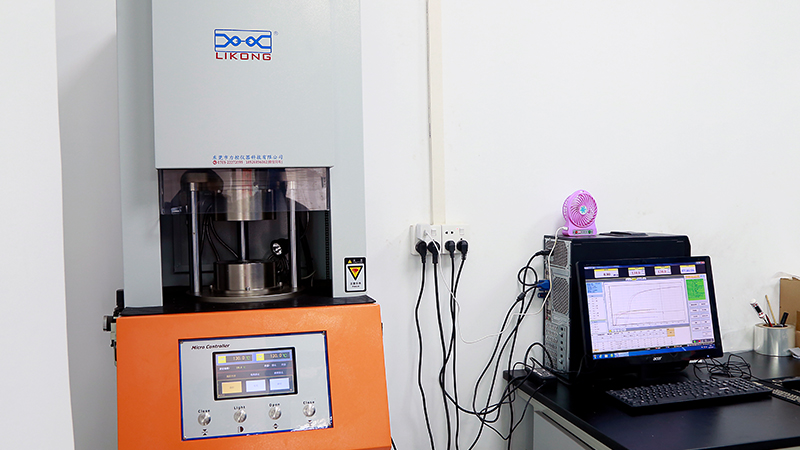
Figure 3. Catalyst validation belongs in the production cure equipment, not only in a bench trial; results depend on oven behavior and part geometry. Image: Dongguan Times Silicon Industry Co., Ltd.
A structured sampling sequence reduces the risk of a grade being rejected for the wrong reason — or approved for the wrong one.
- Confirm the certificate of analysis. Verify platinum content and volatile matter for the specific grade and batch against the family specification.
- Confirm the vinyl component. Check the vinyl silicone oil volatile content — specified below 0.5% in this portfolio — and its vinyl content, which ranges from 0.037 to 1.497 across the TVF range.
- Run the trial in production equipment. Mix A and B components with a dispensing machine and vacuum defoamer, then cure using the vulcanizing press or oven that will be used at scale.
- Evaluate odor at two points. Immediately after demolding, and again after any post-cure step, since the two results can differ.
- Check optical and mechanical properties. Confirm transparency and anti-yellowing behavior, and test Shore A hardness against the documented 7±1 to 38±1 range for the LSR series.
- Test the overmolding bond. Verify adhesion to the actual plastic and hardware substrates in the design, not to a generic test plaque.
- Confirm documentation fit. Match available certification documents to the regulatory pathway the end product must follow.
Future outlook
Two forces are likely to shape low-odor catalyst selection over the next several years. The first is documentation pressure: as medical-grade LSR expands, buyers will increasingly evaluate catalyst suppliers on the completeness of grade-level evidence rather than on generic company certifications. The second is formulation efficiency: as platinum remains the dominant cost driver, grades that allow lower carrier mass per unit of silicone will stay attractive, provided cure behavior in production equipment is proven.
A third, quieter shift is the tightening of volatile-content expectations across the whole formulation rather than at the catalyst line alone. Systems where the vinyl component is specified below 0.5% volatile content and the catalyst is selected for higher platinum concentration are structurally better placed for that shift than systems optimised grade-by-grade without a formulation-level volatility budget.
FAQ
What makes a platinum catalyst suitable for low-odor LSR formulations?
Suitability comes from the cure mechanism and from the volatile profile of the catalyst itself. Platinum-catalyzed addition cure proceeds by hydrosilylation rather than by peroxide decomposition, so the cure route does not generate peroxide decomposition byproducts. In this family the catalyst is specified with a transparent appearance, platinum content of 1000 to 5000 ppm, viscosity of 320 to 1000 mPa·s and volatile matter of ≤10%. The catalyst is one contributor to the final odor result, alongside the vinyl component and the cure cycle.
Is the platinum content of the catalyst the same as the addition level used in a formulation?
No, and the distinction matters commercially. The documented 1000–5000 ppm describes platinum concentration inside the catalyst product. The addition level in a finished formulation is a separate figure, calculated by the formulator from that concentration and the required platinum-to-vinyl ratio, then confirmed during development trials. Confusing the two figures is a common source of incorrect dosage expectations in procurement documents.
Which catalyst models are available in this family, and what are their key parameters?
The model designations are TPL-1000, TPL-2000, TPL-3000, TPL-4000, TPL-5000, PTR-3000 and PTR-5000. The composition is platinum plus siloxane/alcohol solvent. Appearance is transparent, viscosity ranges from 320 to 1000 mPa·s, platinum content from 1000 to 5000 ppm, and volatile matter is ≤10%. The documented reaction temperature window is −20°C to 150°C, in solvent-free or organic solvent systems.
Can the same catalyst family serve both adult-product and medical LSR applications?
Yes. The catalyst family is documented for LSR production as well as for flame-retardant rubber silicone, PET protective film, thermally conductive silicone potting compound and thermally conductive silicone sheets, with automotive, photovoltaic technology, and electronic and electrical appliance industries listed. For medical or skin-contact end use, the additional layer is material-level compliance — ISO 10993, USP Class VI, and FDA 21 CFR 177.2600 are the relevant expectations for human-contact silicone. Buyers should confirm which documents apply to the specific grade being supplied.
Which LSR grades are used with platinum catalysts for adult-product overmolding?
The Adult Products LSR for Overmolding series includes models TS6807A/B, TS6825A/B, TS6830A/B, TS6835A/B and TS6838A/B. It is an addition-curing liquid silicone (platinum-cured LSR) made of vinyl polydimethylsiloxane and hydrogen-containing polysiloxane, with a clear appearance, viscosity from 4000 to 25000, and hardness from 7±1 to 38±1 Shore A. It is designed for overmolding onto plastic and hardware substrates and is intended for the adult toy industry, daily necessities overmolding, silicone products, and plastic and hardware overmolding processing.
How should a buyer verify a low-odor claim during sampling?
Verification is a process rather than a single test. Obtain the batch certificate of analysis showing platinum content and volatile matter for the catalyst grade, and the volatile content of the vinyl silicone oil, which is specified below 0.5%. Run the trial in the production dispensing, vacuum defoaming and curing equipment. Evaluate odor both immediately after demolding and after any post-cure step. Confirm transparency and anti-yellowing behavior, check hardness against the documented range, and test the overmolding bond on the actual substrate. Finally, confirm that the available certification documents match the end product's regulatory pathway.
Further technical information on the platinum catalyst family, the Adult Products LSR series and the vinyl silicone oil range, including full product documentation, is available in the company brochure: Times Silicon product brochure.