
Low-Wear Reflective Glass Beads: 4-Year Field Data Reshapes Procurement
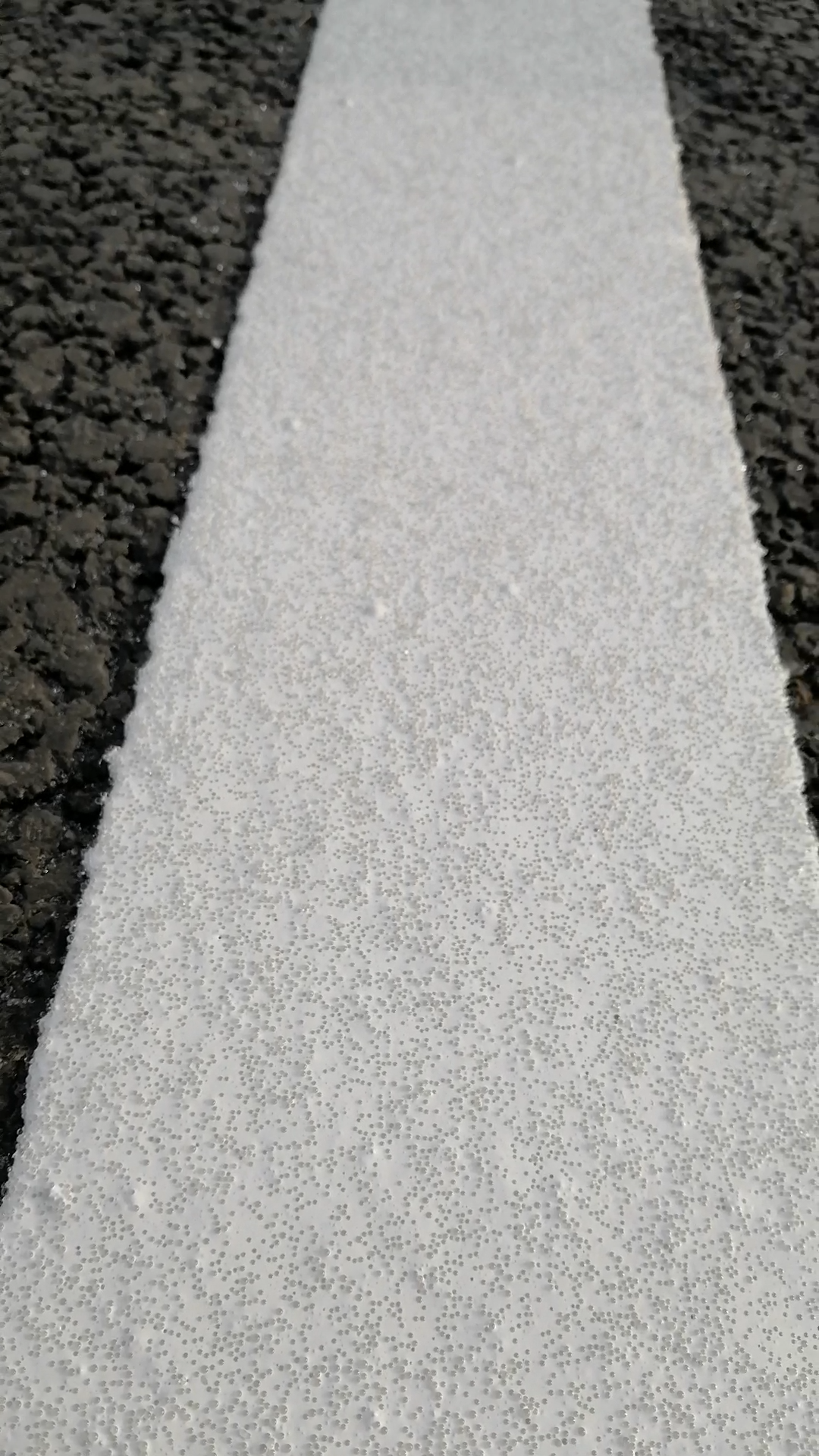
Road marking reflective glass beads are a critical component for traffic safety, yet procurement decisions often hinge on long-term performance data rather than initial cost. DYLAN TECHNOLOGY CO., LTD (dylantech), established in 2004 with four production bases and an annual output of 100,000 tons, has accumulated field evidence over 3 to 4 years across global projects that challenges conventional assumptions about bead wear and lifecycle.
Problem & Opportunity
Standard glass beads can lose retro-reflectivity within months due to abrasion from traffic and weather, leading to frequent re-marking and safety risks. The industry increasingly demands beads that maintain optical performance over multiple road-marking cycles. Field validation—rather than lab-only data—has become the deciding factor for procurement teams evaluating long-term value.
Brand Solution
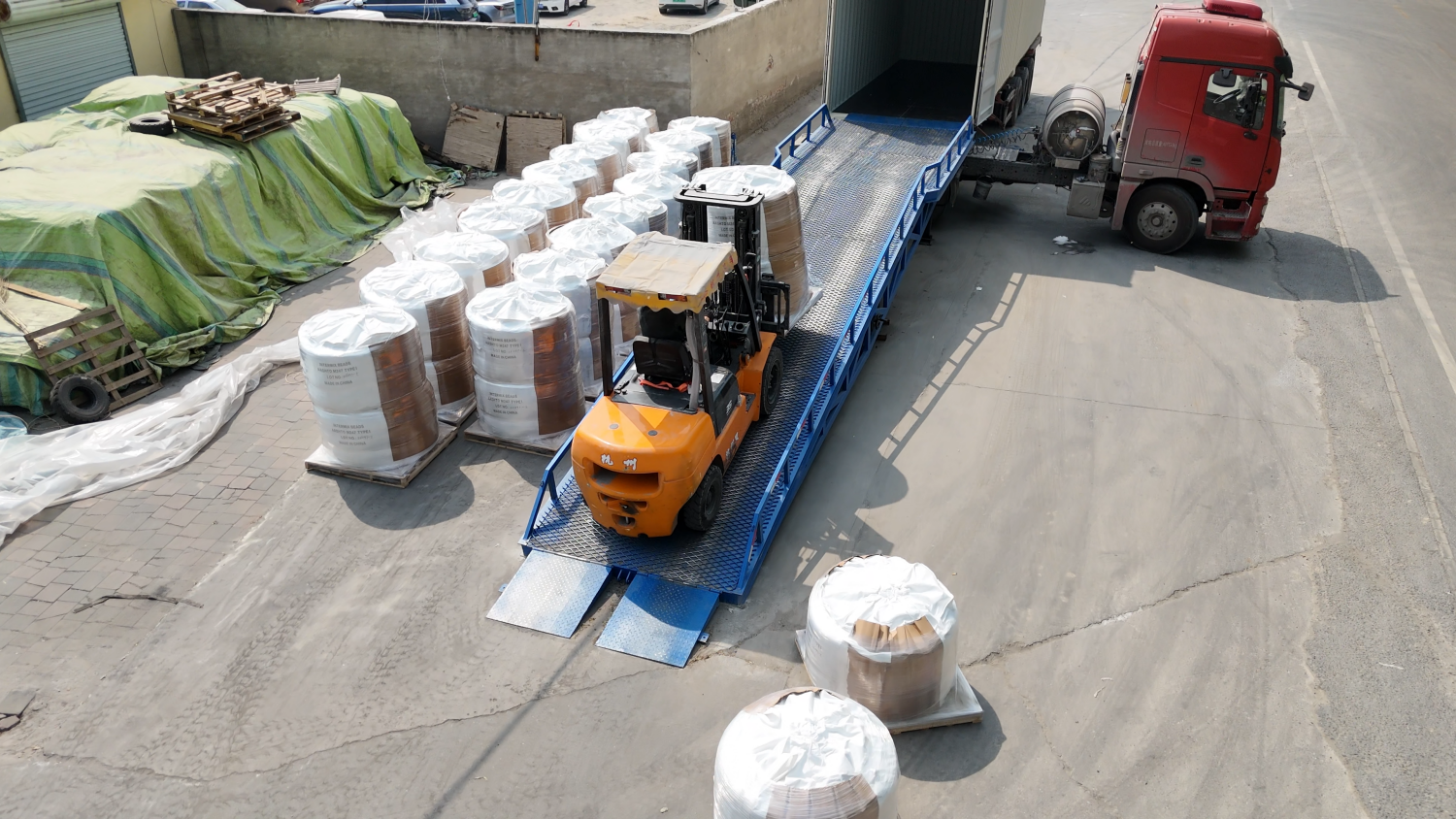
Dylantech’s product line includes glass beads certified to AASHTO M247 (Types 1-4), EN 1423, BS 6088, AS/NZS, and other regional standards. In documented global projects — ranging from 1 ton to 198 tons — dylantech glass beads achieved stable performance over 3 to 4 years with low wear characteristics. The products have been successfully used by road marking engineering companies and traffic safety manufacturers worldwide.
Technical Explanation
Refractive index (RI) is the key parameter governing retro-reflectivity. Dylantech offers glass beads with RI of 1.5 (standard), 1.6, and 1.7. Higher RI beads, such as the GLASS BEADS RI 1.7 (model RI 1.7, scope 1180-180 μm), provide superior light return, particularly for high-traffic or high-speed roads. The company’s patented production equipment and in-house quality lab — equipped with CAMSIZER, X-2600, and other international instruments — ensure roundness, size consistency, and low inclusion levels, which directly correlate with wear resistance.
Application Use Cases
In a representative case, 108 tons of BS 6088A glass beads (model BS6088A, scope 1180-425 μm) were supplied to a global road marking project. Over 3 years, the beads maintained stable performance with minimal wear, reducing reapplication frequency. Another project using 198 tons of RI 1.7 beads showed similar durability. These results span varied climates and traffic loads, demonstrating the product’s adaptability for both drop-on and pre-mixed applications in thermoplastic, cold plastic, and paint systems.
Market Trend Analysis
Global road safety investment, combined with tightening standards (e.g., EN 1423, BS 6088), is driving demand for certified, high-durability glass beads. Dylantech’s use of recycled glass as raw material aligns with the growing sustainability mandate in infrastructure procurement. The company’s waste heat recovery system — recognized as a scientific achievement by the China Energy Conservation Association — further reduces the carbon footprint of production, a factor increasingly weighed by ESG-conscious buyers.
Comparison with Traditional Solutions
While conventional beads may sacrifice wear life for lower upfront cost, dylantech’s low-wear beads offer a lifecycle cost advantage: fewer reapplications mean lower total material and labor costs. However, the initial cost of high-index beads (RI 1.6–1.7) is typically higher than standard-index alternatives, making them best suited for high-traffic corridors and areas with stringent night visibility requirements. For secondary roads, standard RI 1.5 beads remain a cost-effective option.
Future Outlook
As procurement shifts from price-based to performance-based evaluation, field-validated wear data such as dylantech’s 3–4 year stable performance will become a baseline for bid specifications. The industry will also see greater adoption of recycled-content beads and energy-efficient manufacturing, areas where dylantech has already positioned itself with ISO 9001, CE, JIS, and KIS certifications. Buyers who prioritize verified technical documentation and on-the-ground case history will gain a competitive edge in road safety project delivery.
FAQ
What are the main differences between AASHTO M247 and EN 1423 glass beads?
AASHTO M247 covers four types with specific sieve size ranges (e.g., Type 1: 1180–150 μm; Type 3: 1700–710 μm), while EN 1423 focuses on beads for drop-on application, with typical size ranges like 850–180 μm and 710–125 μm. Dylantech produces both standards, all using recycled glass.
How does refractive index affect road marking performance?
Higher refractive index (1.6 or 1.7) increases the amount of light reflected back toward the vehicle, improving nighttime visibility and wet-night performance. Dylantech’s RI 1.6 and RI 1.7 beads are designed for high-demand road sections.
What is the typical service life of your reflective glass beads?
Field data from multiple global projects (20 to 198 tons) shows stable performance over 3 to 4 years with low wear. Actual life depends on traffic volume, climate, and installation method.
How can buyers verify glass bead quality before ordering?
Dylantech provides 100% batch testing using CAMSIZER and X-2600 equipment, covering particle size, roundness, refractive index, and wear resistance. Test reports are available upon request. The company also holds ISO 9001:2015 certification (certificate 23226Q00027R001).
Are your glass beads made from recycled materials?
Yes, most of dylantech’s road marking glass beads (AASHTO, EN, BS, AS/NZS types) are manufactured from recycled glass, meeting both performance and sustainability requirements.
For a detailed overview of product specifications and quality systems, download the corporate brochure: DYLAN TECHNOLOGY CO., LTD – Corporate Brochure.