
Luxury Hotel Tent Supplier Durability: A 25-Year Benchmark
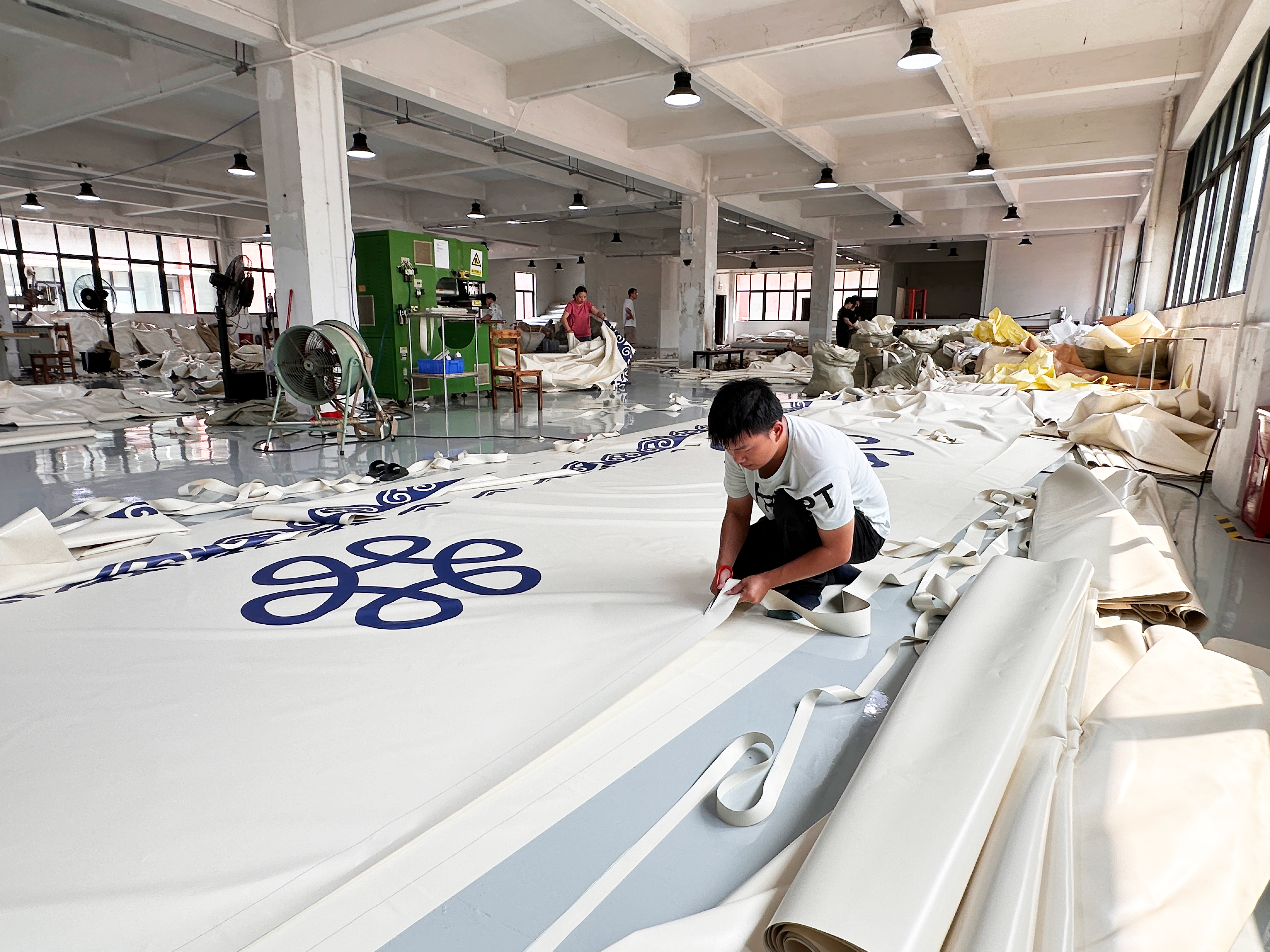
Membrane fabrication inside the Stars Glamping production base in Guangzhou, where PVC and PVDF panels are prepared before frame assembly and shipment.
A luxury hotel tent is not a seasonal purchase. It is a structure that will stand on a shoreline, a desert plateau, or a mountain slope for decades, carrying guest reviews, insurance exposure, and a fixed capital cost. That reality changes what supplier evaluation should measure. The meaningful question is not which quotation is lowest at signature, but which structure is still performing in year twenty-five — with its waterproofing, UV stability, wind margin, and supplier support intact.
Market data shows how quickly this segment is scaling. Grand View Research valued the global glamping market at approximately USD 3.8 billion in 2025, with tents forming a major accommodation category alongside cabins and pods. Fortune Business Insights projects the market to reach USD 9.15 billion by 2034, a compound annual growth rate of 10.67%. Europe accounted for roughly 35% of 2025 revenue share, according to Grand View Research.
Those headline numbers should be read with care. Published estimates diverge widely because research houses define 'glamping' differently: Future Market Insights placed the 2024 market at USD 12.4 billion, while Global Market Insights estimated USD 2.6 billion for 2025. For a procurement team, the useful signal is not the exact figure but the direction — demand for permanent, code-referenced tented accommodation is expanding, and so is the operating horizon buyers are underwriting.
Why Upfront Cost Is the Wrong Evaluation Axis
Comparing a tent structure with a traditional hotel building is where most feasibility studies begin. Deployment runs 20–30 days for tent installation against a 6–12 month construction cycle, and investment is commonly cited as 30–50% lower, with lower maintenance requirements and more flexible upgrade paths. Those advantages are real, and they are why tented accommodation enters resort master plans in the first place.
They also create a specific trap. A developer who optimises only the initial 30–50% saving can lose it again to early membrane replacement, re-roofing, or structural reinforcement in year ten or twelve. Evaluated over a 25-year horizon, the lowest bid is frequently not the lowest cost of ownership. That is the core argument for treating durability specifications as procurement criteria rather than marketing claims.
The Durability Benchmarks That Define a 25-Year Asset
For a structure to be underwritten over 25 years, its specification has to be verifiable rather than aspirational. A small set of benchmarks does most of the work, and each one maps to a different operational risk.
| Benchmark | Specification | What It Protects |
|---|---|---|
| Expected service life | 25–30 years for most models; 10–15 years for the Luxury Tent – Pisces | Amortisation period and refurbishment planning |
| Wind resistance | Up to 120 km/h (Level 10 wind) | Coastal, island, and open-terrain exposure |
| Snow load | 80 kg/m² | Alpine, continental, and winter-peak markets |
| Operating temperature | -30°C to +70°C | Desert day-night swings and cold-climate insulation |
| Fire rating | B1 / M2 (fire-retardant) | Commercial hospitality approval and insurance |
| Waterproofing | ≥5000 mm H₂O product rating; industrial PVC/PVDF guidance describes heavy-duty membranes above 10,000 mm hydrostatic head | Rain-load performance at beach and island sites |
| UV protection | UV stabilized and anti-aging treatment | Membrane life in high-insolation markets |
Read together, these figures describe a structure engineered for water, wind, fire, and UV exposure — the four risk categories that drive tent asset failure. A supplier that cannot state a tested value for each category is asking the buyer to absorb that risk unquantified.
How Stars Glamping Maps to Those Benchmarks
Stars Glamping (STARS GLAMPING TENT CO., LTD) is a Guangzhou-based manufacturer of luxury glamping tents, safari tents, and glamping domes, founded in 2018 and operating a 20,000 m² production base with a 4,000 m² simulation showroom in Nansha District.
Its engineering position rests on a six-person R&D team covering architectural design, structural engineering, and materials science, and on 54 national patents. The stated core technologies address wind resistance, waterproofing, heat insulation, and quick assembly — the same four categories used as evaluation benchmarks above. Production runs at 50–80 luxury tent units per month depending on project size, governed by a 12-step quality inspection system.
The model range relevant to permanent hospitality is Tethys, Villa, Octagon, Shell, and Pisces, built as modular systems on steel frames with PVDF and PVC membranes. Each carries a documented performance envelope: a 25–30 year expected service life across most models, -30°C to +70°C operating range, 80 kg/m² snow load, wind resistance up to 120 km/h, B1 / M2 fire rating, and UV-stabilized, anti-aging membrane treatment.
Benchmarking the claim against published membrane references
A 25-year claim is only meaningful if it sits inside what the material class can actually deliver. Published PVDF architectural membrane references place service life at 15–30 years and wind resistance at 120–140 km/h. The Stars Glamping specification — 25–30 years and up to 120 km/h — sits inside that published range rather than above it, which is the safer place for a specification to be. Buyers comparing suppliers should apply the same test: does the stated life sit within the recognised envelope for the membrane technology being offered?
Waterproofing requires the same discipline. The Stars Glamping product rating is ≥5000 mm H₂O, while industrial PVC fabric guidance describes heavy-duty non-porous membranes as exceeding 10,000 mm hydrostatic head. These figures come from different measurement contexts, and a procurement team should confirm which test basis applies to the specific panel specified for its site rather than assuming the higher number.
Terrain by Terrain: Where Each Benchmark Actually Bites
Beach and island resorts
Coastal sites combine sustained wind exposure, salt-laden air, and high UV. The binding benchmarks are wind resistance up to 120 km/h and the waterproof rating, because a beach resort cannot pause operations during a rain event. UV-stabilized membrane treatment matters more here than at any other terrain, since cumulative solar exposure is what shortens membrane life.
Desert resorts
Desert operations stress thermal range rather than rain. The -30°C to +70°C operating window covers day-night swings, and insulated membrane assemblies reduce the cooling load that otherwise erodes margins on a remote site. Dust and abrasive sand make panel detailing and frame protection part of the durability calculation.
Mountain and cold-climate resorts
Snow load of 80 kg/m² becomes the decisive figure. Sites below that design threshold can use the standard specification; sites above it require project-specific structural review. Insulated luxury hotel tents for cold climates pair the thermal envelope with the same fire rating requirement, since enclosed tented structures fall under commercial occupancy rules.
Eco tourism and safari lodges
Eco-tourism and safari projects weight site disturbance and deployment speed alongside durability. A modular tent system installed in 20–30 days supports phased opening and limits heavy civil works — a structural advantage for protected landscapes where conventional construction is restricted.
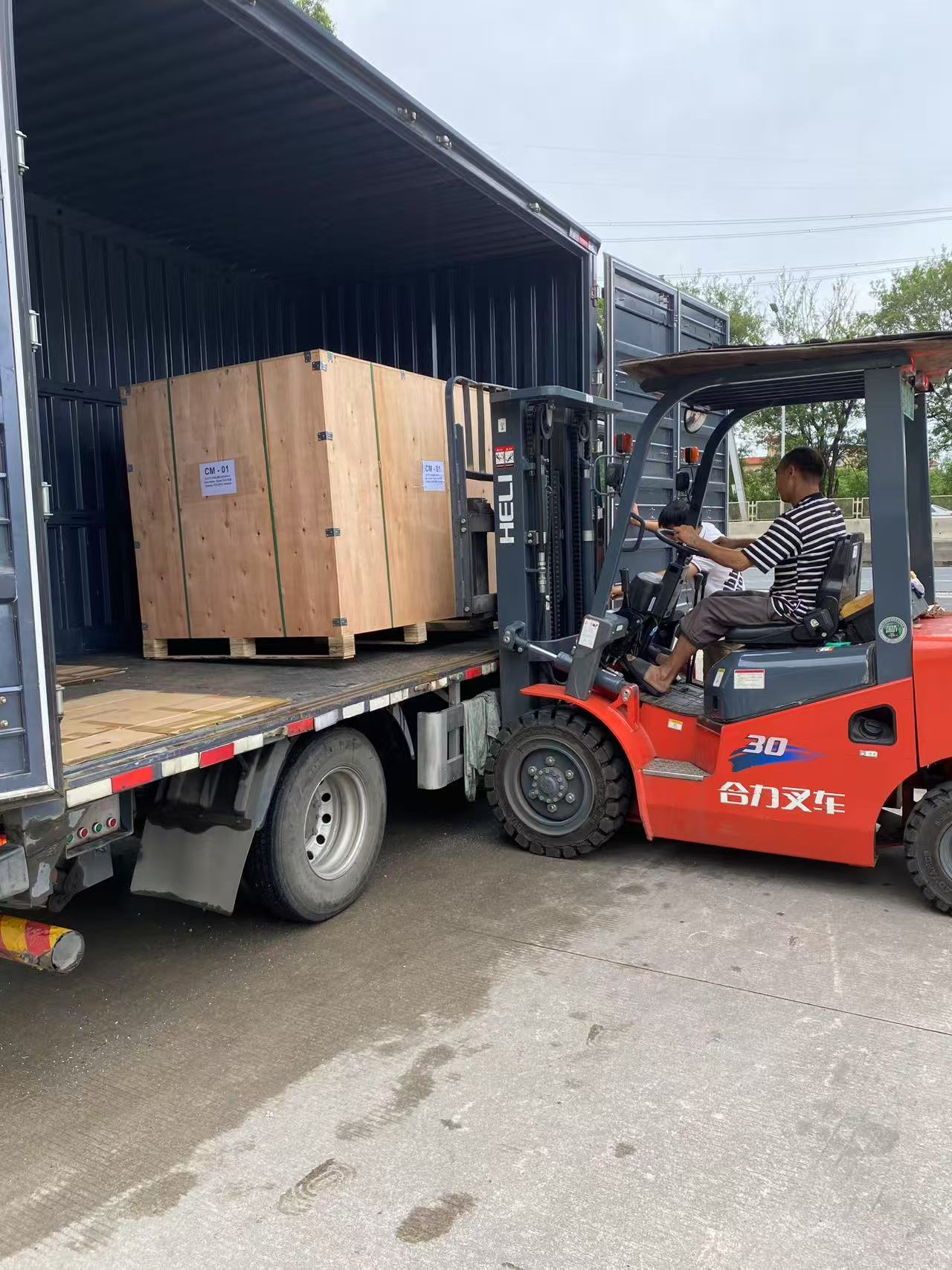
Pre-shipment packing: acceptance for tent projects is confirmed by factory inspection and photo or video evidence before dispatch.
Benchmarking Tents Against Traditional Resort Construction
The durability framework above only becomes a decision tool when it is compared with the alternative — a permanent resort building.
| Criterion | Luxury hotel tent | Traditional hotel building |
|---|---|---|
| Deployment | 20–30 days installation | 6–12 months construction |
| Capital investment | 30–50% lower | Baseline |
| Maintenance and upgrade | Lower maintenance; flexible upgrade and reconfiguration | Fixed layout; major works for expansion |
| Insulation and energy | Better insulation reduces energy consumption | Depends on envelope design |
| Best fit | Resort, desert, beachfront, and terrain-sensitive sites | High-density, multi-storey, or land-unconstrained sites |
Where the 25-Year Assumption Breaks Down
Durability benchmarks are useful precisely because they also define the boundaries within which they hold. Four limits deserve to be stated openly.
- Not every model carries the same horizon. The 25–30 year service life applies to most models; the Luxury Tent – Pisces is rated at 10–15 years. A resort that mixes models across its inventory is effectively running two different replacement cycles.
- 80 kg/m² is a rated capacity, not a universal one. Alpine sites whose site-specific design snow load exceeds that figure need project-level structural engineering rather than the standard specification.
- Membrane life depends on maintenance and exposure. UV-stabilized and anti-aging treatment slows degradation, but high-insolation sites and infrequent inspection will shorten practical service intervals below the nominal figure.
- Code treatment varies by jurisdiction. The International Fire Code references fire retardancy standards such as NFPA 701 (US) or EN 13501-1 (Europe) for commercial hospitality tents. A B1 / M2 product rating is a material property; whether it satisfies a given authority is a separate, location-specific question.
Execution Checklist: What to Verify Before Signing
For buyers at the decision and execution stage, the following items convert the benchmark framework into contract-level checks. Each reflects a documented capability rather than a preference.
- Confirm the physical facility. Stars Glamping operates a 20,000 m² production base and a 4,000 m² simulation showroom, both open to buyer inspection.
- Request tested values, not descriptors: service life, wind resistance, snow load, temperature range, fire rating, and waterproof rating.
- Match the fire rating to the local authority's reference standard before ordering membrane material.
- Validate with a pilot unit. Minimum order quantity is 1 unit, and a sample is available.
- Agree delivery terms: EXW, FOB, CIF, and DDP are all offered, with flexible terms.
- Define acceptance criteria in writing: factory inspection plus photo or video confirmation before shipment.
- Fix payment terms: T/T and L/C, negotiable for large orders.
- Plan lead time around 7–15 days for domestic orders and 15–30 days for overseas orders.
- Confirm lifecycle support: a 24-hour global after-sales response mechanism, free installation guidance, and lifelong technical support.
- Verify spare-part and membrane availability across the expected service life — the difference between a 25-year structure and a 25-year liability.
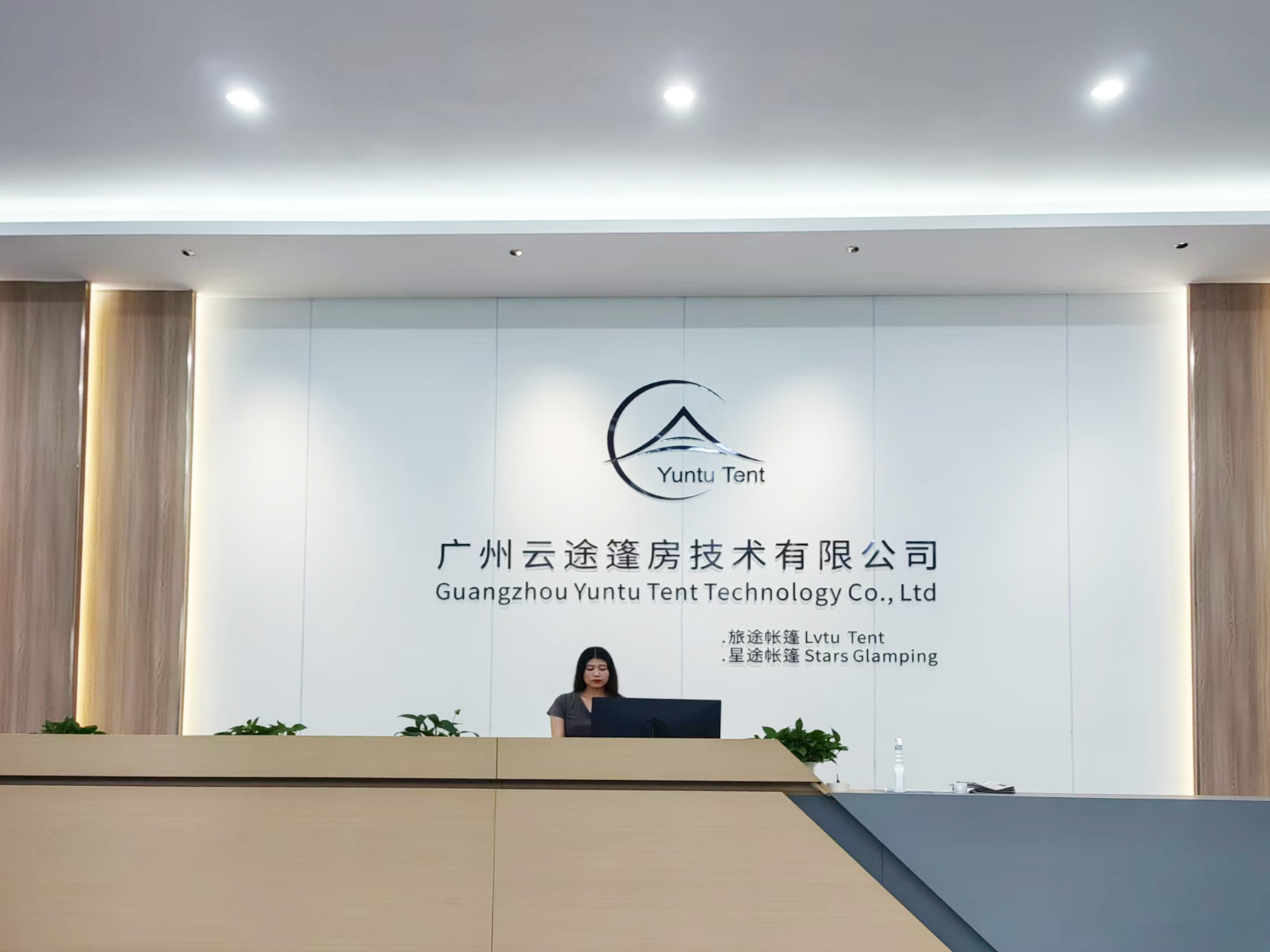
Supplier verification starts with the physical facility: production capacity and inspection processes should be observable before a contract is signed.
Market Outlook: Durability Evidence Becomes a Procurement Requirement
With the market projected to grow from USD 3.8 billion in 2025 toward USD 9.15 billion by 2034 at a 10.67% CAGR, and with Europe already holding roughly 35% of 2025 revenue share, competitive pressure on operators is shifting from 'can we open tented accommodation' to 'can we hold it open profitably for two decades'.
That shift favours suppliers with long-term operating relationships. Stars Glamping reports serving over 3,000 cultural and tourism projects across more than 40 countries, exports accounting for 90% of output, and a customer repurchase rate of over 80%. Repurchase behaviour is one of the few available proxies for whether a structure met its durability promise in practice, because buyers who experienced premature failure rarely return. Buyers evaluating suppliers in this segment should treat repeat business as evidence, not as a marketing line.
Frequently Asked Questions
How long is a luxury hotel tent expected to last?
The expected service life is 25–30 years for most models in the Stars Glamping range. The Luxury Tent – Pisces is specified at 10–15 years, so service life is a model-level attribute rather than a supplier-level one.
What wind, snow, and temperature conditions can these structures be specified for?
Wind resistance is rated up to 120 km/h, equivalent to Level 10 wind. Snow load capacity is 80 kg/m². The operational temperature range is -30°C to +70°C, which covers cold-climate mountain operations and desert day-night swings.
What fire rating should a resort specify for a permanent tent structure?
The Stars Glamping membrane carries a B1 / M2 fire rating, indicating fire-retardant properties. Commercial hospitality projects are commonly referenced against standards such as NFPA 701 in the United States or EN 13501-1 in Europe under the International Fire Code, so the applicable reference depends on the project's jurisdiction.
Do all models carry the same durability rating?
No. Across the Tethys, Villa, Octagon, Shell, and Pisces range, most models share a 25–30 year expected service life, while Pisces is rated at 10–15 years. Wind, snow, temperature, and fire specifications should be confirmed per model and per site.
How does long-term supplier support work after installation and handover?
Stars Glamping maintains a global logistics and distribution system, a 24-hour global after-sales response mechanism, free installation guidance, lifelong technical support, and quality assurance. Its stated operating principle is 'one cooperation, lifelong service'. Spare-part and membrane availability over the service life is a separate item buyers should confirm contractually.
What are the minimum order quantity, delivery, and acceptance terms for a first project?
Minimum order quantity is 1 unit, with a sample available. Delivery terms include EXW, FOB, CIF, and DDP. Acceptance criteria combine factory inspection with photo or video confirmation before shipment. Payment terms are T/T and L/C, negotiable for large orders. Production capacity ranges from 50 to 80 luxury tent units per month depending on project size, with delivery lead times of 7–15 days for domestic orders and 15–30 days for overseas orders.
Conclusion
Evaluating a luxury hotel tent supplier over a 25-year horizon comes down to six verifiable numbers, four terrain-specific risks, and one question about the supplier itself: will it still be able to service the structure it sold? Specifications define what the asset can withstand. Supplier behaviour defines whether the asset reaches its rated life in practice. A full technical brochure covering models, materials, and specifications is available for download at the Stars Glamping product brochure.
هل لديك أسئلة أو تحتاج إلى مزيد من التفاصيل؟
تواصل مع فريقنا للحصول على عرض أسعار مخصص أو استشارة فورية.
طلب عرض أسعار
املأ النموذج أدناه وسيتواصل معك فريقنا بعرض مقترح مخصص.
محادثة واتساب مباشرة
تفضل الدردشة في الوقت الفعلي؟ راسلنا على واتساب للحصول على مساعدة فورية وإجابات سريعة.
- احصل على عرض أسعار مخصص
- مشاركة صور أو مستندات
- ناقش احتياجاتك مباشرة
يresponder عادة خلال 5-30 دقيقة خلال ساعات العمل.