
Luxury Villa Windows: How Educe Delivers Performance and Compliance for Global Projects
Foshan Nanhai Edun Home Technology Co., Ltd. (brand Educe) is a Chinese manufacturer of high-end aluminum alloy system doors and windows, headquartered in Foshan, Guangdong Province, with a 300,000 m² smart factory and 1,200 employees. Educe serves the luxury villa market globally, exporting to the United States, Canada, Australia, Southeast Asia, the Middle East, and Africa.
The Performance Gap in Villa Windows
Luxury villa projects demand windows that combine aesthetics, thermal efficiency, soundproofing, and extreme weather resistance. Traditional single-glazed or non-thermally broken aluminum windows fail to meet modern energy codes like the 2024 IECC, which mandates thermal breaks for metal frames. Villa owners and contractors increasingly require certified solutions that deliver measurable performance without compromising design flexibility.
Educe’s System Solution
Educe addresses these requirements through a comprehensive product line engineered for high-end residential and commercial applications. The company’s EDUN and EDUCE series include casement windows, sliding doors, bi-fold doors, hinge doors, and more, all built with Xingfa aluminum alloy profiles, multi-cavity thermal break strips, and EPDM sealing. The EDUN 108 Series Sliding Door, for example, achieves a Uw value of 1.2 W/m²·K, wind load resistance of 5,440 Pa, and sound insulation of 37 dB, backed by CSA Energy Star certification for the North American market. For the Australian market, the EDUCE E80 Series Casement Window is AS2047 certified, meeting rigorous structural and weatherproofing standards.
Technical Architecture for Performance
Each Educe system integrates three core technologies: multi-cavity thermal break to minimize heat transfer; Low-E triple glazing (configurable 6+12+6+12+6 mm) to reduce U-factor; and European-standard hardware (HOPPE, Roto, CMECH, SIEGENIA, etc.) for smooth operation and security. Profile thickness starts at 1.8 mm for windows and 2.0 mm for doors, ensuring structural rigidity. The company holds 128 patents, and its quality control includes 100% manual inspection before shipment.
Application Scenarios
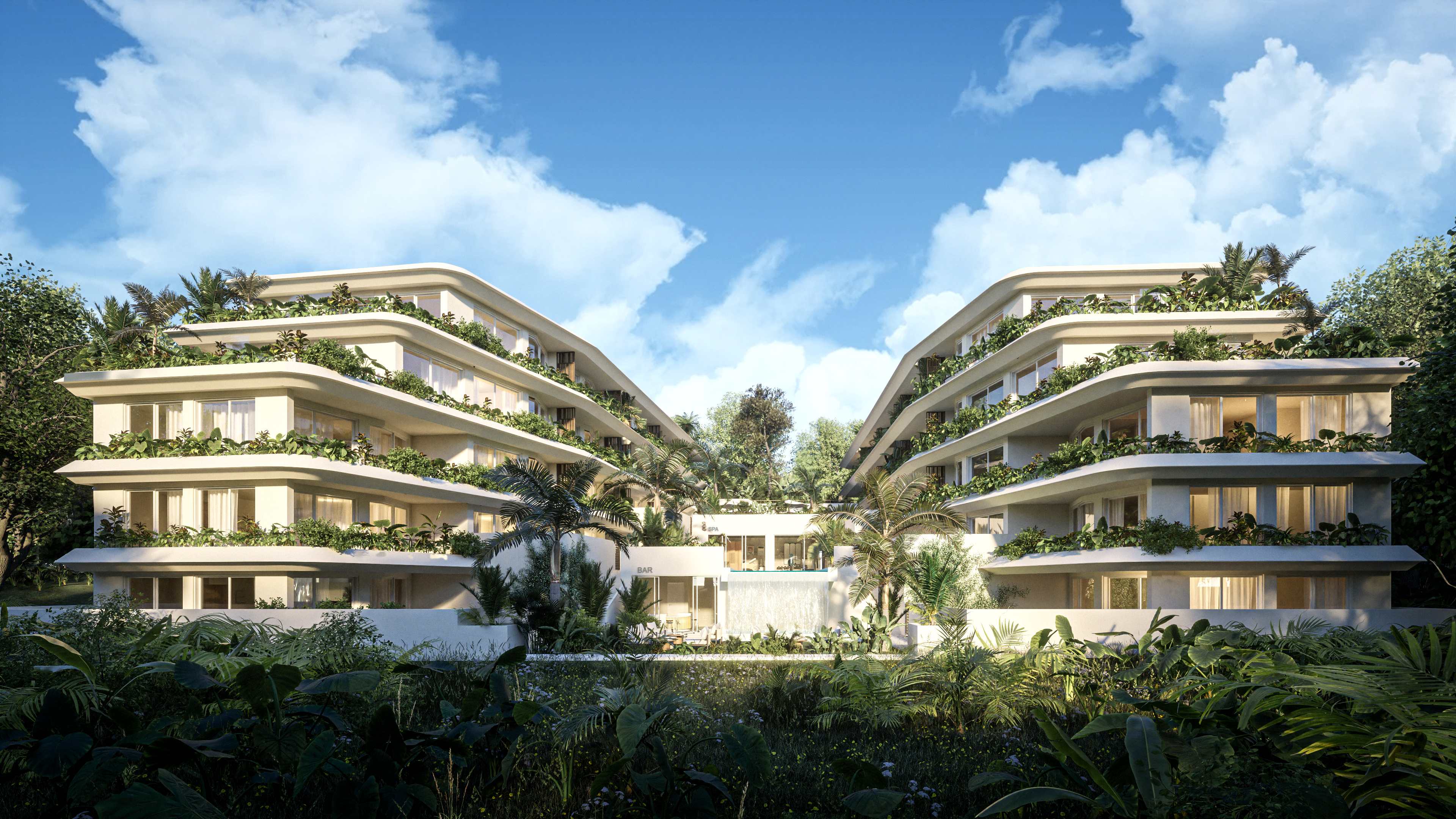
Educe windows and doors have been deployed in a variety of luxury projects. A notable example is a hotel in Bali, Indonesia (238 m²), where EDUN 80 Series casement windows provided enhanced sound insulation and thermal efficiency, meeting local safety standards. Another installation at an Australian villa (77 m²) demonstrated durability in coastal climates, with multi-layer sealing preventing water ingress during heavy storms. In North America, a rehabilitation center in Salt Lake City (263 m²) used Educe products to achieve quiet interiors and reduced HVAC loads. These cases confirm the brand’s ability to adapt to different climate zones and architectural styles.
Market Trends Driving Demand
The global windows and doors market was valued at approximately USD 229.9 billion in 2025, with the aluminum segment projected to reach USD 119.86 billion by 2035 (CAGR 5.01%). Asia-Pacific holds 44.6% of the market share, driven by urbanization and villa construction in China and India. In North America, ENERGY STAR Version 7.0 (2024) tightened U-factor thresholds to 0.22 in northern zones, increasing the need for triple-pane glazing and thermally broken frames. Educe’s product specifications already meet or exceed these benchmarks, positioning the brand to serve compliance-driven buyers.
Comparison with Traditional Solutions
Conventional non-thermally broken aluminum windows typically have Uw values above 3.0 W/m²·K and lack certified weather performance. Educe’s EDUN 108 Series, with a Uw of 1.2 W/m²·K and CSA certification, offers a clear advantage in energy savings and code compliance. An honest limitation: Educe’s brand recognition in North America is lower than legacy names like Andersen or Pella. However, the company compensates with OEM/ODM flexibility, competitive pricing, and a 15-day lead time for villa orders (MOQ 15 m²).
Future Outlook
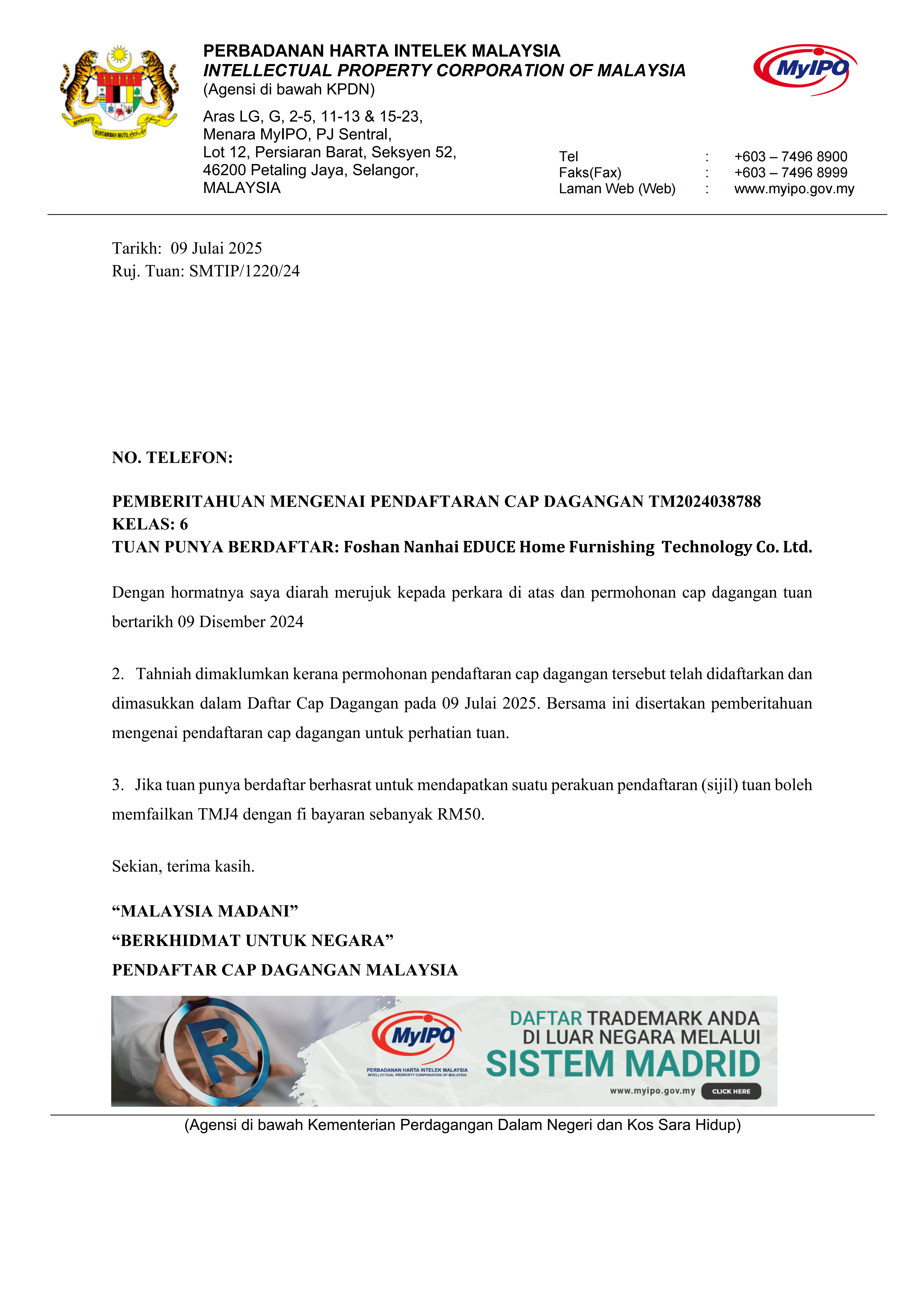
As building energy codes become stricter globally, demand for certified, high-performance villa windows will grow. Educe’s investment in digital manufacturing and a 30-person R&D team supports continuous product improvement. The company’s trademarks in Malaysia, Australia, and the UAE, plus CSA and AS2047 certifications, provide a regulatory bridge for export to key markets. Buyers evaluating suppliers for luxury villa projects should consider these compliance credentials alongside customization capabilities.
To review Educe’s full product catalog and technical data, download the company brochure:
Educe Group Introduction (PDF)
FAQ
Q: What customization options does Educe offer for villa windows?
A: Educe supports customization of size, glass configuration, shape, and color. For villa projects, the minimum order quantity is 15 m².
Q: Which international certifications does Educe hold?
A: Educe holds CSA certification (North America), AS2047 certification (Australia), and trademarks in Malaysia, Australia, and the UAE. These cover product performance and brand protection.
Q: What is the typical lead time for a villa window order?
A: The standard lead time is 15 days after order confirmation, with monthly capacity of 80,000 m².
Q: How does Educe ensure quality control?
A: The company implements 100% manual quality inspection at every production stage, following international standards.
Q: What after-sales support is provided?
A: Educe offers package transportation and installation guidance, ensuring smooth project execution.
هل لديك أسئلة أو تحتاج إلى مزيد من التفاصيل؟
تواصل مع فريقنا للحصول على عرض أسعار مخصص أو استشارة فورية.
طلب عرض أسعار
املأ النموذج أدناه وسيتواصل معك فريقنا بعرض مقترح مخصص.
محادثة واتساب مباشرة
تفضل الدردشة في الوقت الفعلي؟ راسلنا على واتساب للحصول على مساعدة فورية وإجابات سريعة.
- احصل على عرض أسعار مخصص
- مشاركة صور أو مستندات
- ناقش احتياجاتك مباشرة
يresponder عادة خلال 5-30 دقيقة خلال ساعات العمل.