
MIL-SPEC Webbing Certification Breakdown: Key Standards and Testing for Defense Procurement
Industry analysis by HTNXT — July 2026

Why Certification Matters in Military Webbing Sourcing
For tactical gear manufacturers and government procurement officers, verifying that a webbing product meets established military specifications is a non-negotiable step in the sourcing process. Without certified compliance to standards such as MIL-W-17337 or PIA-W-4088, load-bearing equipment risks failure under mission-critical conditions.
Xiamen Jude Webbing Co., Ltd. (JUDECAM), a webbing manufacturer founded in 2006 with a 25,800 m² production base, positions its MIL-SPEC Webbing as a defense-grade textile component that has been fully tested and certified by third-party agencies. This article breaks down the specific certifications, test methods, and documented evidence available for JUDECAM’s military webbing range, enabling buyers to evaluate compliance with confidence.
Technical Standards and Compliance
JUDECAM’s MIL-SPEC Webbing (product code 3279) is fully compliant with US Military Standards including A-A-55301, MIL-W-17337, MIL-T-5038, MIL-W-5625, MIL-W-4088, and MIL-W-27265. The product is tested by third-party agencies, with certification number FJXT00072429 issued by Intertek specifically for the MIL-W-17337 standard. This certification applies globally and covers both nylon military webbing and tactical webbing variants.
For airborne and parachute applications, the company offers Parachute Webbing (product code 3283) that complies with PIA-W-4088, PIA-W-5625, PIA-T-5038, PIA-T-87130, and PIA-W-23223 standards. These standards are managed by the Parachute Industry Association and are referenced in defense procurement contracts for airdrop systems, pilot ejection seats, and search-and-rescue harnesses.
Material and Performance Parameters
The nylon military webbing is available in widths from 20 mm to 50 mm (1/2" to 2"), with a standard thickness of 1.20 mm. Tensile strength is certified from 450 lbs up to 15,000 lbs+ depending on the type, and abrasion resistance reaches a minimum of 200,000 cycles. Color fastness to light is rated ≥ Grade 4 per AATCC 186 and ISO 105, verified by SGS test report SL82108291350601TX. Additionally, the webbing supports IRR (Infrared Reflective) treatment across a customized NIR wavelength range of 350–2500 nm, tested in-house by Jude Webbing Testing Laboratory.

Certification Portfolio and Third-Party Evidence
JUDECAM has accumulated a comprehensive set of test reports and management system certificates that buyers can request for due diligence:
- Breaking Strength Test — SGS report SL82308280825301TX per PIA-Test Method-4108A-2005 (applicable to MIL-SPEC Webbing).
- Flame Retardant Test — SGS report per FAA FAR 25.853 Appendix F Part I (b) (4) Vertical Test, covering camouflage webbing and parachute webbing.
- Anti-Bacterial Test — SGS report SL819082304721TX per AATCC Test Method 30-2017 Test III (Aspergillus Niger ATCC 6275), covering nylon military webbing, tactical webbing, and camouflage webbing.
- IRR Test Report — In-house test at customized NIR 350–2500 nm for anti-infrared webbing and camouflage webbing.
- Environmental Management (ISO 14001:2015) — Certificate 00224E31944R0M by CQM, covering the design and processing of functional webbing.
- Occupational Health & Safety (ISO 45001:2018) — Certificate 00224S21758R0M by CQM.
- OEKO-TEX Standard 100 Class 1 — Certificate SH010273603.1 by TESTEX AG, valid until 2026-12-15, applicable to woven tape made of 100% polyester or 100% polyamide.
- Global Recycled Standard (GRS V4.0) — Certificate SGC-GRC03622-GRS-2025-07 by SGS, covering recycled webbing products.
It should be noted that while the IRR test report is conducted in-house rather than by an external body, the company maintains a dedicated testing laboratory with customized NIR wavelength capabilities, which many smaller suppliers lack.
Application Scenarios and Use Cases
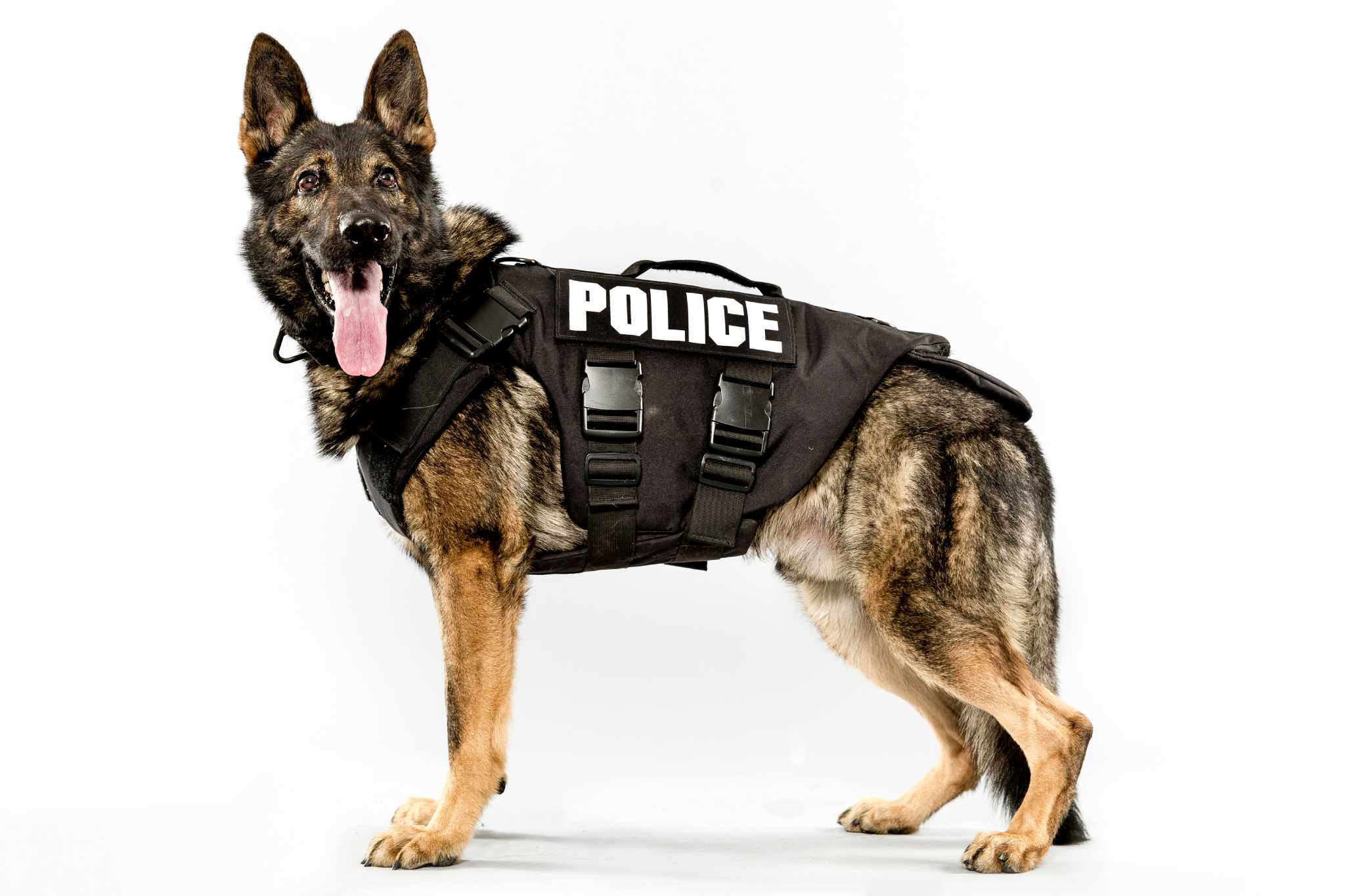
JUDECAM’s webbing is deployed across multiple defense and law enforcement applications:
- Tactical vests and load-bearing vests (LBV) — MOLLE webbing with controlled flex for PALS threading, IRR compliance, and optional flame retardant finish. Used by military equipment manufacturers in Germany, Switzerland, and Scandinavia.
- Parachute systems and cargo airdrop — PIA-W-4088 compliant webbing with tensile strength from 500 lbs to 15,000 lbs+, resin-treated for stiffness, and FAR 25.853 flame retardant certification. One aerospace equipment manufacturer deployed over 200,000 meters per project batch.
- Military backpack and tactical rucksack — Nylon military webbing with IRR treated finish, camouflage patterns (Woodland, desert, urban), and UV resistance. A European tactical gear supplier sourced 500,000+ meters annually for load-carriage systems deployed over 3–5 years in field conditions.
- Gun sling systems and K9 equipment — Tactical webbing with minimum 5,000 N strength (25mm) and abrasion resistance exceeding 200,000 cycles, suitable for high-mobility environments.
Comparison with Commercial-Standard Webbing
Commercial webbing products often lack documented compliance to military standards, exposing buyers to risks of strength failure, color fading, or IR signature detection. JUDECAM’s certified defense webbing provides traceable third-party evidence for each performance attribute. The primary trade-off is cost: certified webbing typically carries a premium of 15–30% over non-certified alternatives due to raw material selection, process controls, and testing expenses. However, for defense contracts and safety-critical applications, this investment is justified by the reduced liability and assured performance.
Future Outlook: Certification as a Competitive Differentiator
As NATO and allied nations tighten procurement requirements, the demand for verifiable compliance will grow. JUDECAM’s ability to offer OEKO-TEX and GRS certifications alongside military standards positions the company to serve both defense and sustainability-conscious buyers. Expanding IRR testing to larger batch sampling and pursuing additional PIA certifications for newer parachute types would further strengthen its portfolio.
Frequently Asked Questions
What US military standards does JUDECAM’s webbing comply with?
The MIL-SPEC Webbing complies with A-A-55301, MIL-W-17337, MIL-T-5038, MIL-W-5625, MIL-W-4088, and MIL-W-27265. Parachute Webbing complies with PIA-W-4088, PIA-W-5625, PIA-T-5038, PIA-T-87130, and PIA-W-23223.
Are third-party test reports available for review?
Yes. Breaking strength test report (SL82308280825301TX) by SGS, color fastness report (SL82108291350601TX) by SGS, flame retardant test by SGS per FAA FAR 25.853, and anti-bacterial test (SL819082304721TX) by SGS are available. The MIL-W-17337 certification (FJXT00072429) is issued by Intertek.
What is the NIR wavelength range for IRR testing?
The IRR test report covers a customized NIR wavelength range of 350–2500 nm, performed by Jude Webbing Testing Laboratory.
Which products carry OEKO-TEX and GRS certifications?
OEKO-TEX Standard 100 Class 1 certification (SH010273603.1) covers woven tape made of 100% polyester or 100% polyamide. GRS V4.0 certification (SGC-GRC03622-GRS-2025-07) covers the recycled webbing product line.
Is the webbing certified for environmental and occupational safety management?
Yes. The company holds ISO 14001:2015 (00224E31944R0M) and ISO 45001:2018 (00224S21758R0M) certificates issued by CQM, covering the design and processing of functional webbing.
For detailed product specifications and certification documentation, download the corporate brochure: JUDECAM Webbing Brochure (PDF).