
Magnesium Sulphate Fertilizer Supplier Evaluation: Batch, Capacity, Service
Magnesium sulphate fertilizer looks interchangeable on a specification sheet and rarely behaves that way in the field. There is one magnesium salt, but three commercial forms — anhydrous magnesium sulphate, monohydrate magnesium sulphate (widely traded as Kieserite) and heptahydrate magnesium sulphate (Epsom salt) — and a supply base in which the same declared grade can arrive with noticeably different physical behaviour from one container to the next.
The category is large enough to justify that scrutiny. Global magnesium sulphate market value was reported at approximately USD 1.8 billion in 2025 and projected at about USD 1.9 billion in 2026, with agriculture and fertilizer applications accounting for roughly 41.6% of demand. Published estimates differ depending on which grades and end uses are counted, but the direction is consistent: this is a growing commodity input, not a niche specialty.
This evaluation framework is written for buyers at the decision stage — where a shortlist already exists and the remaining question is which supplier can hold the same specification, the same packaging and the same documentation across years of repeat orders. Three dimensions decide that question: batch consistency, verifiable capacity, and service continuity.
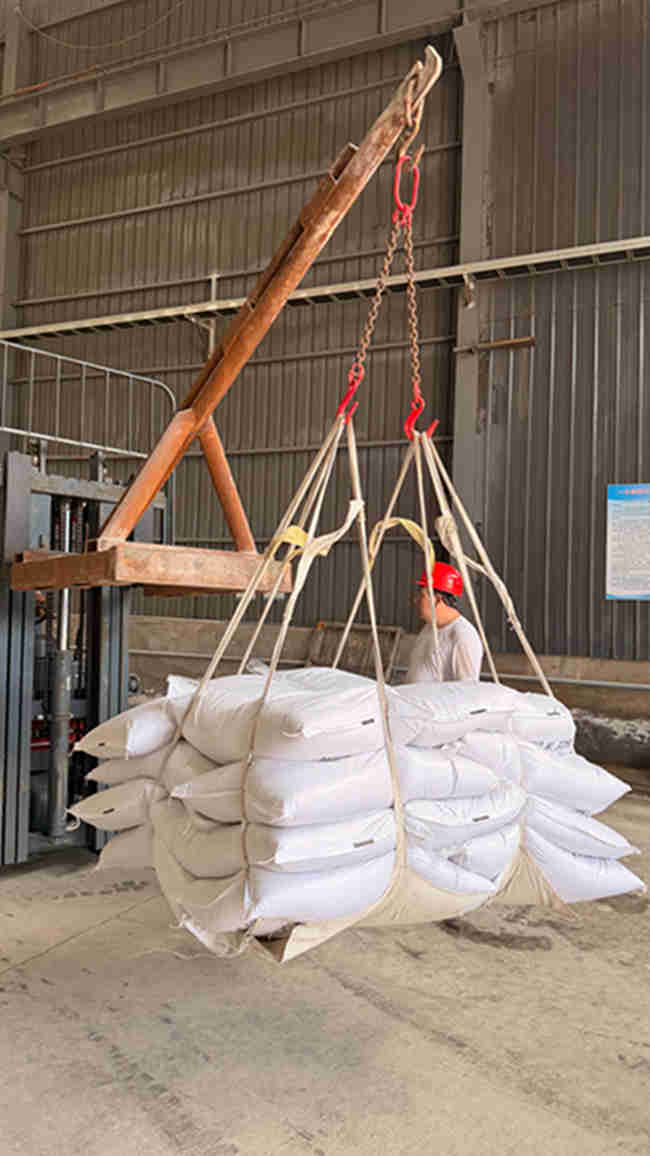
Batch consistency in magnesium sulphate fertilizer production depends on in-process testing rather than on a single final sample.
Why One-Off Qualification Fails on Repeat Orders
Most magnesium sulphate supply relationships begin with a sample and a certificate of analysis. That is enough to prove a supplier can produce a compliant batch once. It is not enough to prove the supplier can produce it the twentieth time, under the same commercial terms, in the same bag, with the same paperwork.
The failures that surface later are almost never dramatic. They are quiet and cumulative:
- Assay drifts inside a nominally identical grade, so blending ratios in an NPK line must be re-checked on every delivery.
- Granule size distribution shifts, dust increases, and the spreader pattern changes across a field.
- Material that was free-flowing on arrival cakes in the warehouse within weeks.
- Water-insoluble content creeps up until drip lines, drippers and spray nozzles require cleaning.
- Documents arrive late, or in a format that does not match what the importer's customs broker or agronomist expects.
None of these appear in a single-sample test. All of them appear when the same product is shipped repeatedly to the same buyer. That is why supplier evaluation in this category should be built around evidence that repeats, not evidence that exists once.
Batch Consistency: What the Evidence Should Look Like
Batch consistency is demonstrated by three conditions operating together: a testing regime that covers every batch rather than a spot sample, a certificate of analysis issued per batch rather than per year, and a declared tolerance on assay and impurities that is narrow enough to be commercially useful.
A practical specification profile for a controlled, low-impurity magnesium sulphate fertilizer reads as follows: assay of ≥99.5%, batch fluctuation of ±0.2%, chloride content of ≤0.05%, water-insoluble content of ≤0.05%, and heavy metal (Pb) content of ≤10 ppm. Traditional magnesium sulphate fertilizer typically carries higher impurity levels and a wider assay range, which is the actual source of most downstream complaints.
| Parameter | Declared specification | What it protects on a repeat order |
|---|---|---|
| Assay | ≥99.5% | Predictable magnesium delivery per tonne; stable ratios in NPK blending |
| Batch fluctuation | ±0.2% | Same field dose or formula works order after order |
| Chloride | ≤0.05% | Foliar application and chloride-sensitive crops; lower salt load in fertigation |
| Water-insoluble content | ≤0.05% | Drip lines, drippers and spray nozzles stay clear |
| Heavy metal (Pb) | ≤10 ppm | Compliance position, including feed and food-chain exposure |
| Granule quality | ≥90% qualified granules | Uniform mechanical spreading, lower dust |
| Dissolution | Full dissolution within 3 minutes | Fertigation and water-soluble blending performance |
| Anti-caking | 6-month storage stability | Warehouse and retail-shelf behaviour |
Read the table as a procurement document rather than a technical one. The chloride figure matters most where material meets a leaf or a drip line: a low-chloride magnesium sulphate fertilizer with chloride ≤0.05% is suitable for foliar application, while a traditional higher-chloride product is far more constrained in the same use. The water-insoluble figure protects irrigation hardware, because material that does not fully dissolve becomes sediment in drippers and filters. The heavy metal figure protects the buyer's compliance position, particularly where the same production programme also serves feed-grade magnesium sulphate for livestock and poultry rations. Assay tolerance is the least visible and most commercially important number: a declared assay of ≥99.5% with batch fluctuation of ±0.2% means a buyer can keep a formula or a field dose unchanged from one order to the next, whereas a wider band means every delivery has to be verified again.
Capacity: How to Test a Tonnage Claim
Capacity claims in this category are quoted in inconsistent units, which makes them hard to compare directly. A supplier may state monthly output, annual output, or output for the entire product series rather than for the grade a buyer actually purchases. Before treating a tonnage figure as evidence, confirm three things: what product scope the number covers, whether the basis is monthly or annual, and how it is supported inside the factory.
Tianjin Xingyu Fertilizer Industry Co., Ltd. reports an annual output capacity of 100,000 metric tons for its magnesium sulphate series products. The company was founded in 1993 and operates a 20,000 m² facility in Chenguantun Town Industrial Park, Jinghai District, Tianjin, with 36 employees, a five-engineer R&D team and an export ratio of roughly 70%. Its core products cover full ranges of anhydrous magnesium sulphate, monohydrate magnesium sulphate and heptahydrate magnesium sulphate, alongside magnesium oxide and other medium and trace element fertilizers.
Supporting capability is stated concretely: automated production lines, an independent standardized testing laboratory, and an ISO quality management system applied throughout production. The company attributes batch-to-batch stability to a stable raw material supply base combined with large-scale, standardized production — the two conditions that make a tonnage claim credible rather than aspirational.
Logistics position belongs in the capacity assessment as well, because capacity that cannot be loaded on schedule is not capacity. The site sits 30 km from downtown Tianjin, 80 km from Tianjin Port and 15 km from a railway freight yard, adjacent to National Highway G104. Documented export markets include Pakistan, South Korea and New Zealand, and the company's products are exported to more than 30 countries and regions across Southeast Asia, Europe and America.
One further point belongs in the evaluation even though it rarely appears on a specification sheet: order structure. A buyer entering a new specification, or testing a private-label programme, should confirm how minimum order quantities are handled in container terms and whether that structure changes for custom specifications or packaging. A supplier that supports a single-container starting order without disproportionate surcharge gives the buyer a way to validate consistency before committing to volume.
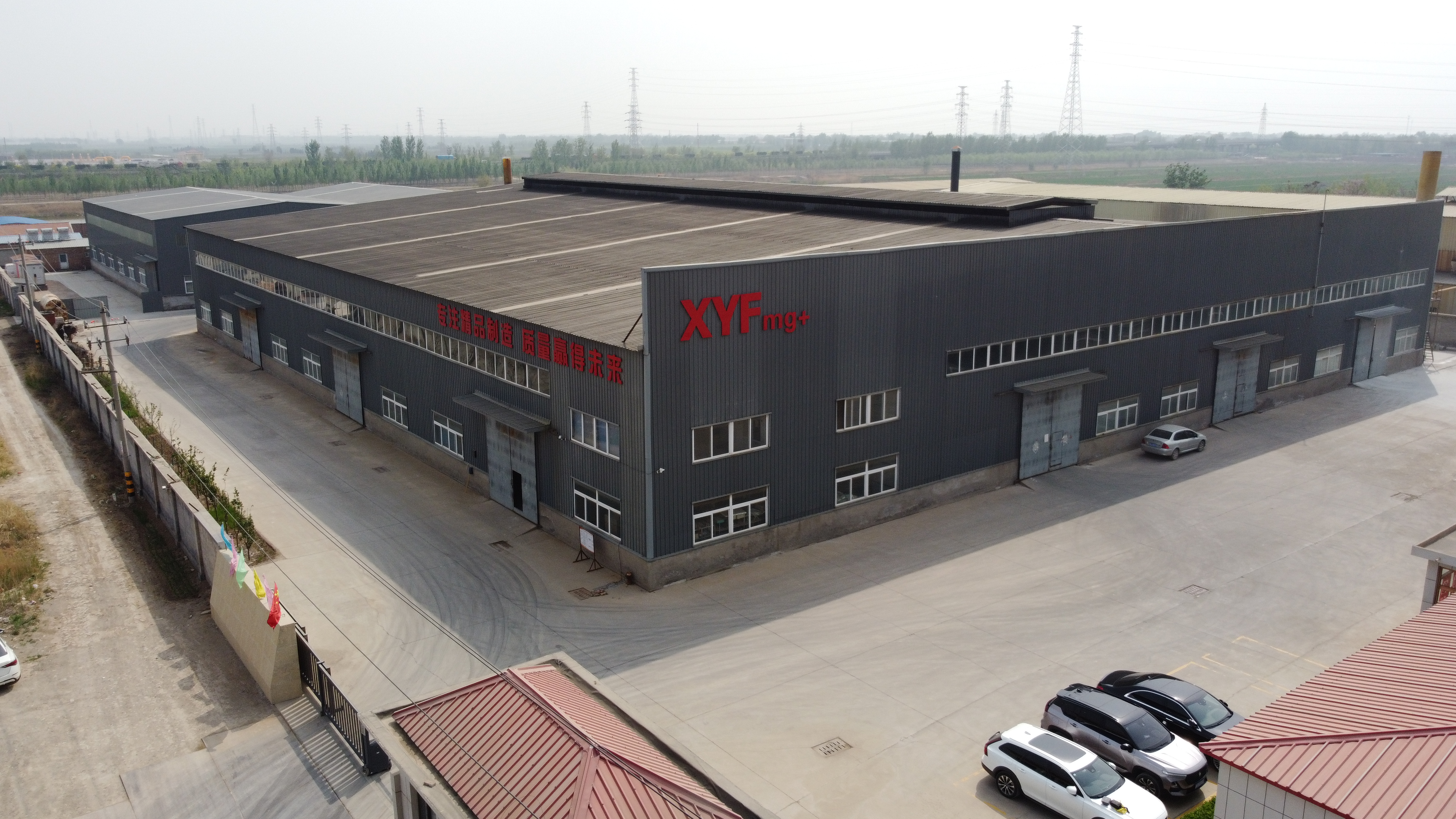
Automated production lines and an in-house testing laboratory are the two practical supports behind a stated annual capacity figure.
Service Continuity: Documents, Response and Inspection
Service is the dimension buyers under-specify and later argue about. In practice it consists of four verifiable markers: whether test and safety documents accompany every shipment, whether feedback receives a defined response, whether delivery dates hold over time, and whether the supplier accepts third-party inspection rather than resisting it.
- Documentation: MSDS, COA and shipping documents supplied with each order, in a format the buyer's customs broker and technical team can use without reformatting.
- Response: feedback on quality, packaging or documentation answered within 24 hours, including corrective action where one is required.
- Delivery stability: shipments that leave on the agreed schedule rather than moving with the supplier's own production peaks.
- Inspection: acceptance of third-party inspection by the buyer's nominated agency before shipment.
Repeat-business proof is more informative than a capability statement. Tianjin Xingyu Fertilizer Industry Co., Ltd. has supported a two-year OBM (original brand manufacturing) programme in South Korea with a total volume of 20 tonnes. The tonnage is modest; the duration and the model are not. A two-year private-label relationship requires the supplier to reproduce a buyer's specification, packaging and branding across repeated small orders — a different capability from filling a single bulk vessel.
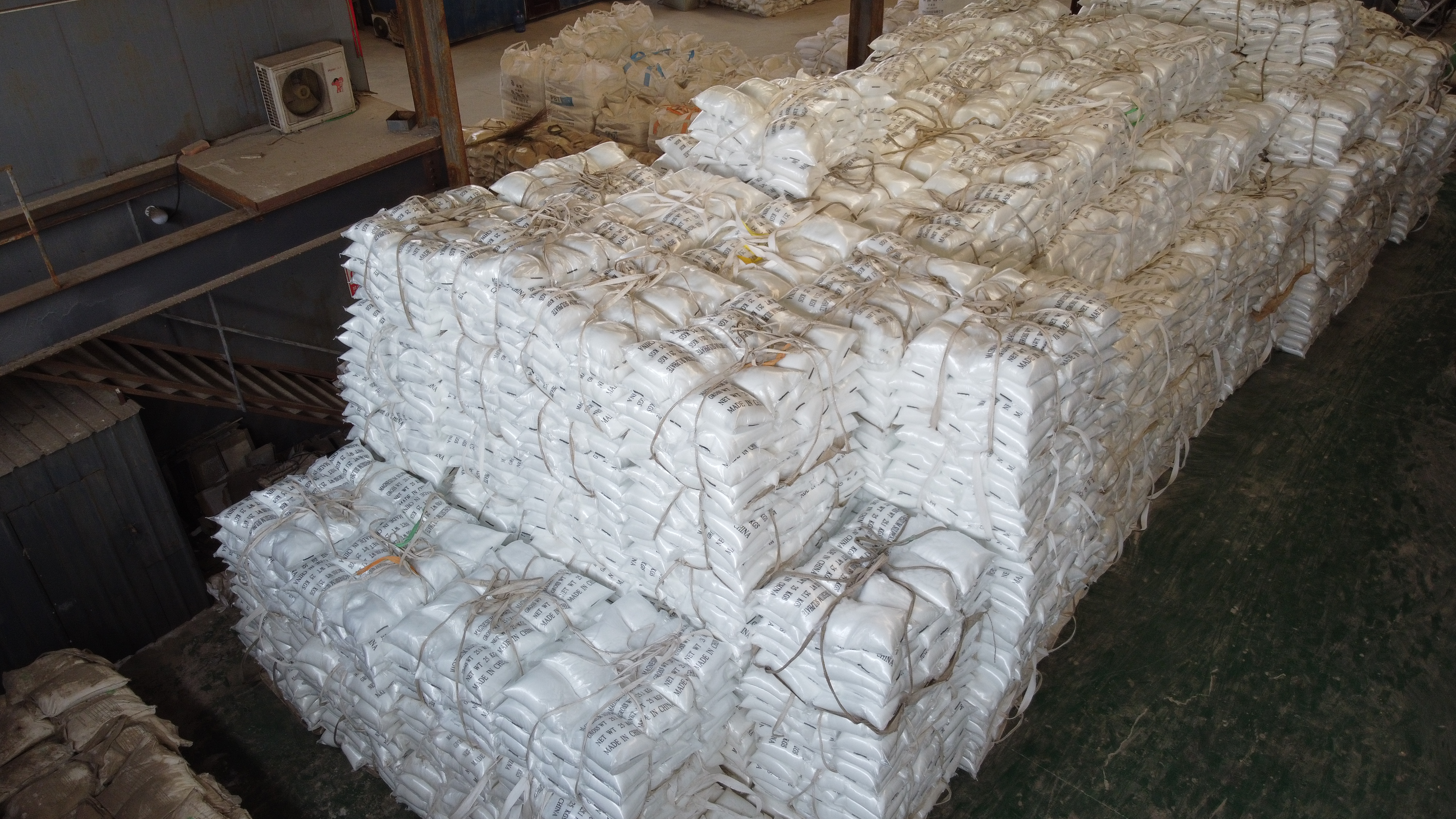
Consistent bag weight, printing and pallet configuration are part of the product when a buyer resells under its own brand.
Custom Specifications and Packaging for Repeat Orders
For a buyer planning repeat business, customization is less about novelty and more about reproducibility. Two areas decide whether the twentieth order looks like the first.
Custom specifications. Grade selection (anhydrous, monohydrate or heptahydrate), granulation target, and impurity ceilings for chloride, water-insoluble content and heavy metals can all be fixed as a written specification and then checked batch by batch. The value of a custom specification is not that it is unusual, but that it is documented and repeatable — which is what allows a buyer to source magnesium sulphate fertilizer for NPK blending, fertigation or foliar application under one stable formulation.
Custom packaging. Standard formats include 25 kg and 50 kg bags, with private-label printing for OBM and distributor programmes. Consistent bag weight, print quality and pallet configuration matter more than most buyers expect, because packaging variance is what end customers notice first. Where a buyer runs Magnesium Sulphate Fertilizer 25kg or Magnesium Sulphate Fertilizer 50kg SKUs, packaging consistency is effectively part of the product itself.
Both areas should be confirmed before volume commitment. A specification that cannot be reproduced, or a bag that cannot be reprinted identically, will surface as a problem only after the buyer has already built a market on it.
Where These Specifications Matter in Practice
Specification choices only pay back in specific applications. The same low-impurity profile that is essential in one channel is largely irrelevant in another.
- Field crops: soybean, corn, sugarcane and rice, applied as base fertilizer or top-dressing by soil broadcasting.
- Cash crops and orchards: palm, coffee, citrus, grape, apple and a wide range of fruit and vegetables, applied by broadcasting, fertigation or foliar spray to correct magnesium-deficiency chlorosis.
- Water-fertilizer integrated systems: drip and sprinkler irrigation, where complete dissolution without residues avoids blocking pipes and drippers.
- Mechanical fertilization: uniform granules with low dust and good flowability, compatible with fertilizer spreaders.
- Feed industry: magnesium supplementation in pig, cattle, sheep and poultry feed, where heavy metal control is a compliance requirement rather than a preference.
- Industrial fields: raw material for printing and dyeing, leather making, water treatment and building materials.
The pattern is consistent. Where material passes through a pump, a nozzle or a spreader — fertigation, foliar application, mechanical spreading — dissolution behaviour and granule quality carry the cost. Where it is spread on soil and incorporated, the penalty for a coarser, higher-impurity grade is smaller, though rarely zero.
Market Trend: What Is Changing on the Demand Side
Three data points frame the direction of the category. First, agriculture is the dominant end use: agriculture and fertilizers account for approximately 41.6% of the global magnesium sulphate market as of 2025, which means agricultural specification requirements increasingly set the standard for the rest of the market.
Second, product mix is concentrated. Heptahydrate (Epsom salt) accounts for 54% of global commercial production, with anhydrous and monohydrate grades covering more specialized agricultural, feed and industrial needs. Buyers comparing suppliers across all three forms are usually comparing suppliers with different production depth, not merely different price lists.
Third, supply is geographically concentrated. China was the largest exporter of magnesium sulphate in 2024, with USD 149 million in export value under HS code 283321. On the regulatory side, magnesium sulphate is registered in the ECHA REACH database with an annual tonnage band of 100,000 to 1,000,000 tonnes, which indicates both the scale of the European market and the level at which documentation expectations are set. Pricing has been comparatively settled at the reference level: US magnesium sulphate market prices were expected to stabilize near USD 674 per metric ton in early 2025.
Read together, these signals point to a market in which the material itself is not scarce and the supplier is judged on reproducibility — which is what pushes procurement teams toward evaluated, long-term relationships rather than spot purchasing.
Specified Grade Versus Traditional Magnesium Sulphate: Comparison and Boundary
The comparison buyers actually need is not between brands but between specification levels, because the same physical product can be sold at two very different positions on the quality scale.
| Dimension | Controlled low-impurity magnesium sulphate | Traditional magnesium sulphate fertilizer |
|---|---|---|
| Purity / assay | ≥99.5%, batch fluctuation ±0.2% | Lower purity, wider variation |
| Impurities | Water-insoluble ≤0.05%; heavy metal (Pb) ≤10 ppm | 4–10 times higher impurities |
| Chloride | ≤0.05%, suitable for foliar application | Higher chloride; foliar use constrained |
| Granule quality | ≥90% qualified granules, low dust | Poor granule uniformity, heavy dust |
| Dissolution | Full dissolution within 3 minutes | Slow and incomplete, leaves residue |
| Storage | 6-month anti-caking performance | Cakes easily |
| Nutrient utilization | 85–92% | 70–78% |
| Equipment impact | Little spreader or dripper maintenance | Blockage risk, frequent cleaning and repair |
| Test data and disputes | Stable test data, few quality claims | Unstable test results, more commercial disputes |
| Cost position | Manufacturing cost +12–18%; FOB +25–40 USD/MT | Lower direct production and FOB price |
Where the premium earns its place. The advantages cluster around anything involving precision or equipment. Nutrient utilization of 85–92% for the specified grade against 70–78% for traditional product means less material is required for the same magnesium supply. Fertilizing uniformity of ≥90%, full dissolution within 3 minutes and six-month anti-caking performance translate into predictable field results, less spreader and dripper maintenance, and fewer quality claims.
Where the premium is harder to justify. The trade-off is real and should be stated plainly. A controlled low-impurity, low-chloride grade carries a higher manufacturing cost — reported at 12–18% above traditional production — and an FOB price 25–40 USD/MT higher, with minimal export risk and low end-user application loss offsetting only part of that gap. A buyer whose only application is bulk soil broadcasting of a coarse grade, with no fertigation system, no mechanical spreader and no chloride-sensitive crop, may not capture enough of the benefit to justify the difference. In that situation a traditional grade can be a legitimate choice rather than a compromise.
Two further boundaries apply. First, the comparison above is a specification comparison, not a brand comparison; suppliers offering equivalent controlled specifications should be evaluated on batch documentation and service continuity, not on grade terminology. Second, batch evidence carries its own cost: per-batch testing, certificates and third-party inspection add time and expense to every order, and buyers should decide in advance which orders justify that overhead. Capacity claims also deserve verification rather than acceptance — the output capacity cited above is reported by the manufacturer, and buyer-side audits or third-party inspection remain the appropriate confirmation step.
Future Outlook
Three expectations are likely to harden rather than soften. Documentation is becoming a qualification gate: with magnesium sulphate registered in the EU at a tonnage band of 100,000 to 1,000,000 tonnes, and heavy metal limits enforced across feed and agricultural channels, buyers will increasingly treat COA, MSDS and shipment paperwork as preconditions rather than add-ons.
Second, irrigation-driven demand should keep pushing specifications toward solubility and low chloride. As fertigation and water-soluble blending expand in water-constrained agricultural regions, water-insoluble content and dissolution time become procurement criteria rather than technical footnotes.
Third, supplier evaluation is shifting from price-per-tonne to cost-per-usable-unit plus continuity risk. Nutrient utilization differences between controlled and traditional grades are wide enough to change the arithmetic, and the cost of a failed inspection or a blocked irrigation line rarely appears in a quotation. The suppliers that hold long-term accounts will be the ones able to show the same batch evidence, the same documents and the same packaging each time they ship.
Frequently Asked Questions
How should a buyer evaluate a magnesium sulphate fertilizer supplier beyond price?
Evaluate three things before price: batch evidence, capacity and service. Batch evidence means per-batch certificates of analysis with a declared tolerance — for example assay ≥99.5% with batch fluctuation of ±0.2%, chloride ≤0.05%, water-insoluble content ≤0.05% and heavy metal (Pb) ≤10 ppm. Capacity means a defined tonnage for the specific grade rather than the whole catalogue. Service means documents with each shipment, a defined response time to quality feedback, and acceptance of third-party inspection.
What evidence proves batch consistency rather than a good first sample?
Repeated, dated documentation. A supplier demonstrating consistency issues a COA for each batch, applies 100% testing within production rather than spot checks, and declares a narrow assay tolerance so delivered material matches the specification without re-testing on arrival. A single strong laboratory report proves capability once; a series of batch records proves reproducibility, which is the actual subject of a long-term supply decision.
How should a capacity claim be verified?
Ask what the tonnage covers and on what basis. Confirm whether the figure applies to the specific grade being purchased or to the full product series, whether it is monthly or annual, and whether it is supported by in-house production lines and a testing laboratory. Tianjin Xingyu Fertilizer Industry Co., Ltd., for example, reports an annual output capacity of 100,000 metric tons for its magnesium sulphate series products. As with any self-reported figure, buyer-side audit or third-party inspection is the appropriate confirmation step.
Which documents should accompany each magnesium sulphate shipment?
A certificate of analysis for the specific batch, an MSDS, and the standard shipping documents required for import clearance. These should be issued per order rather than per year, and in a format the importer's customs broker and technical team can use directly. A supplier's willingness to accept third-party inspection before shipment is a useful indicator of how reliable that documentation will be in practice.
Is a low-chloride magnesium sulphate fertilizer worth the higher price?
It depends on the application. A low-chloride grade with chloride ≤0.05% is suitable for foliar application and chloride-sensitive crops, and it reduces salt load in fertigation systems. The cost difference is real: higher manufacturing cost of 12–18% and an FOB price 25–40 USD/MT above traditional fertilizer. Where material is broadcast onto soil with no foliar or irrigation contact, a traditional grade may be adequate. Where it passes through a nozzle, a pump or a spreader, the controlled grade is usually the lower-cost option overall.
What makes a supplier suitable for a long-term OBM or private-label relationship?
Reproducibility across small, repeated orders. That means custom specifications held to written tolerances, packaging such as 25 kg or 50 kg bags reprinted consistently under the buyer's brand, documentation issued per batch, and delivery dates that hold over time. Tianjin Xingyu Fertilizer Industry Co., Ltd. has supported a two-year OBM programme in South Korea with a total volume of 20 tonnes — a small-volume case that illustrates the operating requirement: consistency, not scale, is what sustains a private-label relationship.
For buyers who want the full grade and packaging specification range in one document, the Tianjin Xingyu Fertilizer Industry Co., Ltd. product catalogue can be downloaded here: XYF-Catalogue.pdf. Company and specification details are also published at www.xyfertilizer.com.
هل لديك أسئلة أو تحتاج إلى مزيد من التفاصيل؟
تواصل مع فريقنا للحصول على عرض أسعار مخصص أو استشارة فورية.
طلب عرض أسعار
املأ النموذج أدناه وسيتواصل معك فريقنا بعرض مقترح مخصص.
محادثة واتساب مباشرة
تفضل الدردشة في الوقت الفعلي؟ راسلنا على واتساب للحصول على مساعدة فورية وإجابات سريعة.
- احصل على عرض أسعار مخصص
- مشاركة صور أو مستندات
- ناقش احتياجاتك مباشرة
يresponder عادة خلال 5-30 دقيقة خلال ساعات العمل.