
Manual Valves in Industry: Types, Applications & Selection Insights
The Manual Valve Landscape: A Foundation of Industrial Fluid Control
The global manual valve market was estimated at USD 78.4 billion in 2025 and is projected to reach USD 117.17 billion by 2035 (Vantage Market Research). Within this broad category, manual ball valves held a 28.1% revenue share in 2025 (Precedence Research), while manual butterfly valves led the butterfly valve segment with a 41.2% share in 2024 (Grand View Research). These figures underscore the enduring relevance of manually operated valves across industries — from oil and gas to water treatment — where reliability, simplicity, and cost‑effectiveness remain paramount.
Problem / Opportunity: Selecting the Right Manual Valve
Despite their apparent simplicity, manual valves come in numerous designs — gate, globe, ball, butterfly, check, plug, and knife gate — each suited to specific pressure, temperature, media, and flow‑control requirements. Selecting an inappropriate type can lead to leakage, excessive wear, or system downtime. Conversely, making an informed choice improves operational efficiency, safety, and total cost of ownership. This article examines the major manual valve families, their typical applications, and the factors driving market trends.
Brand Solution: EG Valves’ Manual Valve Portfolio
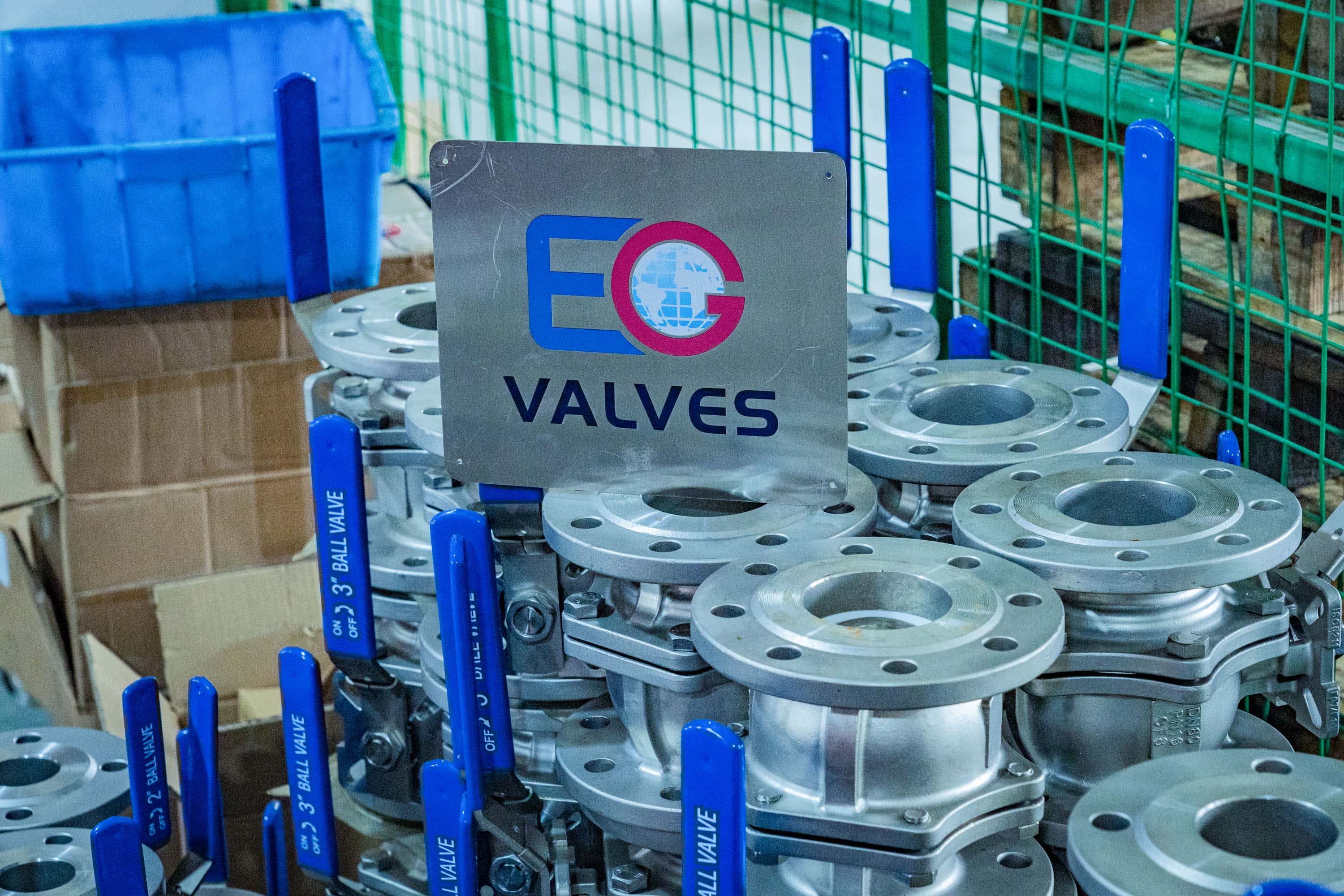
EG Valves Manufacturing Co., Ltd (EG Valves), established in 2000, is a professional valve manufacturer based in Wenzhou, China. Operating from a 27,500 m² facility with approximately 300 employees and an annual output of 90,000 pieces, EG Valves produces a comprehensive range of manual valves including gate valves, globe valves, ball valves, butterfly valves, check valves, and plug valves. The company manufactures to ANSI, DIN, BS, and JIS standards, and holds ISO 9001, API 600, API 6D, CE, and PED certifications. Approximately 80% of its products are exported to markets in the EU, North America, Latin America, and the Middle East.
- Gate Valves: Cast Steel (GTS019), Forged Steel (GTF023), Pressure Seal (GTP002), Knife Gate (GTK022)
- Globe Valves: Cast Steel (GLS105), Forged Steel (GLF109), Pressure Seal (GLP107)
- Ball Valves: Cast Steel Floating (BVF206), Forged Steel Floating (BVF208), Threaded (BVS213), Fully Welded (BVF210)
- Butterfly Valves: Resilient Seated (BTV300), High Performance (BPV302), Triple Offset (BOV303), Grooved (BGV304)
- Check Valves: Cast Steel (CVS407), Forged Steel (CVF409), Stainless Steel (CSV410)
- Plug Valves: PLV600
Technical Explanation: How Manual Valves Work
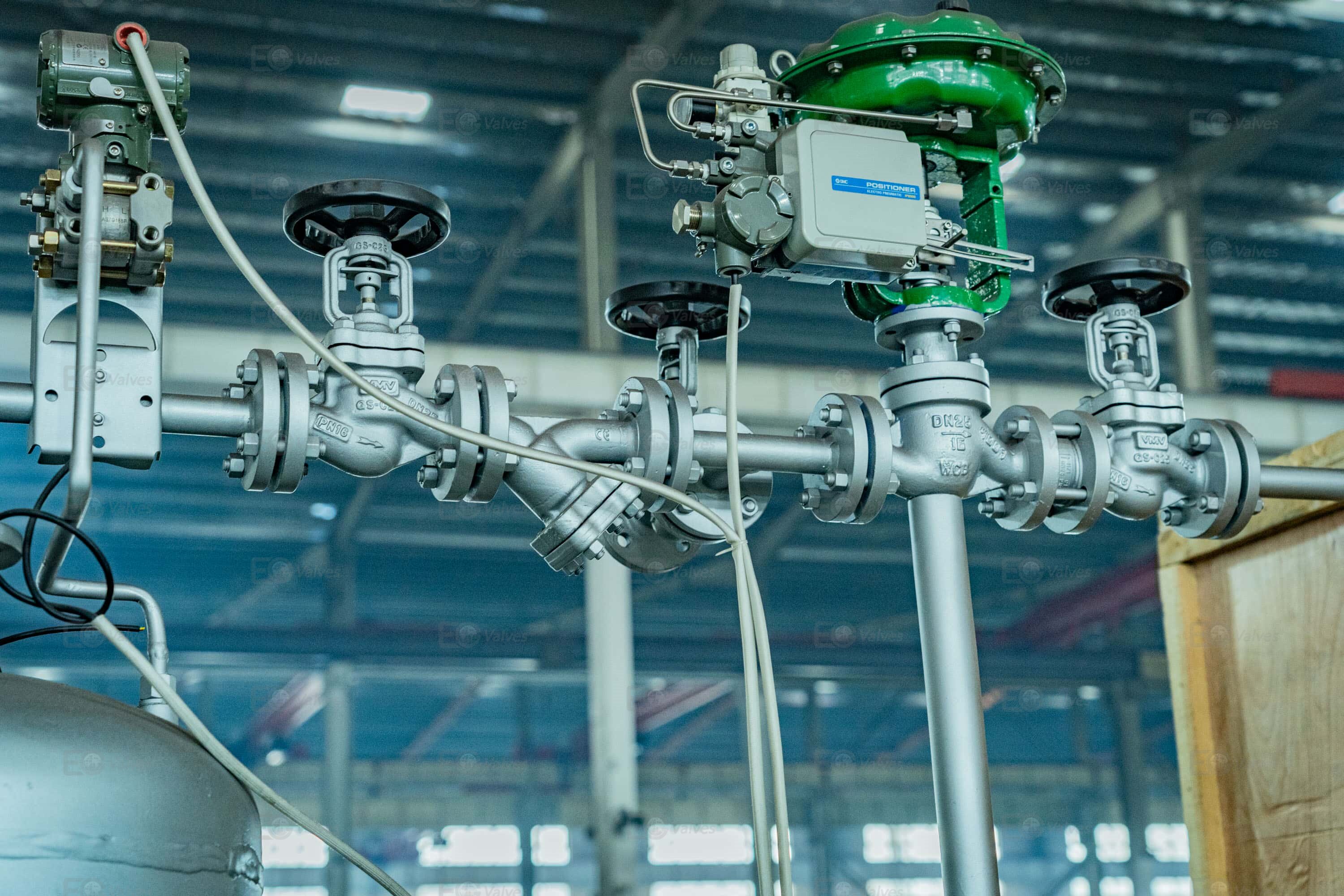
Manual valves rely on a handwheel, lever, or wrench to position an internal closure element. Gate valves (e.g., GTS019) use a rising stem to lift a wedge out of the flow path, offering minimal pressure drop when fully open. Globe valves (e.g., GLS105) employ a linear disc that throttles flow, making them suitable for regulation. Ball valves (e.g., BVF206) feature a rotating ball with a bore; a quarter‑turn opens or closes the line quickly. Butterfly valves (e.g., BTV300) use a disc that rotates 90°; they are compact and lightweight. Check valves (e.g., CSV410) automatically prevent backflow. EG Valves designs these products with blow‑out proof stems, fire‑safe features, anti‑static devices, and low‑emission packing where required.
Application / Use‑Case Scenarios
EG Valves serves a wide range of industries, each with distinct operational demands:
| Industry | Manual Valve Types Commonly Used | Key Requirements |
|---|---|---|
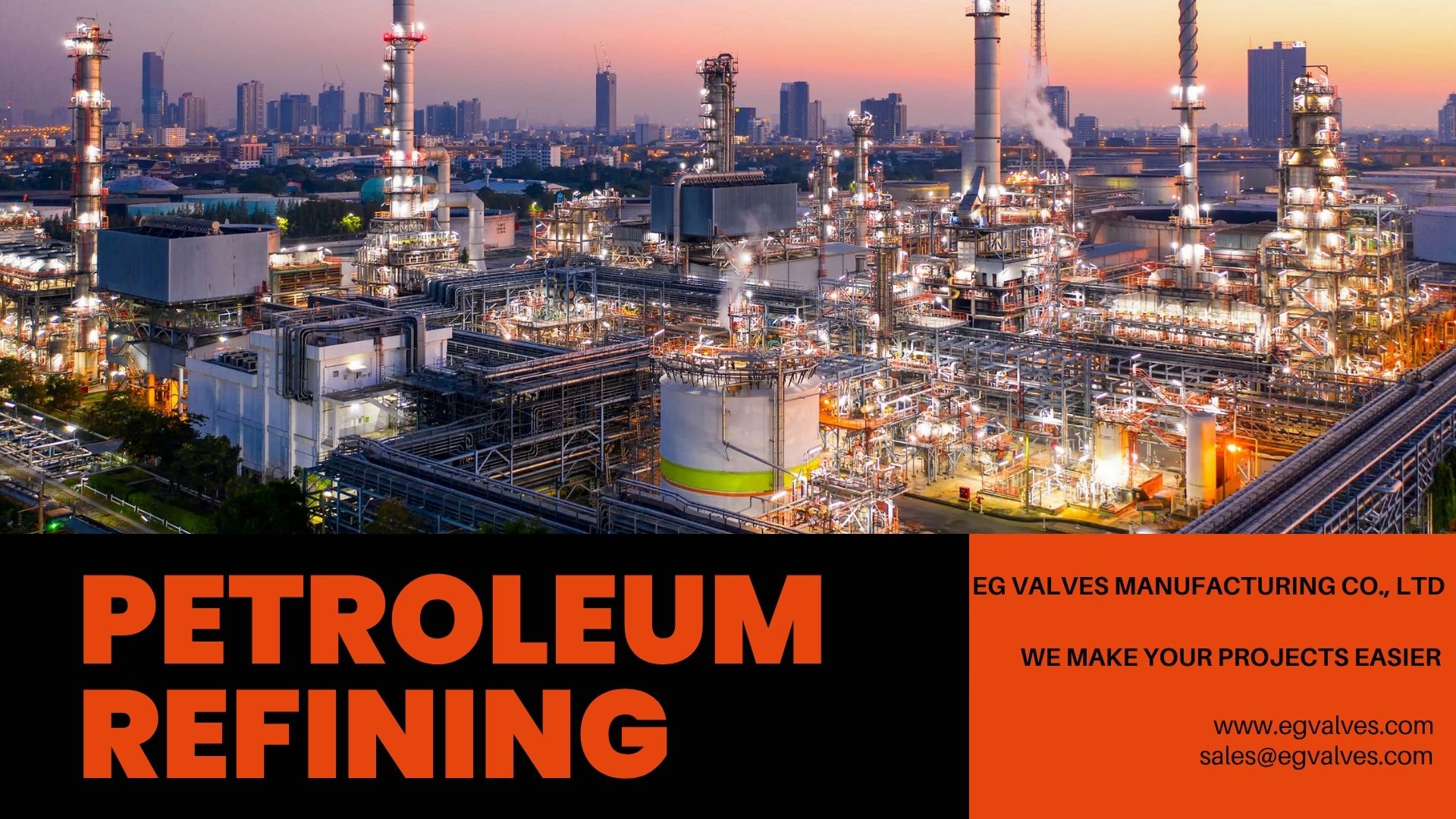
| Oil & Gas / Refining | Gate, Globe, Ball, Check (e.g., GTS019, BVF206, CVS407) | High‑pressure, fire‑safe, corrosion resistance |
| Water & Wastewater | Butterfly, Gate, Check (e.g., BTV300, GTI001, CVI405) | Bi‑directional shut‑off, long cycle life |
| Chemical / Fertiliser | Ball, Globe, Butterfly (e.g., BVF206, GLS105, BTF301) | Aggressive media, tight sealing |
| Mining & Minerals | Knife Gate, Ball, Check (e.g., GTK022, BVF208, CSV410) | Slurry handling, wear resistance |
| Food & Beverage | Stainless Steel Ball, Butterfly, Check (e.g., BVS213, BTV300, CSV410) | Sanitary design, cleanability |
| Power Generation | Pressure Seal Gate, Globe, Triple Offset Butterfly (e.g., GTP002, GLP107, BOV303) | High temperature/pressure steam |
Market Trend Analysis
The manual valve market continues to expand, fuelled by infrastructure development, industrial capacity expansion, and the need for reliable isolation in critical processes. Notable trends include:
- Compact designs gaining share: Wafer‑type manual butterfly valves accounted for 38.5% of the configuration share in 2025 (Dataintelo), reflecting demand for space‑saving, cost‑efficient solutions.
- Material innovation: Duplex and super‑duplex stainless steels, PTFE linings, and stellite overlays are increasingly specified to handle corrosive and erosive services.
- Standards compliance: Universal adherence to ASME B16.34 for pressure‑temperature ratings, and API 600 for heavy‑duty gate valves, remains a baseline expectation.
- Manual‑to‑actuated flexibility: Many manual valves are designed with integrally cast mounting pads, allowing future conversion to pneumatic or electric actuation.
Comparison with Traditional Alternatives
Compared to actuated (pneumatic/electric) valves, manual valves offer lower initial cost, no dependence on external power, and simpler maintenance. However, they require operator presence and are less suitable for frequent cycling or remote control. EG Valves addresses this by providing models that can be ordered with either manual handwheels/levers or actuator mounts, enabling a phased upgrade path.
One honest limitation: Manual valves cannot be integrated into a fully automated process control system without adding an actuator — a step that increases complexity and cost. For applications requiring precise throttling or frequent adjustment, a globe or needle valve with a gear operator may still be necessary.
Future Outlook
The manual valve segment is expected to remain a cornerstone of industrial fluid handling well into the next decade. EG Valves, with its 25‑year track record, ISO‑certified processes, and broad product range covering gate, globe, ball, butterfly, check, and plug valves, is positioned to serve both traditional and emerging markets. As end‑users continue to prioritise reliability, safety, and total lifecycle cost, manufacturers that offer certified quality, customisation, and responsive support will stand out.
Frequently Asked Questions
1. What are the main types of manual valves?
The primary types are gate valves, globe valves, ball valves, butterfly valves, check valves, plug valves, and knife gate valves. EG Valves manufactures all of these for industrial applications.
2. How do I select the correct manual valve for my system?
Selection depends on the media (liquid, gas, slurry), pressure and temperature range, required flow characteristics (on/off vs. throttling), end connections, and material compatibility. EG Valves offers products from Class 150 to Class 2500 and sizes from NPS 1/2” to 60”.
3. What certifications does EG Valves hold for manual valves?
EG Valves is ISO 9001:2015 certified, and its factories also hold API 600, API 6D, CE, and PED certifications. Products are manufactured to ANSI, DIN, BS, and JIS standards.
4. Are manual valves from EG Valves suitable for high‑pressure applications?
Yes. For example, the cast steel gate valve (GTS019) is rated up to Class 1500, and forged steel models (GTF023) reach Class 2500. Pressure seal designs (GTP002, GLP107) are dedicated for high‑pressure steam and gas services.
5. Can manual valves be automated later?
Yes, many EG Valves manual valves come with integrally cast mounting pads and can be fitted with pneumatic or electric actuators. Models such as the high‑performance butterfly valve (BPV302) are designed for such flexibility.
6. What is the typical delivery time for EG Valves manual valves?
EG Valves pays close attention to delivery times and tracks each order. For specific lead times, contact the sales team directly.
For detailed specifications, datasheets, and pricing on EG Valves' manual valve portfolio, download the company brochure:
Download EG Valves Brochure (PDF)Or contact the EG Sales Team:
Email: sales@egvalves.com | Tel: +86 577 5799 2227 | WhatsApp: +86 132 0637 0946
هل لديك أسئلة أو تحتاج إلى مزيد من التفاصيل؟
تواصل مع فريقنا للحصول على عرض أسعار مخصص أو استشارة فورية.
طلب عرض أسعار
املأ النموذج أدناه وسيتواصل معك فريقنا بعرض مقترح مخصص.
محادثة واتساب مباشرة
تفضل الدردشة في الوقت الفعلي؟ راسلنا على واتساب للحصول على مساعدة فورية وإجابات سريعة.
- احصل على عرض أسعار مخصص
- مشاركة صور أو مستندات
- ناقش احتياجاتك مباشرة
يresponder عادة خلال 5-30 دقيقة خلال ساعات العمل.