
Mapping Disposable Sanitary Napkins to Buyer Project Requirements
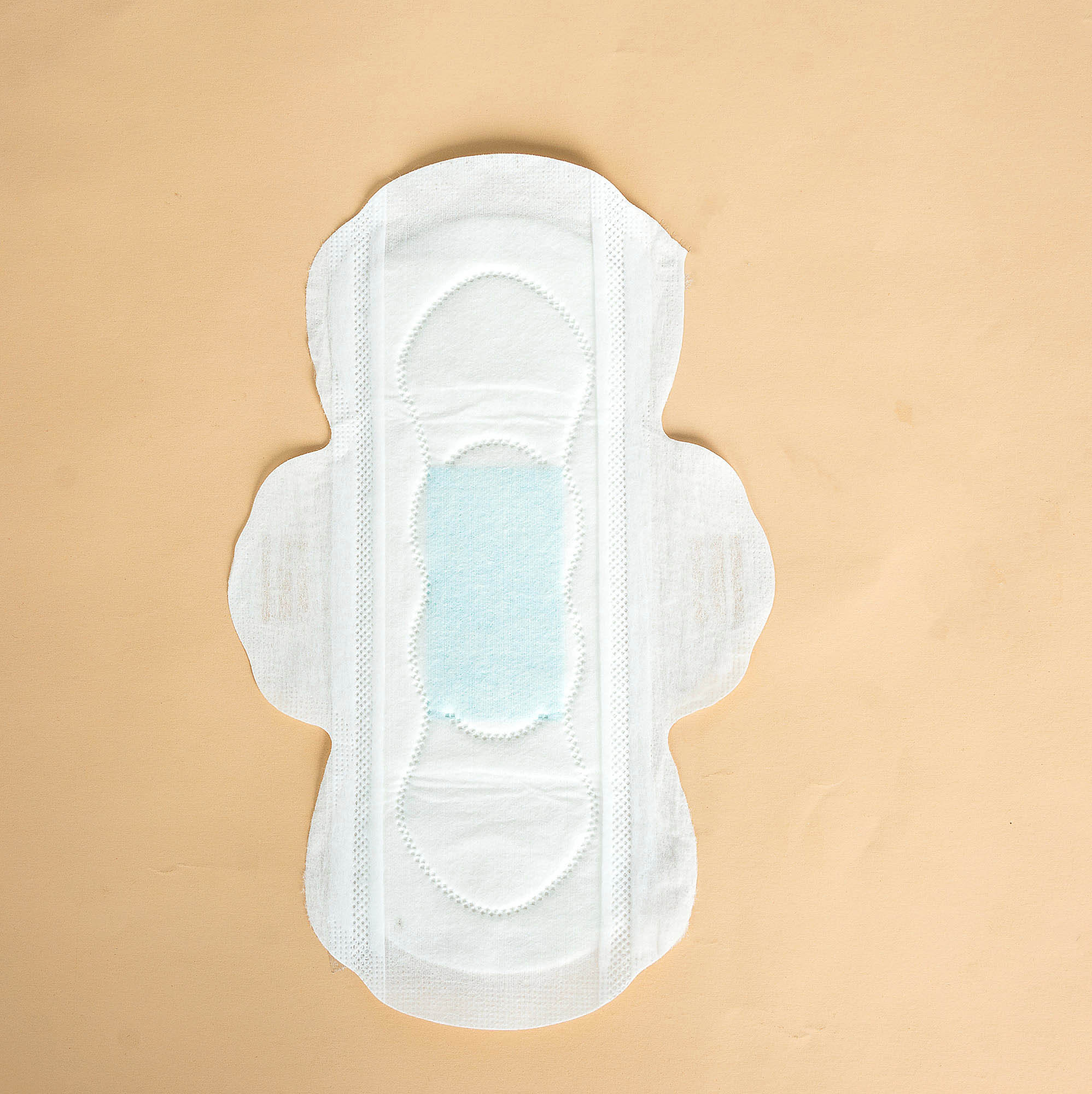
The global sanitary pads market was valued at approximately USD 20.4 billion to USD 25.73 billion in 2024, with projected annual growth of 4% to 5.6% through 2034. China, as the world's leading exporter of sanitary pads under HS 961900, shipped roughly USD 3.3 billion to USD 3.59 billion in 2024. Within this landscape, procurement decisions are increasingly about matching a specific product line to a specific project profile, rather than simply finding a manufacturer.
For international buyers and distributors in the Research and Evaluation stages, the practical challenge has shifted. The availability of supply is no longer the bottleneck. The difficulty lies in identifying which disposable sanitary napkin product architecture — materials, absorbency, sizing, packaging, certification, and supplier capability — aligns with the market position, channel strategy, and regulatory requirements of a given project.
This reference article provides a project-level fit framework. It maps common buyer project types to sanitary napkin product lines, explains the technical parameters that influence selection, and outlines the manufacturing capabilities and verification points that buyers should assess before committing to a supplier.
The Fit Problem: Product Lines Are No Longer Interchangeable
Disposable sanitary napkins now exist across multiple material and performance tiers. A conventional pad built on non-woven fabric, Super Absorbent Polymer (SAP), and a breathable bio-film serves a different purpose than a bio-based pad made from organic cotton, bamboo fiber, or an advanced bio-based absorbent core. They differ in cost structure, brand narrative, certification pathway, and even the waste-management infrastructure required to realize their environmental claims.
Buyers commonly encounter four types of fit failures during project planning:
- Misaligned positioning: choosing certified organic materials for a mass-market wholesale program where price sensitivity dominates, or selecting standard SAP pads for a premium sustainable brand launch where differentiation is essential.
- SKU mismatch: confirming a size range that does not match the target consumer's needs or the channel's assortment expectations.
- Certification gap: discovering only at the evaluation stage that the product's compliance profile does not support market entry in the destination country.
- Volume incompatibility: committing to a supplier whose minimum order quantity, lead time, or monthly capacity cannot absorb the project's actual order rhythm.
The root cause of these failures is treating all sanitary napkin products as functionally equivalent. They are not. A structured fit assessment — project profile to product line to supplier capability — is now a necessary part of procurement planning.
Ecolivia: A Product Architecture Built for Fit
Ecolivia is the eco-friendly sanitary napkin brand line under Family Cares Group, an integrated manufacturing and supply chain group headquartered in Xiamen, China, with core production bases in the hygiene industrial cluster of Quanzhou, Fujian Province. The group operates 35,000+ square meters of factory facilities, employs 350–500 people, and has an annual output exceeding 650 million pieces, with 85%–90% of products exported to North America, Europe, Southeast Asia, the CIS region, the Middle East, and Africa.
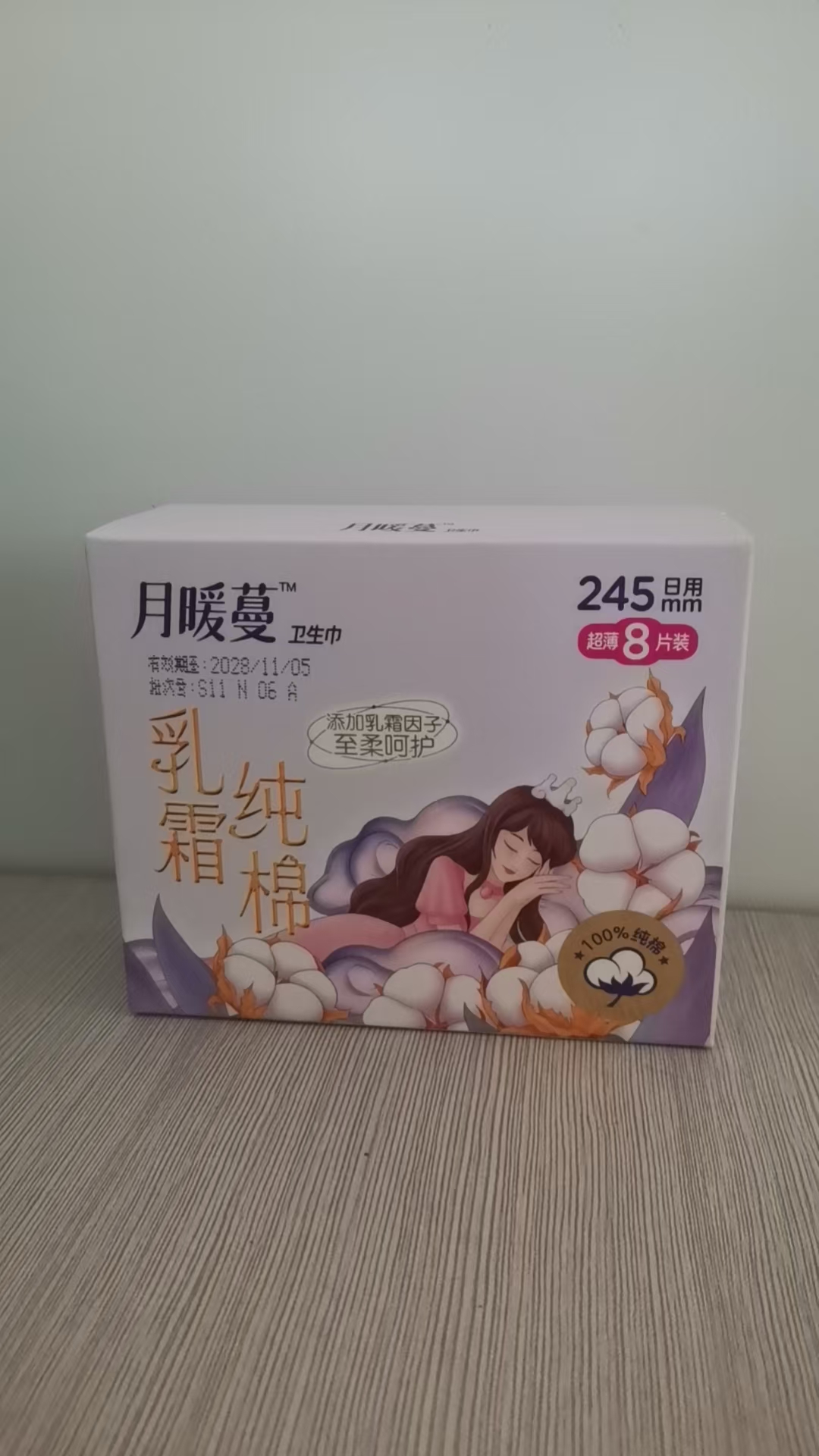
For buyers, the relevant point is not the company size itself but what the product architecture enables. Family Cares Group offers four distinct product lines that can be matched to different project types:
| Product Line | Model / Type | Key Parameters | Material System | Best Fit for |
|---|---|---|---|---|
| Ecolivia-Bio Series | Premium Eco-friendly Pads | 155mm–450mm full range; absorbency customizable (High / Super / Night) | Organic Cotton / Bamboo Fiber / Advanced Bio-based Core | Retail, FMCG, Sustainable Brands |
| Ecolivia-Premium Series | Premium Boutique Pads | 240mm–450mm; tailored for sensitive skin; boutique gift box packaging | Organic Cotton / Bamboo Fiber / Advanced Bio-based Core | High-end Retail, E-commerce, Subscription Box |
| FC-Standard Series | Mass Market Pads | 240mm, 285mm, 330mm, 410mm; high-speed absorption core | Non-woven Fabric / SAP / Breathable Bio-film | Wholesale, B2B Distribution, Supermarkets |
| FC-Pants Series | 360° Leak-proof Underwear | Size M-L / L-XL (waist 60–120cm); absorbency 150ml–300ml (customizable) | Ultra-soft Non-woven / Advanced Bio-based Absorbent Core / Elastic Waistband | Retail, FMCG, Postpartum Care |
The availability of these four lines means a buyer does not have to force one product to serve every project. The selection should follow the project's market positioning, consumer profile, and channel requirements.
Technical Parameters That Determine Project Fit
In project evaluation, five technical parameters carry the most weight: size range, absorbency profile, material system, packaging format, and certification status. Each parameter directly affects the buyer's ability to execute a go-to-market plan.
Size Range and SKU Strategy
The Ecolivia-Bio Series covers a full 155mm–450mm range, from panty liners to overnight and 2XL formats. The FC-Standard Series is positioned around 240mm–410mm, covering the mainstream daily-to-night assortment. The Ecolivia-Premium Series spans 240mm–450mm. A project targeting a broad supermarket listing may require the standard 240/285/330/410mm combination; a sustainable brand launch may need the wider Bio range to include panty liners and maternity pads as supporting SKUs.
Absorbency and Usage Scenario
Absorbency is not a single number; it must match the intensity and duration of use. The Bio Series allows customization across High, Super, and Night absorbency levels. The FC-Standard line uses a high-speed absorption core suited to mass-market daily use. The FC-Pants Series offers 150ml–300ml absorbency for heavier-flow or postpartum needs. For institutional or postpartum projects, the availability of higher-absorbency formats and maternity pads within the Bio line expands the eligible product set.
Material System and Brand Position
The material system is the clearest differentiator between product tiers. Organic cotton and bamboo fiber surfaces, combined with an advanced bio-based absorbent core, enable an eco-friendly positioning. Non-woven fabric with SAP delivers stable absorption performance at a different cost level. A buyer evaluating a project for a sustainable brand should verify the material supply chain and certification base; a buyer planning a wholesale program should focus more on absorption stability, production efficiency, and unit economics.
Packaging Format
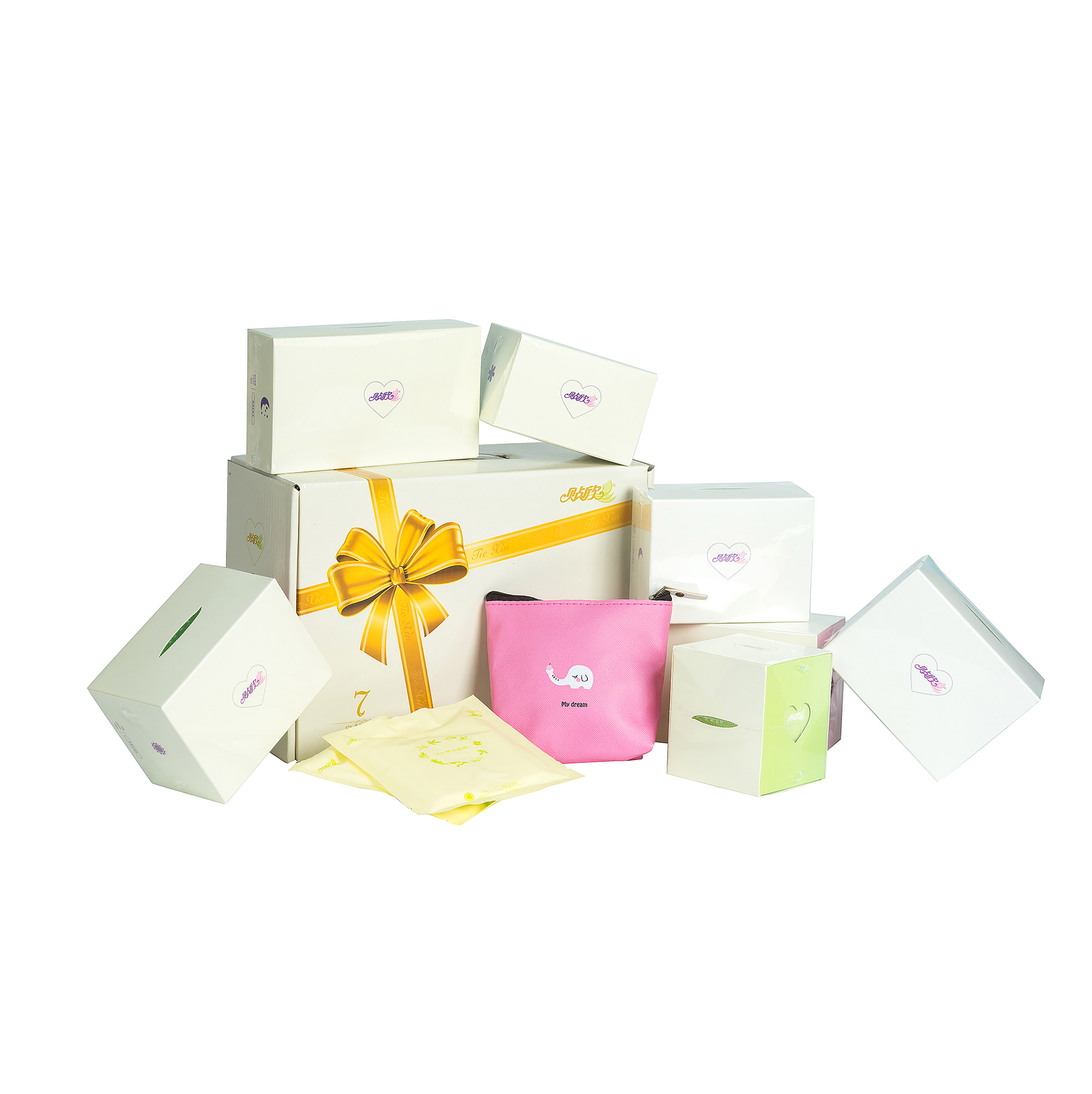
The Premium Series uses boutique gift-box packaging designed for high-end retail and subscription models. The FC-Standard and Bio Series are available in bag formats for shelf distribution. Packaging affects logistics density, shelf appeal, and unboxing experience. Projects targeting premium DTC channels should prioritize box-packed formats with high print quality; projects targeting supermarket distribution should prioritize compact, cost-efficient packaging.
Certifications and Market Access
Family Cares Group operates under ISO 9001 certification, and its products are positioned to meet FDA, CE, and GOTS standards. For buyers entering the US, EU, or other regulated markets, these certifications are a baseline requirement. For bio-based product claims, standards such as EN 13432 (Europe) and ASTM D6400 (North America) provide the technical reference for industrial compostability, typically requiring 90% biodegradation within 6 months under industrial conditions.
Project Profiles: Matching Product Lines to Real Buyer Scenarios
The following project profiles illustrate how different buyer situations map to specific product lines and supplier capabilities. These profiles are grounded in documented application scenarios and existing customer engagements.
Profile A: Premium E-commerce Brand or Subscription Box
A high-end organic brand entering e-commerce or subscription channels typically needs shelf-ready premium packaging, a differentiated unboxing experience, and the ability to test new SKUs without committing to large volumes. The Ecolivia-Premium Series, with its boutique gift-box packaging and organic cotton / bamboo fiber material system, is the natural fit. FSC-certified paper boxes and high-end printing (UV/foil) are commonly specified for this segment.
One documented engagement involves a premium e-commerce and subscription brand in Germany, ordering 500,000+ units per batch on a monthly recurring basis over three years. The product application was tailored organic cotton pads in luxury retail gift boxes. The project was supported by high-capacity automated box-packing lines and zero-defect quality control, and it successfully supported the client's transition to 100% plastic-free packaging.
Profile B: Regional FMCG Brand Expanding Product Mix
A regional FMCG brand planning to introduce eco-friendly menstrual products into retail distribution requires a product line that balances sustainability claims with scalable supply. In this profile, the Ecolivia-Bio Series offers the full 155mm–450mm range, while the FC-Pants Series adds a complementary leak-proof underwear SKU. The buyer typically requires GOTS/FSC certification and fluorescent-free materials.
A leading regional FMCG brand in Malaysia has sourced high-end organic cotton sanitary napkins and menstrual pants at a volume of 2–3 x 40HQ containers per month for more than three years. The manufacturer's role included integrating advanced bio-based core technology to replace standard SAP, and the client achieved 25% annual sales growth in Southeast Asia during the partnership.
Profile C: Wholesale and B2B Distribution
Wholesale buyers and supermarket distributors prioritize stable quality, competitive pricing, and a proven size range. The FC-Standard Series — with 240mm, 285mm, 330mm, and 410mm lengths and a high-speed absorption core — is configured for mass-market shelf programs. Its material system of non-woven fabric, SAP, and breathable bio-film supports consistent performance at volume.
For this profile, the buyer's evaluation emphasis should be on production capacity, order lead time, and factory inspection protocols rather than on narrative-driven product differentiation.
Profile D: Postpartum and Specialized Care Programs
Postpartum care and specialized hygiene programs require products with higher absorbency and leak protection. The FC-Pants Series, offering 150ml–300ml absorbency with a 360° leak-proof structure, alongside maternity pads available in the Bio Series, addresses this segment. Institutional buyers in medical or senior care settings should also evaluate the supplier's broader hygiene product range and compliance documentation.
Supplier Capabilities Buyers Should Verify
Product fit alone is insufficient; the supplier's manufacturing and supply chain capabilities must also match the project's scale and timing. For disposable sanitary napkin projects, buyers should evaluate three capability layers.
OEM/ODM Manufacturing
Family Cares Group operates OEM/ODM manufacturing with a monthly capacity of 54 million+ pieces. Customization includes brand/logo, sizing, bio-based core structure, and packaging. The standard lead time is 15–25 days, and the minimum order quantity is 1 x 20GP, which is negotiable for start-up brands. Quality control includes 100% online visual inspection plus in-house laboratory QC. After-sales support includes 24/7 technical support and quality traceability.
For buyers, the MOQ of 1 x 20GP is a meaningful threshold: it allows brand owners to test new SKUs and packaging concepts without committing to full-container volumes upfront. The negotiable MOQ for start-ups further reduces the barrier for initial market entry.
Material R&D and Supply
Material capability is a strategic differentiator in sanitary napkin sourcing. The group supplies 1,600+ tons of non-woven and related materials monthly, with customization of non-woven GSM, bio-film layers, and other components. Non-woven fabric options range from 10gsm to 80gsm, with customizable width per production line. Lead time is 7–14 days, and batch COA reports accompany deliveries.
A documented industrial case in Uzbekistan involved the annual supply of 500+ tons of specialized non-woven fabrics to a sanitary product manufacturer over four years. The client's production downtime was reduced by 15% due to material consistency, and customized GSM and roll diameter were tailored to fit high-speed Italian machinery.
Supply Chain and Logistics
International buyers also need to assess logistics execution. The group's supply chain capability includes 30+ 40HQ containers shipped per month, a treatment time of 3–5 days, and support for FOB, CIF, and DDP incoterms. Pre-shipment loading inspection (PSI) is part of quality control, and after-sales services include real-time tracking plus documentation and compliance support.
Market Context for 2026 Procurement Planning
Four market trends are relevant to buyers evaluating disposable sanitary napkin projects in 2026.
First, the overall market is growing steadily. The global sanitary pads market is valued at approximately USD 20.4 billion to USD 25.73 billion in 2024, with a projected CAGR of 4% to 5.6% through 2034. This growth supports both core SKU expansion and new product introductions.
Second, the biodegradable segment is growing significantly faster. The biodegradable sanitary napkin market was valued at USD 2.43 billion in 2023 and is projected to reach USD 8.54 billion by 2030, representing a high CAGR of 20.1%. This gap between overall market growth and segment growth explains why sustainable product lines are receiving increasing buyer attention.
Third, organic cotton is a material segment with measurable traction. Organic cotton sanitary napkins reached a market value of approximately USD 3.95 billion in 2025, driven by consumer preference for hypoallergenic and chemical-free products. For buyers, this suggests that bio-based and organic product lines are not fringe offerings but mainstream procurement categories.
Fourth, China's export position remains central. As the world's leading exporter of sanitary pads under HS 961900, with export values of approximately USD 3.3 billion to USD 3.59 billion in 2024, China continues to be the primary supply base for international buyers. Within this context, manufacturers with direct production control — rather than trading intermediaries — offer clearer traceability for project-specific requirements.
Bio-Based vs. Conventional: Comparison and One Honest Limitation
For buyers deciding between bio-based and conventional disposable sanitary napkins, the comparison can be framed across several decision-relevant dimensions.
| Dimension | Bio-Based Lines (Ecolivia-Bio / Premium) | Conventional Line (FC-Standard) |
|---|---|---|
| Material system | Organic cotton, bamboo fiber, advanced bio-based core | Non-woven fabric, SAP, breathable bio-film |
| Typical positioning | Sustainable brands, premium retail, subscription | Wholesale, supermarkets, mass distribution |
| Size range | 155mm–450mm full range | 240mm–410mm |
| Packaging | Box or bag; customizable gift-box options | Bag packaging |
| Certification relevance | GOTS, FSC, and compostability standards (EN 13432 / ASTM D6400) | FDA, CE, ISO 9001 baseline |
| Cost structure | Higher material specification, reflected in project budget | Generally more suited to price-sensitive markets |
The comparison above is directional rather than exhaustive; exact costs and certification coverage depend on project specification and destination market. However, one limitation deserves explicit attention in any project evaluation.
Future Outlook: From Product Procurement to Project Partnership
The direction of sanitary napkin procurement is moving toward closer alignment between product architecture and project objectives. As the biodegradable segment grows faster than the overall market, buyers will increasingly need suppliers that can support bio-based core technology, material customization, and multi-line product portfolios under one roof.
For manufacturers such as Family Cares Group, the integration of material R&D, high-capacity production, and logistics control reduces the number of handoffs in the supply chain. For buyers, this means shorter lead times, clearer quality traceability, and a wider range of product configurations available from a single partner.
The projects most likely to succeed in 2026 and beyond are those where the buyer can articulate the target consumer, the channel requirements, and the regulatory constraints — then verify that the product line and supplier capabilities are genuinely matched to those parameters. The question is no longer which sanitary napkin manufacturer is the largest, but which product architecture and manufacturing system best fits the project being planned.
FAQ
What product parameters should buyers define before selecting disposable sanitary napkins for a project?
Buyers should specify the size range, absorbency profile, material system, packaging format, and certification requirements. Available size ranges include 155mm–450mm full range in the Ecolivia-Bio Series, 240mm–410mm in the FC-Standard Series, and 240mm–450mm in the Ecolivia-Premium Series. Absorbency can be customized as High, Super, or Night levels in the Bio Series, while the FC-Pants Series offers 150ml–300ml absorbency. Material systems include organic cotton, bamboo fiber, and advanced bio-based core, or non-woven fabric with SAP and breathable bio-film.
How do bio-based and standard disposable sanitary napkins differ for project selection?
Bio-based lines such as the Ecolivia-Bio Series are built on organic cotton, bamboo fiber, and an advanced bio-based absorbent core, and are suited to retail, FMCG, and sustainable brand projects. Standard lines such as the FC-Standard Series use non-woven fabric, SAP, and breathable bio-film, and are configured for wholesale, B2B distribution, and supermarket channels. The choice depends on the project's brand positioning, cost structure, and target consumer.
What is the minimum order quantity for custom disposable sanitary napkin production?
The minimum order quantity for OEM/ODM manufacturing is 1 x 20GP container, and it is negotiable for start-up brands. Production lead time is 15–25 days. For material R&D and supply, the MOQ is 2 tons or 1 x 40GP, depending on the material, with a lead time of 7–14 days.
What quality controls should buyers expect for large-volume sanitary napkin production?
Quality control includes 100% online visual inspection and in-house laboratory QC during production, plus pre-shipment loading inspection (PSI) before delivery. After-sales support includes 24/7 technical support and quality traceability. For non-woven material supply, batch COA reports are provided with each delivery.
Which certifications are relevant when sourcing disposable sanitary napkins for international markets?
Relevant certifications include ISO 9001 for production systems, FDA for US market entry, CE for European market compliance, and GOTS for organic textile claims. For bio-based products, industrial compostability standards such as EN 13432 (Europe) and ASTM D6400 (North America) are important references, typically requiring 90% biodegradation within 6 months under industrial conditions.
How does supplier capacity affect large-volume sanitary napkin projects?
Supplier capacity determines whether a project's order rhythm can be sustained. OEM/ODM manufacturing capacity is 54 million+ pieces per month, with a lead time of 15–25 days. Logistics capacity includes 30+ 40HQ containers per month with a treatment time of 3–5 days. For projects involving raw materials, non-woven supply capacity is 1,600+ tons per month. These figures help buyers assess whether a supplier can absorb monthly recurring orders without compromising delivery schedules.
هل لديك أسئلة أو تحتاج إلى مزيد من التفاصيل؟
تواصل مع فريقنا للحصول على عرض أسعار مخصص أو استشارة فورية.
طلب عرض أسعار
املأ النموذج أدناه وسيتواصل معك فريقنا بعرض مقترح مخصص.
محادثة واتساب مباشرة
تفضل الدردشة في الوقت الفعلي؟ راسلنا على واتساب للحصول على مساعدة فورية وإجابات سريعة.
- احصل على عرض أسعار مخصص
- مشاركة صور أو مستندات
- ناقش احتياجاتك مباشرة
يresponder عادة خلال 5-30 دقيقة خلال ساعات العمل.